You love your fish tank, but have you thought about what would happen if it tipped over? Anchoring your fish tank to the wall is one of the smartest steps you can take to protect your aquarium, your home, and your peace of mind.
In this guide, you’ll discover simple, effective ways to secure your tank safely. Whether you’re worried about pets, kids, or just want extra stability, these easy tips will help you feel confident that your underwater world stays exactly where it belongs.
Keep reading to learn how to anchor your fish tank like a pro.

Credit: www.reef2reef.com
Choosing The Right Spot
Choosing the right spot to anchor your fish tank is very important. It helps keep the tank safe and the fish healthy. The spot must support the tank’s weight and avoid problems from sunlight or heat. This section covers key points to find the best place for your tank.
Assessing Wall Strength
Check if the wall can hold the tank’s weight. Fish tanks are heavy, especially when full of water. Use a stud finder to locate strong studs behind the wall. Avoid drywall alone; it cannot support the weight. Use anchors made for heavy loads for extra safety.
Avoiding Direct Sunlight
Place the tank away from windows with direct sunlight. Sunlight can cause algae growth inside the tank. It can also raise water temperature too much. Keep the tank in a shaded or dim area to maintain a stable environment.
Keeping Away From Heat Sources
Do not place the tank near heaters, radiators, or vents. Heat sources can quickly change the water temperature. Rapid changes stress the fish and harm their health. Pick a cool and stable spot for the tank to keep fish safe.
Selecting Anchor Types
Selecting the right anchor type is crucial for securing your fish tank safely to the wall. Different walls require different anchors. The choice depends on the wall material and the tank’s weight. Using the correct anchor ensures stability and prevents accidents. Below are common anchor types suitable for anchoring fish tanks.
Plastic Anchors
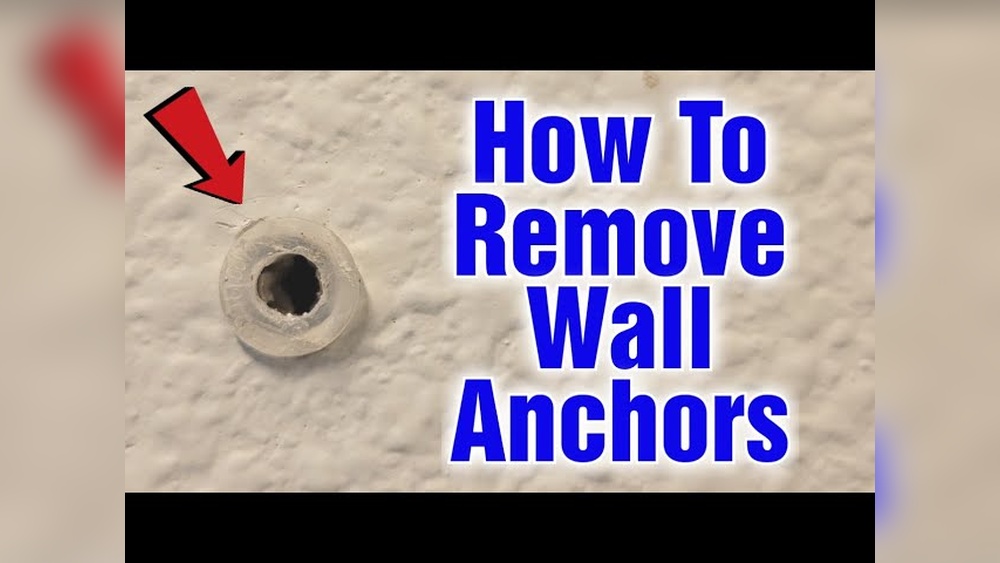
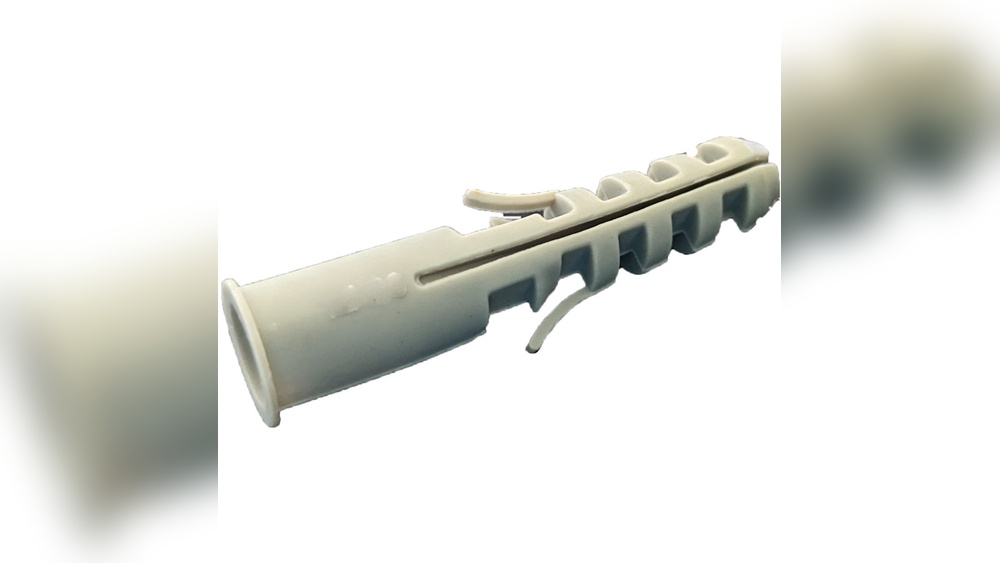
Plastic anchors work well with drywall and light loads. They expand inside the wall when screws are inserted. These anchors hold moderate weight and are easy to install. Ideal for small to medium fish tanks on drywall. Avoid using plastic anchors for very heavy tanks.
Toggle Bolts
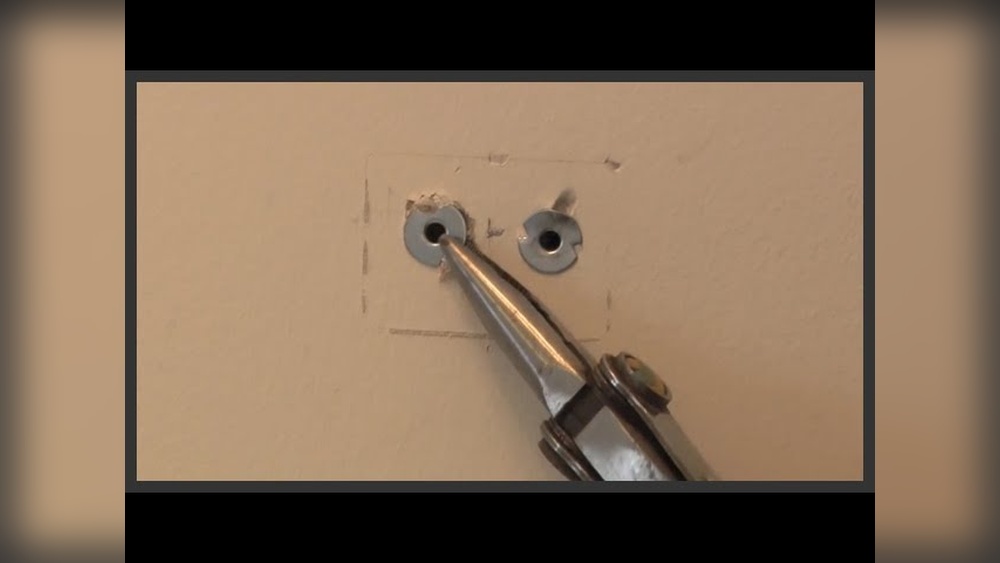
Toggle bolts provide strong support in hollow walls. They have metal wings that open behind the wall. This spreads the weight over a larger area. Perfect for heavier fish tanks and drywall. Installation requires drilling a larger hole. Toggle bolts offer excellent holding power.
Masonry Anchors
Masonry anchors secure tanks to brick, stone, or concrete walls. They are durable and handle heavy loads. These anchors need a hammer drill for installation. Suitable for heavy fish tanks on solid walls. Masonry anchors ensure a firm, long-lasting hold.
Gathering Necessary Tools
Gathering the right tools is the first step to anchor your fish tank safely. You need tools that fit the job perfectly. Using the correct tools makes the task easier and the result stronger.
Prepare all tools before starting. This saves time and avoids frustration. Check each tool to ensure it works well and is in good condition.
Drill And Drill Bits
A drill is essential to make holes in the wall for anchors. Use drill bits that match the size of your wall anchors. Different walls require different drill bits, like masonry or wood bits. Choose bits that fit your wall type for a secure hold.
Level And Measuring Tape
A level helps keep the tank straight and balanced on the wall. Measuring tape ensures accurate placement of holes. Measure carefully to avoid mistakes that can cause the tank to tilt or fall. Mark spots clearly before drilling.
Screwdrivers And Wrenches
Screwdrivers help tighten screws and secure anchors firmly. Use the correct screwdriver type, either flathead or Phillips, based on your screws. Wrenches assist in tightening bolts if your setup needs them. Tighten all fasteners snugly for safety.
Preparing The Wall
Preparing the wall is a key step before anchoring your fish tank. This ensures the tank stays secure and safe. A well-prepared wall helps avoid accidents and damage. Follow these simple steps to get your wall ready.
Locating Studs
Start by finding the wall studs behind the drywall. Studs provide strong support for heavy items like fish tanks. Use a stud finder tool for accurate results. Move it slowly across the wall. Mark the edges of each stud to find the center. Anchoring into studs is safer than just drywall.
Marking Anchor Points
Measure the base of your fish tank carefully. Transfer these measurements to the wall where you want to place the tank. Mark points on the studs where the anchors will go. Keep the marks level and evenly spaced. These marks guide you to drill in the right spots.
Drilling Pilot Holes
Use a drill bit slightly smaller than the anchor screws. Drill pilot holes at the marked points on the wall. Pilot holes prevent wood from splitting and make screwing easier. Drill straight and not too deep. Clean any dust from the holes before placing anchors.
Installing Anchors
Installing anchors is key to safely securing your fish tank to the wall. Anchors hold screws tightly, giving strong support. They prevent the tank from tipping or falling.
Different wall types need different anchors. Choose the right one for your wall material. This step ensures the tank stays stable and safe.
Inserting Plastic Anchors
Plastic anchors work well for drywall and light loads. First, drill a hole smaller than the anchor size. Push the plastic anchor into the hole firmly. Tap gently with a hammer if needed. Insert the screw into the anchor and tighten slowly. The anchor expands inside the wall, holding the screw firmly.
Using Toggle Bolts
Toggle bolts are strong and fit hollow walls. Drill a hole big enough for the toggle wings. Squeeze the wings closed and push them through the hole. The wings open inside the wall, locking the bolt in place. Tighten the screw carefully to pull the toggle tight. This method supports heavy fish tanks securely.
Securing Masonry Anchors
Masonry anchors work best for brick or concrete walls. Use a masonry drill bit to make a hole. Clean the hole from dust and debris. Insert the anchor into the hole with a hammer. Drive the screw into the anchor until tight. These anchors resist strong forces and hold heavy tanks safely.
Credit: www.reddit.com
Attaching Mounting Brackets
Attaching mounting brackets is an important step to secure your fish tank to the wall. It helps prevent accidents and keeps the tank stable. Proper bracket installation supports the tank’s weight and protects your home.
Positioning Brackets
Start by choosing the right spots for the brackets. Place them near the top and bottom edges of the tank stand. Make sure they align with wall studs for strong support. Use a level to keep brackets straight. Mark the wall where you will drill holes.
Securing With Screws
Use screws designed for your wall type. Drill pilot holes first to avoid splitting the wall. Attach brackets firmly with screws. Tighten screws but do not overdo it. Over-tightening can damage the wall or brackets. Check that brackets do not move after tightening.
Double-checking Stability
After mounting, test the bracket’s hold. Gently push the tank to see if it shifts. Check for any wobbling or loose screws. Tighten screws if needed. A stable tank means a safe home for your fish.
Mounting The Fish Tank
Mounting the fish tank on the wall is a key step for safety and stability. It prevents the tank from tipping or falling. This process requires careful handling and precise alignment. Follow these steps to ensure your tank is secure and safe for your fish.
Lifting With Care
Lift the fish tank slowly and evenly. Use two or more people if the tank is heavy. Avoid sudden moves to protect the glass and water inside. Keep your hands steady and support the tank from the bottom. This reduces the risk of dropping or cracking the tank.
Aligning With Brackets
Hold the tank close to the wall where the brackets are fixed. Check that the tank’s edges line up with the brackets perfectly. Gently lower the tank onto the brackets, making sure it sits flat. Secure the tank by tightening any screws or fasteners on the brackets.
Final Safety Checks
Double-check the tank’s position on the brackets. Make sure it does not wobble or move. Inspect all screws and fasteners to confirm they are tight. Test the wall mount by applying slight pressure to the tank. The setup should feel solid and stable before adding fish or water.
Maintenance Tips
Maintaining the anchors of your fish tank is important for safety and durability. Regular care helps prevent accidents and keeps the tank stable. Follow these simple tips to protect your investment and ensure your fish stay safe.
Regularly Inspecting Anchors
Check the anchors at least once a month. Look for any signs of rust, loosening, or damage. Tighten screws and bolts if needed. Early detection stops bigger problems later.
Avoiding Overloading
Know the weight limit of your anchors and wall. Do not add heavy decorations or extra tanks without checking. Overloading causes strain and can lead to failure. Keep the tank and its contents within safe limits.
Addressing Wall Damage
Watch the wall around the anchors for cracks or holes. Small damage can weaken the hold. Repair any damage quickly using appropriate wall fillers or patch kits. A strong wall supports the tank better.

Credit: www.3reef.com
Frequently Asked Questions
How Do I Safely Anchor A Fish Tank To The Wall?
Use sturdy brackets or straps designed for aquariums. Locate wall studs first for secure attachment. Avoid drywall alone to prevent accidents and tank damage.
What Tools Are Needed To Anchor A Fish Tank?
You’ll need a stud finder, drill, screws, brackets or straps, a level, and a screwdriver. These tools ensure safe and precise installation.
Can Anchoring Prevent Fish Tank Tipping?
Yes, anchoring significantly reduces tipping risk. It stabilizes the tank, especially in homes with pets or children, enhancing aquarium safety.
Where Should Wall Anchors Be Placed For Fish Tanks?
Anchors should align with wall studs behind the tank. This offers the strongest support and prevents wall damage or tank falls.
Conclusion
Anchoring your fish tank to the wall keeps it safe and steady. It stops accidents and protects your fish. Use strong anchors and check the wall type first. Take your time to measure and secure everything well. A well-anchored tank gives peace of mind.
Enjoy your beautiful aquarium without worry. Small efforts can prevent big problems later. Safety always comes first when setting up your tank. Keep your fish happy and your home safe.