Have you ever tried to hang something on your wall, only to find it’s too thin to hold a screw properly? It’s frustrating when your screw won’t anchor securely, leaving your shelves or decorations at risk of falling.
But don’t worry—there are simple solutions that can help you fix this problem quickly and safely. You’ll discover easy, effective ways to anchor screws even if your wall isn’t thick enough. Keep reading to learn the tricks that will make your walls strong and reliable, no matter their thickness.
Challenges With Thin Walls
Thin walls create unique problems when anchoring screws. They do not hold screws well. The wall may crack or break easily. This makes hanging heavy items risky. It also limits the type of anchors to use. Understanding these challenges helps in choosing the right method.
Common Issues With Thin Walls
Thin walls often lack strong support inside. They may be hollow or made of weak materials. Screws can slip out or pull through the wall. The wall surface may crumble around the hole. This leads to loose screws and unsafe mounts. Weight limits are much lower on thin walls.
Why Standard Anchors Fail
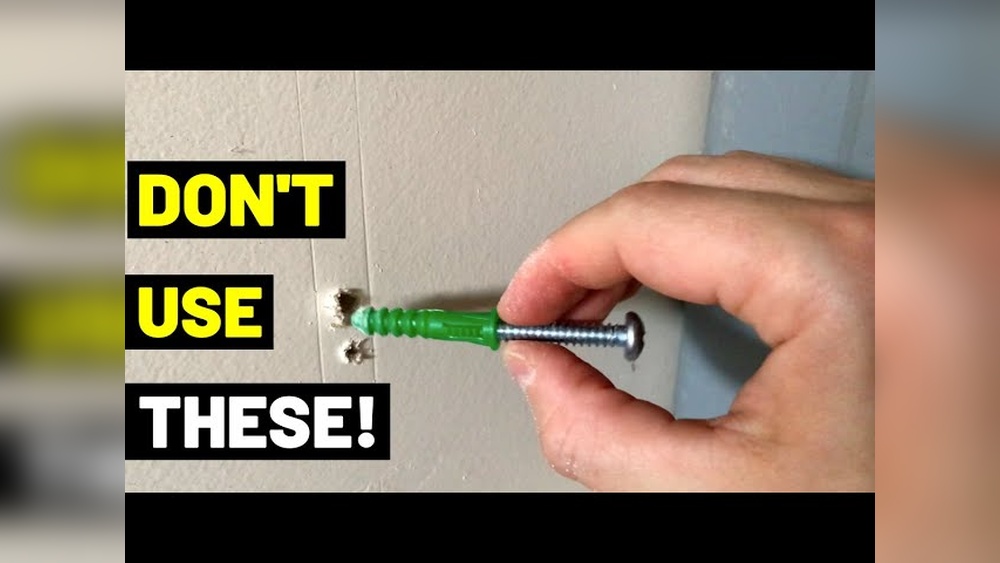
Standard anchors need thick walls for a firm grip. They expand behind the wall to hold tight. Thin walls do not offer enough space for this. The anchor may spin or fall out easily. Some anchors put too much pressure on weak walls. This causes damage instead of support.
Credit: www.walmart.com
Choosing The Right Anchor
Choosing the right anchor is key when your wall is too thin for standard screws. The right anchor keeps your items secure without damaging the wall. This choice depends on the wall type and the weight you plan to hang. Picking an anchor made for thin walls ensures safety and durability.
Types Of Anchors For Thin Walls
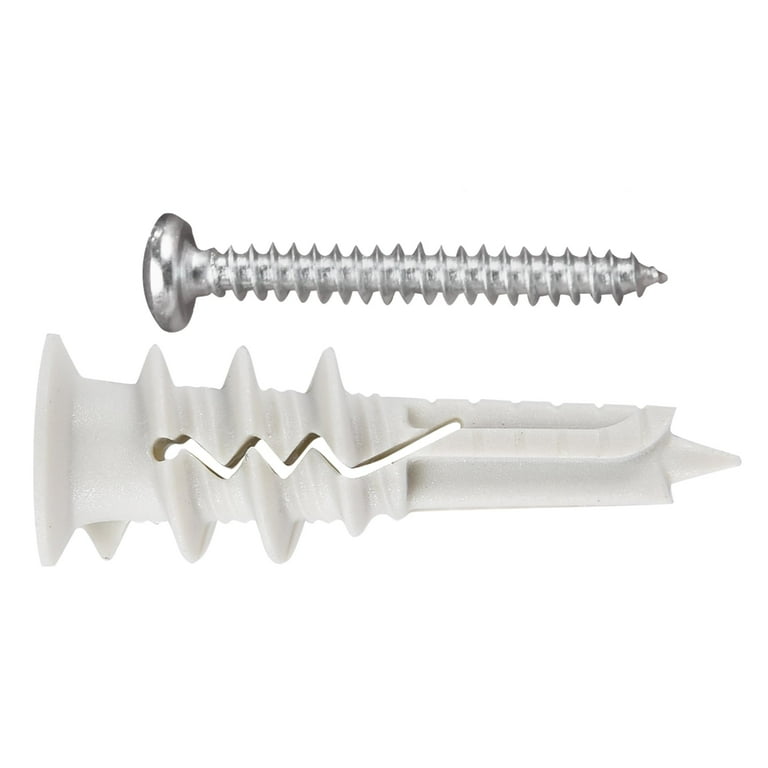
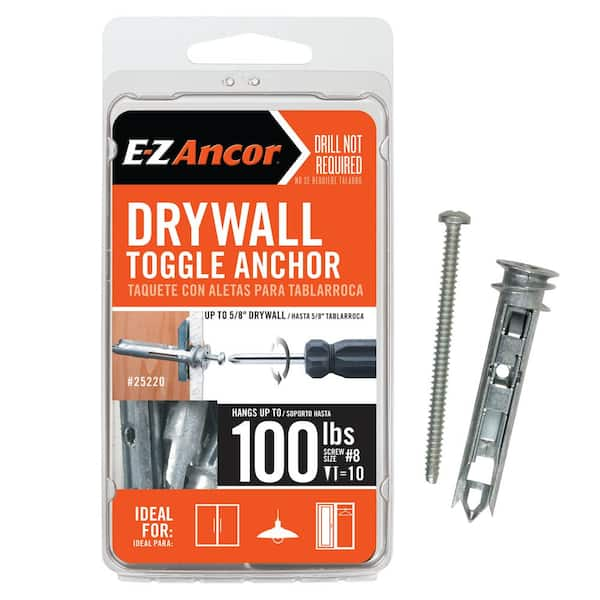
Plastic expansion anchors fit well in thin walls. They expand as the screw goes in, gripping the wall firmly. Toggle bolts are strong and spread the load behind the wall. They work great for hanging heavy objects. Molly bolts also offer good support by expanding inside the wall cavity. Each type suits different weights and wall materials.
Materials And Load Capacity
Anchors come in plastic, metal, and nylon. Metal anchors hold more weight and last longer. Plastic anchors are good for light loads and simple tasks. Nylon anchors resist moisture and are useful in damp areas. Check the load capacity on the package before buying. Choose an anchor that can handle more weight than your object. This prevents accidents and damage to the wall.
Alternative Fixing Methods
Sometimes, walls are too thin to hold regular screws well. This makes it hard to hang items safely. There are other ways to fix screws securely in thin walls. These methods give strong support without needing thick walls. They work well for drywall, plaster, or hollow walls.
Using Toggle Bolts
Toggle bolts have wings that open behind the wall. They spread the load over a larger area. First, drill a hole big enough for the closed wings. Push the bolt through the hole. The wings open inside the wall, holding tight. Tighten the screw to secure the item firmly. Toggle bolts are good for heavy objects on hollow walls.
Installing Molly Bolts
Molly bolts expand inside the wall for a strong grip. Drill a hole matching the bolt size. Insert the molly bolt and tap gently. Tighten the screw to expand the sleeve inside the wall. This locks the bolt in place. Molly bolts hold well in thin drywall or plaster. They provide stable support for medium-weight items.
Adhesive Anchors
Adhesive anchors use glue to hold screws in place. Clean the wall surface first for better grip. Apply a strong construction adhesive inside a plastic anchor. Insert the anchor into the wall hole. Wait for the adhesive to dry fully. Then, screw into the anchor for firm fixing. Adhesive anchors work best for light loads and smooth walls.

Credit: www.reddit.com
Reinforcing The Wall
Reinforcing the wall is a smart way to secure screws in thin or weak walls. It makes the surface stronger, allowing screws to hold firmly. This method helps avoid damage and ensures long-lasting support for shelves, hooks, or other fixtures.
Adding Backing Boards
Backing boards are simple wooden boards fixed behind the wall surface. They create a solid base for screws. First, cut a board to fit the wall cavity. Next, place it inside the wall and fasten it to the studs. This adds thickness and strength.
After installing the backing board, you can safely screw into it. It prevents the wall from crumbling and keeps the screw tight. This method works well for drywall or plaster walls.
Using Wall Plates
Wall plates are metal or plastic pieces designed to spread the load of screws. They go on the wall surface and provide a larger area to hold the screw. This reduces pressure on thin walls.
To use a wall plate, position it over the spot where the screw will go. Then, drive the screw through the plate into the wall. The plate strengthens the hold and protects the wall from damage.
Step-by-step Installation Tips
Installing screws in a wall that is not thick enough can be tricky. Using the right anchors and following clear steps helps make the installation strong. This guide shows simple steps to anchor screws safely and firmly in thin walls. Follow each step carefully for best results.
Preparing The Wall Surface
Start by cleaning the wall area. Remove dust and loose paint. This helps the anchor stick better. Use a soft cloth or brush for cleaning. Mark the spot where you want to place the screw. Use a pencil for clear, easy-to-see marks.
Drilling And Inserting Anchors
Choose the right drill bit size for your anchor. Drill a hole straight into the wall at the marked spot. Make sure the hole is deep enough for the anchor. Gently tap the anchor into the hole with a hammer. The anchor should fit snugly without forcing it.
Securing The Screw Properly
Pick a screw that matches the anchor size. Insert the screw into the anchor slowly. Tighten the screw until it feels secure. Avoid over-tightening, which can damage the wall. Check the screw for firmness by gently pulling it.
Safety And Maintenance
Safety and maintenance are key when anchoring screws in thin walls. Proper care keeps the wall and anchor secure. It also prevents accidents and damage. Regular checks and careful handling extend the life of the anchor and the wall.
Checking Anchor Stability
Check the anchor regularly. Gently wiggle the screw to test hold. If it feels loose, tighten or replace it. Loose anchors can cause items to fall. This can lead to injury or damage. Use a level to ensure the screw stays straight. Straight anchors hold better and last longer.
Preventing Wall Damage
Use the right anchor for thin walls. Avoid heavy loads that stress the wall. Spread weight evenly across several anchors. Do not overtighten screws; this can crack the wall. Fill holes with wall repair paste if anchors are removed. Keep the wall dry to prevent weakening. Small steps prevent costly repairs later.
Credit: www.homedepot.com
Frequently Asked Questions
How To Anchor A Screw In Thin Walls Safely?
Use specialized anchors like toggle bolts or molly bolts. These spread the load and hold securely in thin walls. Avoid regular plastic anchors, as they may fail. Always check wall thickness before choosing an anchor type.
What Anchor Types Work Best For Thin Walls?
Toggle bolts, molly bolts, and hollow wall anchors are ideal. They expand behind the wall, providing firm grip. These anchors prevent damage and ensure stability when the wall thickness is insufficient for standard screws.
Can I Reinforce A Thin Wall Before Screwing?
Yes, you can add a backing board or wall plate. This increases thickness and provides a solid base for screws. Reinforcing helps distribute weight and prevents anchors from pulling out easily.
How Deep Should The Screw Go In A Thin Wall?
Screws should penetrate enough to engage the anchor securely. Usually, 1 to 1. 5 inches into the anchor is sufficient. Avoid overdriving screws, as it can damage the wall or reduce anchor effectiveness.
Conclusion
Anchoring screws in thin walls needs care and the right tools. Choose strong anchors that fit your wall type. Drill holes carefully and avoid making them too big. Tighten screws gently to keep anchors secure. This approach prevents damage and holds items safely.
Small steps make a big difference. Now, you can hang things even on thin walls with confidence.