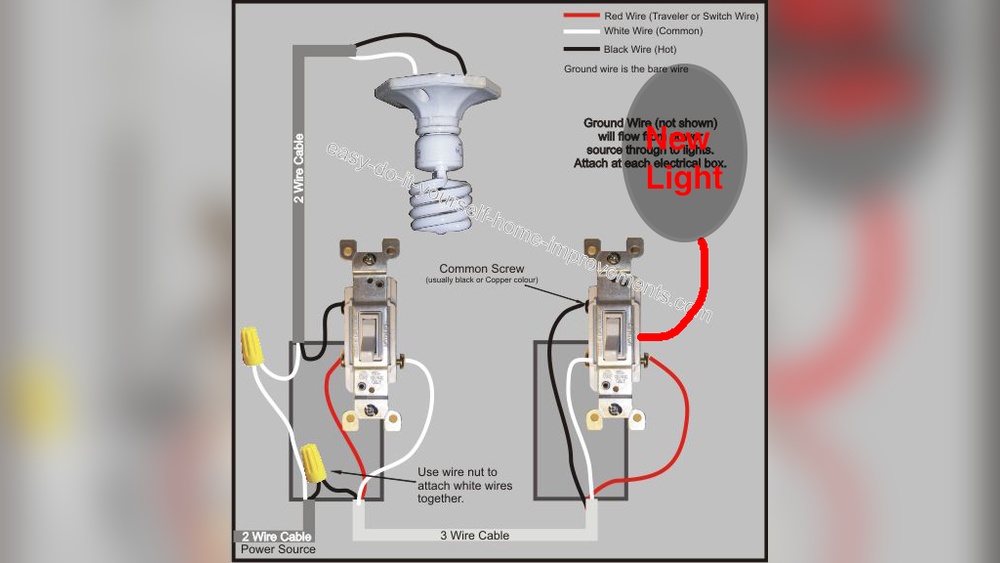
Have you ever wondered how to control two light switches using just one power source? Imagine turning on the lights from different spots in your room without any hassle.
It sounds complicated, but with the right steps, you can do it yourself safely and easily. You’ll learn simple, clear instructions that anyone can follow. By the end, you’ll have the confidence to connect two light switches and brighten your space exactly how you want.
Ready to make your home smarter and more convenient? Let’s get started!

Credit: diy.stackexchange.com
Tools And Materials Needed
Connecting two light switches from one power source requires specific tools and materials. These help ensure the job is safe and done correctly. Having the right items ready makes the process smoother.
Use only quality tools to avoid mistakes or accidents. The right materials also help the switches work well together. Below are the main tools and materials needed for this task.
Electrical Tester
An electrical tester checks if wires have power. It keeps you safe by showing live wires. Always test wires before touching them.
Wire Strippers
Wire strippers remove the insulation from wires. They help expose the metal inside without damage. Use the right size for your wire gauge.
Screwdrivers
Screwdrivers tighten or loosen screws on switches and outlets. A flathead and a Phillips screwdriver are usually needed. Choose ones with comfortable grips for better control.
Wire Nuts
Wire nuts connect wires securely. They prevent exposed wires from touching or shorting. Pick nuts that fit the wire size and number.
Electrical Tape
Electrical tape insulates wire connections. It adds extra safety and keeps wires in place. Wrap tape tightly around wire nuts and exposed wires.
Light Switches
Choose two compatible light switches for your setup. Single-pole switches often work for simple on/off control. Check ratings to match your power source.
Electrical Wire
Use electrical wire to connect switches and power source. Copper wires with the right gauge are common. Make sure the wire length fits your installation area.
Safety Precautions
Turn off the power before starting any wiring work. Use a voltage tester to ensure no electricity flows. Wear insulated gloves to avoid shocks.
Turn Off The Power
Always switch off the power at the circuit breaker before starting work. This step prevents electric shocks and injuries. Use a voltage tester to confirm no power flows to the wires. Never skip this crucial safety step.
Use Proper Tools And Equipment
Select insulated tools designed for electrical work. Avoid using damaged or worn-out tools. Wear rubber-soled shoes and use a non-conductive ladder for added safety. Proper equipment protects you from accidental shocks.
Understand Wiring Colors
Know the meaning of wire colors before connecting switches. Usually, black or red wires carry power, white wires are neutral, and green or bare wires are ground. Correct identification prevents wiring mistakes and hazards.
Follow Local Electrical Codes
Check your local electrical regulations before starting the project. Codes ensure safe and proper wiring practices. Following these rules helps avoid legal issues and keeps your home safe.
Wear Safety Gear
Use safety glasses to protect your eyes from sparks or debris. Gloves can help avoid cuts and minor shocks. Safety gear reduces the risk of injury while working with electrical components.
Types Of Light Switches
Understanding the types of light switches is important before connecting two switches to one power source. Different switches control lights in different ways. Choosing the right switch makes your wiring safe and efficient.
Two common types are the single-pole switch and the three-way switch. Each has a specific role in home lighting setups.
Single-pole Switch
A single-pole switch controls one light or set of lights from one location. It has two terminals and a simple on/off function. This switch is the most common type found in homes. It is easy to install and use. Single-pole switches are perfect for basic lighting needs.
Three-way Switch
A three-way switch allows control of one light from two different locations. It uses three terminals to connect with another switch. This setup is helpful for hallways or large rooms with two entrances. Wiring a three-way switch requires careful planning. It provides flexibility and convenience for controlling lights.
Wiring Basics
Wiring two light switches from one power source requires knowing some wiring basics. Understanding how wires work and where power comes from is key. This knowledge helps to connect switches safely and correctly.
Before starting, learn about the types of wires and how to find the power source. These steps make the job easier and safer.
Understanding Electrical Wires
Electrical wires come in different colors and types. Each wire has a special job in the circuit. The black or red wire usually carries power. This is called the “hot” wire. The white wire is the neutral wire. It completes the circuit by carrying current back. The green or bare wire is the ground wire. It protects you from electric shocks by directing electricity to the earth.
Knowing these wires helps you connect switches correctly. Mixing wires can cause short circuits or electric shocks. Always check wire colors and use a tester to confirm their function.
Power Source Identification
Finding the power source is important for wiring two switches. The power source is where electricity enters the switch box. It usually comes from the main electrical panel. The power source wire is often black and connects to the first switch.
Test the wires with a voltage tester to find the live wire. Turn off the main power before touching wires. Identifying the power source helps you plan the wiring path for both switches. This step prevents mistakes and keeps the circuit safe.
Step-by-step Wiring Process
Connecting two light switches from one power source requires careful wiring. This step-by-step process helps ensure safety and functionality. Follow each step closely to complete the connection properly.
Turning Off The Power
Begin by turning off the power at the circuit breaker. This prevents electric shock while working. Use a voltage tester to confirm the power is off. Never skip this safety step.
Connecting The First Switch
Identify the power source wires: live (hot), neutral, and ground. Connect the live wire to the first switch’s input terminal. Attach the ground wire to the switch’s grounding screw. Leave the neutral wire for later connection.
Wiring The Second Switch
Run a wire from the first switch’s output terminal to the second switch’s input terminal. Connect the ground wire to the second switch’s grounding screw. Join the neutral wires together with a wire nut inside the box.
Testing The Connection
Turn the power back on at the breaker. Test each switch by flipping it on and off. Both switches should control the light independently. If it does not work, turn off the power and recheck your wiring.

Credit: www.reddit.com
Common Mistakes To Avoid
Connecting two light switches from one power source can be tricky. Many make simple errors that cause frustration or even danger. Knowing common mistakes helps you avoid problems and save time. It also keeps the wiring safe and functional.
Incorrect Wiring Connections
One common mistake is mixing up wires. Each wire has a role: power, load, or ground. Connecting them wrong can cause the switches not to work or create a short circuit. Always label wires and double-check connections before turning on power.
Not Turning Off Power
Many skip turning off the breaker before starting work. This is very risky. Always switch off the power to the circuit. Use a tester to confirm no electricity flows through wires before touching them.
Using Wrong Wire Types
Using wires not meant for switch connections is a big error. Switch wiring needs specific wire gauge and insulation. Using wrong wires can cause overheating or failure. Check local codes and use the right wire types.
Ignoring Ground Wires
Ground wires protect against electrical shock. Some forget to connect them properly. Always connect the ground wires to the switches and metal boxes if used. This step is vital for safety.
Overcrowding The Electrical Box
Trying to fit too many wires or devices in one box causes problems. Overcrowding can damage wires or cause shorts. Use a box big enough for all wires and devices to fit comfortably.
Troubleshooting Tips
Troubleshooting is key when connecting two light switches from one power source. Small errors can stop the system from working. Finding and fixing problems saves time and keeps the work safe.
Check each step carefully. Follow safety rules and use the right tools. Here are some common issues and ways to solve them.
Check The Power Source
Make sure the power is off before working. Use a voltage tester to confirm no electricity flows. If power stays off, the circuit breaker might be tripped.
Reset the breaker and test again. Confirm that the power source matches your wiring plan.
Inspect The Wiring Connections
Loose wires cause switches to fail. Tighten all wire nuts and screws. Look for damaged or frayed wires.
Replace any worn wires to avoid shorts or sparks. Proper connections ensure smooth operation.
Test Each Switch Separately
Test each switch alone to find the issue. Flip one switch and see if the light changes.
If one switch does not work, it may be faulty or wired wrong. Replace or rewire the bad switch.
Look For Common Wiring Mistakes
Check if the traveler wires connect correctly between switches. Mixing them up stops the circuit from closing.
Ensure the neutral wire is not connected to the switch. Neutrals go to the light fixture only.
Use A Continuity Tester
A continuity tester checks if wires connect properly. Turn off power before testing.
Test traveler wires and switch terminals. No beep means a broken connection or wrong wire.
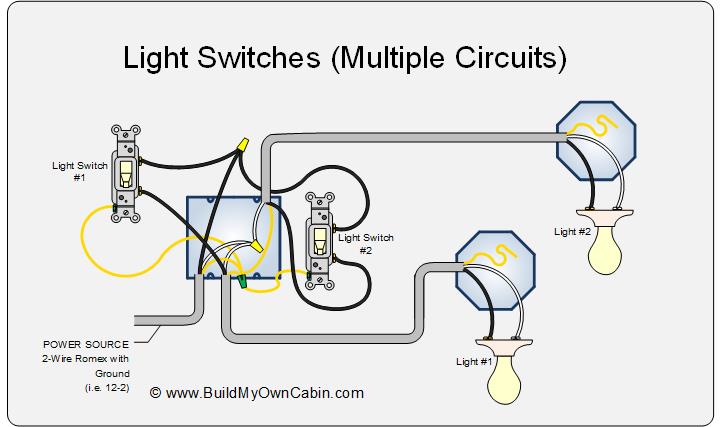
Credit: www.buildmyowncabin.com
When To Call A Professional
Connecting two light switches from one power source can be simple for some. Yet, certain situations need expert help. Knowing when to call a professional keeps your home safe and avoids costly mistakes.
Electricity can be dangerous. Wrong wiring may cause shocks or fires. A licensed electrician has the skills to handle complex wiring safely. They follow local codes and use proper tools.
Signs Of Complex Wiring Issues
Confusing or old wiring can cause problems. If wires look damaged or tangled, stop work. Professionals can identify hidden issues behind walls. They know how to fix complex circuits correctly.
Unfamiliar With Electrical Codes
Each area has rules for wiring and safety. A professional knows these rules well. They ensure your switches meet code requirements. This helps avoid fines and future hazards.
Feeling Unsure Or Unsafe
Trust your instincts. If you feel unsure, call an expert. Working with electricity requires care and knowledge. A pro can finish the job safely and quickly.
Need For Reliable And Lasting Work
Good wiring lasts many years without problems. Professionals use quality materials and methods. Their work reduces chances of switch failures or electrical faults.
Frequently Asked Questions
How Do I Wire Two Switches From One Power Source?
To wire two switches from one power source, use a single power cable feeding both switches. Connect the hot wire to the switches and run separate wires from each switch to their respective lights. Ensure proper grounding and follow electrical codes for safety.
Can I Control One Light With Two Switches?
Yes, you can control one light with two switches using a three-way switch setup. This requires two three-way switches and traveler wires connecting them. This configuration allows you to turn the light on or off from two different locations.
What Tools Are Needed To Connect Two Switches?
Essential tools include a voltage tester, wire strippers, screwdrivers, electrical tape, and wire nuts. These help safely cut, strip, and connect wires during installation. Always turn off power before starting electrical work for safety.
Is It Safe To Connect Two Switches To One Power Source?
Yes, it is safe if done correctly by following electrical codes. Ensure proper wire gauge, secure connections, and use appropriate switches. Always turn off power before working and consider consulting a licensed electrician for complex setups.
Conclusion
Connecting two light switches from one power source is simple with the right steps. Always turn off the power before starting. Use clear wiring and follow safety rules. Test the switches after wiring to ensure they work well. Taking time to do it right saves future problems.
Now, you can control your lights from two places easily. This setup adds comfort and convenience to any room. Keep your tools ready and work carefully for the best results.