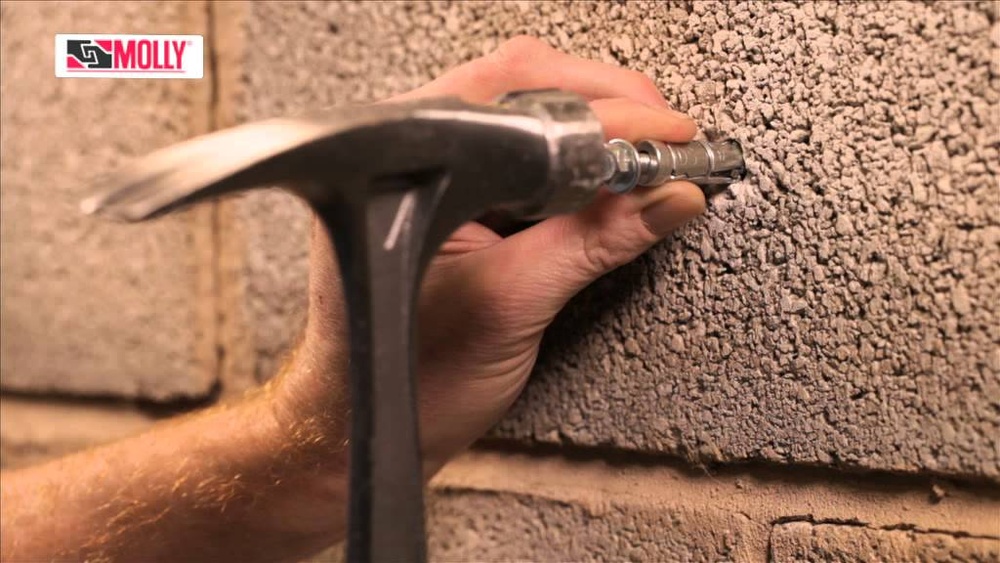
If you need to secure heavy items to a brick wall, knowing how to install anchor bolts correctly is essential. You might feel unsure about the process or worry about damaging your wall.
Don’t worry—this guide will walk you through simple, clear steps to help you install anchor bolts safely and firmly. By the end, you’ll have the confidence to handle this task yourself and ensure your fixtures stay put for years to come.
Ready to get started? Let’s dive in!

Credit: www.mezzaninesonline.com
Tools And Materials Needed
Installing anchor bolts in a brick wall requires the right tools and materials. Using proper items makes the job easier and safer. Choosing the correct anchor bolts ensures strong, lasting support. Preparing tools ahead saves time and avoids interruptions.
Types Of Anchor Bolts
There are several types of anchor bolts for brick walls. Sleeve anchors expand inside the hole for a tight grip. Wedge anchors work well in solid brick or concrete. Drop-in anchors sit flush with the surface. Choose based on the weight and wall condition.
Required Tools
You need a hammer drill with a masonry bit to drill holes. A wrench or socket set helps tighten the bolts securely. A measuring tape ensures precise placement of anchors. A pencil or marker is useful to mark drilling spots. A vacuum cleaner or brush cleans out dust from holes.
Safety Gear
Wear safety goggles to protect your eyes from dust and debris. Use gloves to protect your hands during drilling and handling bolts. Ear protection helps reduce noise from the hammer drill. A dust mask keeps you safe from inhaling brick dust. Proper safety gear prevents injuries and keeps you comfortable.
Preparing The Brick Wall
Preparing the brick wall is the first step before installing anchor bolts. This step ensures a strong and secure hold. Proper preparation helps avoid mistakes and saves time. Focus on three key tasks: choosing the right location, marking drill points, and cleaning the surface.
Choosing The Right Location
Select a spot on the brick wall that is solid and free of cracks. Avoid mortar joints because they are weaker than bricks. Check for any pipes or wires inside the wall to prevent damage. The location should support the weight and stress of the anchored object.
Marking Drill Points
Use a pencil or chalk to mark exact drill points on the brick surface. Measure carefully to keep marks level and evenly spaced. Double-check the placement before drilling. Clear marks help drill holes in the right spots and improve accuracy.
Cleaning The Surface
Remove dust, dirt, and loose debris from the marked area. Use a brush or vacuum cleaner to clean the surface thoroughly. A clean surface ensures the anchor bolts fit tightly and hold better. Avoid wetting the brick as it may weaken the installation.
Drilling Holes In Brick
Drilling holes in brick walls is a key step for installing anchor bolts. This task needs care to avoid damage to the brick and ensure a strong hold. Using the right tools and methods helps create clean, accurate holes. It also makes the installation process smoother and safer.
Selecting The Drill Bit
Choose a masonry drill bit for brick walls. These bits have a special tip to cut through hard surfaces. Pick a bit size that matches your anchor bolt diameter. This ensures a tight fit and strong anchor. Using the wrong bit can cause cracks or loose anchors.
Drilling Techniques
Start by marking the hole location with a pencil. Hold the drill steady and perpendicular to the wall. Use slow, steady pressure while drilling. Let the drill do the work. Avoid pushing too hard, which can break the brick. Drill in short bursts to clear dust from the hole.
Avoiding Common Mistakes
Do not drill near brick edges to prevent cracking. Avoid using a drill bit that is too large or small. Do not rush or force the drill through the brick. Always wear safety glasses to protect your eyes. Clean the hole before inserting the anchor bolt. These steps help ensure a secure and lasting installation.

Credit: www.gobrick.com
Installing The Anchor Bolts
Installing anchor bolts in a brick wall requires careful attention to detail. Proper installation ensures strong support for your structure. This section explains how to install the bolts step-by-step.
Inserting The Bolt
Start by drilling a hole in the brick using the correct drill bit size. The hole should be deep enough to fit the entire bolt. Clean the hole to remove dust and debris. Insert the anchor bolt gently into the hole. Make sure the bolt is straight and fits well inside the hole.
Securing With Epoxy Or Adhesive
Use epoxy or a strong adhesive to hold the bolt in place. Apply the epoxy inside the hole before inserting the bolt. This creates a strong bond between the bolt and the brick. Avoid using too much epoxy to prevent overflow. Epoxy helps the bolt resist pull-out forces.
Setting The Bolt Firmly
Press the bolt firmly into the hole after applying epoxy. Hold the bolt steady until the epoxy sets slightly. Check the bolt’s alignment once more before the adhesive hardens. Wipe off any excess epoxy around the hole. Allow the epoxy to cure fully before applying any load.
Testing The Installation
Testing the installation of anchor bolts in a brick wall is a key step. It ensures the bolts hold firmly and safely. Without this check, the anchor might fail under pressure. This can cause damage or accidents. Testing is quick but vital for a strong hold.
Checking Stability
Start by gently pulling or pushing the installed anchor bolt. Use your hand or a small tool. The bolt should not move or wiggle. If it feels loose, the hold is weak. Check the surrounding brick and mortar for cracks or damage. A stable anchor bolt stays firm and steady.
Adjusting If Needed
If the anchor bolt feels loose, do not ignore it. Remove the bolt carefully from the hole. Clean out any dust or debris inside the hole. Reapply the correct adhesive or mortar mix. Insert the anchor bolt again and let it dry fully. Test the stability again after drying. Repeat these steps until the bolt stays firm.
Maintenance Tips For Anchor Bolts
Maintaining anchor bolts in a brick wall is important to keep the structure safe. Proper care helps avoid damage and extends the bolt’s life. Simple steps can prevent costly repairs and ensure stability.
Regular Inspections
Check anchor bolts often for signs of wear or damage. Look for cracks, rust, or loose bolts. Tighten any loose bolts carefully without overdoing it. Early detection stops small problems from growing bigger.
Preventing Corrosion
Corrosion weakens anchor bolts and can cause failure. Apply a protective coating to metal parts to stop rust. Keep the area dry and clean from dirt and moisture. Use bolts made from corrosion-resistant materials for longer life.

Credit: www.youtube.com
Frequently Asked Questions
What Tools Do I Need To Install Anchor Bolts In Brick Walls?
You need a hammer drill, masonry drill bits, anchor bolts, a wrench, and a vacuum. These tools ensure precise drilling and secure installation.
How Deep Should I Drill Holes For Anchor Bolts?
Drill holes at least 1. 5 times the anchor bolt length. This depth ensures strong holding power and prevents wall damage.
Can I Install Anchor Bolts In Old Or Damaged Bricks?
Avoid installing anchor bolts in cracked or crumbling bricks. Use mortar joints or replace damaged bricks for safe, effective anchoring.
How Do I Ensure Anchor Bolts Are Securely Fastened?
Tighten bolts firmly using a wrench until snug. Avoid over-tightening to prevent brick damage and maintain bolt strength.
Conclusion
Installing anchor bolts in a brick wall takes some care and the right steps. Drill holes carefully and choose bolts that fit well. Tighten bolts firmly to keep things secure. Check your work to avoid future problems. This guide helps you do the job safely and correctly.
With patience, your anchor bolts will hold strong for a long time. Simple steps lead to solid results. Ready to build with confidence?
