If you’re building or repairing a roof, knowing how to anchor roof trusses to a block wall is crucial. This step ensures your roof stays strong and safe through wind, rain, and time.
But it can feel tricky if you’re not sure where to start. Don’t worry—this guide will walk you through simple, clear steps you can follow right now. By the end, you’ll have the confidence to secure your roof properly and protect your home.
Ready to learn the best way to get it done? Keep reading.
Choosing The Right Materials
Choosing the right materials is key to securing roof trusses to a block wall. The materials must fit the structure and hold strong against weather and weight. Using the right anchors and fasteners keeps the roof safe and stable.
Types Of Roof Trusses
Roof trusses come in many types. Common types include king post, queen post, and scissors trusses. Each type has a different shape and weight. Knowing the type helps decide the right anchoring method. Some trusses need more support at key points.
Selecting Anchor Bolts
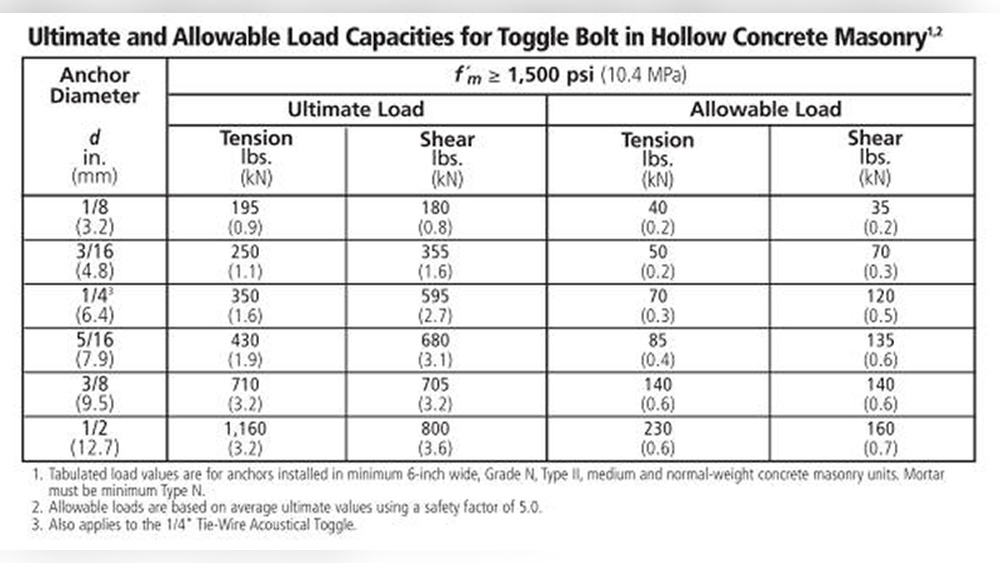
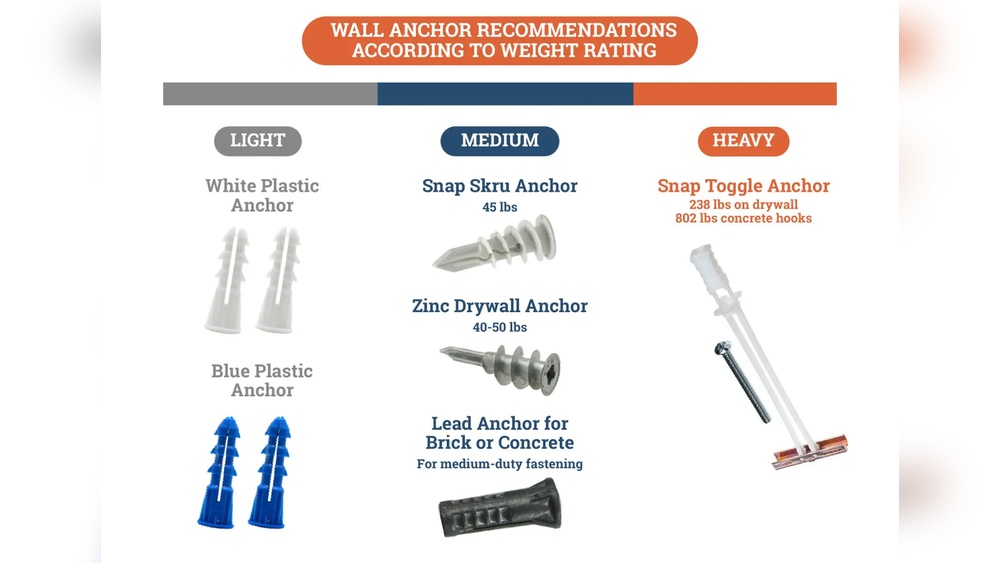
Anchor bolts hold the trusses firmly to the block wall. Choose bolts made of strong, rust-resistant steel. Expansion bolts and wedge anchors work well with block walls. The bolt length should be enough to reach deep into the wall. This ensures a tight grip and better load support.
Recommended Fasteners And Connectors
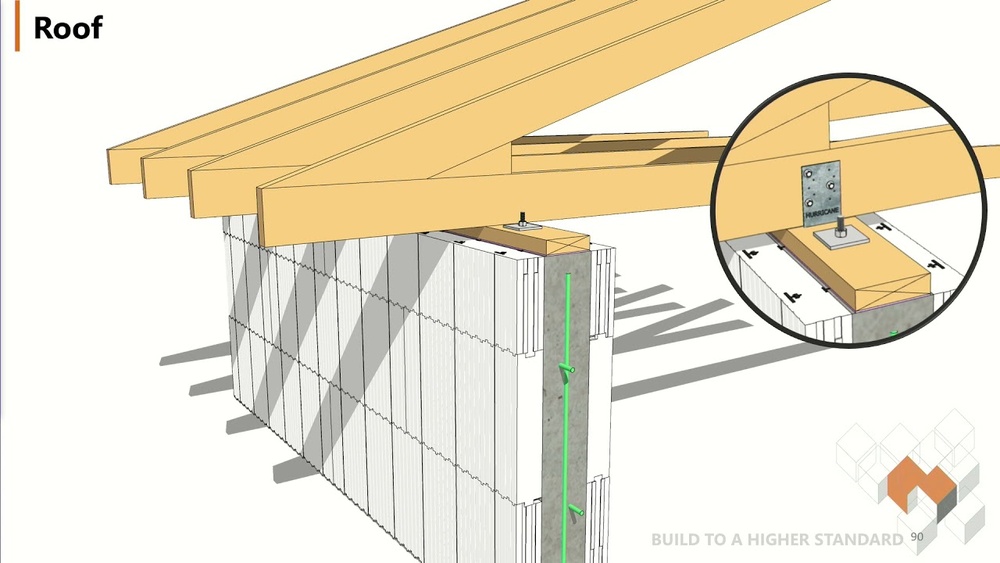
Fasteners like screws and nails must be corrosion-resistant. Galvanized or stainless steel fasteners last longer outdoors. Metal connectors, such as hurricane ties and truss clips, add extra strength. They link the trusses securely to the wall and prevent movement. Use fasteners sized to match the truss and wall materials.
Preparing The Block Wall
Preparing the block wall is a key step before anchoring roof trusses. It ensures the wall can hold the weight and stress from the trusses. This step helps avoid future damage and keeps the structure safe.
Proper preparation makes the anchoring process smoother. It involves checking the wall’s strength and marking exact anchor points. Also, drilling clean and precise holes is important for strong attachment.
Inspecting Wall Condition
Check the block wall for cracks or loose blocks. Small cracks can turn into big problems later. Make sure the wall is dry and free from dust or debris. A solid wall holds anchors better and lasts longer.
Marking Anchor Points
Use a measuring tape to find where anchors will go. Mark these spots clearly with a pencil or chalk. Keep marks evenly spaced for balanced support. Accurate marking saves time and effort during drilling.
Drilling Accurate Holes
Choose the right drill bit size for anchor bolts. Drill straight holes to the correct depth. Clean out dust from holes with a brush or blower. Proper holes help anchors fit tightly and hold strong.
Positioning The Roof Trusses
Positioning roof trusses correctly is key to a strong and safe roof structure. Proper placement ensures even weight distribution and prevents future problems. It also makes the anchoring process easier and more secure.
Aligning Trusses Correctly
Start by measuring the block wall length carefully. Mark each truss location with a pencil or chalk line. Place the first truss exactly at the marked spot. Use a level to check vertical and horizontal alignment. Make sure each truss stands straight and does not lean. Space the trusses evenly according to the building plan. Double-check measurements before fastening anything permanently.
Temporary Support Techniques
Use temporary braces to hold trusses in place while working. Nail or clamp temporary supports to the wall and trusses. These supports prevent shifting or falling during installation. Make sure braces are strong enough to hold the weight. Remove the temporary supports only after the trusses are securely anchored. This step keeps the roof structure stable and workers safe.
Securing Trusses To The Wall
Securing roof trusses to a block wall is a crucial step in building a strong roof structure. Proper attachment prevents movement during strong winds and heavy loads. It also helps keep the roof stable and safe over time.
Different methods exist to secure trusses firmly. Each method focuses on creating a solid connection between the wood and the block wall. This section explains the key steps to make this connection effective and reliable.
Installing Anchor Bolts
Anchor bolts hold the trusses tightly to the block wall. First, drill holes in the block wall at the correct points. Insert the anchor bolts into these holes and secure them with a strong adhesive or grout.
Attach the truss bottom plate to the bolts using washers and nuts. Tighten them well to avoid any movement. Anchor bolts offer a strong mechanical hold and prevent uplift.
Using Metal Connectors
Metal connectors add extra strength to the truss-to-wall joint. These connectors come in various shapes like straps and clips. Attach metal connectors to the truss and the block wall using screws or nails designed for masonry.
They distribute forces evenly and reduce stress on the wood. Metal connectors improve the overall durability of the roof structure.
Ensuring Structural Stability
Check all connections for tightness and correct placement. Use a level to keep the trusses aligned and straight. Make sure the anchor bolts and metal connectors are secure and free from rust.
Properly secured trusses resist wind uplift and heavy snow loads. Structural stability depends on consistent and careful fastening of all components. Regularly inspect the connections during construction to maintain safety.
Safety Measures During Installation
Installing roof trusses on a block wall requires strict safety measures. Protecting yourself and others during this task reduces accidents and injuries. Following safety rules ensures a smooth and secure installation process.
Protective Gear Recommendations
Wear a hard hat to protect your head from falling objects. Use safety glasses to shield your eyes from dust and debris. Gloves help prevent cuts and splinters on your hands. Steel-toed boots protect your feet from heavy materials. Use ear protection if using loud power tools nearby. Dress in long sleeves and pants to avoid scratches.
Handling Heavy Materials Safely
Lift with your legs, not your back, to avoid injury. Use more than one person to carry large trusses. Take small steps and move slowly to keep balance. Use proper tools like dollies or forklifts if available. Clear the work area of obstacles before moving materials. Communicate clearly with helpers to coordinate lifting and placing.
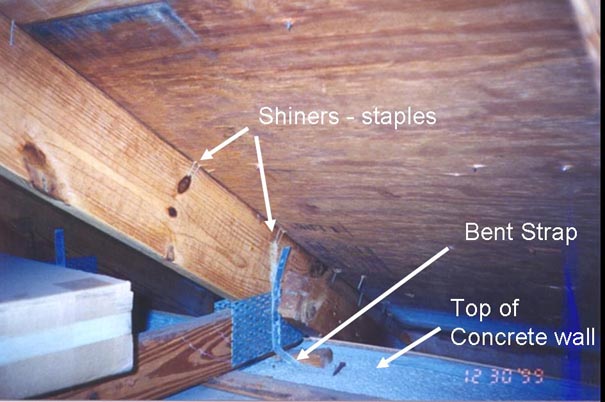
Credit: apps.floridadisaster.org
Common Mistakes To Avoid
Anchoring roof trusses to a block wall requires care and attention. Mistakes can weaken the structure and cause future problems. Avoiding common errors saves time, money, and effort. Here are some frequent mistakes to watch out for.
Improper Fastener Selection
Choosing the wrong fasteners can cause instability. Use fasteners made for masonry and wood. Nails and screws not designed for block walls may loosen. This leads to unsafe connections and roof damage. Always pick anchors that match the wall material and truss weight.
Inaccurate Measurements
Measure twice, cut once. Incorrect measurements cause gaps or misalignment. A poor fit can reduce the roof’s strength. Check distances between truss points and wall anchors carefully. Mark spots clearly before drilling or nailing. Precise measurements ensure a tight, secure fit.
Ignoring Building Codes
Building codes exist for safety and durability. Skipping code requirements risks fines and unsafe structures. Follow local guidelines for anchor types and spacing. Codes also specify load limits and installation methods. Compliance protects your home and meets legal standards.
Maintenance And Inspection Tips
Proper maintenance and inspection of roof truss anchors keep your structure safe and strong. Regular checks catch small problems early. This helps avoid costly repairs later. A routine inspection plan ensures the anchors hold firmly to the block wall. It also extends the life of your roof system.
Regular Anchor Checks
Check the anchors every few months. Look closely at the bolts, straps, and plates. Ensure they are tight and not rusted. Use a wrench to test the bolts. Tighten any loose parts. Replace any rusted or broken anchors right away.
Keep records of your checks. Note any changes or repairs made. This helps track the anchor’s condition over time. Regular inspections prevent accidents and damage during storms or strong winds.
Signs Of Wear Or Damage
Look for cracks in the block wall near the anchors. Cracks may show the wall is weakening. Check for rust on metal parts. Rust weakens the anchor’s strength. Look for bent or twisted straps and plates. These can mean the anchor was stressed.
Pay attention to loose or missing bolts. Gaps between the anchor and wall also indicate problems. If you see any signs of damage, act quickly. Replace or repair the damaged parts to keep the roof secure.

Credit: www.youtube.com
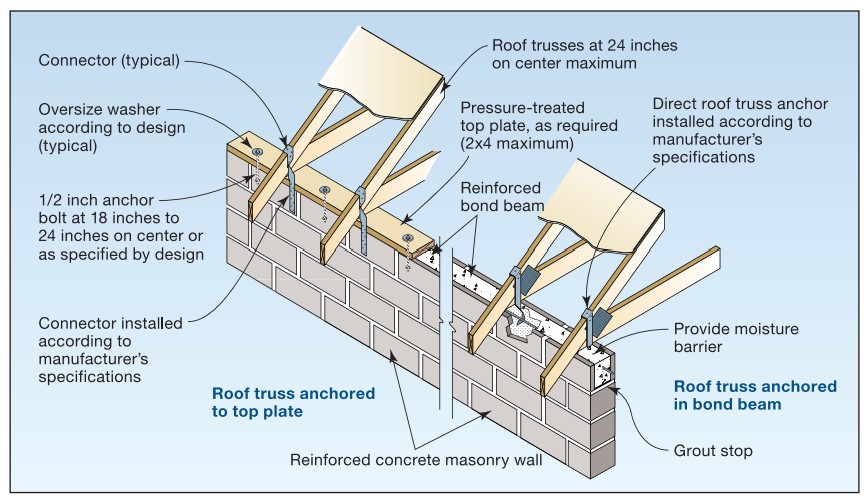
Credit: basc.pnnl.gov
Frequently Asked Questions
How Do You Secure Roof Trusses To A Block Wall?
Roof trusses attach to block walls using metal straps or anchor bolts. These fasteners ensure stability and resist wind uplift. Proper alignment and anchoring prevent structural damage and maintain roof integrity.
What Materials Are Needed To Anchor Roof Trusses?
You need metal hurricane ties, anchor bolts, washers, and screws. A drill and wrench are essential for installation. Quality materials enhance the durability and safety of the roof structure.
Can I Anchor Roof Trusses Without Professional Help?
Yes, if you have basic carpentry skills and tools. Follow manufacturer guidelines and local building codes carefully. Incorrect installation can lead to structural failure, so consider professional advice if unsure.
Why Is Anchoring Roof Trusses To Block Walls Important?
Anchoring prevents roof uplift during storms and heavy winds. It secures the roof structure to the foundation. This reduces damage risk and enhances building safety and longevity.
Conclusion
Anchoring roof trusses to a block wall keeps your structure strong and safe. Use the right tools and follow each step carefully. Secure connections prevent damage from wind or heavy loads. Always double-check your work for stability. Proper anchoring helps your roof last longer.
Take your time to do it right. This simple process protects your home and peace of mind.