Struggling to hang shelves, pictures, or heavy items securely on your wall? You’re not alone.
If screws don’t hold properly, your hard work can quickly turn into frustration and damage. But what if you knew the simple secret to making your screws stay put every time? This guide will show you exactly how to anchor screws in your wall the right way.
By the end, you’ll have the confidence and skills to tackle any wall-hanging project without fear of failure. Ready to get started? Let’s dive in!

Credit: www.concretefasteners.com
Choosing The Right Anchor
Choosing the right anchor is key to a strong hold in your wall. The wrong anchor can cause your screw to slip or the item to fall. Different walls and weights need different anchors. Picking the right one helps keep things safe and secure.
Types Of Wall Anchors
There are several types of anchors. Plastic expansion anchors fit light loads and drywall. Toggle bolts work well for hollow walls and heavier items. Molly bolts expand behind the wall for a firm grip. Threaded anchors screw directly into drywall for medium weight.
Matching Anchors To Wall Material
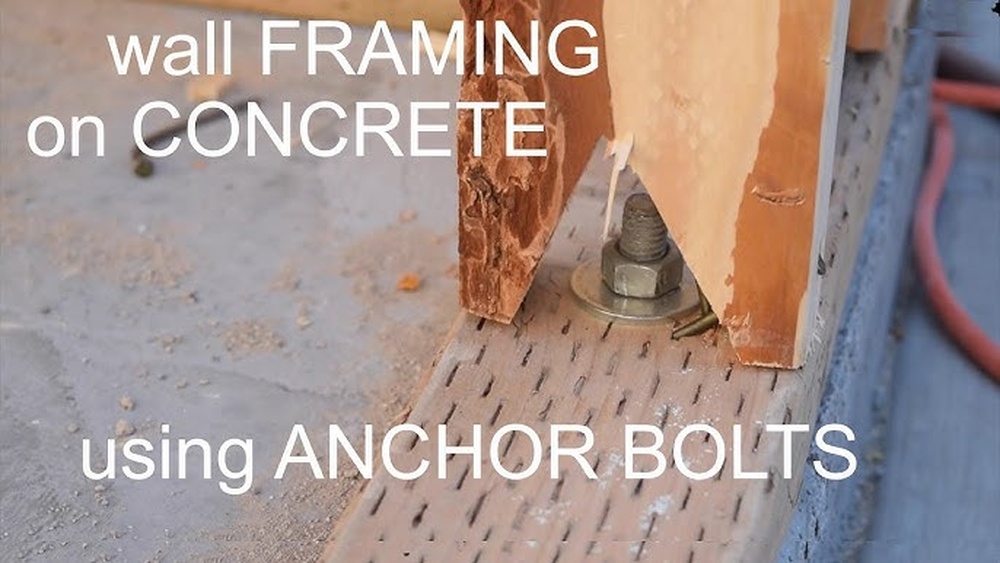
Wall types need specific anchors. Drywall needs plastic or threaded anchors. For concrete or brick, use sleeve or wedge anchors. Hollow walls require toggle bolts or molly bolts. Match the anchor to your wall for best strength.
Weight Capacity Considerations
Each anchor has a weight limit. Check the package for load ratings. Use stronger anchors for heavy shelves or mirrors. For light items, smaller anchors work fine. Always choose an anchor that can hold more than the item’s weight.
Tools You’ll Need
Anchoring screws in a wall requires the right tools. Having these tools ready makes the job easier and safer. This section covers the essential tools you need for a strong anchor.
Drill And Drill Bits
A drill is crucial for making holes in the wall. Choose a drill with variable speed for better control. Use drill bits that match the size of your wall anchors. Different walls need different drill bits. For example, use masonry bits for brick walls.
Screwdriver Options
A screwdriver helps insert screws into anchors. You can use a manual screwdriver or a power screwdriver. Power screwdrivers save time and effort. Make sure the screwdriver tip fits the screw head. Common types include Phillips and flathead.
Additional Supplies
Besides drills and screwdrivers, gather other supplies. Wall anchors come in plastic, metal, or toggle types. Choose anchors suitable for your wall material. A tape measure and pencil help mark drill spots. Safety glasses protect your eyes from dust and debris.
Preparing The Wall
Preparing the wall is the first step to anchor screws safely and firmly. This process makes sure the screw holds tight and the wall stays undamaged. Taking time to prepare helps avoid problems later.
Locating Studs And Marking Spots
Find the wooden studs behind the drywall. Studs give strong support for heavy items. Use a stud finder or tap the wall softly to hear solid spots. Mark the spots clearly with a pencil. Marking helps you drill in the right place.
Cleaning The Surface
Remove dust, dirt, and grease from the wall. Use a dry cloth or a damp rag to clean the area. A clean surface ensures better grip for anchors and screws. It also prevents slipping during drilling.
Drilling Pilot Holes
Drill small pilot holes at the marked spots. Use a drill bit smaller than the anchor or screw. Pilot holes guide screws and reduce the chance of wall damage. Drill straight and steady for best results.

Credit: www.tannerbolt.com
Installing Different Anchors
Installing anchors in a wall helps secure screws firmly. Different anchors fit different wall types and weights. Choosing the right anchor ensures your items stay safe and stable. Below are common anchors and how to install them.
Plastic Expansion Anchors
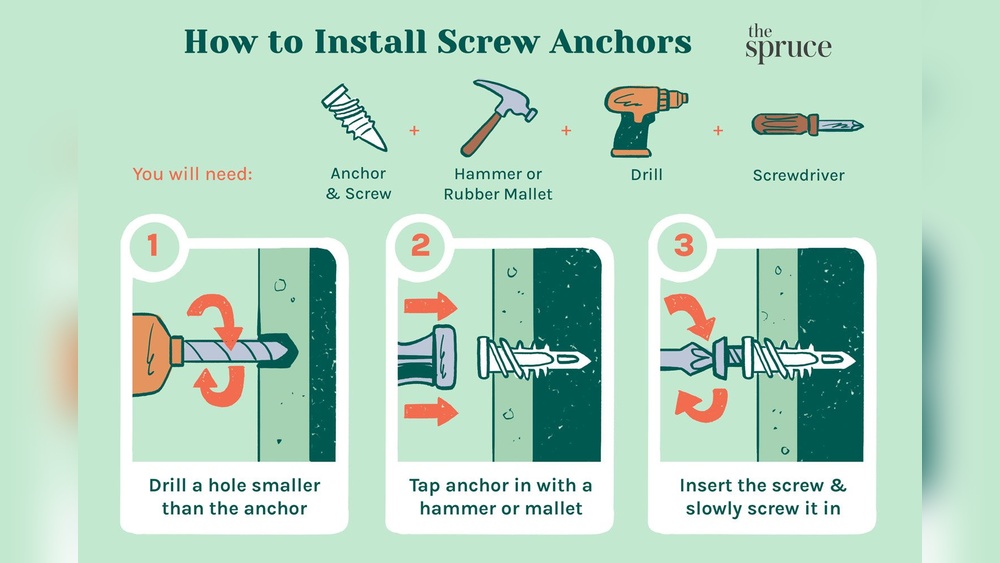
Plastic expansion anchors work well in drywall and plaster. First, drill a hole matching the anchor size. Insert the anchor into the hole until it is flush with the wall. Then, drive the screw into the anchor. The anchor expands, gripping the wall tightly.
Toggle Bolts
Toggle bolts are strong and good for hollow walls. Drill a hole slightly bigger than the folded toggle. Push the toggle through the hole. It opens behind the wall, creating a firm hold. Tighten the screw to lock the toggle in place.
Molly Bolts
Molly bolts offer strong support in drywall and plaster. Drill a hole for the molly bolt size. Insert the bolt and tap it gently until flush. Tighten the screw to spread the anchor behind the wall. This holds heavy objects securely.
Self-drilling Anchors
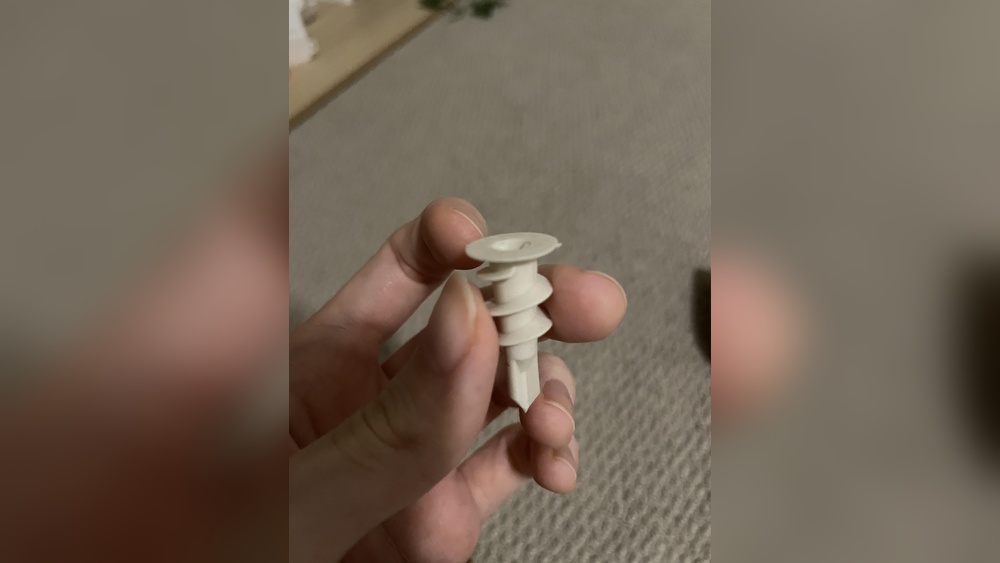
Self-drilling anchors do not need pre-drilling. Twist the anchor directly into drywall with a screwdriver. Push the screw into the anchor once it is secure. These anchors save time and work well for light to medium loads.
Inserting And Tightening Screws
Inserting and tightening screws is a key step in anchoring screws in a wall. This process ensures the screw holds firmly and the item stays secure. Taking care during this step prevents damage to the wall and provides a strong hold.
Aligning Screws Correctly
Place the screw straight into the anchor hole. Keep the screw perpendicular to the wall surface. This helps the screw enter smoothly and grip the anchor tightly. Avoid angling the screw, as it weakens the hold.
Avoiding Over-tightening
Turn the screw slowly and stop when it feels tight. Over-tightening can strip the anchor or break the wall. Use a screwdriver or drill with low speed for better control. A snug fit is enough to hold the screw firmly.
Checking For Stability
After tightening, gently wiggle the screw. It should not move or feel loose. Test the mounted item for firmness. Secure screws keep objects safe and prevent accidents.
Tips For A Strong Hold
Securing screws in a wall needs care to keep things sturdy. Strong holds prevent accidents and keep your items safe. Follow easy tips to make sure screws stay tight and hold well.
Choosing The Right Screw Size
Select screws that match the wall anchor size. Too small screws can slip out easily. Too large screws can damage the wall or anchor. Check the packaging for size guides. Use screws that fit snugly inside the anchor for best grip.
Using Multiple Anchors
For heavy items, use more than one anchor. Spread anchors evenly to share the weight. This lowers stress on each screw and wall spot. Multiple anchors improve balance and strength. It stops screws from pulling out over time.
Regular Inspection And Maintenance
Check screws and anchors often for looseness. Tighten any loose screws to keep the hold firm. Look for cracks or damage in the wall around anchors. Replace damaged anchors quickly to avoid falls. Regular care extends the life of your hold.

Credit: alliedboltinc.com
Frequently Asked Questions
What Types Of Wall Anchors Are Best For Heavy Screws?
Heavy screws require strong anchors like toggle bolts or molly bolts. These anchors expand behind the wall, offering maximum support and preventing pull-out. Choose the anchor based on the wall material and weight load for optimal results.
How Do I Choose The Right Anchor For Drywall?
For drywall, use plastic expansion anchors or self-drilling drywall anchors. These provide good grip without damaging the wall. Consider the screw size and weight of the item to ensure the anchor holds securely.
Can I Anchor Screws Directly Into Plaster Walls?
Yes, but plaster walls need special anchors like toggle bolts or molly bolts. These distribute weight evenly and prevent cracks. Always drill a pilot hole to avoid damaging the plaster when inserting anchors.
What Size Drill Bit Should I Use For Wall Anchors?
Use a drill bit that matches the anchor’s diameter exactly. This ensures a snug fit and prevents the anchor from spinning or falling out. Check the anchor packaging for the recommended drill bit size.
Conclusion
Anchoring screws in a wall is simple with the right steps. Choose the correct anchor type for your wall material. Drill a hole that fits the anchor snugly. Insert the anchor and then screw in carefully. This method keeps items secure and walls damage-free.
Practice makes the process easier each time. Use these tips to hang shelves, pictures, or mirrors safely. Trust your skills and handle tools with care. Small efforts lead to strong, stable results every time.