Are you tired of that stubborn wall hook ruining the look of your perfectly painted walls? Removing wall hooks might seem simple, but if done the wrong way, it can leave ugly holes, scratches, or even damage your wall.
You want a clean, smooth finish without the hassle or extra repair work. In this guide, you’ll discover easy and effective steps to remove any wall hook safely. Keep reading, and you’ll learn how to make your walls look like new again—quickly and without frustration.
Types Of Wall Hooks
Wall hooks come in several types. Each type has a different way to attach to walls. Knowing these types helps in removing them safely. It also helps to avoid damage to your walls.
Adhesive Hooks
Adhesive hooks stick directly to the wall. They use a sticky pad or glue. These hooks are easy to install and remove. They work best on smooth, clean surfaces. They do not need nails or screws. Removing them slowly helps avoid wall marks.
Nail And Screw Hooks
These hooks are fixed with nails or screws. They are strong and hold heavy items. Removing them needs a hammer or screwdriver. Pulling them out carefully reduces wall damage. Small holes may remain after removal.
Command Strips
Command strips use a special adhesive. They hold hooks firmly without nails. These strips come with a tab for easy removal. Pull the tab down slowly to remove the hook. They leave little to no marks on walls.
Tools Needed For Removal
Removing a wall hook requires the right tools. Using proper tools makes the job easier and prevents damage to your wall. Some tools are common in most homes. Others are designed specifically for hook removal. Knowing which tools to use can save time and effort.
Basic Household Tools
You can remove many wall hooks with simple household tools. A flathead screwdriver helps pry hooks from the wall. Needle-nose pliers grip small hooks tightly. A putty knife slides under the hook’s base to loosen it. A utility knife cuts around the hook’s edges to reduce wall damage. These tools are easy to find and use for most hooks.
Specialized Removal Tools
Some hooks need special tools to remove them safely. A hook removal tool is designed to pull hooks out without leaving marks. A wall anchor remover works for hooks with plastic anchors. These tools reduce the risk of holes or wall damage. They are useful for more stubborn or larger hooks. Specialized tools make the removal cleaner and faster.
Removing Adhesive Hooks
Removing adhesive hooks from walls requires care to avoid damage. These hooks stick firmly but can be taken off with the right method. Patience and gentle handling are key to a clean removal.
Loosening The Adhesive
Start by softening the glue behind the hook. Use warm water on a cloth and press it gently on the adhesive. This helps weaken the bond between the hook and the wall.
Another option is to use a hairdryer on low heat. Aim the warm air at the hook’s base for about 30 seconds. The heat makes the adhesive easier to peel off.
Peeling Off Gently
Hold the hook’s base and pull the adhesive strip slowly. Stretch it parallel to the wall surface for less damage. Avoid pulling upwards or too fast.
If the adhesive resists, repeat the warming step. Keep peeling gently until the hook comes off cleanly. This protects your wall from paint peeling or marks.

Credit: www.youtube.com
Removing Nail And Screw Hooks
Removing nail and screw hooks from walls requires care. Doing it wrong can damage your wall. Use the right tools and methods. This section covers two common types of hooks and how to remove them safely. Follow the steps for smooth removal and less wall damage.
Unscrewing Hooks
Start by holding the hook firmly. Use a screwdriver that fits the screw head. Turn the screwdriver counterclockwise. Keep turning until the screw comes out completely. Pull the hook away gently. Avoid forcing it to stop wall damage. If the screw feels stuck, apply a little oil and wait. This helps loosen it.
Pulling Out Nails Safely
Use a claw hammer or pliers for nails. Place the tool’s claw around the nail head. Pull the nail back slowly and steadily. Don’t yank or twist hard. This can tear the wall surface. If the nail is deep, tap it gently with a hammer. This loosens it before pulling. After removal, fill the hole with spackling paste.
Handling Command Strips
Removing wall hooks attached with Command strips requires care. These strips use strong adhesive that holds hooks firmly. Pulling or yanking the strip can damage your wall or paint. Proper handling helps remove hooks cleanly without leaving marks. Follow these steps for safe removal.
Stretching The Strip
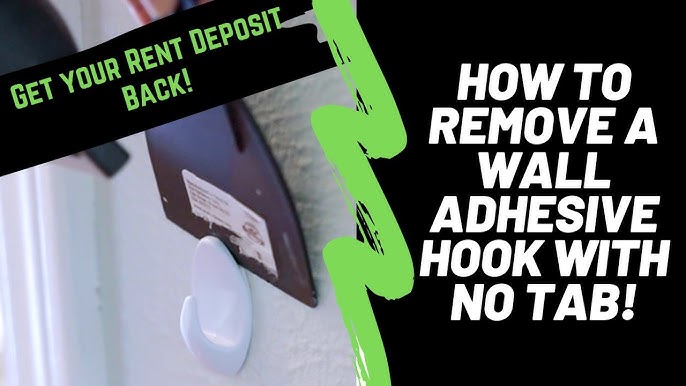
Hold the base of the strip near the wall. Slowly pull the strip straight down, stretching it along the wall surface. Keep pulling the strip low and slow. Stretching releases the adhesive bond without pulling paint off. Do not pull the strip outward or toward you. Keep the strip flat and stretched until it comes off.
Avoiding Wall Damage
Do not use force or sharp tools to pry the strip. Avoid pulling the strip sideways or at an angle. Keep your hands steady and pull gently. If the strip breaks, try to find the loose end again. Warm the strip with a hairdryer if it feels stuck. This softens the glue and makes removal easier. Proper technique helps keep your walls clean and smooth.
Credit: www.youtube.com
Fixing Minor Wall Damage
Removing a wall hook often leaves small holes or marks. Fixing minor wall damage is easy and quick. You can restore your wall to look smooth and clean. Just follow a few simple steps.
Filling Small Holes
Start by cleaning the hole area. Remove any loose paint or debris. Use a putty knife to apply spackling paste into the hole. Press the paste firmly to fill the space fully. Smooth out the surface with the knife. Let it dry as per the instructions on the product. Small holes usually dry fast, in 30 minutes to an hour.
Sanding And Painting
Once the filler is dry, sand the area gently. Use fine-grit sandpaper to create a smooth surface. Wipe off dust with a damp cloth. Choose paint that matches your wall color. Apply a thin coat over the repaired spot. Allow the paint to dry completely. Apply a second coat if needed for full coverage. Your wall will look like new again.
Tips To Prevent Damage
Removing wall hooks without causing damage is easier with the right steps. Protect your walls by choosing hooks carefully and installing them properly. These tips help keep your walls smooth and clean.
Small efforts before hanging hooks can save you time and repair work later. Follow simple advice to avoid holes, marks, or peeling paint.
Choosing The Right Hook
Pick hooks based on your wall type. Light hooks suit drywall or plaster. Heavy hooks work best on wood or studs. Use adhesive hooks for renters or smooth surfaces. Avoid strong nails or screws on fragile walls. Match the hook size to the item’s weight. This prevents extra pressure on your wall.
Proper Installation Techniques
Clean the wall area before applying hooks. This helps hooks stick better. Measure and mark spots to keep hooks straight. Use a level tool for accuracy. Insert hooks gently to avoid cracks. Use anchors if hanging heavy items. Let adhesive hooks set for the recommended time. Pull hooks off slowly during removal. This reduces wall damage and paint peeling.
Credit: www.reddit.com
Frequently Asked Questions
How Do I Safely Remove A Wall Hook?
To safely remove a wall hook, gently twist or pull it while supporting the wall. Use pliers for stubborn hooks. Avoid force to prevent damage.
What Tools Are Needed To Remove Wall Hooks?
Common tools include pliers, a putty knife, and a screwdriver. These help loosen and remove hooks without harming the wall.
How To Repair Wall After Removing A Hook?
Fill holes with spackle or wall filler. Sand smooth once dry, then repaint for a clean finish.
Can I Reuse Wall Hooks After Removal?
Yes, if the hook is undamaged. Clean it and check for bent parts before reusing.
Conclusion
Removing wall hooks does not have to be hard or messy. Use simple tools like a hairdryer or dental floss to help. Take your time and work gently to avoid wall damage. Small holes can be fixed with putty and paint.
Clean walls look better and make your space feel fresh. Try these easy steps for a smooth, clean finish. Your walls will thank you.