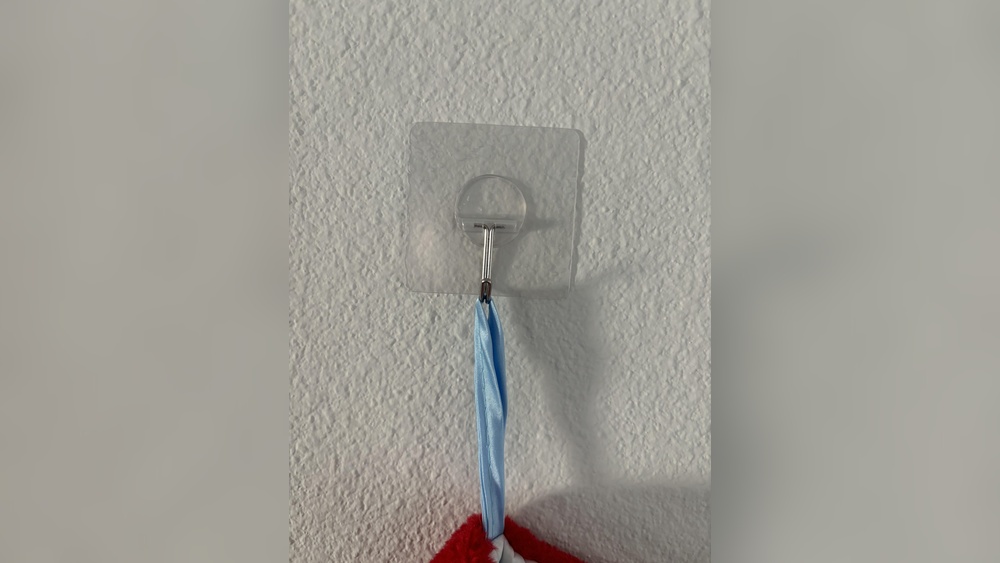
Have you ever stuck a hook on your wall, only to find it’s left behind a sticky, messy residue? That sticky patch can be frustrating, ugly, and hard to remove without damaging your paint or wallpaper.
But don’t worry—you’re not alone, and there’s a simple way to fix this. You’ll discover easy, effective methods to get rid of sticky hooks on your wall quickly and safely. Keep reading, and you’ll have your walls looking clean and fresh again in no time.
Credit: www.velcro.com
Common Causes Of Sticky Hooks
Sticky hooks on the wall can be annoying. They lose their grip and fail to hold items properly. Understanding why hooks become sticky helps fix the problem faster. Several common causes make hooks sticky over time.
Residue From Adhesive Tapes
Many hooks use adhesive tape to stick to walls. Sometimes, the tape leaves behind sticky residue. This residue attracts dirt and dust. It also makes the hook less sticky. Removing this residue is key to restoring the hook’s grip.
Dust And Dirt Accumulation
Dust and dirt gather on hooks and walls. Sticky hooks collect more dirt than clean ones. This buildup reduces the hook’s ability to hold. Cleaning the hook and wall removes the dirt. This step helps the hook stick better again.
Moisture Effects
Moisture makes hooks sticky or loose. Water or humidity weakens the adhesive tape. Damp walls prevent hooks from sticking well. Moisture can cause the hook to slide down. Keeping hooks dry improves their hold on walls.
Tools And Materials Needed
Removing sticky hooks from a wall needs the right tools and materials. Using proper supplies makes the job easier and protects your wall. Prepare everything before you start. This saves time and reduces mistakes.
Cleaning Supplies
You will need a gentle cleaner to remove sticky residue. Soap and warm water work well. A sponge or soft cloth helps to scrub the area. Rubbing alcohol can dissolve tough glue spots. Use it sparingly to avoid wall damage.
Household Items For Removal
Common items can help loosen the sticky hook. A hairdryer softens the adhesive with warm air. Dental floss or fishing line cuts through glue without scratching. A plastic card, like an old credit card, pries the hook away gently. Avoid metal tools to protect the wall surface.
Protective Gear
Wear gloves to protect your hands from chemicals. Safety glasses keep debris or cleaning liquids out of your eyes. Use a mask if you work with strong cleaners or in a small space. This gear ensures safety while cleaning and removing hooks.
Quick Cleaning Methods
Sticky hooks on the wall can be annoying. They leave behind residue that is hard to remove. Quick cleaning methods help you get rid of this sticky mess fast. These easy steps use common household items. They do not harm your wall or paint. Try these simple ways to clean sticky hooks quickly.
Using Warm Soapy Water
Warm soapy water is gentle and effective. Mix a few drops of dish soap in warm water. Dip a soft cloth or sponge in the solution. Rub the sticky area in small circles. The soap breaks down the sticky residue. Wipe clean with a damp cloth. Dry the spot with a towel. This method works well on fresh sticky marks.
Applying Rubbing Alcohol
Rubbing alcohol removes sticky glue quickly. Pour a small amount on a cotton ball. Dab it gently on the sticky spot. The alcohol dissolves adhesive without damaging paint. Let it sit for a minute. Then rub the area with a cloth. Repeat if needed until the residue disappears. Always test on a small hidden spot first.
Utilizing Vinegar Solutions
Vinegar is a natural cleaner that fights stickiness. Mix equal parts of white vinegar and water. Apply the solution with a spray bottle or cloth. Let it soak into the sticky residue for a few minutes. Rub gently with a soft cloth or sponge. Vinegar breaks down the glue and lifts it away. Rinse the area with clean water and dry it well.
Removing Stubborn Residue
Sticky hooks often leave behind tough residue on walls. This sticky mess can be hard to remove and spoils the wall’s look. Removing this stubborn residue needs care. Harsh methods can damage paint or wallpaper. Use gentle, effective ways to clean the wall.
Peeling Off With Oil-based Products
Oil-based products help break down sticky glue. Common oils like vegetable oil or baby oil work well. Apply a small amount on the residue. Let it sit for a few minutes. The oil softens the sticky parts, making them easier to peel off. Use a soft cloth to rub gently. Repeat if some residue remains. Oil also protects the wall paint from damage.
Scraping Gently With Tools
Use plastic tools to scrape off residue carefully. A plastic scraper or an old credit card works best. Avoid metal tools as they can scratch the wall. Hold the scraper at a low angle. Push slowly under the sticky area. Lift the residue bit by bit. Do not use too much force. Stop scraping if the wall surface starts to peel.
Using Commercial Adhesive Removers
Commercial adhesive removers are designed for tough residues. Choose one safe for walls and follow instructions. Test a small spot first to check for damage. Apply remover on the sticky area and wait as directed. Wipe residue away with a clean cloth. Use a mild soap and water afterward. This cleans leftover remover and protects the wall.
Preventing Future Stickiness
Sticky hooks on the wall can be frustrating. They leave marks and cause damage. Preventing this problem saves time and keeps walls clean. It starts with the right steps and care.
Proper Hook Installation
Place hooks on a clean, dry surface. Wipe the wall with rubbing alcohol before sticking. Avoid wet or dusty walls. Press the hook firmly for 30 seconds. Let the adhesive set for at least one hour. Follow the package instructions carefully. This helps the hook stick better and last longer.
Regular Maintenance Tips
Check hooks regularly for any looseness. Clean around hooks with a soft cloth. Avoid water or harsh chemicals on the adhesive. Remove dust or dirt to keep the stick strong. Replace old hooks before they lose grip. Small checks keep walls damage-free and hooks secure.
Choosing The Right Hooks
Select hooks designed for your wall type. Use lightweight hooks for painted or drywall surfaces. Heavy-duty hooks suit brick or tile walls. Pick hooks with strong adhesives but easy removal. Avoid low-quality hooks that leave residue. Correct hooks reduce stickiness and wall damage.

Credit: www.youtube.com
When To Replace Hooks
Knowing when to replace sticky hooks on the wall can save you time and frustration. Hooks lose their grip over time, causing items to fall or walls to get damaged. Checking hooks regularly helps keep your space neat and safe.
Signs Of Damage
Look for cracks or bends in the hook. Sticky residue that no longer sticks well is a clear sign. Hooks that leave marks or peel paint need replacement. Loose hooks that wobble or fall off quickly show damage too.
Evaluating Hook Durability
Test the hook by gently pulling it. If it feels weak or bends easily, it is time to change it. Consider how long the hook has been used. Hooks exposed to heat or moisture may wear out faster. Choose hooks that hold weight without bending or slipping.
Selecting Durable Alternatives
Pick hooks made from strong materials like metal or heavy-duty plastic. Look for hooks with good adhesive or screw-in options. Hooks with rubber grips or extra support last longer on walls. Avoid cheap hooks that break or lose stickiness fast.
Credit: www.youtube.com
Frequently Asked Questions
How Do I Remove Sticky Hooks Without Damaging Walls?
To remove sticky hooks safely, peel the hook slowly at a low angle. Use heat from a hairdryer to soften the adhesive. Avoid forceful pulls to prevent wall damage. Clean residue with rubbing alcohol or warm soapy water afterward.
What Household Items Remove Sticky Hook Residue Effectively?
Common household items like rubbing alcohol, vinegar, and warm soapy water work well. Apply gently with a cloth to dissolve adhesive residue. Avoid harsh scrubbing to protect the wall surface. These items are safe and eco-friendly for cleanup.
Can I Reuse Sticky Hooks After Removal?
Generally, sticky hooks lose their adhesive strength after removal. They are not designed for reuse. For best results, use new hooks to ensure strong hold and avoid wall damage. Consider hooks with replaceable adhesive strips for multiple uses.
How To Prevent Sticky Hooks From Leaving Marks?
Choose hooks with removable adhesive strips designed for clean removal. Avoid placing hooks on delicate or freshly painted walls. Heat the adhesive before removal to reduce residue. Regularly check and reposition hooks to prevent long-term marks.
Conclusion
Sticky hooks on the wall can be annoying and leave marks. Use gentle tools and simple household items to remove them safely. Take your time and avoid harsh scrubbing to protect your wall’s surface. Small steps can make a big difference in cleaning.
Now, your walls can look neat and fresh again. Try these easy tips to keep your space tidy and damage-free.