Have you ever found yourself locked out with a deadbolt that just won’t budge? It’s frustrating, stressful, and can make you feel stuck.
But don’t worry—you don’t always need to call a locksmith or break a window to get back inside. In this guide, you’ll learn simple, effective ways to take a deadbolt off from the outside. Whether you’re locked out by accident or need to remove the lock for maintenance, these tips will empower you to handle the situation confidently.
Keep reading, and by the end, you’ll know exactly what to do to regain access quickly and safely.

Credit: lifehacks.stackexchange.com
Tools Needed
Removing a deadbolt from the outside requires the right tools. Having these tools ready makes the job easier and faster. Each tool has a specific purpose in the process.
Flathead Screwdriver
A flathead screwdriver helps remove screws from the lock. It fits into the screw slots and allows you to turn them.
Phillips Screwdriver
Some deadbolts use Phillips screws. This screwdriver has a cross shape tip to match those screws.
Lock Pick Or Tension Wrench
A lock pick or tension wrench can help turn the lock cylinder. This tool is useful if you do not have the key.
Drill With Drill Bits
A drill may be needed if screws are stuck or the lock is damaged. Use drill bits sized for metal screws.
Pliers
Pliers grip small parts and help pull the lock apart. They provide extra strength when turning or pulling.
Key
Having the key makes removing the deadbolt much easier. It allows you to unlock the door before removal.
Credit: www.4feldco.com
Identify Your Deadbolt Type
Start by checking the deadbolt’s shape and keyhole style. Different types need different tools or steps. Knowing your deadbolt helps remove it safely from the outside.
Knowing your deadbolt type helps you remove it safely from outside. Different deadbolts have different designs and removal methods. This guide covers the most common types to spot yours quickly.
Check the shape and keyhole style. Look for screws or visible plates on the outside. These clues help you decide the next steps.
Single Cylinder Deadbolt
This deadbolt uses a key on the outside and a thumb turn inside. It often has a round or rectangular faceplate. You can usually see the keyhole clearly.
Removal requires turning the thumb turn or using a key to unlock first. Screws may be hidden under the faceplate or visible on the edge.
Double Cylinder Deadbolt
This type needs a key on both sides. It has keyholes on the outside and inside. No thumb turn is present inside.
Removing it from outside means using the key to unlock. Screws are often on the inside, so you may need access or special tools.
Keyless Deadbolt
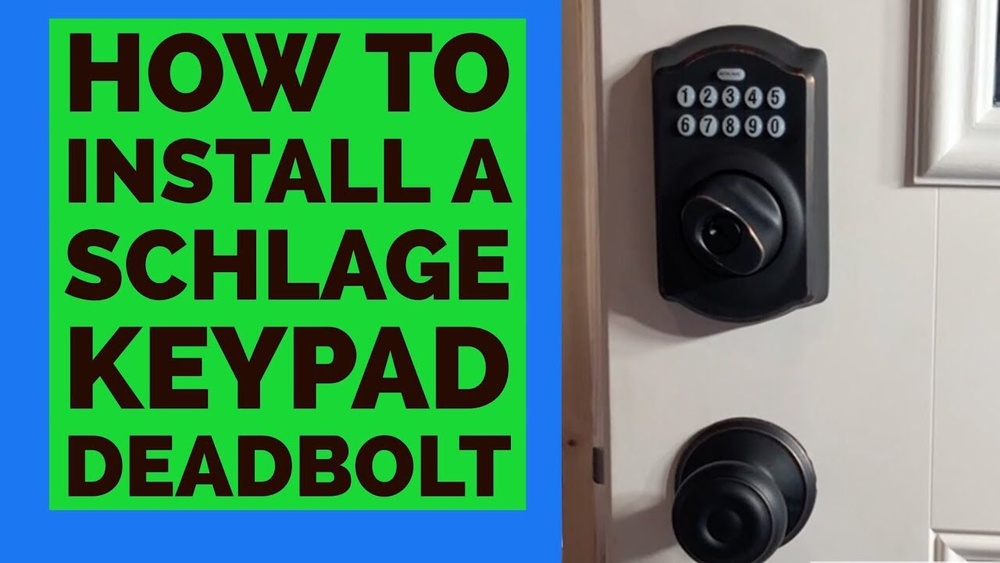
Keyless deadbolts use a keypad or combination lock. No keyhole is visible outside. Some models have removable covers hiding screws.
Removing these requires knowledge of the model. Often, the keypad cover must be taken off first. Check for small screws or clips.
Locate The Screws
Locating the screws is the first step to remove a deadbolt from the outside. These screws hold the lock firmly to the door. Without finding them, you cannot take the deadbolt off safely.
Most deadbolts have screws hidden under a faceplate or cover. Sometimes, the screws are visible on the lock’s outside part. Knowing where to look saves time and effort.
Check The Faceplate Or Cover
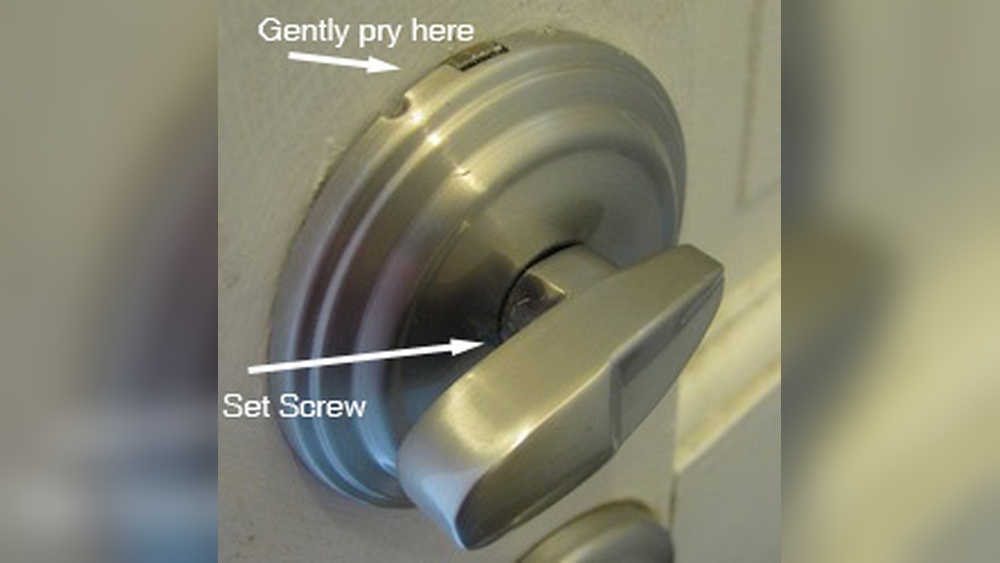
Look closely at the deadbolt’s outer side. Many locks have a decorative cover hiding the screws. Pry the cover gently with a flat tool. Be careful not to damage the door or lock.
Once the cover is off, the screws will appear. These screws hold the deadbolt in place. You need a screwdriver to remove them.
Look Around The Lock Cylinder
The lock cylinder is the round part where you insert the key. Screws often sit near this cylinder. Inspect the edges for small screw heads. Some models use tiny screws that need a small screwdriver.
Identify Hidden Screws On The Door Edge
Sometimes, screws are on the door’s edge, not the face. Open the door slightly. Check the side where the deadbolt extends. Look for screws securing the lock’s bolt mechanism.
Remove these screws to free the deadbolt from inside the door. This method works if outside screws are missing or hidden.
Remove The Exterior Plate
Removing the exterior plate of a deadbolt is a key step in taking the lock off from outside. This plate covers the screws that hold the lock in place. Without removing it, you cannot access the screws to take off the deadbolt.
Handle the plate carefully. It may be tight or stuck from weather exposure. Use the right tools to avoid damage to the door or lock.
Locate The Screws Holding The Exterior Plate
Look closely at the exterior plate. Screws usually sit around the edges. Sometimes they hide under a small cover or cap. Use a flathead screwdriver to gently pry off covers.
Use A Screwdriver To Remove The Screws
Pick a screwdriver that fits the screws well. Turn each screw counterclockwise. Keep the screws safe to reuse later. If a screw is stuck, apply light pressure but do not force it.
Carefully Remove The Exterior Plate From The Door
Once screws are out, pull the plate straight off. It may feel tight at first. Wiggle it gently to loosen. Avoid bending or scratching the door surface.
Detach The Thumb Turn
Detaching the thumb turn is a key step in removing a deadbolt from the outside. The thumb turn is the small knob inside the door that locks or unlocks the deadbolt. Removing it allows access to the internal parts of the lock. This step requires simple tools and careful handling.
Start by locating the screws that hold the thumb turn in place. These screws are usually on the interior side of the door. Removing them frees the thumb turn from the deadbolt mechanism. Sometimes, the thumb turn fits tightly, so gentle wiggling helps to pull it off.
Gather The Necessary Tools
Prepare a screwdriver that matches the screws on the thumb turn. A Phillips or flathead screwdriver is common. Having the right tool makes the process easier and avoids damage to the lock or door.
Remove Screws Holding The Thumb Turn
Look for two screws securing the thumb turn. Unscrew them carefully, keeping the screws safe. Avoid stripping the screw heads by turning slowly and steadily.
Pull The Thumb Turn Away From The Door
After removing the screws, hold the thumb turn firmly. Pull it straight out from the door’s inside surface. If it feels stuck, move it gently side to side to loosen it.
Check For Additional Clips Or Fasteners
Some deadbolts have extra clips holding the thumb turn. Inspect the area closely. Remove any clips using a small flat tool before pulling the thumb turn.
Extract The Deadbolt Mechanism
Extracting the deadbolt mechanism is an important step to remove a deadbolt from the outside. This step lets you take out the lock part inside the door. It requires some care and simple tools.
Understanding the deadbolt mechanism helps to avoid damage. It also makes the process quicker and easier. Follow the instructions below to pull out the deadbolt safely.
Prepare Your Tools
Gather basic tools like a screwdriver and a drill. A flathead screwdriver can help loosen screws. A drill may be needed to remove stuck screws. Have a flashlight ready to see inside the lock.
Start by taking off the exterior plate covering the deadbolt. Use a screwdriver to unscrew all visible screws. Keep the screws safe for later use. Gently pull the plate away from the door.
Locate And Unscrew The Deadbolt
Look inside the hole where the deadbolt sits. Find the screws holding the deadbolt in place. Use a screwdriver or drill to remove these screws. Take care not to strip the screw heads.
Pull Out The Deadbolt
Once all screws are removed, pull the deadbolt from the door. Use steady force to avoid breaking parts. Wiggle the deadbolt if it feels stuck. If needed, use pliers for a better grip.
Tips For Stuck Deadbolts
Stuck deadbolts cause frustration and delay. They stop you from opening doors quickly. Knowing some simple tips helps fix this problem fast. These tips can save time and avoid damage to the lock or door.
Follow these steps carefully to loosen a stuck deadbolt. Use tools and methods that protect your lock. Stay calm and work patiently to get the best results.
Check The Key And Lock Alignment
Use the correct key for the lock. Sometimes, a worn or bent key causes the deadbolt to stick. Insert the key gently and avoid forcing it. Make sure the key turns smoothly without resistance. If the key does not fit well, try another key if available.
Apply Lubricant To The Deadbolt
Use a dry lubricant like graphite powder. Spray lubricants with oil can attract dirt and cause more problems. Insert the lubricant into the keyhole and around the bolt. Work the key back and forth to spread it inside. This helps loosen the deadbolt and makes turning easier.
Try Gentle Tapping
Use a small hammer or the handle of a screwdriver. Tap gently on the lock while turning the key. This can free stuck parts inside the deadbolt. Avoid strong hits that might damage the lock or door. Gentle tapping often helps stuck pins move freely.
Warm The Lock Slightly
Cold weather can cause locks to freeze and stick. Use a hairdryer to warm the lock carefully. Keep the heat low and do not burn the door finish. Warm locks are easier to turn and less likely to jam. Avoid using open flames or hot water for safety.
Consult A Locksmith For Tough Cases
If the deadbolt stays stuck, call a professional locksmith. They have tools and skills to fix or replace locks safely. Trying to force or pick the lock can cause damage. A locksmith can help without harming your door or lock.
Safety Precautions
Removing a deadbolt from the outside can be tricky. Safety is very important before you start. Taking the right precautions protects you and your property. This helps avoid damage and keeps the process smooth.
Wear Protective Gear
Always wear gloves to protect your hands. Safety glasses shield your eyes from flying debris. Long sleeves prevent scratches and cuts on your arms. These simple steps reduce injury risk during the work.
Check The Door And Lock Condition
Inspect the door and lock for damage before removal. Weak or broken parts may break further while working. This can cause injury or make the lock harder to remove. Know what you are dealing with first.
Keep Tools Ready And Safe
Use the right tools for deadbolt removal. Keep tools organized and close by. Sharp or heavy tools can hurt you if dropped. Handle all tools carefully and store them securely.
Work In A Well-lit Area
Good lighting helps you see screws and small parts clearly. It lowers the chance of mistakes and accidents. If outside, work during daylight hours for best visibility. Avoid dark or cluttered spaces.
Have A Backup Plan
Plan how to call for help if needed. Have a phone nearby in case of emergency. Know the contact of a locksmith or emergency service. Stay calm and stop if the task becomes unsafe.

Credit: www.reddit.com
Frequently Asked Questions
How Can I Remove A Deadbolt From Outside Without A Key?
To remove a deadbolt from outside without a key, use a drill or a bump key. Carefully drill through the lock cylinder or bump the lock pins to unlock it. Always take safety precautions and consider professional help if unsure.
What Tools Are Needed To Take Off A Deadbolt Externally?
You need a screwdriver, drill, and possibly a lock pick set. A drill helps remove the cylinder, while screwdrivers remove mounting screws. Having the right tools ensures safe and efficient removal of the deadbolt from outside.
Can I Remove A Deadbolt Without Damaging The Door?
Yes, by carefully unscrewing the mounting screws and removing the lock cylinder. Avoid drilling or forcing the lock to prevent damage. Using proper tools and techniques preserves the door’s integrity while removing the deadbolt.
Is It Legal To Remove A Deadbolt From Outside?
Removing a deadbolt is legal only if you own the property or have permission. Unauthorized lock removal can be illegal and punishable by law. Always ensure you have proper rights before attempting to remove any lock.
Conclusion
Removing a deadbolt from the outside can be done with patience and care. Follow the steps slowly and use the right tools. Avoid forcing parts to prevent damage to your door. Safety matters—always check local laws before starting. Practice helps you get better at this task.
Keep these tips in mind for smooth removal next time. Simple actions lead to successful results. Stay calm and focused throughout the process. This guide aims to make the job easier for you.