Have you ever faced the frustration of trying to remove a deadbolt, only to find no screws in sight? It can feel like a puzzle with no clear solution.
But don’t worry—removing a deadbolt without screws is easier than you think. In this guide, you’ll discover simple, step-by-step methods to get the job done quickly and safely. Whether you’re fixing a lock, replacing it, or just curious, this article will give you the confidence to tackle the task yourself.
Keep reading, and you’ll be surprised how straightforward it can be!

Credit: diy.stackexchange.com
Tools You Might Need
Removing a deadbolt without screws can be tricky. The right tools make the task easier and safer. Some tools are common and found at home. Others are specialized but simple to use. Gather these tools before you start. It saves time and avoids frustration.
Common Household Items
A butter knife can slide between the lock and the door frame. A flathead screwdriver helps pry small parts gently. A pair of pliers can grip and twist stubborn pieces. A cloth or rag protects the door from scratches. A flashlight helps see inside dark areas of the lock. These items are easy to find and often enough for basic removal.
Specialized Tools To Consider
A lock pick set works well for tricky deadbolts without visible screws. A tension wrench helps turn the lock cylinder smoothly. A small pry bar offers more leverage than a screwdriver. A drill with a metal bit can drill out pins if needed. These tools require care and some skill. They make removing a deadbolt cleaner and faster, especially for tough locks.
Assessing The Deadbolt Type
Before removing a deadbolt without screws, you must first assess its type. Understanding the deadbolt helps find the right way to take it off safely. Deadbolts come in different styles and designs. Each style needs a different approach to remove it.
Identifying Hidden Fasteners
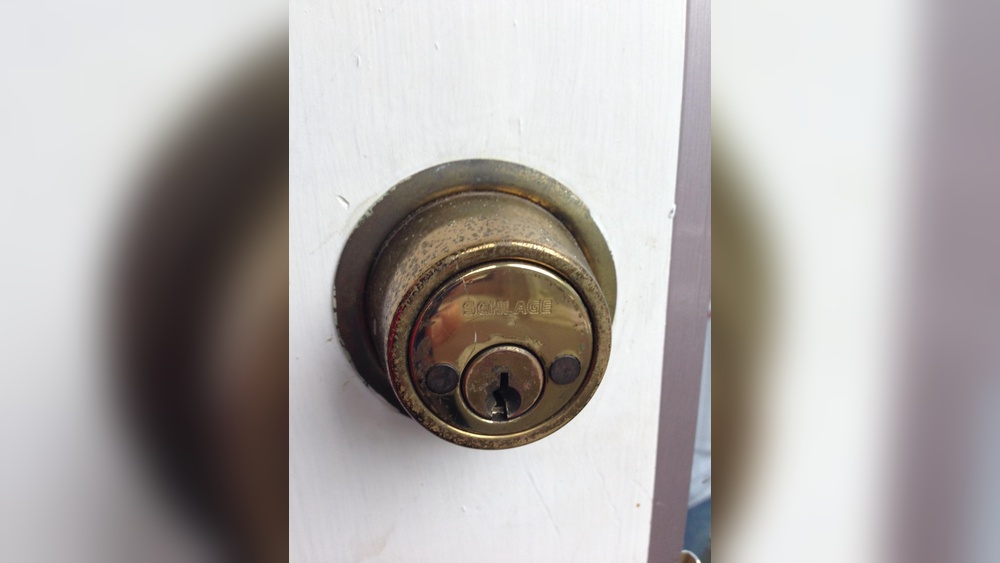
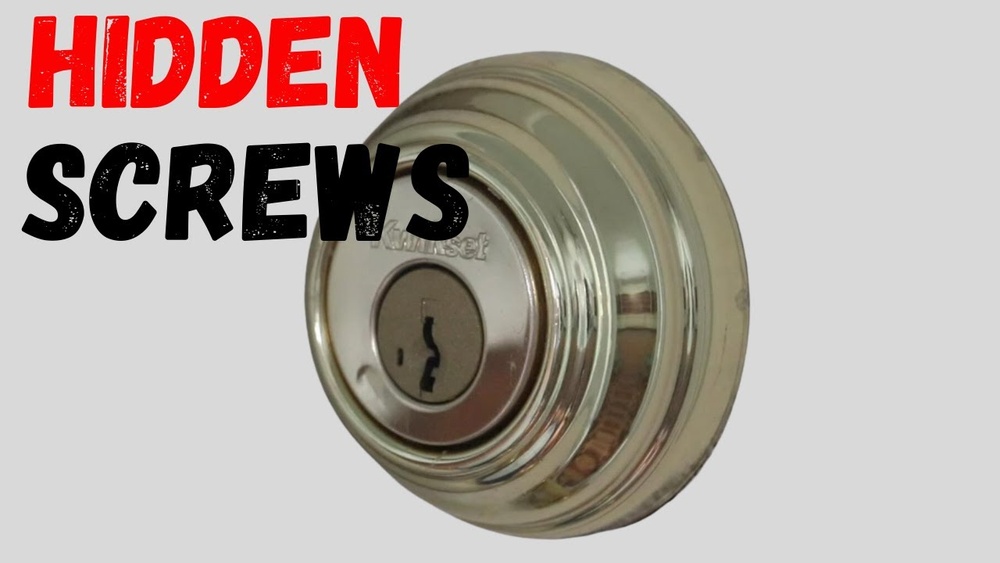
Some deadbolts do not show screws on the outside. These models use hidden fasteners to hold the lock. Look closely at the edge of the door or under the lock faceplate. Small caps or covers may hide the screws. Gently pry off these covers with a flat tool. Sometimes, fasteners are inside the lock cylinder or behind the thumb turn. Knowing where to check helps avoid damage to the door or lock.
Types Of Deadbolt Mechanisms
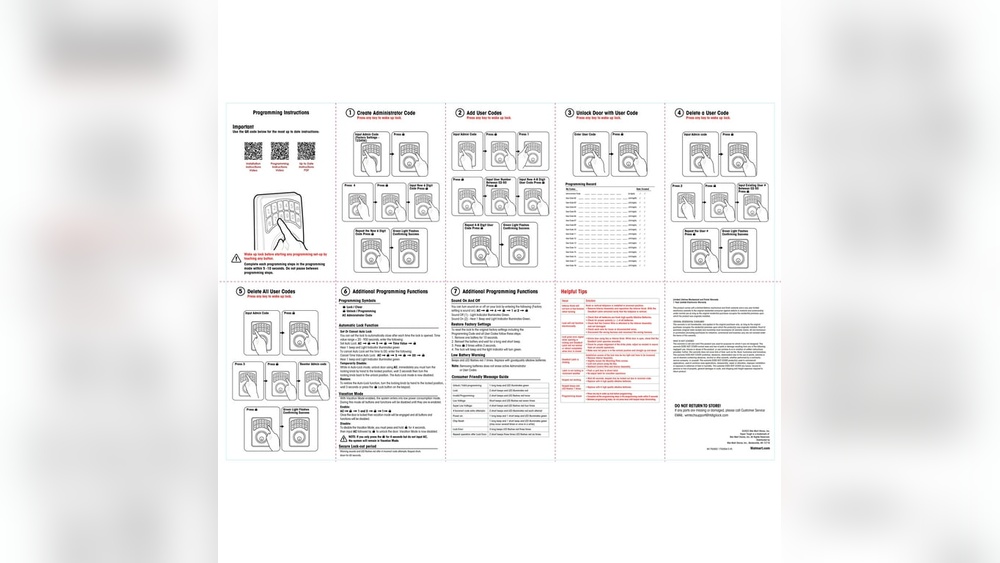
Deadbolts come in single-cylinder and double-cylinder types. Single-cylinder deadbolts use a key outside and a thumb turn inside. Double-cylinder deadbolts need a key on both sides. Some deadbolts have keyless or electronic mechanisms. The removal process varies by mechanism. Mechanical deadbolts often have screws or clips. Electronic locks might need battery removal or special tools. Identify your deadbolt type for safe removal without screws.
Removing The Deadbolt Without Screws
Removing a deadbolt without screws is possible with the right tools and approach. This task requires patience and care to avoid damage. Deadbolts are designed for security, but some methods can help you remove them without screws. Below are practical ways to take off a deadbolt safely and effectively.
Using A Credit Card Or Plastic Shim
Slide a plastic card or shim between the door and the frame. Aim to push the bolt back into the door. Move the card up and down while applying pressure. This soft tool reduces the risk of scratching the door. It works best on spring bolts, not deadbolts with strong locks. Keep trying slowly until the bolt retracts.
Prying Techniques With Minimal Damage
Use a flathead screwdriver or a putty knife to gently pry around the deadbolt. Insert the tool where the bolt meets the door frame. Apply slow, even pressure to avoid bending the metal. Do not force the tool too hard; it can cause damage. This method works when the deadbolt is loose or partly exposed. Take your time for better results.
Leveraging The Bolt From The Inside
If you can access the inside of the door, try pushing the bolt back manually. Use a small tool to press the bolt into the door. This action releases the lock without needing screws. It is the safest way to remove the deadbolt. Check for any hidden covers on the inside that hide screws. Removing those covers first helps access the bolt easily.

Credit: www.youtube.com
Alternative Methods For Stubborn Deadbolts
Removing a deadbolt without screws can be tricky. Some deadbolts stick tight and refuse to budge. This section covers simple ways to deal with these stubborn locks.
These methods do not need special tools or skills. They rely on everyday items and a bit of patience. You can try these steps before calling a locksmith.
Using A Flathead Screwdriver Or Knife
A flathead screwdriver or a strong knife can help pry the deadbolt cover. Insert the tool gently between the lock plate and the door. Twist or wiggle it slowly to loosen the cover.
Once the cover is loose, you can pull it off by hand. Be careful not to damage the door or the lock. This method works best on plastic or thin metal covers.
Applying Lubricants To Loosen The Bolt
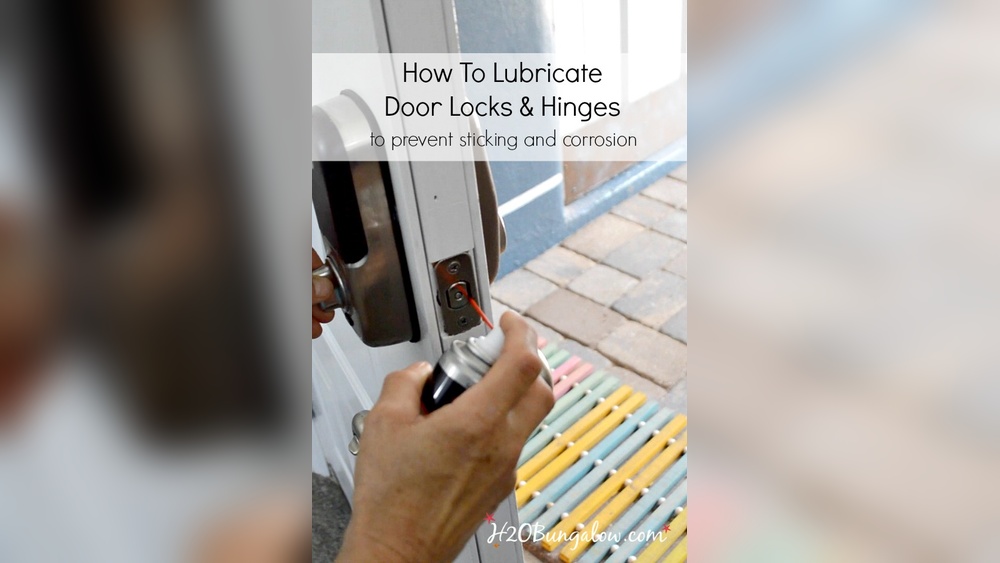
Lubricants like WD-40 or graphite spray can ease a stuck deadbolt. Spray a small amount around the bolt and inside the keyhole. Let it sit for a few minutes to penetrate the mechanism.
Try moving the bolt back and forth to spread the lubricant inside. This reduces friction and helps free the bolt. Repeat the process if the bolt still feels stiff.
Safety Tips During Removal
Removing a deadbolt without screws can be tricky. Safety is very important during this process. You need to protect your door and yourself. Small mistakes can cause damage or injury. Follow simple safety tips to make the removal safe and smooth.
Protecting Your Door And Frame
Use a soft cloth or tape around the deadbolt area. This prevents scratches on your door and frame. Avoid using sharp tools directly on the wood. Work slowly and carefully to stop damage. If the deadbolt is stuck, do not force it. Gently wiggle or tap to loosen it without breaking the door.
Avoiding Personal Injuries
Wear gloves to protect your hands from sharp edges. Use eye protection to keep debris out of your eyes. Keep your tools in good condition. Dull or broken tools can slip and cause injuries. Take breaks if your hands feel tired. A steady grip and slow movements reduce accidents. Always work in a well-lit area for better control.

Credit: diy.stackexchange.com
When To Call A Locksmith
Removing a deadbolt without screws can be tricky. Sometimes, the lock may not come off easily. At these times, calling a locksmith is the best choice. A professional can handle the job safely and quickly. Knowing when to get help can save time and avoid damage.
Signs You Need Professional Help
The deadbolt won’t budge after several tries. Tools slip or break during the removal process. The lock looks damaged or rusted badly. You feel unsure about using tools on the lock. The lock is part of a security system. The door or frame could get harmed. These signs show it’s time to call an expert.
Costs And Considerations
Locksmith fees vary by location and time. Expect to pay more for emergency or weekend calls. A professional may charge between $50 and $150. Some may offer a flat rate for lock removal. Compare prices before hiring to avoid surprises. Remember, paying for a pro can prevent costly repairs later.
Frequently Asked Questions
How Can I Remove A Deadbolt Without Visible Screws?
To remove a deadbolt without visible screws, first check for a small hole or slot on the faceplate. Use a thin tool to press or twist this mechanism. This releases the lock cylinder, allowing you to pull the deadbolt apart safely.
What Tools Do I Need To Take Off A Deadbolt?
You typically need a flathead screwdriver, a paperclip, or an Allen wrench. These tools help manipulate hidden release mechanisms or remove faceplates. Having a flashlight can also assist in spotting concealed components.
Is It Possible To Remove A Deadbolt Without Damaging The Door?
Yes, it is possible by carefully locating and using the hidden release mechanism. Avoid forcing the lock or using excessive force. Gently manipulating the components ensures the door and lock remain intact.
Why Are There No Visible Screws On My Deadbolt?
Many modern deadbolts use concealed screws for aesthetic and security reasons. The screws are often hidden behind the faceplate or inside the lock cylinder. This design prevents tampering and improves the lock’s appearance.
Conclusion
Removing a deadbolt without screws is easier than it seems. Use basic tools and careful steps to avoid damage. Patience helps prevent frustration and mistakes. Always check the lock type before starting. This way, you save time and effort. Practice these tips for smooth removal next time.
Stay calm and work slowly for best results.