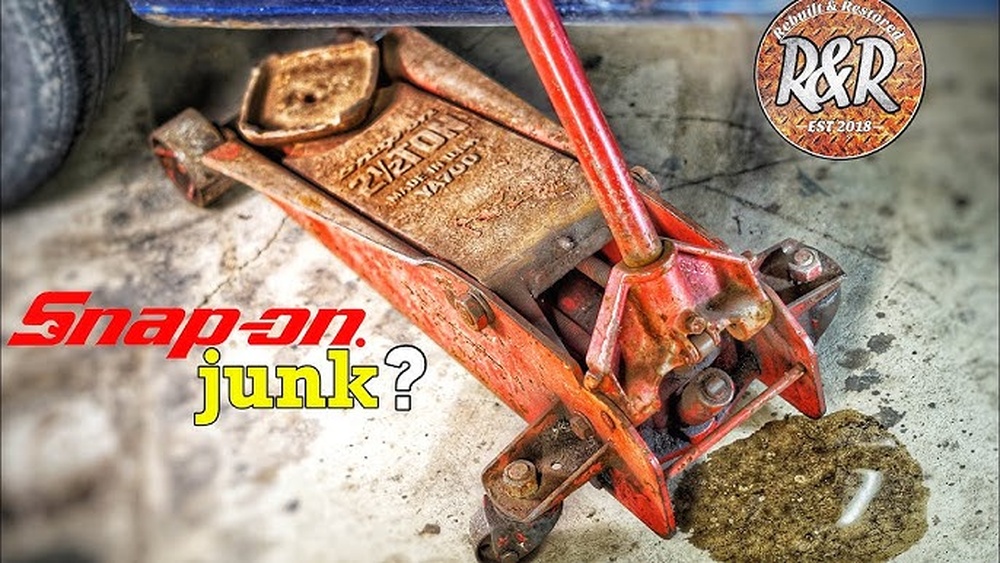
If your Snap on floor jack isn’t working like it used to, you don’t have to rush out and buy a new one. You can save time and money by rebuilding it yourself.
Imagine getting your jack back to perfect working order, lifting your car safely and smoothly every time. In this guide, you’ll learn simple, step-by-step tips to rebuild your Snap on floor jack quickly and easily. By the end, you’ll feel confident tackling the job and keeping your tools in top shape.
Ready to bring your floor jack back to life? Let’s get started.
Tools And Materials Needed
Rebuilding a Snap-on floor jack requires specific tools and materials. Having the right items makes the process smoother and safer. Gathering everything before starting saves time and effort.
This list covers all essentials for a basic rebuild. Each tool and material plays a vital role in restoring your floor jack’s performance.
Basic Hand Tools
Wrenches and sockets are needed for loosening and tightening bolts. A screwdriver set helps remove small parts and screws. Pliers assist in gripping and pulling components.
Replacement Parts
O-rings, seals, and gaskets must match your jack model. These parts prevent leaks and maintain pressure. Check the Snap-on manual for exact specifications.
Hydraulic Fluid
Use the correct hydraulic oil recommended by Snap-on. Proper fluid ensures smooth lifting and prevents damage. Avoid mixing fluids to keep the system reliable.
Cleaning Supplies
Rags and cleaning solvent remove old grease and dirt. Clean parts help detect wear and improve assembly. Use a brush for hard-to-reach areas.
Safety Gear
Wear gloves to protect your hands from sharp edges. Safety goggles shield your eyes from debris and fluid splashes. Work in a well-ventilated area.

Credit: www.instructables.com
Preparing The Floor Jack
Preparing the floor jack is the first step in rebuilding it. This process sets the stage for a smooth repair. Proper preparation helps prevent damage and ensures safety.
Start by cleaning and inspecting the jack. Dirt and grime can hide problems. Inspection reveals worn parts that need replacement.
Cleaning And Inspection
Remove all dirt and grease from the jack. Use a cloth and a mild cleaner. Pay close attention to moving parts and joints.
Look for cracks, rust, or broken pieces. Check the wheels and handle for wear. Identify any leaks or damage on the hydraulic cylinder.
Draining Hydraulic Fluid
Draining the old hydraulic fluid is essential. It prevents contamination and allows for a fresh refill. Find the drain plug or release valve on the jack.
Place a container under the drain area. Slowly open the plug to let the fluid flow out. Dispose of the fluid properly, following local rules.
Once drained, clean the reservoir to remove sludge or debris. This step keeps the hydraulic system clean and effective.
Disassembling The Jack
Disassembling a Snap on floor jack is the first step in rebuilding it. This process helps you check each part closely. You can find broken or worn pieces easily. Careful disassembly makes reassembly smooth and safe.
Removing The Handle And Release Valve
Start by taking off the handle. Pull it out or unscrew any bolts holding it. Keep the handle parts safe for reuse. Next, focus on the release valve. Turn it counterclockwise to loosen. Use a wrench if it feels tight. Remove the valve gently to avoid damage. This valve controls the jack’s lowering speed. Clean it before setting it aside.
Taking Apart The Hydraulic Cylinder
Locate the hydraulic cylinder on the jack. Remove the retaining clip or bolts around it. Carefully pull the cylinder out. Watch for oil inside; some may leak. Use a rag to catch any spills. Check the piston and seals for damage. Take the seals off to replace if needed. Clean all parts with a cloth and mild cleaner. Handle the cylinder parts with care to avoid scratches.
Replacing Worn Components
Replacing worn components is a key step in rebuilding a Snap on floor jack. These parts wear out over time and affect the jack’s performance. Changing them keeps the jack safe and working smoothly. Focus on seals, O-rings, and hydraulic fluid for best results.
Seals And O-rings
Seals and O-rings prevent leaks and keep pressure inside the jack. Worn seals cause oil leaks and reduce lifting power. Carefully remove old seals using a pick or small screwdriver. Clean the area before installing new seals. Use the right size and type for your model. Apply a little hydraulic oil on the new seals for easy fitting. Make sure they sit properly to avoid future leaks.
Hydraulic Fluid Replacement
Hydraulic fluid moves force inside the jack. Old or dirty fluid lowers performance and can damage parts. Drain the old fluid completely. Use a clean container to catch it. Refill with fresh hydraulic fluid recommended by the manufacturer. Avoid overfilling to prevent leaks. Bleed air from the system by pumping the handle slowly. This step ensures smooth lifting and reliable operation.
Reassembling The Floor Jack
Reassembling your Snap on floor jack needs care and patience. Each part must fit perfectly to work safely and smoothly. Follow the steps carefully to put everything back in place. This ensures the jack lifts properly and lasts longer.
Reinstalling The Cylinder And Valve
Start by placing the cylinder back into the jack frame. Align it carefully to avoid damage. Insert the valve into its slot. Make sure it fits tightly to stop leaks. Tighten any screws or bolts to secure these parts. Check the valve moves freely after installing. This step restores the jack’s lifting power.
Securing The Handle
Next, attach the handle to the jack body. Slide it into the handle socket firmly. Fix it with the pin or bolt provided. Ensure the handle moves up and down without wobbling. Test the handle’s grip for comfort and control. A secure handle makes the jack easy to operate.

Credit: www.youtube.com
Testing And Adjustments
After rebuilding your Snap on floor jack, testing and adjustments are essential. This step ensures the jack works safely and lifts smoothly. Careful checks help find any problems early. Fixing small issues now saves time and effort later.
Checking For Leaks
Start by inspecting the jack for oil leaks. Look around seals, valves, and hoses. Even a tiny leak can reduce lifting power. Use a clean cloth to spot wet areas. If you see oil, tighten fittings or replace seals. Keep the jack on a clean surface to notice leaks easily.
Ensuring Proper Lifting Function
Next, test the lifting mechanism carefully. Pump the handle slowly and watch the arm rise. It should lift steadily without jerking or slipping. If the arm moves unevenly, check the hydraulic fluid level. Add fluid if needed, but do not overfill. Also, listen for strange noises during lifting. Unusual sounds may mean air in the system or worn parts. Release the pressure and try again until the jack lifts smoothly and holds weight securely.
Maintenance Tips For Longevity
Maintaining your Snap on floor jack helps it last longer. Proper care keeps it working smoothly and safely. Follow these simple tips to protect your investment and avoid costly repairs.
Clean The Jack Regularly
Dirt and grime can block moving parts. Wipe the jack with a clean cloth after each use. Remove any debris from wheels and hinges. Clean tools last longer and work better.
Lubricate Moving Parts
Use light oil on all joints and wheels. Lubrication stops rust and reduces friction. Apply oil every few uses to keep parts moving freely. Avoid over-oiling, which can attract dirt.
Check Hydraulic Fluid
Hydraulic fluid powers the lifting mechanism. Check fluid levels often and refill if low. Use the recommended fluid type for your model. Low fluid can cause poor performance and damage.
Inspect For Leaks
Look under the jack for oil leaks. Leaks indicate worn seals or damage. Fix leaks quickly to avoid hydraulic failure. Regular checks prevent sudden breakdowns during use.
Store The Jack Properly
Keep the jack in a dry, clean place. Avoid damp or dusty environments. Lower the jack to release pressure on seals. Proper storage reduces wear and prevents rust.

Credit: www.reddit.com
Frequently Asked Questions
What Tools Are Needed To Rebuild A Snap On Floor Jack?
You need wrenches, screwdrivers, pliers, replacement seals, hydraulic fluid, and cleaning supplies. These tools help disassemble, clean, and reassemble the jack properly.
How Do I Safely Disassemble A Snap On Floor Jack?
Release all pressure by opening the release valve. Then, remove bolts and carefully separate parts to avoid damage or injury.
What Parts Should Be Replaced During The Rebuild?
Replace seals, O-rings, and worn-out hydraulic components. Inspect all parts for damage to ensure smooth operation and safety.
How Do I Refill Hydraulic Fluid In The Floor Jack?
Remove the fill plug, add the correct hydraulic fluid slowly, and avoid overfilling. Then, bleed the system to remove air bubbles.
Conclusion
Rebuilding a Snap on floor jack takes some patience and care. Follow each step slowly and use the right tools. Check every part for wear and fix or replace it as needed. A well-maintained jack works better and lasts longer.
Keep safety in mind while working. Regular upkeep helps avoid future problems. Now, you can trust your floor jack to lift safely again. Practice these tips to keep your tools in top shape.