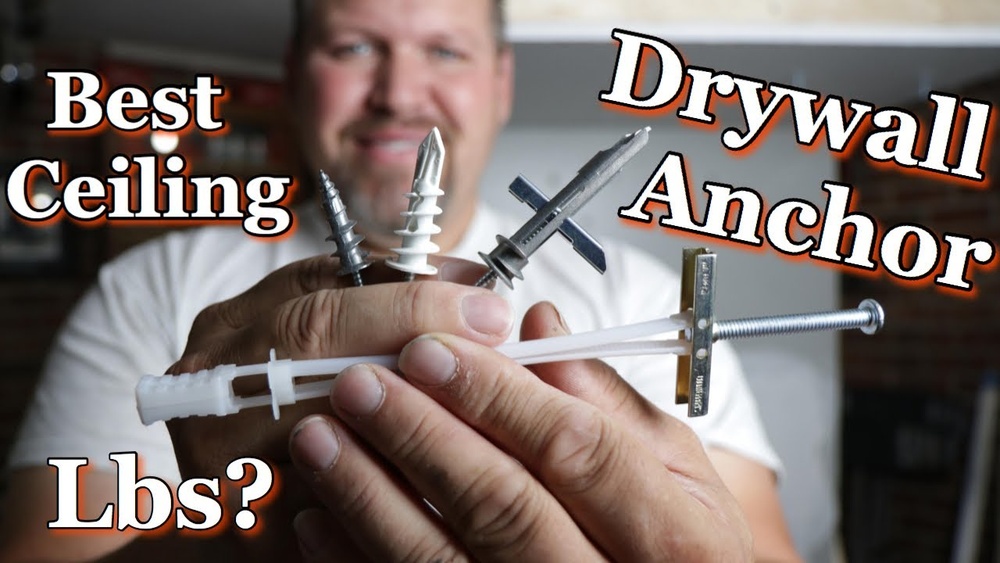
Are you planning to hang something heavy from your ceiling but unsure how to make it secure? Using a wall anchor in your ceiling can be the key to a strong and safe hold.
But how exactly do you do it without causing damage or risking a fall? In this guide, you’ll discover simple, step-by-step tips to help you use wall anchors correctly in your ceiling. By the end, you’ll feel confident tackling your project and keeping your space safe.
Keep reading to learn the secrets that professionals use for a secure ceiling mount.

Credit: www.youtube.com
Types Of Wall Anchors
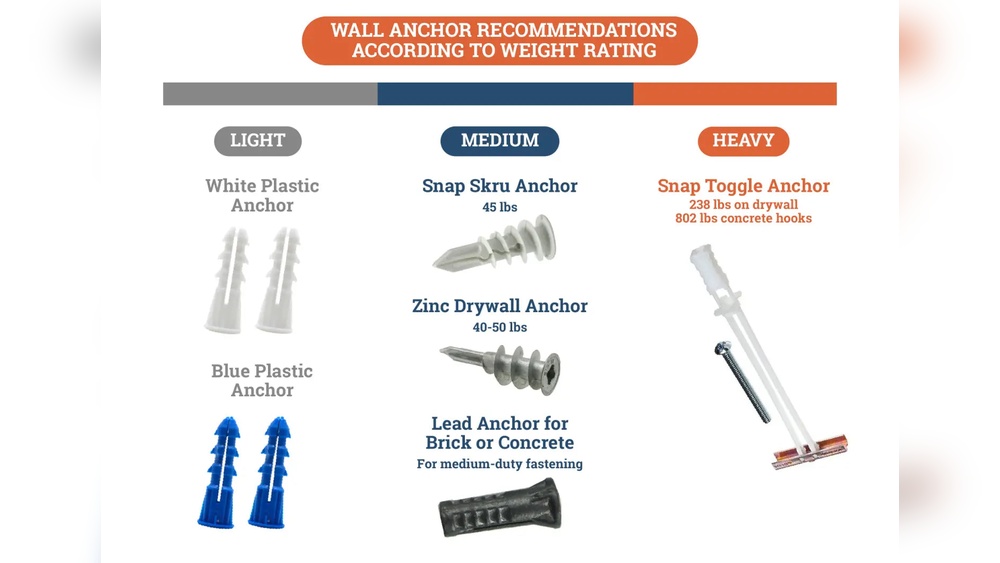
Wall anchors help secure items to ceilings and walls safely. Different types fit different materials and weights. Choosing the right anchor keeps things stable and prevents damage. Here are common types of wall anchors used for ceilings.
Plastic Expansion Anchors
Plastic expansion anchors are simple and cheap. Drill a hole, push the anchor in, then screw. The anchor expands inside the wall for a tight grip. Best for light loads in drywall or plaster ceilings.
Toggle Bolts
Toggle bolts have spring-loaded wings that open inside a hollow space. Insert the folded wings through the hole. The wings spread to hold the anchor firmly. They support heavy items on ceilings made of drywall or hollow materials.
Molly Bolts
Molly bolts are metal anchors that expand behind the wall. Insert the bolt and tighten the screw. The sleeve expands and grips the wall tightly. They work well on drywall and plaster ceilings for medium weight loads.
Threaded Drywall Anchors
Threaded drywall anchors screw directly into drywall without pre-drilling. They have sharp threads for a strong hold. These anchors are easy to install and good for light to medium loads. Ideal for hanging decorations or small fixtures on ceilings.
Choosing Anchors For Ceilings
Choosing the right anchor for a ceiling is important. It helps keep things safe and secure. Different ceilings need different anchors. Picking the correct one makes your work easier and stronger. This section explains how to choose anchors for ceilings.
Weight Capacity Considerations
Check the weight of the item you want to hang. Choose an anchor that can hold more than this weight. Safety matters most. A weak anchor can cause damage or injury. Always pick anchors with clear weight limits. This helps avoid accidents and keeps ceilings intact.
Material Compatibility
Ceilings come in many materials like drywall, plaster, or wood. Use anchors that work well with your ceiling type. Some anchors work better in drywall, others in wood. Using the wrong anchor can cause it to fail. Match the anchor to the ceiling material for best results.
Anchor Size Selection
Anchor size depends on the hole and weight. Bigger anchors hold more weight but need larger holes. Small anchors fit tight spaces but hold less weight. Choose the size that fits your ceiling and the item you hang. Proper size ensures strong support and easy installation.
Tools Needed For Installation
Installing a wall anchor in the ceiling requires the right tools. These tools make the job easier and safer. Preparing with the correct equipment helps you finish the task smoothly. Here are the essential tools for this job.
Drill And Bits
A drill is necessary to create holes in the ceiling. Choose drill bits that match the size of your wall anchor. Use a drill with variable speed control for better precision. Make sure the drill bit is sharp and clean. This prevents damage to the ceiling material.
Screwdrivers
You will need screwdrivers to tighten screws into the wall anchor. A Phillips head screwdriver fits most anchor screws. Sometimes, a flathead screwdriver is also useful. Select a screwdriver that fits the screw head well. This avoids stripping the screw or damaging the anchor.
Stud Finder
A stud finder helps locate ceiling joists behind the surface. Anchoring near a joist gives stronger support. Use the stud finder to avoid drilling into wires or pipes. It also helps place anchors in the safest spots. This tool makes installation more secure and reliable.
Measuring Tools
Measuring tools ensure precise placement of the wall anchor. Use a tape measure to mark the exact spot. A pencil helps mark drilling points clearly. A level can check if the anchor is straight. Accurate measurements prevent mistakes and improve results.
Step-by-step Installation Guide
Installing a wall anchor in the ceiling is simple with clear steps. This guide walks you through each part of the process. Follow these instructions to ensure a strong and safe hold.
Locating The Anchor Spot
Find the exact place on the ceiling where you want to install the anchor. Choose a spot free from pipes or wires. Use a stud finder if needed to avoid hitting something inside.
Drilling The Pilot Hole
Select a drill bit that matches the size of your anchor. Drill a hole straight into the ceiling at the marked spot. Keep the drill steady to make a clean hole. Avoid making the hole too big or too small.
Inserting The Anchor
Push the anchor into the hole carefully. Use your fingers or a small hammer to tap it in gently. Make sure the anchor is flush with the ceiling surface. It should fit snugly without moving.
Securing The Screw
Place the screw into the anchor and start turning it by hand. Use a screwdriver to tighten the screw fully. Do not overtighten, as this can damage the anchor or ceiling. Check that the screw holds firmly in place.
Common Mistakes To Avoid
Using wall anchors in the ceiling can be tricky. Many make simple errors that reduce safety and strength. Avoid these common mistakes to ensure your anchor holds well.
Overdrilling Holes
Drilling too large a hole weakens the anchor’s grip. The anchor needs a snug fit to hold firmly. Use the drill bit size recommended for your anchor. Stop drilling as soon as you reach the right depth.
Ignoring Weight Limits
Every anchor has a weight limit. Exceeding this limit risks the anchor pulling out. Check the packaging for weight capacity before use. Choose an anchor that fits the weight of your item.
Incorrect Anchor Type
Not all anchors suit every ceiling material. Drywall anchors fail in plaster or concrete ceilings. Match the anchor type to your ceiling’s surface. Use metal anchors for heavy loads or solid ceilings.
Poor Alignment
Misaligned holes make anchors less secure. The anchor must sit straight in the hole. Mark your drill spot carefully before drilling. Keep the drill steady and perpendicular to the ceiling.
Tips For Heavy Items
Heavy items need strong support in the ceiling to stay safe. Using the right wall anchor is key. It stops damage and holds weight well. These tips help you choose and use anchors for heavy things.
Using Toggle Bolts
Toggle bolts spread weight over a larger area. They have wings that open inside the ceiling. This makes them strong for heavy objects. Drill a hole, push the toggle bolt through, and tighten it. It grips tightly and holds more weight than regular anchors.
Double Anchoring Methods
Double anchoring uses two anchors instead of one. This splits the load between them. Drill two holes close together. Put anchors in both holes. Attach the item to both anchors. This method adds extra safety for heavy ceiling mounts.
Reinforcing Ceiling Materials
Some ceilings need extra help before anchoring. Add a wooden board between ceiling beams. Fix it firmly with screws. Attach anchors into this board. It gives a stronger base for heavy objects. This stops the ceiling from cracking or sagging.
Safety Precautions
Using wall anchors in the ceiling can be risky without proper safety steps. Taking safety precautions helps avoid accidents and damage. Follow these simple rules to stay safe and get the job done well.
Wearing Protective Gear
Always wear safety glasses to protect your eyes. Dust and small particles can fall while drilling. Gloves protect your hands from sharp tools and anchors. Wear a mask if dust is heavy. This keeps your lungs safe.
Checking For Electrical Wiring
Ceilings often hide electrical wires. Use a stud finder with a wire detector before drilling. Avoid drilling near wires to stop electric shocks. Turn off power to the room as an extra safety step. Double-check the area before you start drilling.
Ensuring Secure Mounting
Choose the right wall anchor for your ceiling type. Check the weight limit of the anchor and your item. Drill the hole carefully and insert the anchor fully. Test the anchor by gently pulling before hanging heavy objects. Proper mounting stops accidents and damage.

Credit: diy.stackexchange.com

Credit: diy.stackexchange.com
Frequently Asked Questions
What Types Of Wall Anchors Work Best In Ceilings?
Plastic expansion anchors, toggle bolts, and molly bolts work well in ceilings. Toggle bolts are ideal for heavy items, while plastic anchors suit lightweight fixtures. Choose based on ceiling material and weight requirements for secure installation.
How Do I Install A Wall Anchor In A Ceiling?
First, drill a pilot hole matching the anchor size. Insert the anchor fully, then screw in the fixture. For toggle bolts, fold and insert the wings, then tighten to secure in place.
Can I Use Wall Anchors On Drywall Ceilings?
Yes, wall anchors are suitable for drywall ceilings. Use toggle bolts or molly bolts for better support. These anchors spread the load, preventing damage and providing secure mounting for fixtures.
What Weight Limits Do Ceiling Wall Anchors Have?
Weight limits vary by anchor type and ceiling material. Plastic anchors hold light loads (up to 20 lbs). Toggle bolts can support heavier loads (up to 50 lbs or more). Always check the manufacturer’s specifications before use.
Conclusion
Using wall anchors in the ceiling makes hanging items safer. Choose the right anchor for your ceiling type. Drill a proper hole size before inserting the anchor. Tighten screws gently to avoid damage. Test the anchor’s hold by applying light pressure.
This simple process helps support lights, decorations, or shelves securely. Take your time and follow the steps carefully. Proper use prevents accidents and keeps things steady. Now, you can hang ceiling items with confidence and ease.