Locked out and staring at your deadbolt? It’s a frustrating situation that can happen to anyone.
You might feel stuck, unsure of what to do next. But don’t worry—there are simple, effective ways to get your deadbolt unlocked without stress or damage. You’ll discover easy steps and expert tips to regain access quickly. Keep reading, and you’ll be back inside before you know it.

Credit: www.youtube.com
Identify The Deadbolt Type
Knowing the type of deadbolt is important before trying to get it unlocked. Different deadbolts work in different ways. Identifying the type helps choose the right method to open it safely. This step saves time and avoids damage.
Single Cylinder Vs Double Cylinder
Single cylinder deadbolts use a key outside and a thumb turn inside. Most homes have this type. It is easier to open from inside without a key.
Double cylinder deadbolts need a key both outside and inside. This adds extra security but can be tricky in emergencies. Knowing which one you have is crucial for the right approach.
Smart Deadbolts
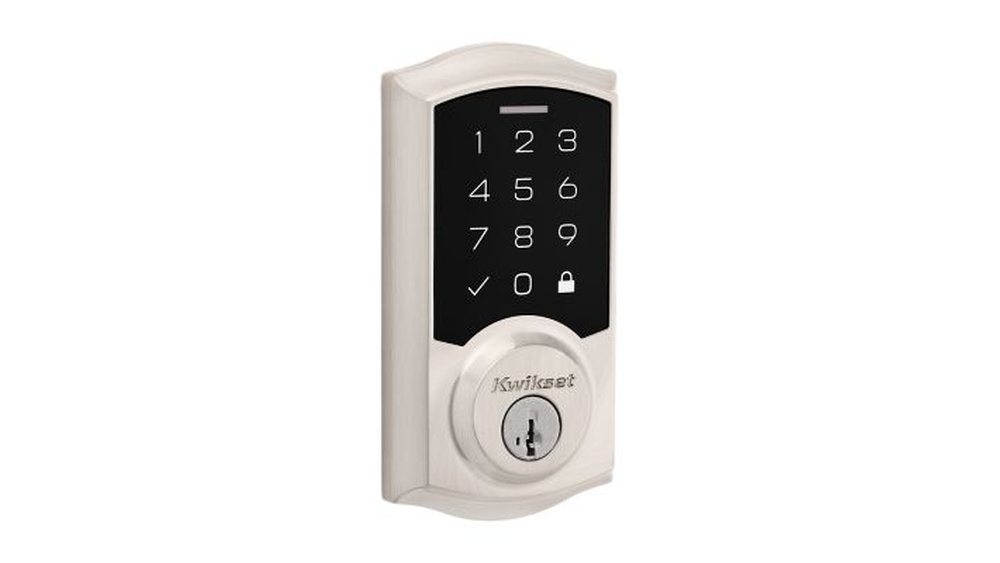
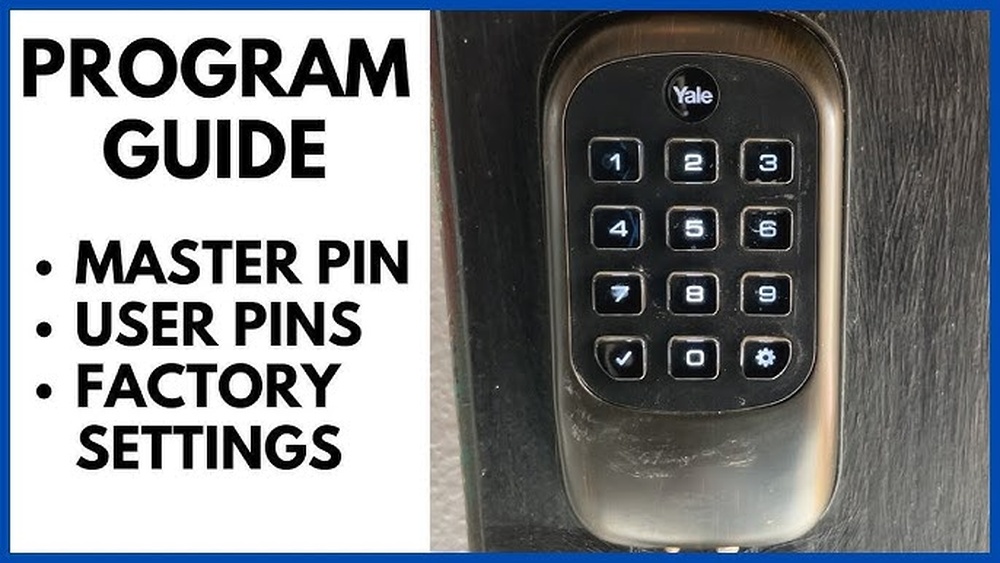
Smart deadbolts use electronic or digital controls instead of traditional keys. Some open with a code, app, or fingerprint. They often have backup keys too.
These deadbolts require different tools or methods to open. Recognizing a smart deadbolt helps avoid damage and ensures proper handling.
Gather Necessary Tools
Gathering the right tools is the first step to open a deadbolt lock. Having everything ready makes the task easier and faster. It helps avoid mistakes and damage to the lock or door. Below are the common tools you will need and important safety tips to keep in mind.
Common Tools Needed
Basic tools often include a screwdriver, tension wrench, and lock pick set. A small flashlight helps to see inside the lock. You might also need a drill if other methods do not work. Pliers can be useful for gripping or turning parts. Keep all tools clean and ready before starting.
Safety Precautions
Wear safety glasses to protect your eyes from metal shards. Work slowly and carefully to avoid breaking tools inside the lock. Avoid forcing tools, as this can cause damage. Keep fingers clear of sharp edges on tools. Make sure the door is secure and will not swing open suddenly.
Try Simple Unlocking Methods
Trying simple methods can often solve deadbolt lock problems quickly. These easy steps save time and avoid damage. Start with basic ideas before calling a professional. Small fixes might open the lock without extra tools.
Using A Spare Key
Check if you have a spare key nearby. A spare key is the easiest way to open a deadbolt. Try all your spare keys slowly and carefully. Sometimes, the right key is hidden in a drawer or with a friend. Keep spare keys in safe places for emergencies.
Lubricating The Lock
Deadbolts can stick from dirt or rust. Use a lubricant like graphite powder or silicone spray. Spray a small amount into the keyhole. Insert the key and turn it gently several times. Lubrication can help the lock work smoothly again.
Manipulating The Lock With Paperclip
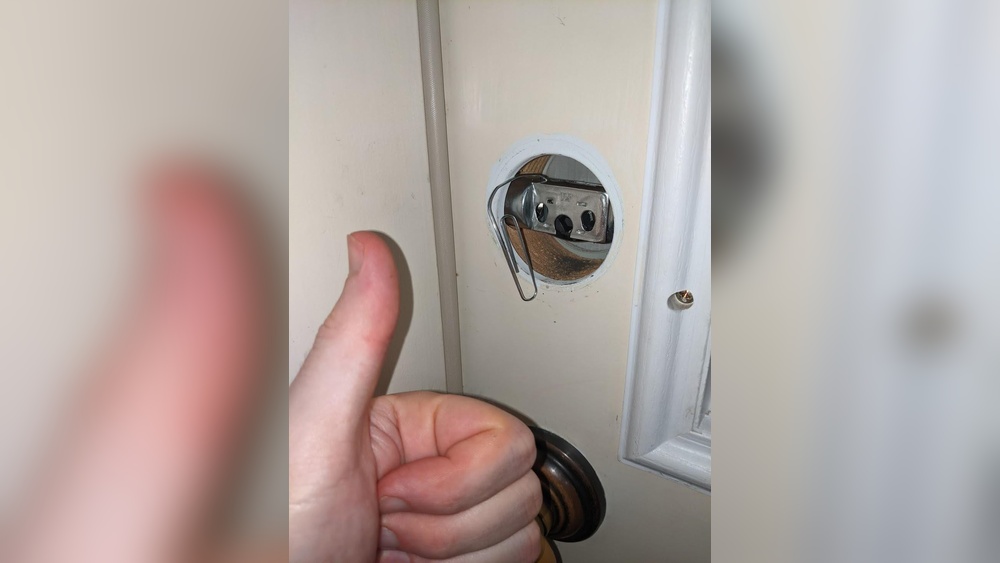
A straightened paperclip can help in some cases. Insert the paperclip into the keyhole carefully. Try to move the pins inside by pushing and twisting the clip. This method needs patience and a steady hand. It may open the lock if it’s not jammed.
Pick The Deadbolt Lock
Picking a deadbolt lock requires patience and the right techniques. This skill helps in emergencies or when keys are lost. Understanding the lock’s mechanism is the first step. Deadbolts have pins that must be aligned to open.
Using simple tools and careful movements, the lock can be picked. Practice and steady hands improve success chances. Let’s explore basic techniques and the tools needed.
Basic Lock Picking Techniques
Start by inserting a tension wrench into the lock’s bottom. Apply light pressure in the direction the key turns. Next, use a pick to lift the pins inside. Feel for pins that stick or bind. Lift each pin until it sets in place. Move through all pins one by one. Keep tension steady to avoid pins dropping. With practice, the lock will turn open.
Tools For Lock Picking
A tension wrench and a pick are essential tools. The wrench controls the lock’s rotation. Picks come in various shapes like hook or diamond. A hook pick works well for pin tumblers. Choose tools made from durable metal. Avoid cheap plastic picks that break easily. Carry a small lock pick set for convenience. These tools fit easily in a pocket or bag. Using the right tools makes picking easier.
Use A Bump Key
Using a bump key is one way to get a deadbolt unlocked. It is a simple tool that can help move the lock pins quickly. This method works for many standard locks. It requires some care and patience.
What Is A Bump Key?
A bump key is a special key cut to fit many locks of the same type. It looks like a normal key but has all the cuts at the deepest level. This design allows it to push the lock pins with a small impact. Locksmiths sometimes use bump keys to open locks without damage.
Step-by-step Bump Key Method
First, insert the bump key fully into the deadbolt lock. Make sure it fits tightly and all pins align. Next, turn the key slightly to the position where it would normally turn. Then, use a small hammer or a similar tool to tap the end of the key firmly. The tap causes the pins inside to jump. While tapping, gently turn the key to open the lock. Repeat the tapping and turning until the lock opens. Practice and a steady hand improve success with this method.

Credit: www.reddit.com
Call A Professional Locksmith
Calling a professional locksmith is often the safest way to get a deadbolt unlocked. They have the right tools and skills to handle tough locks without damage. This helps protect your door and keeps your home secure.
When To Seek Help
Try to unlock the deadbolt yourself only if you are confident. If the key breaks or the lock sticks, stop and call a locksmith. For lost keys or if the lock is old and rusty, professional help is best. Avoid forcing the lock to prevent costly repairs.
Choosing The Right Locksmith
Pick a locksmith with good reviews and proper licensing. Check if they have experience with deadbolts similar to yours. Ask about pricing upfront to avoid surprises. A local locksmith can arrive faster and knows common lock types in your area.
Prevent Future Lockouts
Preventing future lockouts saves time and stress. Taking small steps today helps avoid being locked out tomorrow. Focus on simple, smart habits that keep you prepared. Here are some effective ways to stay ahead.
Spare Key Strategies
Keep a spare key in a safe place outside your home. Give a copy to a trusted neighbor or friend nearby. Avoid hiding keys in obvious spots like under mats. Use a secure lockbox with a code for better safety. This way, you always have access without risking your security.
Smart Lock Alternatives
Consider installing a smart lock on your door. These locks use codes or apps instead of keys. You can grant access remotely to family or friends. Many smart locks send alerts when someone enters. This adds convenience and reduces the chance of lockouts.
Regular Lock Maintenance
Check your deadbolt regularly for signs of wear or damage. Lubricate the lock with graphite or silicone spray yearly. Avoid using oil-based lubricants that attract dust and dirt. Tighten loose screws and replace old parts promptly. Well-maintained locks work smoothly and lower the chance of malfunction.

Credit: www.thededicatedhouse.com
Frequently Asked Questions
How Can I Unlock A Deadbolt Without A Key?
You can try using a bump key, lock pick set, or a credit card. If unsuccessful, call a locksmith for safe unlocking.
What Tools Do I Need To Unlock A Deadbolt?
Basic tools include lock picks, tension wrench, bump key, or screwdriver. Professional locksmiths use advanced equipment for complex locks.
Can I Unlock A Deadbolt By Myself Safely?
Yes, if you have the right tools and knowledge. Otherwise, attempting may damage the lock or door, so seek professional help.
How Long Does It Take To Unlock A Deadbolt Lock?
It usually takes 5 to 15 minutes for a skilled locksmith. DIY attempts may take longer depending on your experience.
Conclusion
Getting a deadbolt unlocked does not have to be hard. Using the right tools and methods saves time and stress. Always stay calm and work carefully to avoid damage. If the lock still won’t open, calling a professional is wise.
Remember, patience helps more than force. Keep these tips in mind to handle locked deadbolts safely and easily.