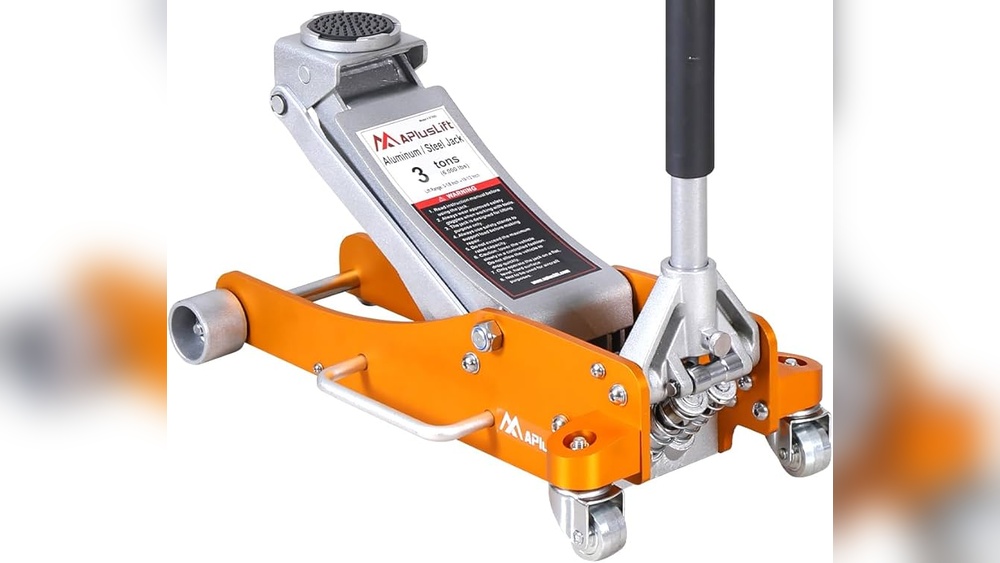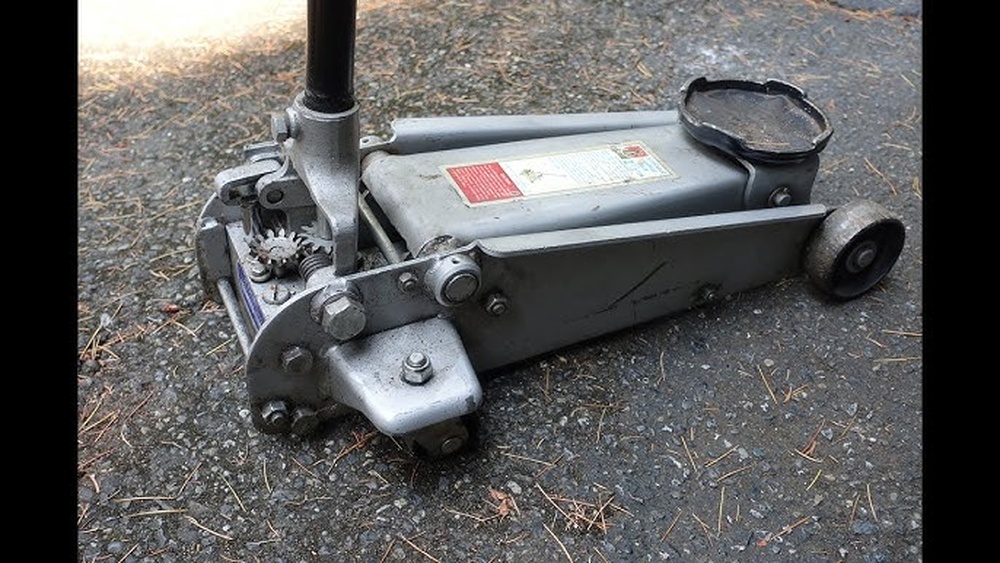
Is your Pro Lift floor jack not working like it used to? You rely on it to lift heavy loads safely, so when it fails, it can be frustrating and even dangerous.
But don’t worry—you don’t have to spend a fortune on a new one or call a mechanic right away. In this guide, you’ll learn simple, step-by-step fixes that anyone can do. By the end, your floor jack will be ready to handle your next job with ease.
Keep reading to find out how to get your Pro Lift floor jack back in top shape quickly and safely.
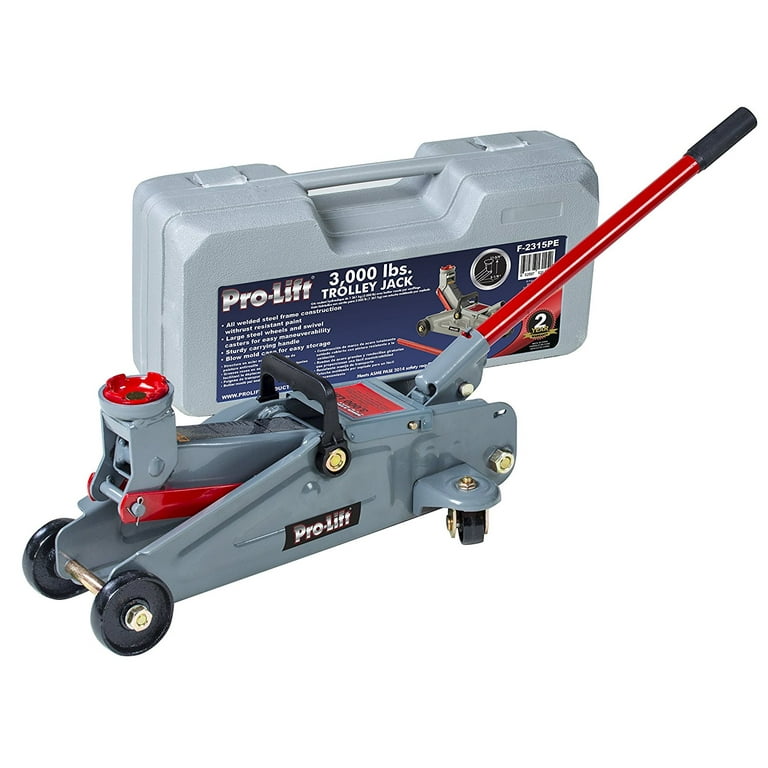
Credit: www.walmart.com
Common Pro Lift Jack Issues
Pro Lift floor jacks are useful tools for lifting heavy vehicles safely. Despite their strong build, they can develop some common problems over time. Knowing these issues helps you fix the jack quickly. This saves time and avoids extra costs.
Below are some frequent Pro Lift jack problems you might face. Each issue affects the jack’s performance differently. Understanding them makes repairs easier.
Hydraulic Fluid Leaks
Hydraulic fluid leaks are a common sign of wear. Leaks reduce the jack’s lifting power. Check seals and hoses for cracks or damage. Replace any worn parts to stop leaks. Clean the jack regularly to spot leaks early.
Jack Won’t Lift
If the jack won’t lift, the hydraulic system may be low on fluid. Air trapped inside can also cause this. Bleed the jack to release air pockets. Add the correct hydraulic fluid as needed. Inspect the pump for damage or blockages.
Jack Won’t Lower
A jack that won’t lower usually has a stuck release valve. Dirt or rust can block the valve. Clean the valve carefully and apply lubricant. Test the release mechanism to ensure it works smoothly.
Unusual Noises
Strange sounds during operation often mean worn parts. Squeaks or grinding noises need immediate attention. Check for loose bolts or damaged components. Tighten or replace parts to stop the noise and keep the jack safe.
Credit: www.blackhawkparts.com
Tools And Materials Needed
Fixing a Pro Lift floor jack requires the right tools and materials. Having these ready makes the job easier and faster. This section lists the essential items you need to repair your floor jack safely and effectively.
Basic Hand Tools
You need some basic hand tools for most repairs. A wrench set is vital for loosening and tightening bolts. Screwdrivers, both flathead and Phillips, help remove screws. Pliers allow you to grip and pull parts. A rubber mallet can be useful for gentle tapping. Have a clean cloth to wipe parts and keep them clean.
Hydraulic Fluid Types
Hydraulic fluid is key for your jack’s lifting power. Use the fluid type recommended by the manufacturer. Usually, high-quality hydraulic oil works best. Avoid using motor oil or brake fluid as substitutes. Check the fluid level often during repairs and refill if needed. Proper fluid keeps the jack working smoothly and safely.
Replacement Parts
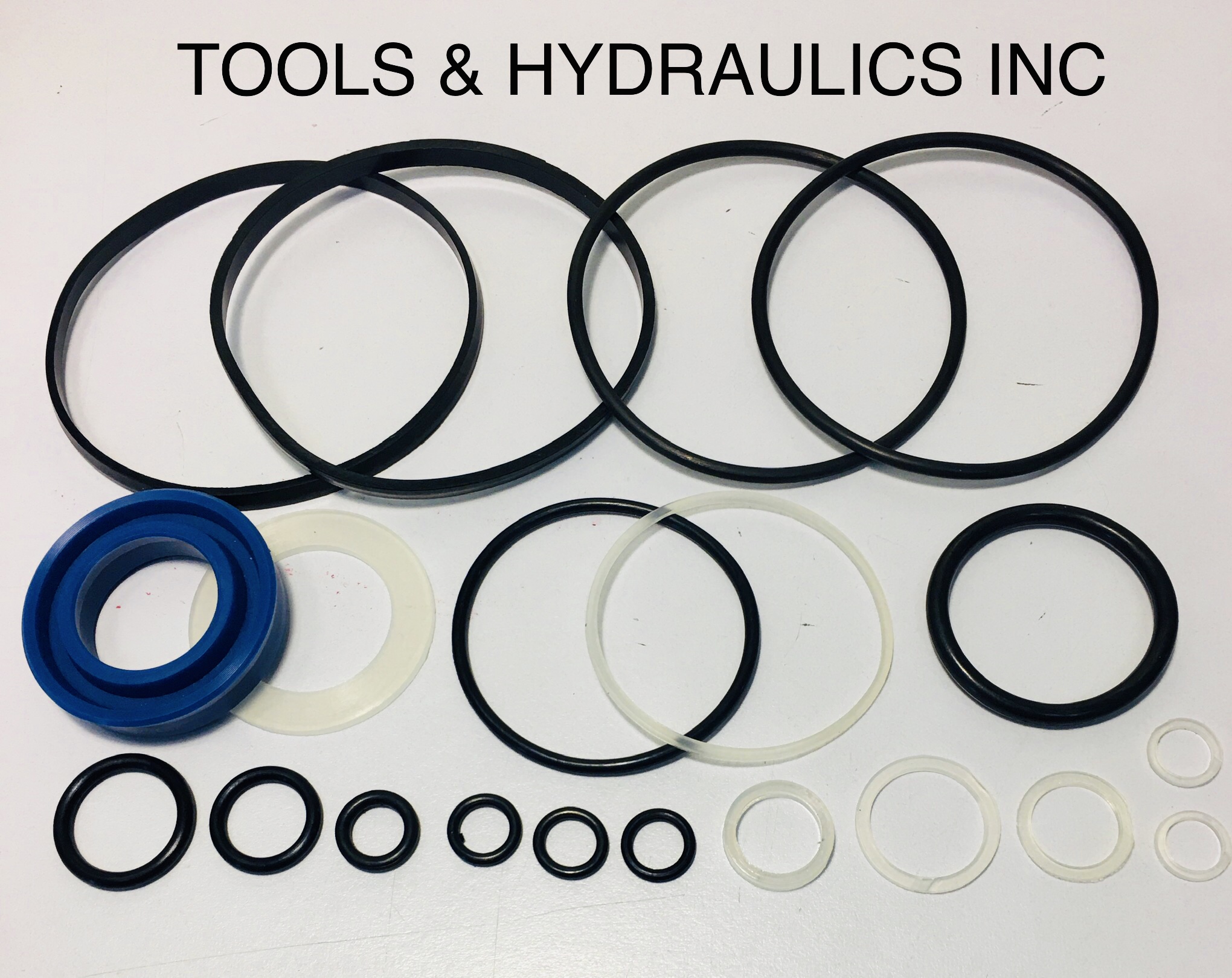
Some parts wear out and need replacing. Common replacements include seals, O-rings, and valves. These parts stop leaks and maintain pressure. Buy parts that match your Pro Lift model. Using the correct parts ensures proper function and safety. Keep these parts on hand to speed up your repair process.
Inspecting The Floor Jack
Inspecting your Pro Lift floor jack is the first step to fix it properly. A careful check helps find issues early. This prevents bigger problems and saves time. Take your time and look closely at each part. Use a clean cloth to wipe dirt and grime. This makes it easier to spot damage or leaks. A thorough inspection gives you a clear picture of what needs repair.
Checking For Leaks
Leaks are a common problem in floor jacks. Look under the jack and around hydraulic parts. Notice any wet spots or puddles of fluid. Hydraulic fluid usually looks clear or light brown. If you see liquid, the jack might lose pressure. This stops it from lifting properly. Fixing leaks quickly keeps your jack safe and reliable.
Examining Seals And O-rings
Seals and O-rings keep the hydraulic fluid inside the jack. Check these parts for cracks, breaks, or dryness. Worn seals cause fluid to leak out. Old or damaged O-rings cannot hold pressure well. Replace any seal or O-ring that looks worn. This helps the jack maintain strength while lifting.
Assessing Hydraulic Cylinder
The hydraulic cylinder moves the jack’s lifting arm. Check the cylinder for dents or rust. Make sure the piston rod slides smoothly. Sticky or rough movement means damage inside the cylinder. Look for fluid leaks around the cylinder base. Problems here can stop the jack from working. Fix or replace the cylinder if needed.
Fixing Hydraulic Fluid Leaks
Fixing hydraulic fluid leaks is key to keeping a Pro Lift floor jack working well. Fluid leaks reduce the jack’s lifting power and can cause damage. Repairing leaks stops these problems and makes the jack safe to use again.
Hydraulic fluid leaks often come from worn or damaged parts. Finding and fixing these leaks can save money and extend the jack’s life. The process involves locating the leak, replacing seals, and refilling the fluid.
Locating Leak Sources
Start by cleaning the jack to see the leak clearly. Look around the hydraulic cylinder and hoses. Check seals and fittings for wet spots or drips. Use a cloth to wipe areas and watch for fresh fluid. Leaks often appear near seals or connections.
Replacing Seals
Once the leak source is clear, remove the old seals carefully. Use the correct seal type for your floor jack. Insert new seals without twisting or stretching them. Make sure seals fit tightly to stop fluid escape. Testing after replacement ensures the leak is fixed.
Refilling Hydraulic Fluid
After fixing leaks, refill the hydraulic fluid to the right level. Use the fluid type recommended in the jack’s manual. Pour slowly to avoid air bubbles in the system. Check the fluid level often during use. Proper fluid keeps the jack lifting smoothly.
Repairing Lift Problems
Repairing lift problems on a Pro Lift floor jack can improve its performance. Common issues include slow lifting or failure to hold weight. Fixing these problems often involves simple steps anyone can follow.
This guide covers three key repair methods. These methods help restore your jack to proper working condition.
Bleeding Air From The System
Air trapped in the hydraulic system causes the jack to lift slowly. Bleeding the air removes this problem. Start by opening the release valve slightly. Pump the handle several times to push out air bubbles. Close the valve tightly before testing the jack again. Repeat if the jack still lifts slowly.
Adjusting Release Valve
The release valve controls hydraulic pressure inside the jack. If the jack lowers too fast or won’t hold weight, adjust this valve. Turn the valve clockwise to tighten and hold pressure better. Turn counterclockwise to release pressure faster. Make small adjustments and test the jack each time. Stop once the jack lifts and holds safely.
Replacing Worn Components
Worn parts cause many lift problems. Check seals, O-rings, and the pump piston for damage. Replace any parts that look cracked or worn out. Use parts made for your Pro Lift model. Clean the area before installing new components. Proper replacement extends the life of your floor jack.
Fixing Lowering Issues
Fixing lowering issues with your Pro Lift floor jack is important for safety and ease. A jack that won’t lower properly can cause delays and risk injuries. Most lowering problems happen because of dirt, rust, or lack of lubrication. Simple maintenance steps can restore smooth lowering and extend the jack’s life.
Cleaning Release Valve
The release valve controls how the jack lowers. Dirt or rust can block it. First, find the release valve near the handle. Use a clean cloth to wipe away dirt on the valve. If rust is present, apply a rust remover carefully. Turn the valve slowly to loosen any stuck parts. After cleaning, test the valve by lowering the jack gently. Repeat cleaning if the jack still won’t lower smoothly.
Lubricating Moving Parts
Moving parts need regular lubrication to work well. Use light machine oil or grease on the pivot points and hinges. Avoid over-lubricating, as too much oil can attract dirt. Wipe off extra lubricant with a cloth. Lubrication reduces friction and helps the jack lower without sticking. Check the jack after oiling to ensure it moves freely and safely.
Testing The Repaired Jack
After repairing your Pro Lift floor jack, testing it is very important. This step ensures the jack works safely and correctly. Testing helps spot any issues before real use. It also builds confidence in the repair work.
Safety Checks
Start by inspecting the jack for leaks or cracks. Check all bolts and nuts to make sure they are tight. Look at the hydraulic fluid level and refill if needed. Test the release valve to confirm it opens and closes smoothly. Make sure the jack’s handle moves freely without sticking. Always wear gloves and eye protection during these checks.
Load Testing
Place the jack on a flat, stable surface for load testing. Use a weight within the jack’s lifting capacity to avoid damage. Slowly pump the jack handle to lift the load. Watch for any slipping or unusual noises. Hold the load lifted for a few minutes to check stability. Lower the load gently and observe the jack’s response. Repeat the test a few times to confirm consistent performance.
Maintenance Tips For Longevity
Maintaining your Pro Lift floor jack helps it last longer and work better. Simple care steps prevent damage and keep it safe. Follow these tips to keep your jack in good shape.
Regular Inspection
Check the jack before each use. Look for cracks or leaks in the hydraulic system. Make sure the wheels roll smoothly. Tighten loose bolts and nuts. Early fixes stop small problems from growing.
Proper Storage
Store the jack in a dry place. Avoid damp areas that cause rust. Keep it on a flat surface to stop it from tipping. Cover the jack to keep dust off. Good storage keeps parts clean and safe.
Routine Lubrication
Lubricate moving parts every few months. Use oil or grease on wheels and joints. This reduces friction and wear. Avoid over-lubricating to keep dirt away. Smooth parts make lifting easier and safer.
Credit: www.surftherapy.es
Frequently Asked Questions
How Do I Fix A Pro Lift Floor Jack That Won’t Lift?
Check the hydraulic fluid level first. If low, refill with recommended jack oil. Inspect for leaks or air trapped in the system, then bleed the jack by opening the release valve and pumping the handle several times.
Why Is My Pro Lift Floor Jack Leaking Oil?
Oil leaks often come from worn seals or damaged O-rings. Inspect the jack for visible oil spots. Replace any faulty seals promptly to prevent further damage and maintain proper hydraulic pressure.
How Can I Bleed Air From A Pro Lift Floor Jack?
Open the release valve slowly. Pump the handle several times to push trapped air out. Close the valve and test the jack. Repeat if necessary until lifting feels smooth and consistent.
What Maintenance Keeps A Pro Lift Floor Jack Working Well?
Regularly check and refill hydraulic fluid. Lubricate moving parts with light oil. Inspect for leaks and worn components. Store the jack in a dry place to prevent rust and damage.
Conclusion
Fixing a Pro Lift floor jack is easier than it seems. Check for leaks and tight connections first. Clean parts help the jack work smoothly. Replace worn seals or valves to stop problems. Test the jack carefully after each fix.
Small repairs save money and extend jack life. Keep tools and instructions nearby for quick fixes. A working floor jack keeps your vehicle safe. Simple steps make a big difference in performance. Stay patient and follow each step carefully. You can keep your jack running strong.