Want to hang something heavy on your wall but don’t have a drill? You’re not alone.
Drilling can be noisy, messy, and sometimes just not an option—especially if you’re renting or don’t own power tools. But what if you could still get a strong, reliable anchor in your wall without making a single hole with a drill?
You’ll discover simple, effective ways to secure anchors quickly and safely. Keep reading, and you’ll learn tips that save you time, effort, and frustration—so your walls stay intact and your items stay put.
Choosing The Right Anchor
Choosing the right anchor is key to securing items on your wall without a drill. The anchor must fit the wall type and the weight of the object. Picking the wrong anchor can cause damage or make the item fall. This section explains different anchors and the best choices for various walls.
Types Of Wall Anchors
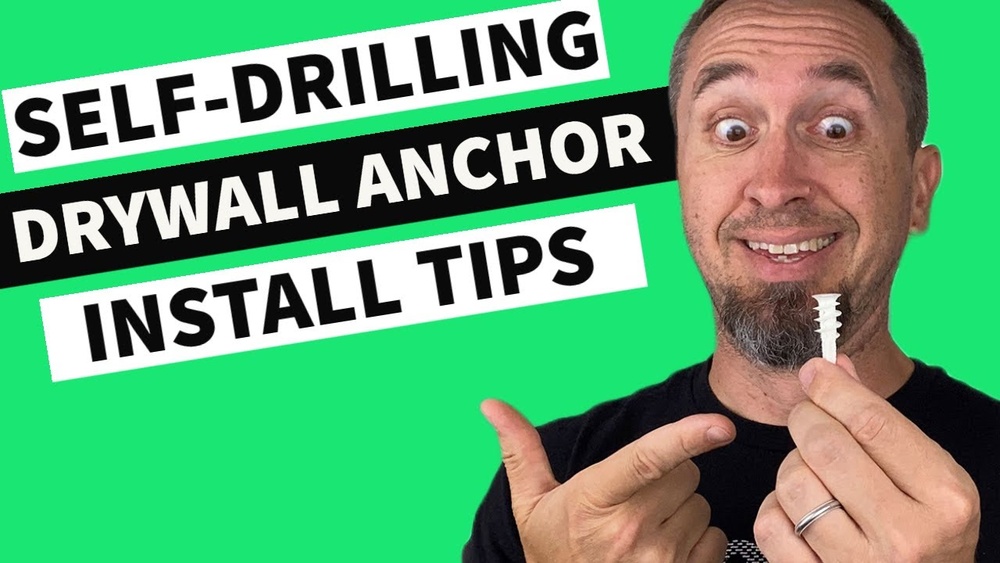
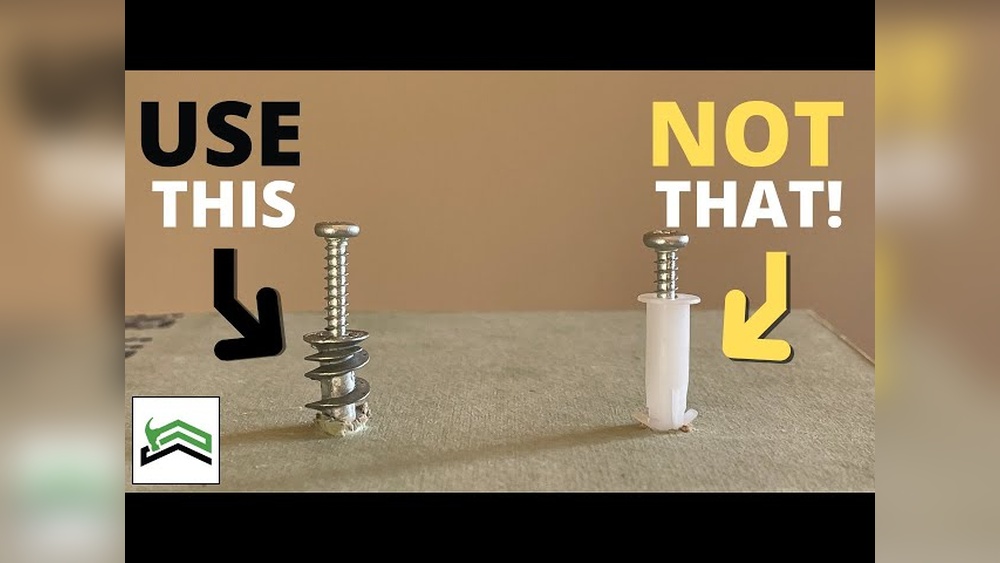
Wall anchors come in many forms. Plastic expansion anchors expand inside the wall to hold tight. Self-drilling anchors screw directly into drywall without pre-drilling. Toggle bolts use wings that open behind the wall for strong support. Adhesive anchors stick to the wall surface for light objects. Each type works differently depending on the wall and weight.
Best Anchors For Different Walls
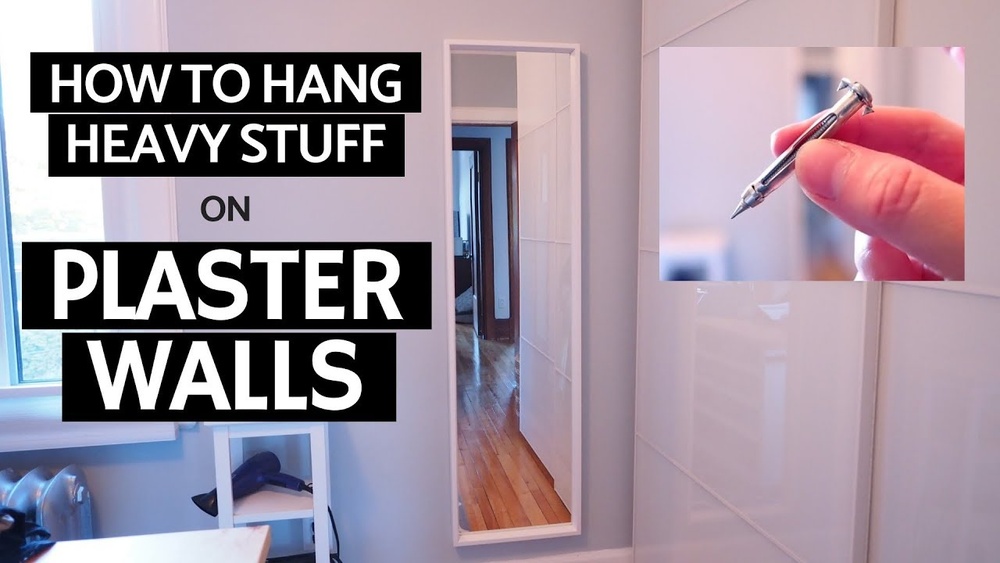
Drywall needs anchors that spread the load over a larger area. Self-drilling anchors and toggle bolts work well here. For plaster walls, plastic expansion anchors are gentle and effective. Concrete or brick walls require heavy-duty anchors or adhesive types. Hollow walls do best with toggle bolts for strong hold. Match the anchor to the wall for safe and lasting support.

Credit: www.reddit.com
Preparing The Wall Surface
Preparing the wall surface is the first step to get a strong anchor without a drill. A clean and well-checked wall helps the anchor hold better. Take your time to prepare the wall well. This will make the process easier and safer.
Cleaning And Marking
Start by cleaning the wall with a dry cloth. Remove dust, dirt, and grease. A clean surface helps the anchor stick tightly. After cleaning, mark the exact spot for the anchor. Use a pencil or tape to make a clear mark. This prevents mistakes and keeps your work neat.
Checking Wall Material
Identify the wall type before fixing the anchor. Different materials need different anchors. Walls can be plaster, drywall, brick, or concrete. Press gently on the wall to feel its strength. Soft walls need special anchors. Hard walls hold most anchors well. Knowing your wall type helps you choose the right method and tool.
Using Adhesive Hooks
Using adhesive hooks is a simple way to hang items without drilling holes. These hooks stick directly to the wall and hold lightweight objects securely. They are perfect for renters or anyone who wants to avoid damage to walls.
Adhesive hooks come in many styles and sizes. Choosing the right one depends on the weight and type of the item you want to hang. Proper use ensures the hook stays in place and holds well over time.
Selecting Strong Adhesives
Choose adhesive hooks with strong bonding glue. Look for hooks labeled as heavy-duty or extra strong. Check the weight limit on the package to match your item’s weight. Hooks with foam or rubber backing offer better grip on smooth surfaces. Avoid cheap brands with weak adhesives to prevent falling hooks.
Proper Application Techniques
Clean the wall surface well before applying the hook. Use rubbing alcohol to remove dust and grease. Let the area dry completely for best results. Press the hook firmly against the wall for 30 seconds. Hold it in place without moving for a minute. Wait at least one hour before hanging anything on the hook. This helps the adhesive bond tightly to the wall.
Tapping Anchors With A Hammer
Tapping anchors with a hammer is a simple way to fix items on walls without using a drill. This method works well for light to medium loads. It saves time and avoids making large holes. You only need the right anchors and a hammer to get started.
Choosing Nail-in Anchors
Nail-in anchors are made for easy installation. They have a plastic or metal sleeve with a nail inside. The nail helps push the anchor into the wall. Choose anchors that fit your wall type. Drywall anchors work well for plaster or drywall. Use metal anchors for stronger hold on harder walls.
Step-by-step Installation
Start by marking the spot on the wall. Hold the anchor against this mark. Tap the nail gently with a hammer. Keep tapping until the anchor is flush with the wall. Avoid hitting too hard to prevent damage. Once the anchor is in place, pull out the nail. The anchor stays fixed inside the wall, ready to hold screws.
Leveraging Toggle Clamps
Leveraging toggle clamps offers a smart way to anchor items on walls without drilling holes. These clamps provide strong support by gripping the wall firmly. They work well on various wall surfaces, such as drywall or plaster. Using toggle clamps avoids damage and keeps walls intact. This method suits renters or those who want temporary fixtures.
How Toggle Clamps Work
Toggle clamps use a spring-loaded mechanism for a tight grip. The clamp has a lever that moves a bar behind the wall. This bar spreads the pressure over a larger area inside the wall. It holds the clamp firmly against the wall surface. The design prevents slipping and offers steady support. Toggle clamps can hold heavy items without screws or nails.
Installing Without Drilling
Start by choosing a toggle clamp that fits your wall thickness. Open the clamp and insert it into a small hole or gap. Push the lever to lock the clamp inside the wall. The bar will spread and hold the clamp firmly. Attach the item to the clamp’s front securely. This process avoids drilling and keeps the wall safe. Removing the clamp leaves no visible marks or damage.

Credit: www.youtube.com
Utilizing Command Strips
Utilizing command strips offers a simple way to hang items on walls without drills. These strips stick firmly and remove cleanly, leaving no holes or marks. They work well for lightweight objects and help avoid wall damage. Many people use them for pictures, small shelves, and decorations.
Weight Limits And Uses
Command strips hold up to 16 pounds per set, depending on the type. Use multiple strips for heavier items to increase strength. They are best for smooth, clean surfaces like painted walls or tiles. Avoid using them on rough, porous, or wallpapered walls. Great for hanging frames, hooks, and small organizers.
Surface Preparation Tips
Clean the wall with rubbing alcohol before applying strips. Avoid soap or water, as they can reduce stickiness. Let the surface dry completely to ensure strong adhesion. Press strips firmly against the wall for 30 seconds. Wait one hour before hanging any item on the strip.
Securing With Push Pins And Tacks
Securing items to a wall without a drill can be simple using push pins and tacks. These small tools hold light objects firmly. They work well on soft materials like drywall or corkboard. Using them saves time and avoids damage from large holes.
Push pins and tacks come in many shapes and colors. They are easy to use and remove. Perfect for hanging pictures, posters, or notes. They offer a quick solution for temporary or light displays.
When To Use Push Pins
Use push pins for lightweight items only. Ideal for paper, fabric, or thin cardboard. They work best on soft walls like drywall or cork. Avoid using push pins on hard surfaces like brick or concrete. Good for decorating dorm rooms or offices. Use them when you want to avoid large holes. Perfect for small pictures or calendars.
Limitations And Precautions
Push pins hold only light items securely. Heavy objects can fall and cause damage. Not suitable for thick or heavy frames. Pins may loosen over time, especially in humid places. Avoid using on walls with moisture or weak drywall. Press pins straight to prevent bending or breaking. Keep out of reach of children to avoid accidents.
Safety Tips And Best Practices
Working without a drill to get an anchor in the wall requires care. Safety should always come first. Following the right tips helps protect your wall and hold your items securely. This section covers important safety tips and best practices for a safe and strong anchor.
Avoiding Wall Damage
Start by choosing the right spot on the wall. Avoid areas with wires or pipes behind them. Use a stud finder or tap to find solid spots. Use gentle pressure when pushing anchors in. Do not force them hard to avoid cracks. If the wall feels soft or crumbly, do not try anchoring there. Always test a small area first to check the wall’s strength.
Ensuring Load Support
Check the weight of the item before placing an anchor. Use anchors made for the weight you need to hold. Spread the load if the item is heavy by using multiple anchors. Tighten anchors just enough to hold the item. Over-tightening can damage the wall and reduce strength. After installing, gently test the anchor by applying pressure. Make sure it holds firm without moving.
:max_bytes(150000):strip_icc()/how-to-use-and-discard-anchor-screws-1822671-Final-ec8091ccf65241b1b1f888549f25003a.jpg)
Credit: www.thespruce.com
Frequently Asked Questions
How Can I Secure An Anchor Without Using A Drill?
You can use adhesive anchors or self-adhesive hooks designed for walls. They provide strong holding power without drilling. Alternatively, use tension rods or removable wall hooks for lightweight items.
What Tools Do I Need To Anchor Without Drilling?
Common tools include adhesive anchors, wall hooks, a hammer, and a screwdriver. No power tools are necessary. Choose tools based on your wall type and item weight.
Are Adhesive Anchors Strong Enough For Heavy Items?
Adhesive anchors work well for light to medium-weight items. For heavy objects, use multiple anchors or consider alternative mounting solutions. Always check the product weight rating before use.
Can I Use Wall Anchors On Drywall Without Drilling?
Yes, you can use self-adhesive or tension-based anchors on drywall. However, they may not support heavy loads. For heavy items, drilling is usually more reliable.
Conclusion
Getting an anchor in the wall without a drill is easier than you think. Use simple tools and follow safe steps. Choose the right method for your wall type and weight needs. Take your time and be careful with each step.
This way, you can hang items securely without extra tools. Try these tips for a quick, drill-free solution. Your walls will stay safe and strong. Simple and smart—no drill needed!