Have you ever found yourself locked out and wished there was a quick way to open a deadbolt without a key? Knowing how to make a bump key for a deadbolt can be a handy skill in emergencies or for locksmith enthusiasts.
In this guide, you’ll discover simple steps to create your own bump key using everyday tools. By learning this technique, you’ll gain insight into how locks work and how to handle tricky situations with confidence. Keep reading, and you’ll be surprised at how easy it can be to master this useful skill.
What Is A Bump Key
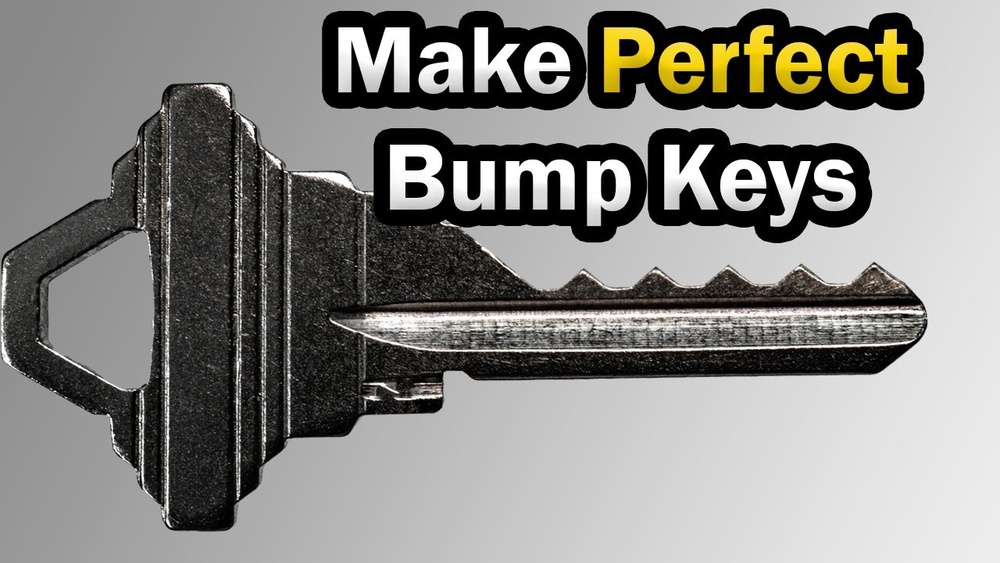
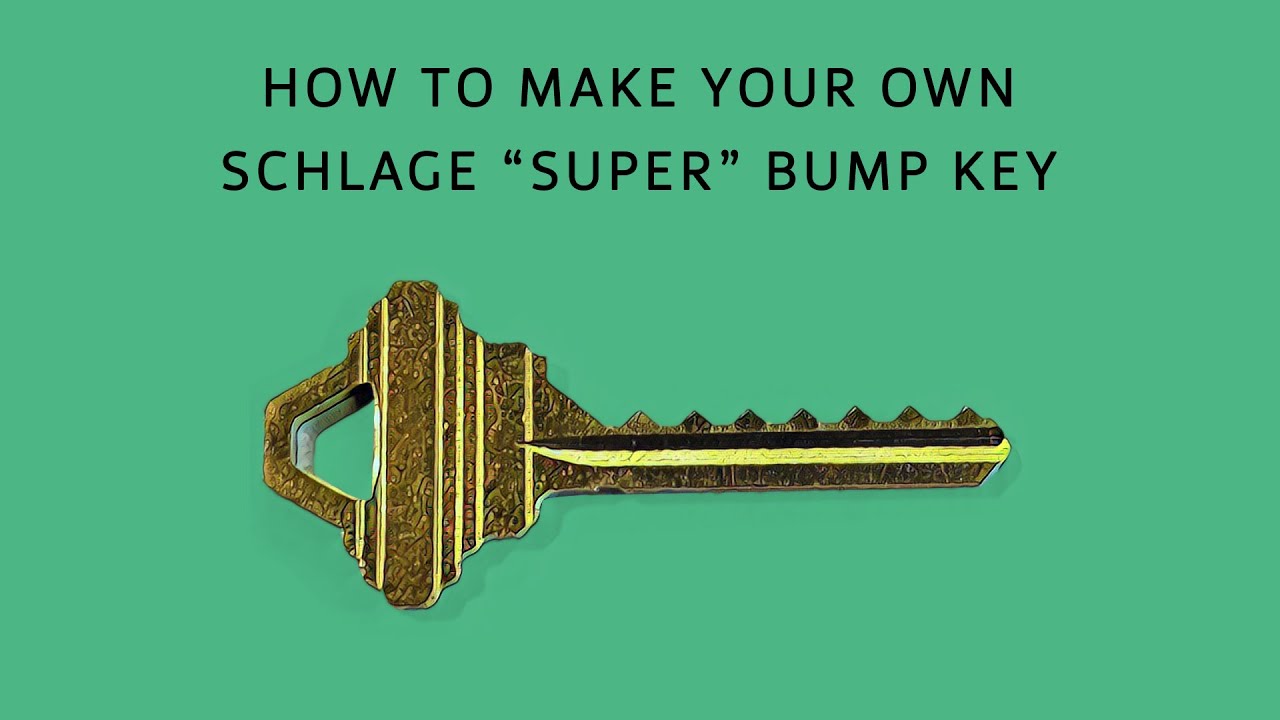
A bump key is a special key used to open pin tumbler locks. These locks are common in homes and offices. The key has all its cuts set to the lowest depth. This design allows it to fit into many locks of the same type.
People use bump keys to quickly unlock doors without the original key. The technique involves inserting the bump key into the lock and tapping it. This action moves the pins inside the lock to the right position. As a result, the lock cylinder turns easily.
Bump keys do not damage the lock. They work by exploiting how pin tumbler locks function. Understanding a bump key helps explain how to make one for a deadbolt lock. It also shows why locks need strong security features.
How A Bump Key Works
Pin tumbler locks have small pins inside the cylinder. Each pin has two parts, called driver and key pins. The key pins match the cuts on a key. When the right key is inserted, all pins align at the shear line.
The bump key uses force to push the pins up. A quick tap moves the driver pins above the shear line. This allows the cylinder to rotate. The process is fast and can open the lock in seconds.
Types Of Locks That Bump Keys Can Open
Bump keys work on pin tumbler locks only. These locks are common in deadbolts, padlocks, and door knobs. Other locks, like wafer or disc tumbler types, do not respond to bump keys. Knowing this helps choose the right lock for security.
Using a bump key on locks you do not own is illegal. It is important to use bump keys responsibly. They serve as a tool for locksmiths and professionals. Always respect privacy and property rights when handling lock tools.
Tools Needed
Making a bump key for a deadbolt requires a few simple tools. Each tool plays a key role in shaping and preparing the key. Gather these items before starting the process to ensure smooth work.
Flat Key Blank
A flat key blank matches the deadbolt type. It acts as the base for your bump key. Choose one that fits the lock brand and model.
File Or Metal Grinder
A file or metal grinder shapes the key’s teeth. It allows you to cut the bumps precisely. A fine metal file works well for small adjustments.
Marker Or Pencil
A marker or pencil helps mark the key’s teeth. Mark where you will file to avoid mistakes. Clear marks guide you during the cutting process.
Safety Glasses
Safety glasses protect your eyes from metal dust and debris. Always wear them during filing or grinding. Eye protection is important for safe working.
Clamp Or Vise
A clamp or vise holds the key steady. This keeps the key from moving while you file. It makes the process easier and more accurate.
Selecting The Right Key Blank
Selecting the right key blank is a crucial step in making a bump key for a deadbolt. The key blank must match the lock type exactly. Using the wrong blank will not work and may damage the lock.
Choosing the correct blank ensures the bump key fits well. It also makes bumping easier and more effective. Focus on the lock brand and model to find the right blank.
Selecting A Key Blank That Matches Your Lock
Each lock brand uses specific key blanks. Find the brand and model of your deadbolt. Then, search for key blanks designed for that brand. This step avoids mismatches and saves time.
Identifying The Keyway Type
Deadbolt locks use different keyway shapes. Identify if your lock uses a standard, paracentric, or other keyway. The key blank must fit inside the keyway smoothly. Check the grooves and cuts carefully.
Choosing A Durable Key Blank Material
Key blanks come in various metals like brass and nickel silver. Choose a blank made of strong metal. This helps the bump key last longer. Avoid cheap materials that bend or break easily.
Where To Buy Quality Key Blanks
Buy key blanks from trusted locksmith shops or online stores. Quality blanks improve your chances of success. Avoid low-quality or generic blanks, as they may not work well.

Credit: www.wikihow.com
Preparing The Key Blank
Preparing the key blank is the first important step in making a bump key for a deadbolt. This process shapes the key so it can fit and work inside the lock. You need the right tools and patience to prepare the key correctly. A well-prepared key blank helps the bump key function smoothly and safely.
Filing The Key
Start by choosing a key blank that fits your deadbolt. Use a metal file to shape the key’s teeth. File down each tooth evenly to the same height. Small, careful strokes work best. Check the key often to keep the shape right. Avoid filing too much or too little. The goal is a smooth, flat edge on all teeth.
Smoothing The Edges
After filing, the key’s edges may feel rough or sharp. Use fine sandpaper or a metal file to smooth these edges. Rub gently to remove any burrs or sharp spots. Smooth edges help the key slide easily inside the lock. This step also prevents damage to the lock or the key. Take your time to finish this part well.
Testing The Bump Key
Testing the bump key is a vital step after crafting it. This step shows if the key fits and works with the deadbolt lock. Testing helps avoid damage and ensures the key functions correctly. It requires care and patience to get the best result.
How To Position The Key
Insert the bump key gently into the lock. Push it all the way but do not force it. The key teeth must face upwards. Hold the key firmly but do not turn it yet. Proper positioning is key to success.
Applying The Bump Technique
Hold a small tool to tap the key’s end lightly. Tap once or twice with a soft object like a plastic hammer. At the same time, try to turn the key slowly. The bump causes the pins to jump, allowing the lock to turn. Repeat the process calmly until the lock opens.
Troubleshooting Common Issues
Troubleshooting common issues is key when making a bump key for a deadbolt. Problems can stop the key from working properly. Understanding these issues helps fix them quickly.
Many beginners face trouble with key shape and bumping technique. Small mistakes cause the deadbolt to stay locked. Patience and practice solve most problems.
Incorrect Key Shape
The key must match the lock’s pin configuration. If the cuts are too deep or too shallow, the key won’t work. Measure carefully and file the key edges evenly. Use a smooth filing motion to avoid rough cuts.
Wrong Bumping Force
Too hard or too soft a bump stops the pins from moving. Try gentle, controlled taps with a small hammer or screwdriver handle. Practice different force levels to find what works best for the lock.
Misaligned Key Position
The key must sit fully in the lock before bumping. Partial insertion prevents pins from aligning. Push the key all the way in and hold it steady while bumping.
Dirty Or Rusty Locks
Dirt or rust inside the lock can block pin movement. Spray a small amount of lubricant inside the keyhole. Turn the key gently to spread the lubricant before bumping again.
Worn Out Pins
Old locks may have worn pins that do not respond to bumping. Check if the lock feels loose or sticky. Replacing the lock or pins may be necessary for proper function.
Safety And Legal Considerations
Making a bump key for a deadbolt involves risks beyond the technical steps. Safety and legal factors are very important to consider. Ignoring these aspects can lead to serious trouble. This section explains key points about safety and the law.
Legal Restrictions On Bump Keys
Many places have strict laws about bump keys. Using or making bump keys without permission is often illegal. It can be seen as an attempt to break in. Always check your local laws before starting.
Risks Of Using Bump Keys
Bump keys can damage locks if used wrongly. They might cause the lock to stop working. Only use bump keys on locks you own or have permission to open. This avoids damage and legal issues.
Safety Precautions During Bump Key Use
Work in a safe environment with good lighting. Wear safety glasses to protect your eyes. Keep tools and keys away from children. Handle all tools carefully to avoid injuries.
Ethical Considerations
Respect others’ property and privacy. Never use bump keys to enter places without permission. Use this knowledge only for learning or emergencies. Being responsible helps keep trust and safety in your community.
Credit: www.youtube.com

Credit: www.wikihow.com
Frequently Asked Questions
What Is A Bump Key And How Does It Work?
A bump key is a specially cut key used to unlock pin tumbler locks. It works by applying force to “bump” the pins, aligning them and allowing the lock to open without the original key.
Is Making A Bump Key For A Deadbolt Legal?
Creating a bump key can be illegal if used for unauthorized entry. Always ensure you have permission or own the lock before making or using a bump key.
What Tools Are Needed To Make A Bump Key?
To make a bump key, you need a blank key, a file or grinder, and a tension wrench. These help shape the key and manipulate the lock pins effectively.
Can Any Deadbolt Be Opened With A Bump Key?
Not all deadbolts are vulnerable to bump keys. High-security or bump-resistant locks have special pins or mechanisms that prevent bumping.
Conclusion
Making a bump key for a deadbolt takes care and practice. Always follow safety rules and respect laws. Use the right tools and take your time. This skill can help you understand locks better. Keep learning and improving step by step.
Remember, responsible use is important for everyone’s safety. Stay patient, and don’t rush the process. You can try again if it doesn’t work at first. This guide gives a clear path to start.