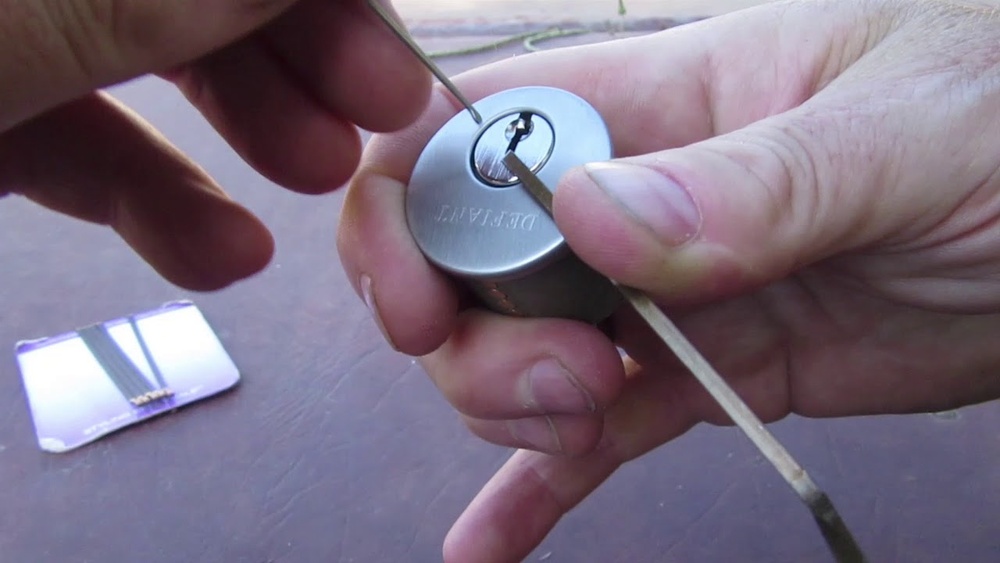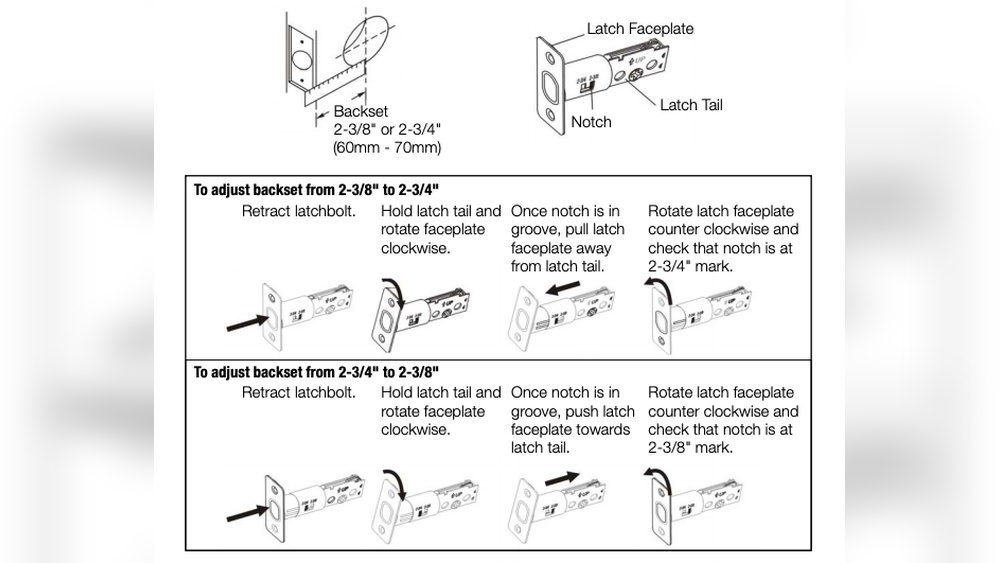
Looking to boost your home’s security quickly and easily? Installing a single cylinder deadbolt lock is one of the smartest moves you can make.
You don’t need to be a handyman or spend hours figuring it out. With the right steps, you can have a strong, reliable lock protecting your door in no time. In this guide, you’ll discover exactly how to install a single cylinder deadbolt lock – no confusion, no hassle.
Ready to take control of your home’s safety? Let’s get started.
Tools And Materials Needed
Installing a single cylinder deadbolt lock is a simple project. Having the right tools and materials makes the job easier and faster. Preparing everything before you start saves time and frustration.
Gather all necessary items. Check each tool for good condition. This ensures smooth installation without interruptions.
Tools Needed
- Phillips screwdriver – for screws.
- Flathead screwdriver – to help with prying.
- Power drill – to create holes if needed.
- Drill bits – sized for screws and lock components.
- Measuring tape – to measure door thickness and mark holes.
- Pencil – to mark drilling spots.
- Chisel – to adjust the door or frame if needed.
- Hammer – to use with the chisel.
Materials Needed
- Single cylinder deadbolt lock kit – includes lock, latch, and strike plate.
- Wood screws – usually come with the lock kit.
- Masking tape – to protect the door surface while working.
- Safety glasses – to protect your eyes during drilling and chiseling.
Choosing The Right Deadbolt
Choosing the right deadbolt is important for your home’s security. The right lock keeps your home safe and adds peace of mind. Not all deadbolts are the same. Some fit better for certain doors and needs.
Understanding the types and features helps you pick the best deadbolt. Focus on strength, ease of use, and compatibility with your door.
Types Of Single Cylinder Deadbolts
Single cylinder deadbolts use a key outside and a thumb turn inside. They are simple and common for residential doors. These locks work well for doors with windows or glass near the lock.
Material And Build Quality
Strong materials like solid brass or steel last longer. They resist drilling and force better. Avoid cheap metals that can break easily. A sturdy deadbolt adds real security.
Lock Grade And Security Ratings
Locks have grades from 1 to 3. Grade 1 is the strongest and best for security. Grade 2 is good for most homes. Grade 3 offers basic protection. Choose a lock with at least grade 2 for safety.
Size And Door Compatibility
Check the lock size matches your door thickness. Most locks fit doors from 1 3/8 to 1 3/4 inches thick. Make sure the deadbolt fits well to avoid problems later. Measure before buying.
Ease Of Installation
Some deadbolts come with easy-to-follow instructions. Choose one that fits your skill level. Simple locks save time and reduce frustration. Consider if you want to install it yourself or hire help.
Preparing The Door
Preparing the door is the first step in installing a single cylinder deadbolt lock. This stage ensures the lock fits perfectly and works safely. Careful preparation avoids problems later. Follow these steps closely to get the best results.
Measuring And Marking
Start by measuring the door thickness. Most deadbolts fit doors 1 3/8 to 1 3/4 inches thick. Use a tape measure to check your door.
Mark the lock height on the door edge. Usually, this is 6 to 12 inches above the doorknob. Use a pencil to mark the spots clearly.
Mark the center point for the lock hole on the door face. This mark guides your drill to the right place. Double-check all marks before drilling.
Drilling Holes
Select the drill bit size that matches your deadbolt kit. Usually, a 2 1/8 inch hole saw is needed for the main hole. Use a smaller bit for the latch hole on the door edge.
Drill the face hole first, keeping the drill steady and straight. Drill slowly to avoid splintering the wood. Next, drill the edge hole for the latch.
Clear any wood debris from the holes. Test fit the latch and lock parts to make sure holes are correct. Adjust if needed before moving on.
Credit: www.youtube.com
Installing The Deadbolt
Installing a single cylinder deadbolt lock is a simple task anyone can do. It adds strong security to your door. Follow clear steps to fit the lock correctly. Take your time and work carefully. The right fit keeps your home safe and the lock working well.
Fitting The Lock Cylinder
Start by placing the lock cylinder into the door hole. Make sure the keyhole faces outside. The cylinder should fit snugly without wobbling. Check that the tailpiece extends through the door. This part connects to the lock inside. Tighten the screws to hold the cylinder firmly. Do not over-tighten or strip the screws. The cylinder must turn smoothly with the key.
Securing The Lock Body
Next, position the lock body on the inside of the door. Align it so the tailpiece fits into the lock mechanism. Attach the lock body using the screws provided. Tighten them evenly to keep the lock steady. Test the deadbolt by turning the thumb turn. It should slide the bolt in and out easily. Adjust the lock if needed for smooth operation.
Attaching The Strike Plate
Attaching the strike plate is a key step in installing a single cylinder deadbolt lock. It helps secure the door and ensures the lock works correctly. The strike plate fits into the door frame and catches the bolt when locked. Proper placement and secure attachment keep your door safe.
Prepare The Door Frame
Start by cleaning the door frame area. Remove any old hardware or debris. Check that the hole for the bolt is clear and fits well. Use a chisel to make space for the strike plate if needed. The plate should sit flush with the frame surface.
Align The Strike Plate
Place the strike plate over the hole in the door frame. Make sure the bolt hole in the plate lines up with the deadbolt. Hold the plate steady and mark the screw holes with a pencil. Correct alignment helps the lock function smoothly.
Attach The Strike Plate With Screws
Use a drill or screwdriver to attach the strike plate. Choose screws that are long and strong for better security. Tighten the screws firmly but avoid splitting the wood. Check that the plate does not move and the bolt fits well.
Testing The Lock
Testing the lock is an important step after installation. It ensures the deadbolt works smoothly and keeps your door secure. Checking the lock prevents future problems and adds peace of mind.
Checking The Lock’s Operation
Turn the key slowly to test the lock. The bolt should move in and out easily. If it sticks, adjust the screws or the strike plate. Test the lock from both sides of the door.
Testing The Deadbolt Alignment
Close the door and watch the bolt enter the strike plate. The bolt should fit fully without resistance. If it does not, adjust the strike plate position. Proper alignment prevents the lock from jamming.
Ensuring Smooth Key Rotation
Insert the key and turn it several times. It should turn without force or hesitation. If the key feels tight, try lubricating the lock cylinder. Smooth key rotation extends the lock’s life.
Verifying Lock Security
Check that the deadbolt stays fully extended when locked. Push on the door to test strength. A secure lock resists pressure and keeps the door firmly closed. This confirms your lock installation is effective.
Troubleshooting Common Issues
Installing a single cylinder deadbolt lock can sometimes lead to small problems. These issues often stop the lock from working well. Fixing these problems fast keeps your door safe and easy to use.
Below are common problems and simple ways to fix them. Understanding these helps you keep the lock working smoothly. No need to call a locksmith for every small issue.
Misaligned Deadbolt
The deadbolt must line up with the strike plate on the door frame. If it does not, the lock will not close or open easily. Check the hole in the door frame. It should match the deadbolt’s size and position.
Adjust the strike plate by moving it slightly up, down, or sideways. Use a screwdriver to loosen and tighten the screws. If needed, enlarge the hole with a drill for a better fit. Test the deadbolt after each change.
Key Difficulties
Sometimes, the key is hard to turn or gets stuck. Dust or dirt inside the lock can cause this. Spray a small amount of graphite lubricant into the keyhole. Avoid oil-based products as they attract dirt.
Check that the key is not bent or damaged. A bent key will not turn smoothly. Try using another key if you have a spare. If the problem continues, the lock cylinder might need replacement.
Lock Jamming
A jammed lock means the deadbolt does not move at all. This often happens because of worn parts inside the lock. Remove the lock and clean all parts carefully.
Look for broken or bent pieces. Replace any damaged parts. Reinstall the lock and test it. Tighten screws but do not over-tighten, as this can cause jamming. Make sure the door closes fully before locking.

Credit: doorcorner.com
Maintenance Tips
Proper maintenance helps your single cylinder deadbolt lock last longer. It keeps the lock working smoothly and prevents problems. Regular care avoids costly repairs and improves security.
Follow these easy tips to keep your lock in good condition. Simple steps can make a big difference.
Lubricate The Lock Mechanism
Use graphite powder or a silicone-based lubricant. Spray or apply a small amount inside the keyhole. Avoid oil-based lubricants that attract dust and dirt. Lubricate twice a year for best results.
Clean The Exterior Parts
Wipe the lock and surrounding door area with a damp cloth. Remove dust, dirt, and grime. Use mild soap if needed. Dry the surface well to prevent rust and corrosion.
Check The Lock Alignment
Test the lock by turning the key and knob. Make sure it moves smoothly without sticking. Adjust the strike plate if the bolt does not line up. Proper alignment prevents wear and damage.
Tighten Loose Screws
Inspect all screws on the lock and door plate. Tighten any loose screws with a screwdriver. Loose screws can cause the lock to malfunction or break.
Test The Lock Regularly
Lock and unlock the door several times a month. This keeps internal parts moving freely. Early detection of issues saves time and money.
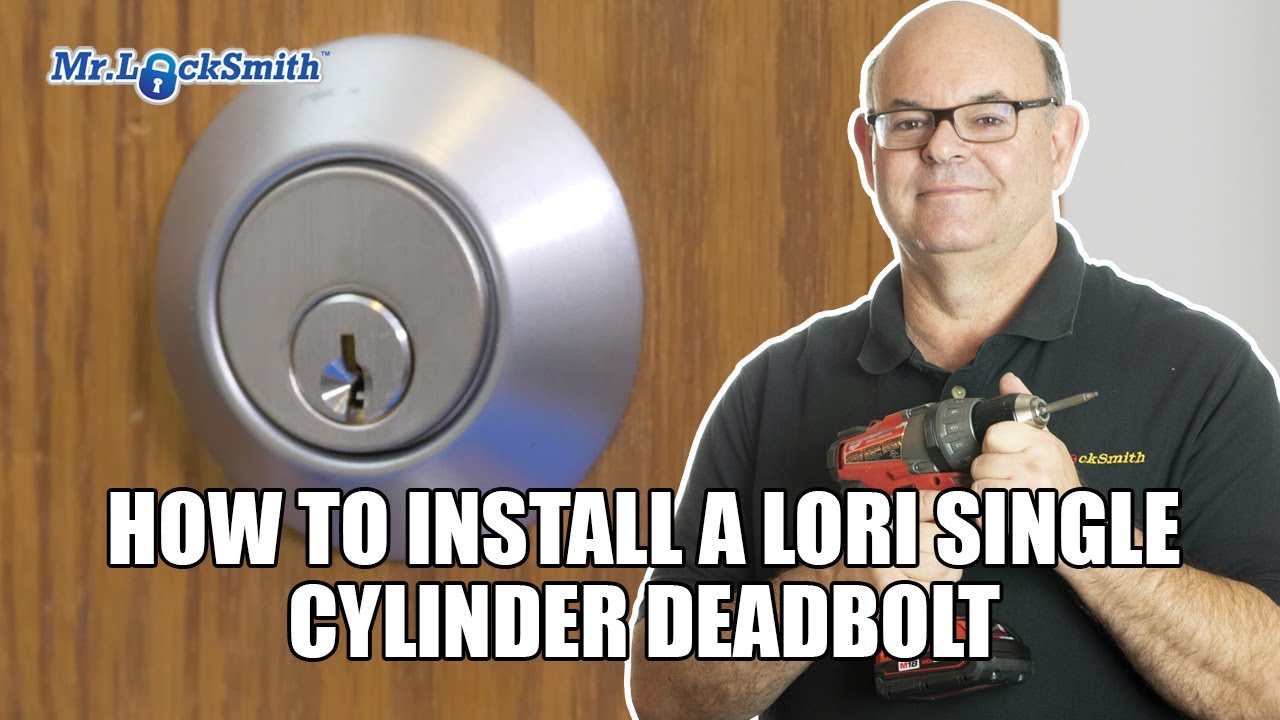
Credit: www.youtube.com
Frequently Asked Questions
What Tools Are Needed To Install A Single Cylinder Deadbolt?
You need a drill, screwdriver, tape measure, pencil, and the deadbolt kit. These tools ensure accurate installation and secure fitting.
How Long Does It Take To Install A Deadbolt Lock?
Installing a single cylinder deadbolt usually takes 30 to 45 minutes. This time varies by experience and door type.
Can I Install A Deadbolt On Any Door Type?
Yes, single cylinder deadbolts fit most wooden and metal doors. Ensure the door thickness matches the lock specifications.
Is It Necessary To Drill New Holes For The Deadbolt?
Often, yes. You must drill a hole for the lock cylinder and latch if your door lacks pre-drilled holes.
Conclusion
Installing a single cylinder deadbolt lock is simple and effective. Follow each step carefully to ensure a secure fit. Using the right tools makes the job easier and faster. Double-check the lock’s alignment before tightening screws. Test the lock several times to confirm smooth operation.
A properly installed deadbolt improves home safety significantly. Take your time and stay patient throughout the process. Now, your door is safer with a strong lock. This small upgrade adds great peace of mind.