Are you struggling to hang heavy items on your concrete walls without worrying they might fall? Installing wall anchors in concrete can be tricky if you don’t know the right steps.
But once you master this simple skill, you’ll be able to secure shelves, frames, and more with confidence. In this guide, you’ll discover easy-to-follow instructions that anyone can use, even if you’ve never worked with concrete before. Keep reading, and you’ll learn exactly how to make your walls strong and reliable for all your projects.
Credit: www.do-it-yourself-help.com
Choosing The Right Wall Anchors
Choosing the right wall anchors is very important for strong and safe mounting in concrete. Different anchors work best for different jobs. Picking the right type helps avoid damage and keeps your items secure. Understand the options before you start.
Types Of Anchors For Concrete
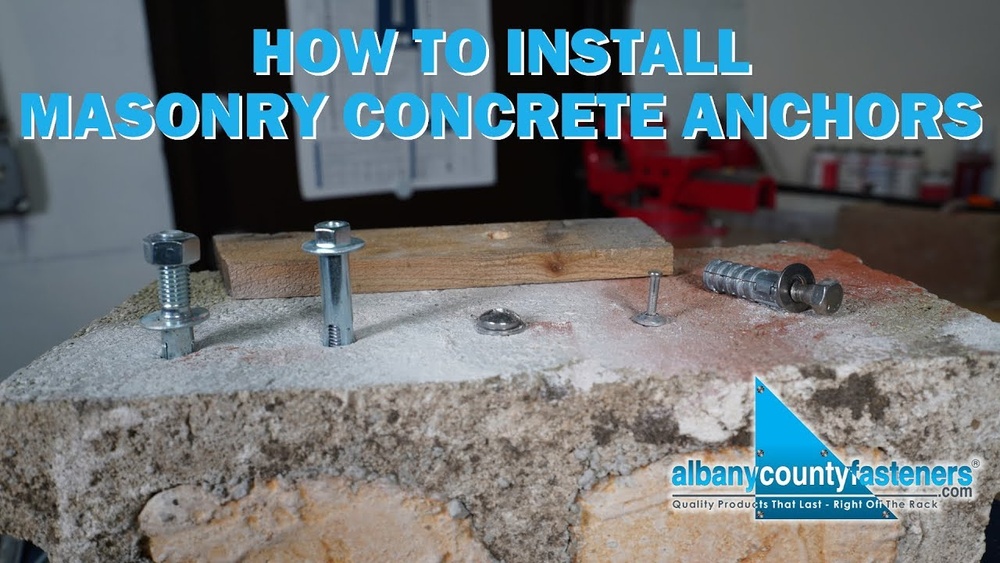
Concrete anchors come in many forms. Sleeve anchors fit tightly in drilled holes and expand when tightened. Wedge anchors provide strong holding power for heavy loads. Drop-in anchors sit flush with the surface and work well for overhead fixtures. Plastic anchors are less common but useful for light items. Each type suits a different task.
Selecting Based On Load And Application
Consider the weight of the item you want to mount. Heavy objects need stronger anchors like wedge or sleeve anchors. Light objects can use plastic or drop-in anchors. Also, think about the location. High vibration areas need anchors that hold firmly. Outdoor use may require anchors that resist rust. Choose the anchor that matches your specific need.
Credit: allfasteners.com
Tools And Materials Needed
Installing wall anchors in concrete requires specific tools and materials. These help ensure a secure and lasting hold. Preparing everything before you start saves time and effort.
The right tools make the job easier and safer. Using proper safety gear protects you from dust and debris. Below are the essentials needed for a smooth installation process.
Essential Tools For Installation
- Hammer drill with a masonry bit
- Wall anchors designed for concrete
- Screwdriver or drill with driver bit
- Measuring tape or ruler
- Pencil for marking
- Vacuum or brush to clean dust
- Hammer (for some anchor types)
Safety Gear To Use
- Safety goggles to protect eyes
- Dust mask to avoid inhaling dust
- Work gloves to protect hands
- Ear protection against drill noise
- Long sleeves and pants for skin safety
Preparing The Surface
Preparing the surface is a key step before installing wall anchors in concrete. A clean, well-marked surface ensures the anchors hold securely. This step helps avoid mistakes and saves time during installation.
Cleaning The Concrete Area
Start by removing dirt and dust from the concrete. Use a brush or vacuum to clear loose debris. Wipe the area with a damp cloth to remove finer particles. A clean surface helps the anchor grip better. Avoid using chemicals that can weaken the concrete.
Marking Drill Points Accurately
Marking the drill points correctly is essential for a strong hold. Use a pencil or marker to make small dots where you will drill. Measure twice to ensure the marks are in the right spot. Use a level to keep marks straight. Accurate marks help prevent drilling errors and anchor misplacement.

Credit: www.picturehangsolutions.com
Drilling Holes In Concrete
Drilling holes in concrete is a key step to install wall anchors properly. Concrete is tough and needs special tools and care. Doing it right ensures anchors hold strong and last long. Small mistakes can cause cracks or weak holes.
Follow simple steps to make clean holes. Use the right drill bit and proper drilling methods. This will save time and effort. It also keeps the concrete intact and safe.
Choosing The Right Drill Bit
Select a masonry drill bit made for concrete. These bits have a special tip that breaks hard surfaces. Avoid regular drill bits; they wear out quickly on concrete.
Pick a bit size matching the wall anchor diameter. Too small or too large holes cause weak fixing. Check the anchor package for the correct bit size.
Techniques For Effective Drilling
Start drilling slowly to make a small guide hole. Press the drill firmly but not too hard. Let the drill do the work.
Use a hammer drill if available. It makes drilling faster and easier in concrete. Keep the drill straight to avoid angled holes.
Pull the drill out occasionally to clear dust. This helps the bit cut better and prevents overheating. Wear safety glasses and a mask to protect from dust.
Installing The Wall Anchors
Installing wall anchors in concrete needs careful steps. The right method depends on the type of anchor you use. Each type has a unique way to secure it firmly. Follow these steps to set anchors that hold strong.
Inserting Expansion Anchors
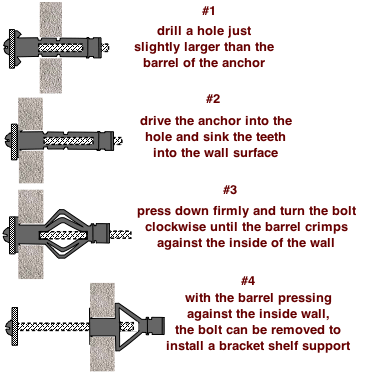
Drill a hole in the concrete with the right size bit. Clean the hole to remove dust and debris. Push the expansion anchor into the hole until it is flush with the surface. Tighten the bolt or screw slowly. The anchor will expand inside the hole. This expansion locks the anchor firmly in place.
Setting Sleeve Anchors
Start by drilling a hole that fits the sleeve anchor diameter. Remove dust from the hole using a brush or air blower. Insert the sleeve anchor fully into the hole. Tighten the nut or bolt on the anchor. This action pulls the sleeve outward, pressing against the concrete. The anchor becomes very secure and supports heavy loads.
Using Tapcon Screws
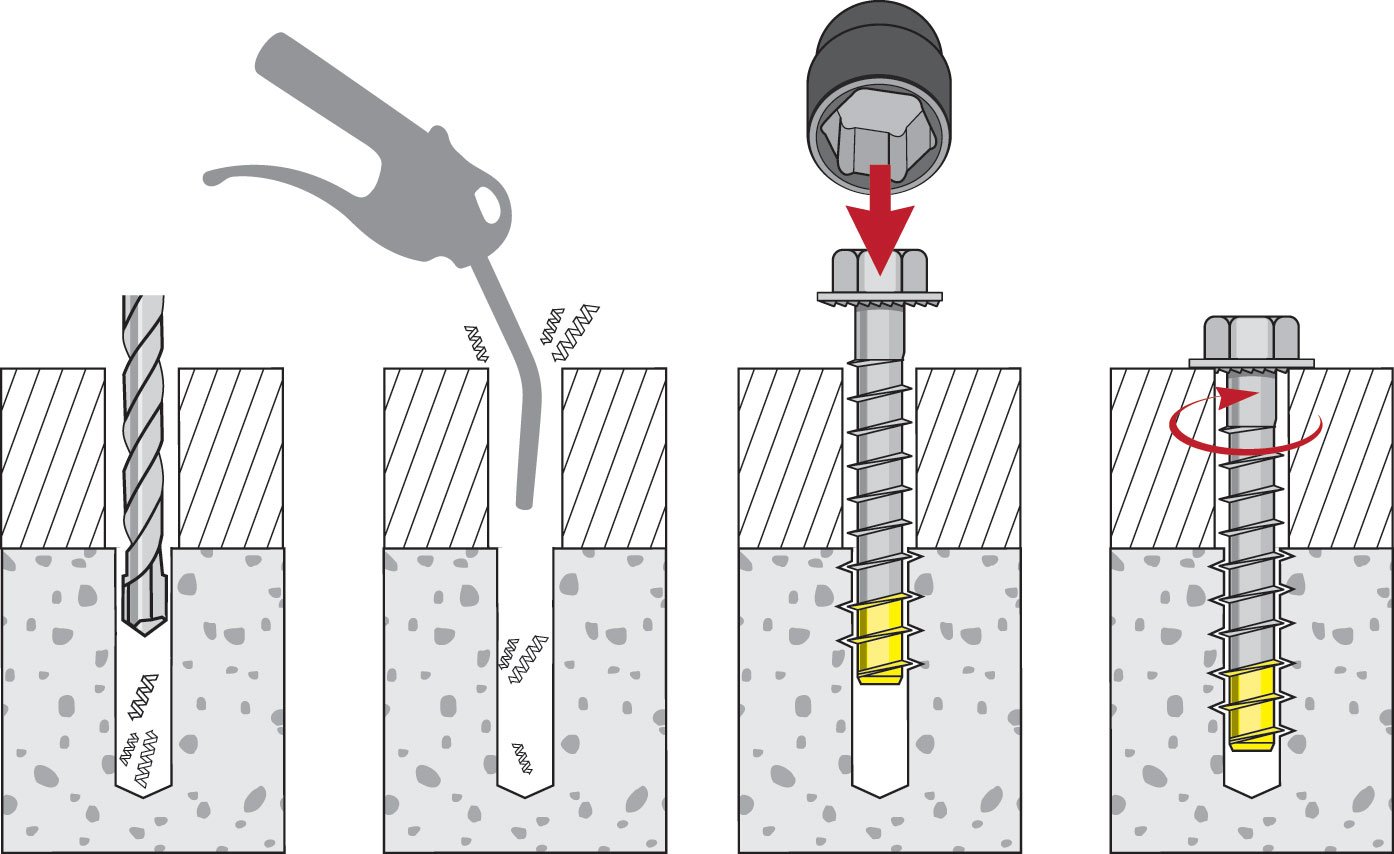
Choose a drill bit that matches the Tapcon screw size. Drill a hole in the concrete deeper than the screw length. Clear out all dust from the hole. Insert the Tapcon screw into the hole. Use a screwdriver or drill to drive the screw in. The threads will cut into the concrete, holding the screw tightly.
Securing Fixtures To Anchors
Securing fixtures to wall anchors in concrete ensures strong, stable support. It holds shelves, hooks, and other items safely in place. Proper attachment prevents damage to walls and fixtures.
Follow careful steps to align and tighten fixtures. This step is crucial for long-lasting stability. Avoid loose or uneven mounting that could cause problems later.
Aligning Fixtures Properly
Place the fixture over the installed anchors. Check that holes in the fixture match anchor positions. Use a level to ensure the fixture is straight. Adjust the fixture before inserting screws. Correct alignment helps distribute weight evenly.
Tightening Screws Safely
Insert screws into the anchors gently. Use a screwdriver or drill with low torque. Tighten screws until firm but avoid over-tightening. Over-tightening can crack the concrete or damage anchors. Check the fixture for wobbling and tighten if needed. Secure screws hold fixtures firmly without damaging surfaces.
Common Mistakes To Avoid
Installing wall anchors in concrete can be tricky. Many people make simple mistakes that cause the anchors to fail. Avoiding these errors helps ensure a strong hold. Pay attention to the details for a safe and lasting fix.
Overdrilling Or Underdrilling
Drilling the wrong hole size is a common problem. Overdrilling makes the hole too big, so the anchor won’t fit tightly. Underdrilling means the hole is too small, making it hard to insert the anchor. Both mistakes reduce the anchor’s grip strength. Use the drill bit size recommended by the anchor manufacturer. Measure carefully before drilling to avoid these errors.
Ignoring Anchor Weight Limits
Each wall anchor has a weight limit. Exceeding this limit can cause the anchor to pull out or break. Check the weight rating before buying anchors. Do not guess or estimate the load. Choose anchors that can handle more than your expected weight. This safety step prevents accidents and damage to your walls.
Maintaining And Inspecting Anchors
Maintaining and inspecting wall anchors in concrete ensures safety and durability. Regular checks help find problems early. This prevents accidents and costly repairs. Proper care extends the life of anchors and keeps walls strong.
Checking For Looseness
Check anchors by gently wiggling them. Any movement means the anchor is loose. Loose anchors cannot hold weight properly. Tighten the anchor with a wrench if possible. If tightening fails, the anchor may need replacement. Regular checks prevent sudden failures and damage.
Replacing Damaged Anchors
Remove damaged anchors carefully to avoid wall damage. Use a drill to clear the hole if needed. Choose a new anchor that fits the hole size. Insert the new anchor firmly and tighten it well. Replacing damaged anchors keeps the wall secure and safe. Always test the new anchor after installation.
Frequently Asked Questions
What Tools Do I Need To Install Wall Anchors In Concrete?
You need a hammer drill, masonry bit, wall anchors, a hammer, and a screwdriver. These tools ensure proper hole drilling and anchor setting in concrete walls.
How Deep Should I Drill Holes For Concrete Anchors?
Drill holes slightly deeper than the anchor length. This allows the anchor to fit fully and hold securely in the concrete.
Can I Install Wall Anchors Without A Hammer Drill?
Using a hammer drill is recommended for concrete. Without it, drilling is difficult and holes may be uneven, reducing anchor strength.
What Types Of Wall Anchors Work Best In Concrete?
Expansion anchors, sleeve anchors, and wedge anchors are ideal. They provide strong holding power and are designed specifically for concrete walls.
Conclusion
Installing wall anchors in concrete is simple with the right steps. Choose the correct anchor for your project. Drill a hole that fits the anchor size. Insert the anchor and tighten the screw carefully. This ensures a strong hold and safety.
Take your time and work carefully. Your walls will support heavy items without damage. Practice makes the process easier and faster. Now, you can hang shelves, pictures, or tools securely. Solid walls, solid support—job done!