If you use a floor jack regularly, you know how important it is to keep it in good shape. But what happens when your floor jack starts losing pressure or won’t lift like it used to?
The answer is often simple: it needs a refill. Knowing how to refill a floor jack yourself can save you time, money, and frustration. In this guide, you’ll discover easy steps to get your floor jack working like new again.
Keep reading to learn exactly what you need to do to keep your tool ready for action whenever you need it.
Types Of Floor Jacks
Floor jacks help lift heavy vehicles safely and easily. They come in different types. Each type works in a unique way. Knowing these types helps you choose the right one for your task. It also guides you on how to refill and maintain them properly.
Hydraulic Floor Jacks
Hydraulic floor jacks use fluid to create pressure. This pressure lifts the vehicle smoothly. They are common in garages and workshops. These jacks need hydraulic oil to work well. Checking and refilling the oil keeps them efficient.
Mechanical Floor Jacks
Mechanical floor jacks work with a screw or ratchet system. They do not use fluid or air. These jacks are simple and durable. They require less maintenance but may need grease for smooth parts. Refilling oil is not necessary for these jacks.
Pneumatic Floor Jacks
Pneumatic floor jacks use compressed air to lift loads. They are fast and powerful. These jacks need an air compressor to operate. Maintaining air pressure and checking seals is important. They do not use hydraulic oil but need regular inspection.
Tools And Materials Needed
Refilling a floor jack is a simple task that needs the right tools and materials. Having everything prepared makes the process smooth and safe. Gather these items before starting to avoid interruptions. This helps you finish the job quickly and correctly.
Jack Oil
Use the specific oil made for floor jacks. Regular motor oil or other liquids can damage the jack. Check the owner’s manual for the right type. Most floor jacks need hydraulic jack oil. Buy a small bottle, as you only need a little.
Wrenches And Screwdrivers
These tools help open the jack and remove screws or bolts. A set of wrenches in various sizes is useful. A flathead and Phillips screwdriver are usually needed. Choose tools that fit well to avoid slipping or stripping screws.
Cleaning Supplies
Clean the jack before adding oil to remove dirt and old oil. Use a clean cloth or rag for wiping. Have some paper towels handy for spills. A small brush can help reach tight spaces. Clean surfaces help the jack work better and last longer.
Preparing The Floor Jack
Preparing the floor jack is the first step in refilling it correctly. This stage ensures the jack is safe and ready for maintenance. Proper preparation helps avoid damage and keeps you safe during the process.
Safety Precautions
Wear gloves and safety glasses before starting. Keep the area clear of obstacles and pets. Make sure the jack is on a flat, stable surface. Never work under a lifted vehicle without proper support. Follow these steps to prevent accidents and injuries.
Cleaning The Jack
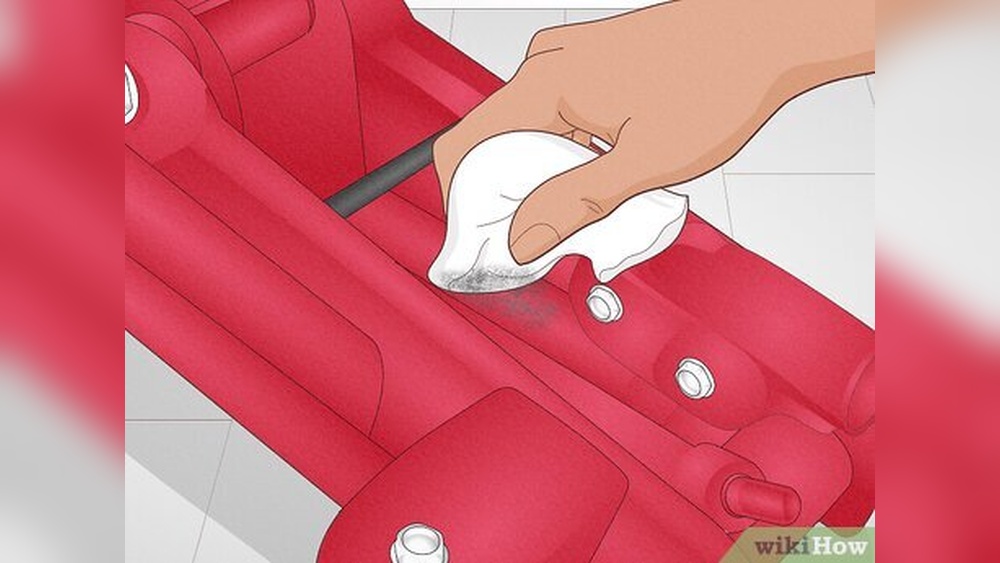
Remove dirt and grease from the jack’s surface. Use a clean cloth and mild detergent. Wipe all parts carefully, especially around the oil fill plug. Clean tools and parts make the refill process smoother. Avoid water inside the hydraulic system.
Positioning For Maintenance
Place the jack horizontally on a level surface. This position allows oil to fill evenly inside. Keep the release valve closed during this step. Position the jack near good lighting to see clearly. Proper positioning helps avoid spills and errors.

Credit: www.wikihow.com
Draining Old Hydraulic Fluid
Draining old hydraulic fluid is a key step in refilling a floor jack. Removing used fluid helps keep the jack working smoothly. Old fluid can contain dirt and metal bits. These particles may damage the jack’s parts. Changing the fluid regularly extends the jack’s life. The process needs care and the right tools. Follow simple steps to drain the fluid safely.
Locating The Drain Plug
Start by finding the drain plug on your floor jack. It is usually at the bottom of the tank. The plug looks like a small bolt or screw. Use a wrench or screwdriver to open it. Place a container under the plug to catch the old fluid. Open the plug slowly to avoid spills. Let all the fluid drain out completely. Check the owner’s manual for the exact location if unsure.
Proper Fluid Disposal
Used hydraulic fluid is harmful to the environment. Do not pour it down drains or on the ground. Store the old fluid in a sealed container. Take it to a recycling center or hazardous waste facility. Many auto shops accept used hydraulic fluid for disposal. Handling fluid correctly protects nature and follows the law. Clean any spills quickly with absorbent material.
Refilling With New Fluid
Refilling a floor jack with new fluid is a key step in keeping it working well. Old or low fluid can make the jack weak or fail. Using the right fluid and filling it correctly helps the jack lift heavy loads safely. This section explains how to choose the right fluid and how to fill the jack properly.
Choosing The Right Fluid
Not all fluids work for floor jacks. Use hydraulic fluid made for jacks or lifts. Check your jack’s manual for the exact type. Using the wrong fluid can damage seals or cause leaks. Avoid motor oil or brake fluid. These can harm the jack’s parts.
Look for fluid that is clean and clear. Dark or dirty fluid means it needs to be changed. Buy fluid from a trusted store to ensure quality.
Filling Procedure
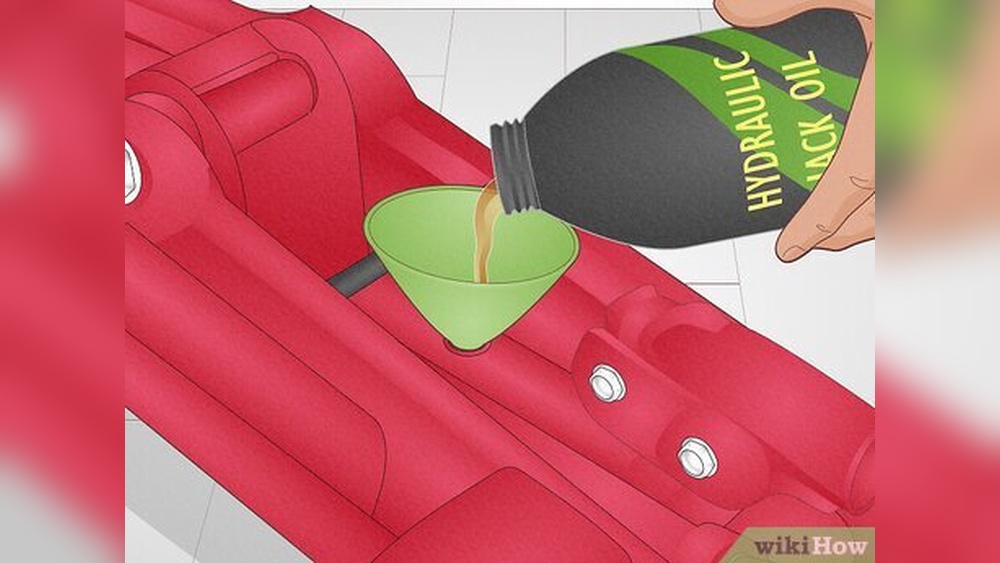
Start by placing the jack on a flat surface. Lower the jack completely before opening the fill valve. Use a clean funnel to pour the new fluid slowly. Fill until the fluid reaches the recommended level. Avoid overfilling to prevent leaks.
After filling, close the fill valve tightly. Pump the jack handle a few times to move the fluid inside. Check for leaks or odd noises. Wipe off any spilled fluid to keep the jack clean.
Bleeding Air From The Jack
Bleeding air from a floor jack is a key step during maintenance. Air trapped inside the jack can reduce its lifting power. This makes the jack feel weak or unsteady. Removing the air ensures smooth and safe operation. The process is simple and does not require special tools.
Why Bleeding Is Important
Air inside the jack causes poor performance. It makes the jack harder to pump. The lifting speed slows down. Sometimes, the jack will not hold the load properly. This can be dangerous while working under a vehicle. Bleeding removes the air and restores hydraulic pressure. This keeps the jack strong and reliable.
Step-by-step Bleeding Process
Start by placing the jack on a flat surface. Open the oil fill plug to release pressure. Next, pump the handle slowly several times. This pushes trapped air to the top. Keep the plug open during this step. Once air bubbles stop appearing, close the plug tightly. Check the oil level and add more if needed. Test the jack by lifting a small load. Repeat the bleeding if the jack feels weak again.
Testing The Floor Jack
Testing the floor jack after refilling it is important. This step ensures the jack works safely and efficiently. A proper test helps find issues before using the jack for lifting heavy objects.
Follow simple checks to confirm the jack’s condition. This will keep you safe during any lifting task.
Checking For Proper Lift
Start by pumping the handle slowly. Watch the jack’s arm rise smoothly. The jack should lift without strange noises or jerks.
Check if the jack holds the weight steadily. It should not sink or drop on its own. A steady lift means the fluid refill was successful.
Identifying Leaks And Issues
Look under the jack for any fluid leaks. Oil spots or wet areas show leaks that need fixing. Leaks reduce lifting power and can cause accidents.
Inspect seals and connections closely. Cracked or loose parts can cause fluid to escape. Tighten or replace any faulty parts.
Test the jack several times to confirm no new problems appear. Early detection keeps your floor jack working well longer.

Credit: www.youtube.com
Maintenance Tips For Longevity
Keeping a floor jack in good condition ensures it works safely for years. Simple maintenance steps extend its life and keep it reliable. This section covers key tips to care for your floor jack and avoid common problems.
Regular Fluid Checks
Check the hydraulic fluid level often. Low fluid causes poor lifting power. Use the type of fluid recommended by the manufacturer. Keep the fluid clean and free from dirt. Change the fluid if it looks dark or dirty. Always refill carefully to prevent spills. A well-filled jack lifts smoothly and safely.
Storage Recommendations
Store the floor jack in a dry place. Moisture causes rust and damages parts. Keep it off the ground on a shelf or mat. Avoid leaving the jack under heavy loads. Lower the jack completely before storing. Regular cleaning removes dust and grime. Proper storage protects your jack from damage.

Credit: www.youtube.com
Frequently Asked Questions
How Often Should I Refill A Floor Jack?
Refill your floor jack whenever the hydraulic fluid level is low. Check monthly or after heavy use. Proper fluid levels ensure smooth operation and prevent damage.
What Type Of Fluid Is Best For Floor Jacks?
Use high-quality hydraulic jack oil designed specifically for floor jacks. Avoid using brake fluid or motor oil, as they can damage seals and reduce performance.
How Do I Safely Refill A Floor Jack?
Park the jack on a level surface and release pressure. Remove the fill plug, add fluid slowly, and avoid overfilling. Replace the plug securely before testing.
Can I Use Any Hydraulic Fluid For My Floor Jack?
No, always use the manufacturer-recommended hydraulic fluid. Using incorrect fluid can harm seals, reduce lifting efficiency, and void warranties.
Conclusion
Refilling a floor jack keeps it working safely and smoothly. Check the oil level often to avoid damage. Use the right type of hydraulic fluid every time. Clean the jack before refilling to stop dirt from entering. Take your time and follow each step carefully.
This small care can save you from big problems later. Keep your floor jack ready for any job ahead. Simple tasks like these extend the life of your tools. Stay safe and maintain your equipment well.