Have you ever tried to remove drywall anchors and ended up with a bigger mess on your wall? If you’re staring at stubborn anchors that just won’t budge, you’re not alone.
Removing drywall anchors can be tricky, but with the right steps, you can get your wall looking smooth again without extra damage. In this guide, you’ll learn simple, effective ways to take out drywall anchors quickly and easily. Keep reading—you’ll save time, avoid frustration, and get your walls ready for whatever comes next.
Types Of Drywall Anchors
Drywall anchors come in many types. Each type holds weight differently. Knowing the type helps remove them safely. Some anchors are easy to pull out. Others need tools or special steps. Here are common types of drywall anchors.
Plastic Expansion Anchors
Plastic expansion anchors are simple and lightweight. Inserted into a drilled hole, they expand when a screw goes in. They hold light objects like pictures or small shelves. To remove, pull or twist gently. Sometimes they come out with the screw.
Self-drilling Anchors
Self-drilling anchors look like screws with wide threads. They cut into drywall without pre-drilling. They hold medium weight items. Removal requires unscrewing them carefully. Use pliers to pull out if stuck. Avoid damaging the wall surface.
Molly Bolts
Molly bolts are metal anchors with expanding sleeves. Inserted into a hole, they expand behind the drywall. They hold heavier objects securely. Remove by unscrewing the bolt. The sleeve may stay inside the wall. Push or tap it back gently.
Toggle Bolts
Toggle bolts have spring-loaded wings that open inside the wall. These hold very heavy items. Remove by unscrewing the bolt. The wings fall inside the wall cavity. They cannot be pulled out. Patch the hole after removal for a clean finish.

Credit: www.wikihow.com
Tools Needed For Removal
Removing drywall anchors requires the right tools for a clean and easy job. Using proper tools helps avoid damage to your wall. You can remove anchors without much effort if you prepare well. Here are the main tools you need for drywall anchor removal.
Screwdriver Options
A screwdriver is essential for removing most drywall anchors. Choose a flathead or Phillips head screwdriver based on the screw type. A screwdriver helps turn and pull out anchors gently. Using the right size prevents stripping the screw head.
Pliers And Prying Tools
Pliers are useful for gripping and pulling anchors from the wall. Needle-nose pliers work well for small or deep anchors. Prying tools like a putty knife or flat bar help loosen stubborn anchors. These tools protect your wall while removing anchors.
Drill And Drill Bits
A drill can make anchor removal faster, especially for plastic or metal types. Use a drill bit slightly larger than the anchor to drill it out carefully. Drilling helps remove anchors embedded deep in the drywall. Always drill slowly to avoid wall damage.
Patch And Repair Supplies
After removing anchors, holes often need patching. Keep spackle or joint compound handy to fill holes. Sandpaper smooths the patched area for painting. A putty knife helps spread repair materials evenly. These supplies restore your wall’s smooth finish.
Removing Plastic Expansion Anchors
Removing plastic expansion anchors from drywall requires care. These anchors hold tightly but can come out with the right steps. This guide helps you remove them without damaging your wall. Follow simple methods to take out these anchors safely and cleanly.
Unscrewing The Anchor
Start by turning the screw counterclockwise. This may loosen the anchor inside the wall. Use a screwdriver that fits well. If the screw moves easily, keep turning until it comes out. Sometimes, the anchor will come out with the screw. If not, stop here and try the next step.
Prying Out With Pliers
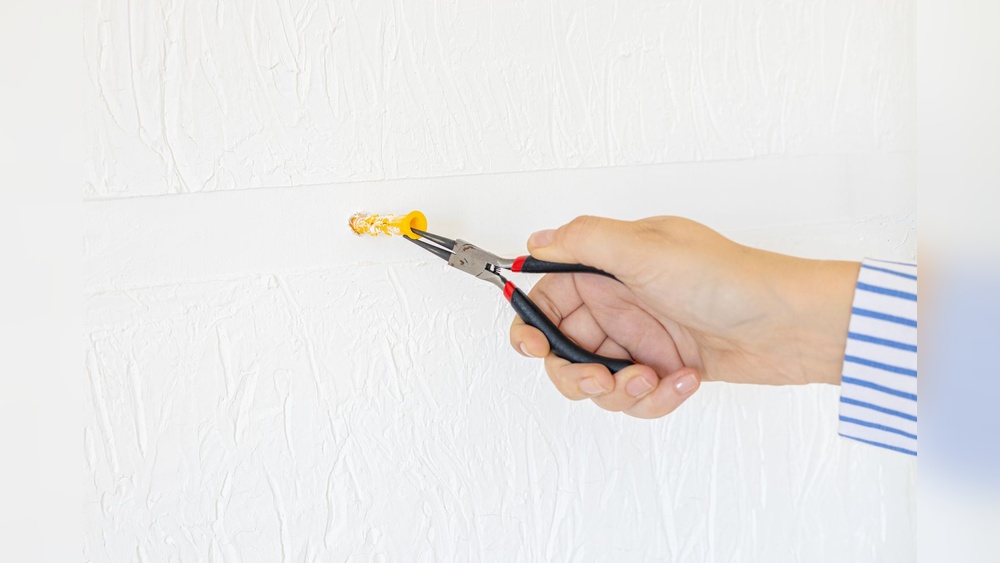
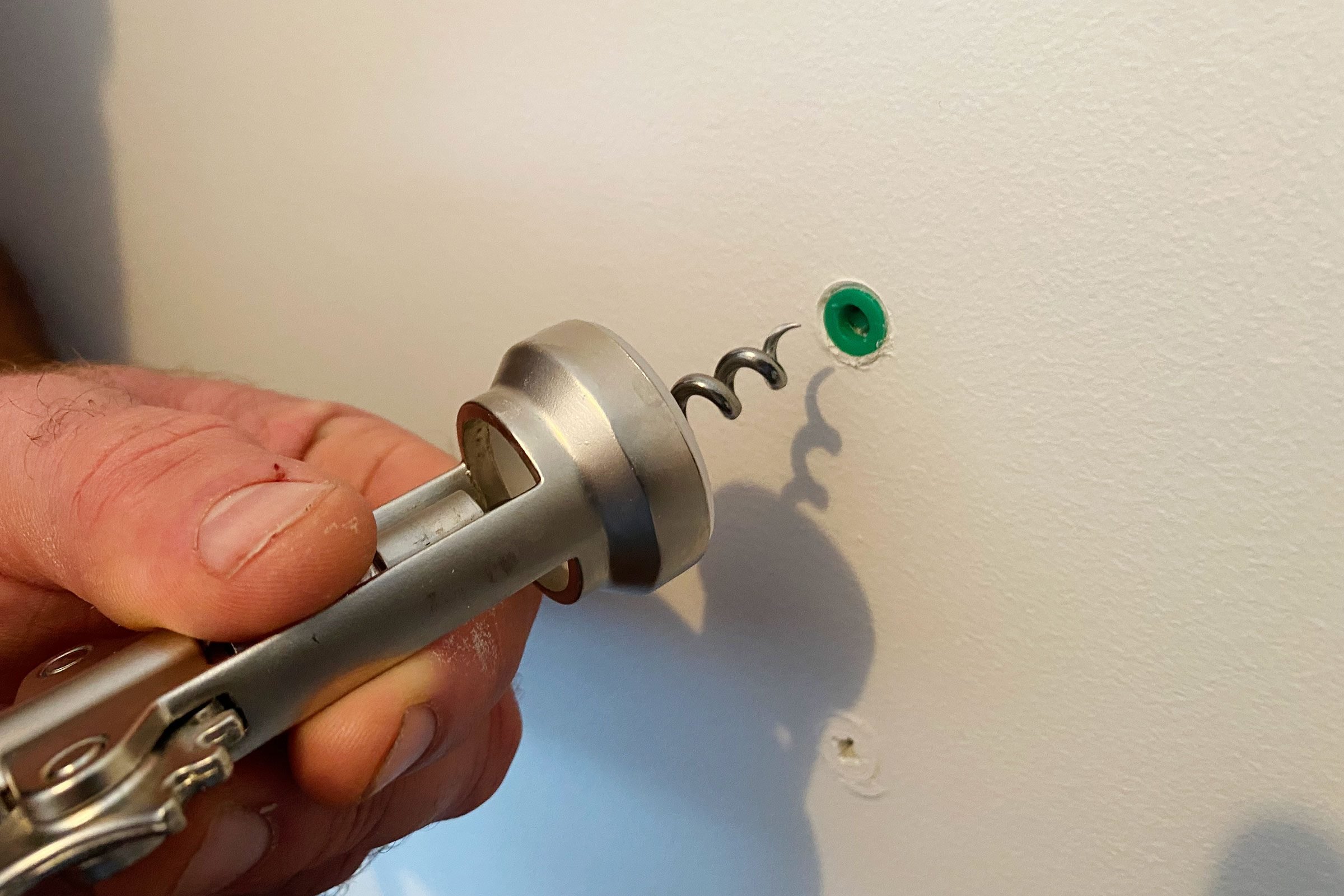
Grip the anchor head gently with pliers. Pull it straight out from the wall. Use steady, even force. Avoid twisting or bending the anchor too much. This helps prevent wall damage. If the anchor moves, keep pulling slowly. Sometimes a little wiggle frees it.
Dealing With Stubborn Anchors
Stuck anchors need extra care. Push the anchor deeper into the wall with a screwdriver. This hides it inside the drywall. Patch the hole later with spackle or filler. Another way is to cut the anchor flush with the wall. Use a utility knife carefully. Smooth the surface before painting.
Removing Self-drilling Anchors
Removing self-drilling drywall anchors requires care to avoid damaging the wall. These anchors are designed to screw directly into drywall and hold firmly. Taking them out involves steps to loosen the screw and then remove the anchor body cleanly.
Backing Out The Screw
Start by turning the screw counterclockwise. Use a screwdriver that fits well to avoid stripping the head. Slowly back the screw out until it is almost flush with the wall. Stop if the screw feels stuck or the anchor moves.
Extracting The Anchor Body
Once the screw is loose, try pulling the anchor out gently. Use needle-nose pliers for a better grip. Pull straight out to prevent wall damage. If the anchor resists, wiggle it slightly while pulling. Avoid pushing it deeper inside.
Alternative Removal Techniques
If the anchor won’t come out, try pushing it through the wall. Use a small punch or screwdriver tip. Tap lightly with a hammer until the anchor falls inside the wall cavity. Patch the hole with spackle or joint compound afterward. This method works well for stubborn anchors.
Taking Out Molly Bolts
Taking out molly bolts from drywall requires a careful approach. These anchors have a metal sleeve that expands behind the wall. Removing them means undoing the bolt and dealing with the sleeve. This process prevents damage and keeps the wall smooth.
Unscrewing The Bolt
Start by turning the bolt counterclockwise. Use a screwdriver that fits the bolt head well. Keep turning until the bolt is fully removed. This step frees the front part of the anchor. Avoid forcing the bolt out to prevent wall damage.
Collapsing The Sleeve
The metal sleeve stays inside the wall. It expands to hold the anchor tight. To remove it, push or tap the sleeve so it collapses. Use pliers or a punch tool gently. This makes the sleeve smaller and easier to pull out.
Pulling The Anchor Free
Grab the collapsed sleeve with pliers. Pull it straight out from the wall hole. If it resists, wiggle it slightly to loosen. Do not use too much force. This keeps the drywall intact for future use.
Removing Toggle Bolts
Removing toggle bolts from drywall requires care and the right steps. These anchors have a spring-loaded wing that opens behind the wall. This design makes them strong but tricky to remove. Follow simple steps to take out toggle bolts without damaging your wall.
Unscrewing The Bolt
Start by turning the bolt counterclockwise with a screwdriver. Keep turning until the bolt is fully loose. The bolt should come out easily if the wings are still inside. If it spins without loosening, the wings may be stuck behind the drywall.
Retrieving The Toggle
If the wings stay inside the wall, try to pull them out carefully. Use needle-nose pliers to grab the toggle through the hole. Pull gently to avoid tearing the drywall. Sometimes, the wings fall inside the wall cavity and cannot be retrieved.
Patch Options For Large Holes
Removing toggle bolts often leaves big holes in the drywall. Patch these holes with a drywall repair kit or a piece of drywall. Apply joint compound around the patch and smooth it out. Sand the area after it dries and then paint to match the wall color.
Repairing Wall After Anchor Removal
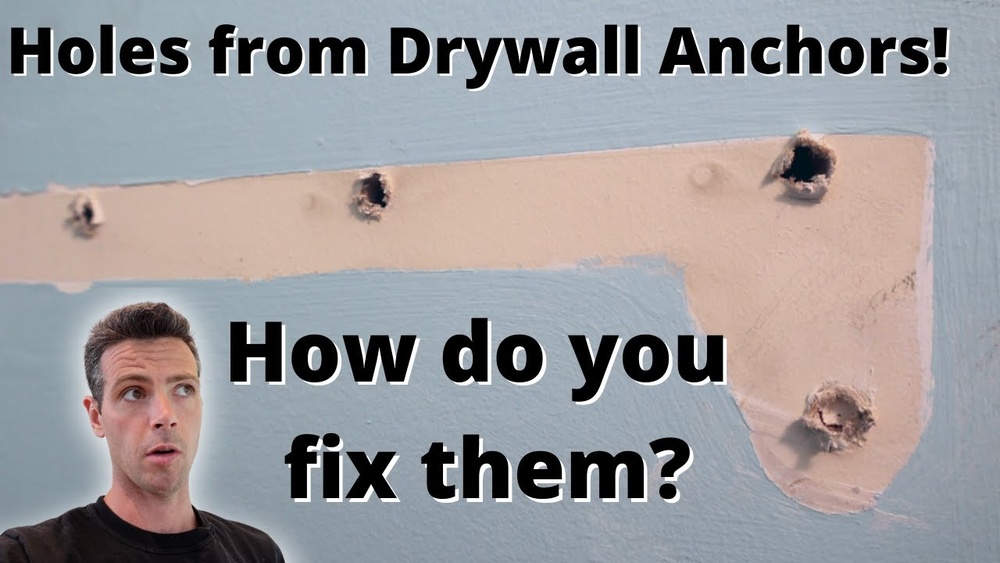
Removing drywall anchors often leaves holes or damage on the wall. Repairing these spots helps restore a smooth, clean surface. Proper repair improves the wall’s look and prepares it for painting. Small holes need simple fixes. Larger gaps require more care. Follow these easy steps to make your wall look like new.
Filling Small Holes
Use a putty knife to apply spackling paste on small holes. Press the paste firmly into the hole to fill it completely. Smooth the surface with the knife so it is level with the wall. Let the paste dry for the time shown on the package. Small holes usually dry fast and need only one coat.
Patching Larger Gaps
For bigger holes, use a patch or mesh tape over the gap first. Apply joint compound over the patch to cover it fully. Spread the compound smoothly beyond the patch edges. Let it dry completely before adding a second layer. Repeat until the patch is flat with the wall surface. Larger gaps need more drying and sanding time.
Sanding And Smoothing
Once the filler is dry, sand the area with fine-grit sandpaper. Sand gently to avoid damaging the surrounding wall. The goal is a smooth, even surface without bumps. Use a sanding block or sponge for better control. Clean off dust with a damp cloth before painting.
Repainting Tips
Prime the repaired area to seal the surface and improve paint adhesion. Use a paint color that matches the rest of the wall. Apply thin coats of paint and let each dry before the next. Blend the edges carefully to avoid visible lines. Proper painting finishes the repair and hides any flaws.

Credit: www.hgtv.com
Preventing Wall Damage In Future
Preventing wall damage in the future is key to keeping your walls strong and looking good. Small mistakes with drywall anchors can cause holes and cracks. Taking care now saves time and money later. Follow these simple steps to protect your walls every time you hang something.
Choosing The Right Anchor
Pick anchors that match the weight of your item. Light items need small anchors. Heavy items need strong, larger anchors. Using the wrong anchor can cause the wall to crack or break. Always check the package for weight limits before buying anchors.
Proper Installation Tips
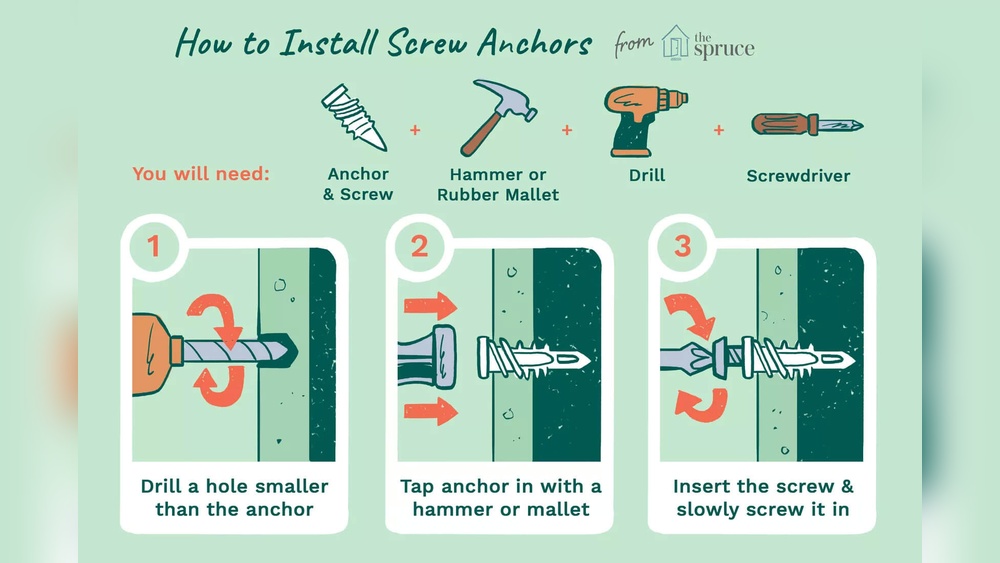
Drill a hole that fits the anchor size. Too big or too small can cause damage. Push the anchor gently into the hole. Do not force it too hard. Tighten screws slowly to avoid cracking the drywall. Take your time and work carefully.
Using Wall Studs
Wall studs hold more weight than drywall alone. Use a stud finder to locate them. Screwing directly into a stud is the safest option. This reduces the need for anchors and prevents wall damage. Studs give better support and keep your walls safe.
Credit: www.familyhandyman.com
Frequently Asked Questions
How Do I Safely Remove Drywall Anchors?
To safely remove drywall anchors, first unscrew any attached screws. Use pliers to gently pull out the anchor. If it’s stuck, push it into the wall cavity and patch the hole afterward for a smooth finish.
What Tools Are Needed To Remove Drywall Anchors?
You need a screwdriver, pliers, and possibly a utility knife. These tools help loosen screws, grip anchors, and clean the hole edges. Having a putty knife and spackle is useful for patching the wall after anchor removal.
Can Drywall Anchors Damage The Wall During Removal?
Yes, drywall anchors can damage the wall if pulled harshly. Proper removal techniques minimize damage. Always pull gently or push the anchor into the wall cavity and patch any holes to maintain wall integrity.
How To Patch Holes After Removing Drywall Anchors?
Use spackle or joint compound to fill holes. Apply with a putty knife and smooth the surface. After drying, sand lightly and repaint for a seamless finish. This restores your wall’s appearance quickly and effectively.
Conclusion
Removing drywall anchors can seem tricky at first. Use the right tools and take your time. Gently pull or twist the anchor to avoid wall damage. Small holes can be fixed easily with spackle or putty. Clean walls look better and help when repainting.
Practice makes the process smoother and less stressful. Keep these tips in mind for quick and safe anchor removal. This simple skill saves time and effort in home projects.