Have you ever found yourself standing outside your door, frustrated because your deadbolt just won’t budge? Whether you lost your keys, the lock is jammed, or the mechanism is simply stuck, knowing how to get a deadbolt open can save you time, stress, and even money.
In this guide, you’ll discover simple, effective steps you can take right now to unlock your door safely and quickly. Keep reading, because the solution might be easier than you think—and you’ll want to be prepared for the next time this happens.

Credit: www.youtube.com
Types Of Deadbolts
Deadbolts provide strong security for homes and offices. They come in different types. Each type works a bit differently. Knowing these can help in opening a stuck or locked deadbolt safely.
Single Cylinder Deadbolts
Single cylinder deadbolts have a keyhole outside. Inside, they have a thumb turn. This allows easy locking and unlocking from inside. They are common in many homes. The key opens the lock from outside only.
Double Cylinder Deadbolts
Double cylinder deadbolts need a key on both sides. No thumb turn inside. This adds extra security. It stops someone from opening the door from inside without a key. Used on doors with glass or windows nearby.
Keyless Deadbolts
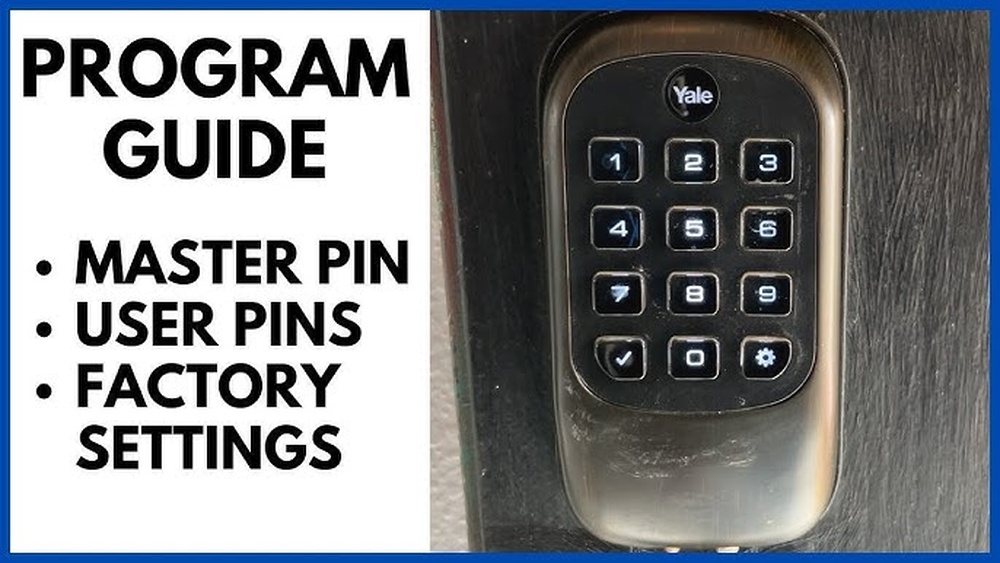
Keyless deadbolts use a code or fingerprint. No keys needed for entry. They offer quick access and good security. Some models use a keypad or smart device. Easy to change codes if needed.
Tools Needed For Unlocking
Getting a deadbolt open requires certain tools. These tools help you work with the lock safely and effectively. Some tools are common household items. Others are made specifically for lock picking. Knowing which tools to use is important for success.
Basic Household Items
Simple items can help open a stuck deadbolt. A sturdy credit card can slide between the door and frame. This may push the latch back. A small flathead screwdriver works to pry or turn screws. Hairpins or bobby pins can sometimes mimic lock picks. Use a tension wrench made from a paperclip to apply pressure. These tools are easy to find at home.
Specialized Lock Picking Tools
Lock picking sets include picks and tension wrenches. Picks come in different shapes to move pins inside the lock. Tension wrenches turn the lock cylinder. A rake pick can move many pins quickly. A hook pick allows precise pin movement. These tools require practice to use well. Buying a basic lock pick set online is common for beginners.
Quick Methods To Open Deadbolts
Deadbolts are strong locks, but some quick methods can open them. These techniques work for simple situations and can save time. Always use these methods responsibly and legally.
Here are three common ways to open a deadbolt without a key.
Using A Credit Card
A credit card can slide between the door frame and the lock. Choose a flexible card that you do not mind bending. Insert the card where the latch is located. Push the card while twisting the door handle. This may force the latch back and open the door. This method works best on spring bolt locks, not true deadbolts.
Lock Picking Techniques
Lock picking uses small tools to move the pins inside a lock. A tension wrench and pick are the main tools. Insert the wrench into the bottom of the keyhole. Apply slight pressure in the direction the key turns. Use the pick to push each pin up. When all pins are set, the lock will turn. This method needs practice and patience to succeed.
Bumping The Lock
Lock bumping uses a specially cut key called a bump key. Insert the bump key into the lock. Tap the key gently with a small hammer or object. The impact moves the pins inside the lock quickly. This can unlock the deadbolt in seconds. This method works on pin tumbler locks but not on high-security deadbolts.
Advanced Unlocking Tricks
Advanced unlocking tricks help open a deadbolt when simple methods fail. These tricks require tools and some skill but can save time and effort. Understanding these techniques can help in emergencies or when a locksmith is not nearby.
Bypassing The Lock Cylinder
Bypassing the lock cylinder means avoiding the key mechanism inside. This method targets the gap between the door and the frame. A slim tool can slide in to move the bolt back. It works best on older locks with loose fittings. Patience is key. Gentle movements prevent damage to the door.
Using A Lock Shim
A lock shim is a thin piece of metal that slides between the bolt and the door frame. It tricks the lock into thinking the bolt is retracted. Insert the shim carefully and wiggle it to push the bolt. This method works well on spring latch deadbolts. Practice is needed to use the shim without hurting the lock.
Drilling The Lock
Drilling is a last-resort method to open a deadbolt. It destroys the lock cylinder so the bolt can move freely. Use a power drill with a metal bit. Drill at the center of the keyhole. Wear safety glasses to protect your eyes from metal shards. After drilling, the lock must be replaced for security.
When To Call A Locksmith
Knowing when to call a locksmith is important for handling a stuck deadbolt. Some problems need expert tools and skills. Trying to fix these problems alone can cause more damage and cost more money. Calling a professional saves time and keeps your door safe.
Signs You Need Professional Help
The deadbolt does not turn at all. The key breaks inside the lock. The lock feels stiff or jammed. You lost the key and cannot open the door. You tried many times, but the deadbolt stays stuck. These are clear signs to call a locksmith. A pro can open the lock without hurting the door.
Avoiding Damage To The Door
Trying to force the deadbolt can break the lock or door. Using sharp tools can scratch or dent the door. Drilling the lock can ruin the whole lock and frame. A locksmith uses the right tools and methods. This avoids damage and keeps your door working well for years. Protect your door by calling a locksmith early.

Credit: www.youtube.com
Preventing Future Lockouts
Lockouts can be frustrating and stressful. Taking steps to prevent future lockouts saves time and worry. Simple habits and smart tools help keep your home accessible. Focus on easy solutions that fit your daily life.
Spare Keys And Key Management
Keep spare keys in safe, trusted places. Give copies to family members or close friends. Avoid hiding keys in obvious spots outside your home. Use a secure lockbox for spare keys if needed. Label keys clearly to avoid confusion. Regularly check that spare keys work well. Good key management reduces chances of lockouts.
Upgrading To Smart Locks
Smart locks offer convenient entry without a physical key. Use codes or smartphone apps to unlock doors. Some models allow temporary access for visitors. Smart locks can send alerts about door activity. Choose models with strong security features. Regularly update lock software to prevent glitches. Smart locks provide a modern way to avoid lockouts.

Credit: www.reddit.com
Frequently Asked Questions
How Can I Open A Deadbolt Without A Key?
You can try using a bump key, a credit card, or a lock pick set. However, these methods require skill and care. If unsure, contact a professional locksmith to avoid damage or legal issues.
What Tools Are Needed To Unlock A Deadbolt?
Common tools include a bump key, tension wrench, lock pick set, and sometimes a screwdriver. Each tool serves a specific purpose in manipulating the lock’s pins or removing parts safely.
Is It Legal To Open A Deadbolt Without A Key?
Opening a deadbolt without permission may be illegal and considered breaking and entering. Always ensure you own the lock or have explicit permission before attempting to open it.
How Long Does It Take To Unlock A Deadbolt?
Unlocking time varies from a few minutes to over an hour. It depends on the lock’s complexity, tools used, and your skill level.
Conclusion
Getting a deadbolt open takes patience and the right tools. Stay calm and follow the steps carefully. Trying to force it can cause damage. Sometimes, calling a locksmith is the safest choice. Remember, practice makes perfect with these techniques. Keep your home secure by knowing how to handle locked doors.
Small efforts can save time and stress later. Now, you have a better idea of what to do next.