Have you ever wondered why light switches are placed exactly where they are? Maybe you’ve struggled to reach a switch or found it awkwardly low or high.
Getting the height of your light switches right isn’t just about convenience—it affects your daily comfort and even safety. You’ll discover the ideal height for light switches, why it matters, and how to choose the perfect placement for your home or office.
Keep reading to make sure your switches work for you, not against you.
:max_bytes(150000):strip_icc()/height-to-install-switches-1152823-2a1e62d29a9a4d448b2b44f1731cd5d1.png)
Credit: www.thespruce.com
Standard Light Switch Heights
Choosing the right height for light switches matters for comfort and safety. Proper placement helps everyone use switches easily. It also meets building rules and keeps homes functional.
Standard heights make it simple to install switches that suit most people. These heights follow common practices and legal guidelines. This section explains typical measurements and building codes.
Typical Measurements
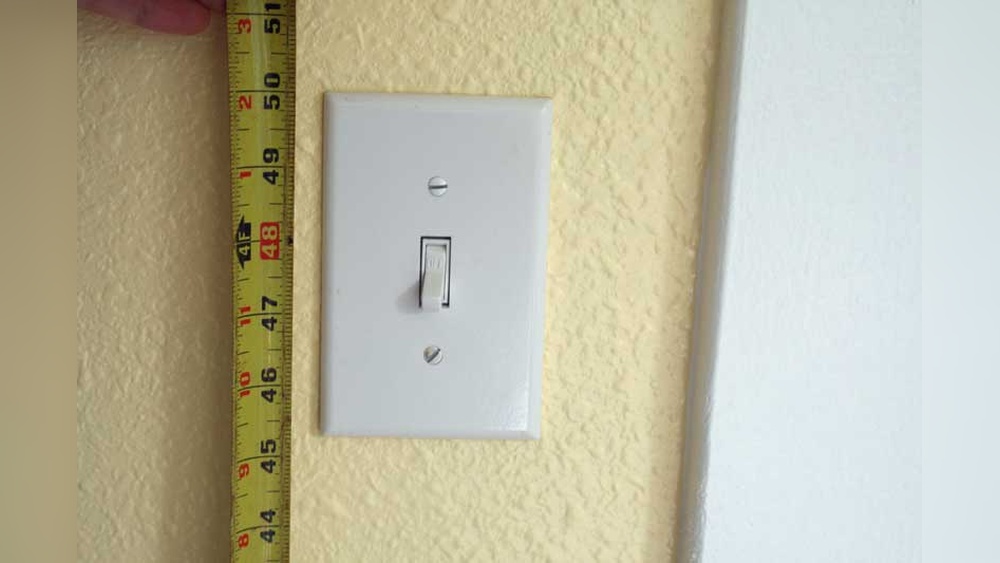
Most light switches sit between 42 and 48 inches from the floor. This range fits the average adult’s reach. It also works well for children and people with limited mobility.
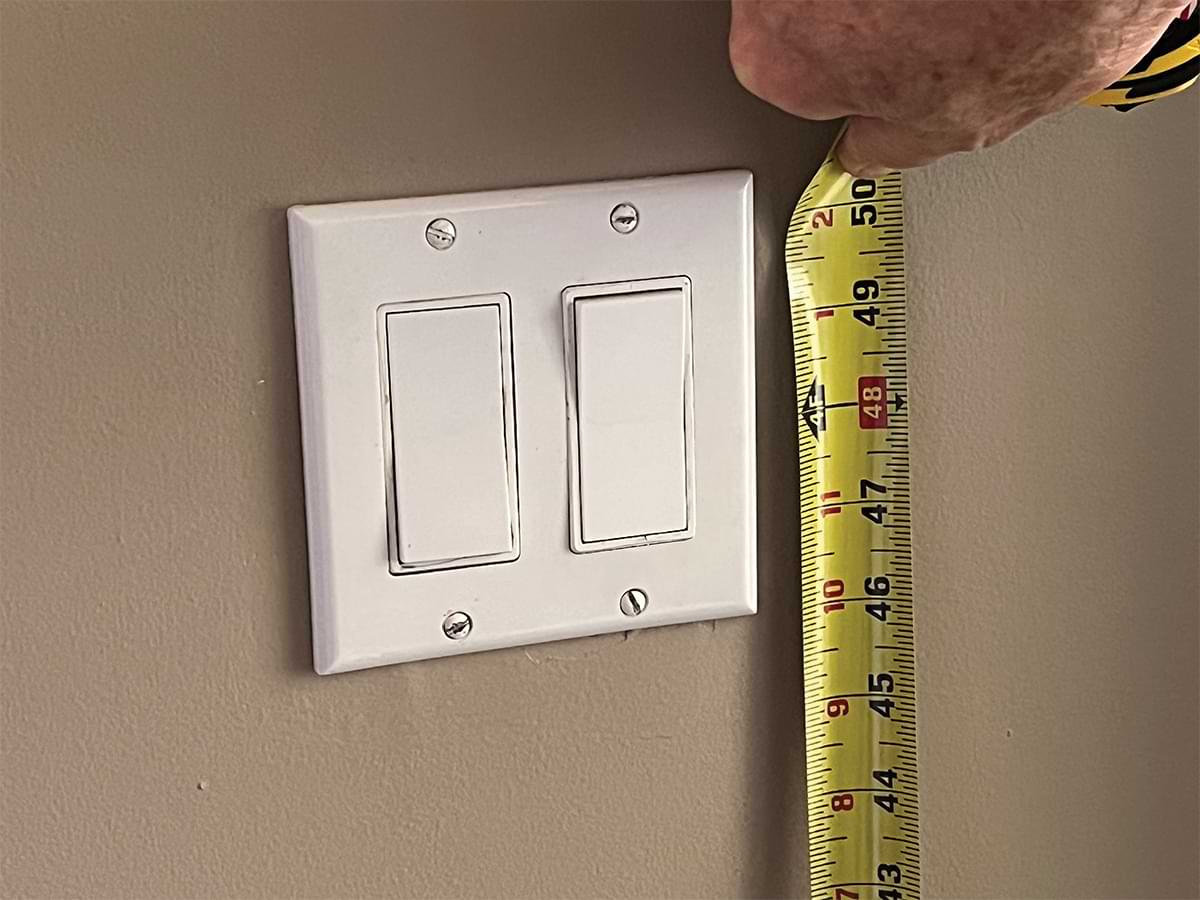
Many builders prefer about 48 inches as a standard height. This height keeps switches easy to find and use. It prevents bending or stretching to reach switches.
In some homes, switches may be lower, around 36 inches. This height helps kids and people in wheelchairs. Adjusting height depends on who will use the switch most.
Building Code Guidelines
Building codes set rules for switch height to ensure safety and accessibility. The Americans with Disabilities Act (ADA) suggests 48 inches maximum height. It aims to make switches reachable for all users.
Local codes may vary but often follow ADA or similar standards. Electricians and builders check these rules before installing switches. Following codes avoids fines and ensures home safety.
Switches in public buildings must meet stricter height rules. Homes have more flexibility but should still be user-friendly. Proper height improves daily life and meets legal needs.
:max_bytes(150000):strip_icc()/measuring-electrical-outlet-height-1821556-06-b960a41f86664f03b648797767b113af.jpg)
Credit: www.thespruce.com
Light Switch Heights By Room
Light switch heights vary by room type to offer comfort and ease of use. Proper placement helps everyone reach the switches easily. Each room has its own ideal height based on function and furniture layout.
Living Rooms And Bedrooms
In living rooms and bedrooms, switches usually sit between 48 and 52 inches from the floor. This height fits most adults and children comfortably. It also avoids conflicts with furniture like sofas and beds. Placing switches near door frames helps find them quickly in the dark.
Kitchens And Bathrooms
Kitchens and bathrooms often have switches around 44 to 48 inches high. This height keeps switches safe from water splashes and spills. It also lets people turn lights on before entering the room. Switches here should be easy to reach, even when hands are wet or full.
Hallways And Staircases
Hallway and staircase switches are usually set at 42 to 48 inches from the floor. This range suits most users and keeps switches within easy reach. Placing switches at both top and bottom of stairs ensures safety. Good lighting control helps prevent accidents in these areas.
Accessibility Considerations
Light switch height matters for everyone’s comfort and ease. Proper placement helps people use switches without trouble. It is important to think about different users when setting switch heights.
Switches should be easy to reach for children, adults, and people with disabilities. This makes homes and public spaces more welcoming and safe.
Ada Requirements
The Americans with Disabilities Act (ADA) sets rules for switch heights. Switches must be between 15 and 48 inches above the floor. This range allows wheelchair users to reach switches easily.
Switches should also avoid obstacles. Clear space around switches helps people with limited movement. Following ADA rules makes buildings accessible to all.
Switch Heights For Children
Children are shorter and need lower switches. Placing switches at 36 inches or below helps kids reach them. This encourages independence and safety.
Use colorful or large switches for children. These features make switches easier to find and use. Adjust switch heights in playrooms or bedrooms for child comfort.
Switch Heights For People With Disabilities
People with disabilities have varied needs for switch placement. Lower switches, between 15 and 48 inches, work for many wheelchair users. This height allows easy access without stretching.
For people with limited hand strength, use rocker or paddle switches. These require less force to operate. Thoughtful switch design improves daily living for everyone.
Credit: www.hometips.com
Switch Types And Placement
Choosing the right type of light switch and placing it correctly is important. It affects how easy it is to use lights at home or work. Different switches fit different needs. Placement also changes how comfortable and safe the switch feels.
Switches come in many styles. Each style has a special way to turn lights on or off. How high the switch sits on the wall can change depending on the type. Understanding switch types helps in picking the best height and spot.
Toggle Vs Rocker Switches
Toggle switches have a small lever that flips up or down. They are common and easy to find. Rocker switches have a flat surface that rocks back and forth. They look modern and are simple to press. Both types work well at standard heights around 48 inches from the floor. Rocker switches might feel easier to use for people with limited hand strength.
Smart Switch Placement
Smart switches control lights with apps or voice commands. They need to be placed where Wi-Fi signals are strong. Height stays near traditional switch levels for easy manual use. Smart switches often have touch panels or buttons that are easy to reach. Place them near doorways for quick access when entering or leaving a room.
Multi-way Switches
Multi-way switches control one light from two or more places. They are common in hallways and large rooms. Switches should be placed at the same height on all walls. This helps users find them easily. A standard height of about 48 inches works best for most people. Keep switches visible and not blocked by furniture or doors.
Factors Affecting Switch Height
Choosing the right height for light switches depends on several factors. These factors help ensure the switches are easy to reach and look good in the room. Understanding these points can guide you to the best switch height for your space.
Furniture Layout
The position of furniture affects where the switch should be placed. Switches should not be blocked by sofas, tables, or cabinets. Placing switches near doorways and clear wall areas keeps them accessible. Think about how people move around the room. This helps avoid placing switches behind large furniture pieces.
Wall Space And Obstacles
Wall space also influences switch height. Switches need enough clear space to be seen and used easily. Avoid placing switches near shelves, hooks, or wall decorations that can block access. Sometimes, narrow walls or corners limit switch placement. Choose a spot that is free from obstacles and easy to reach.
Aesthetic Preferences
Switch height can affect the room’s look. Some people prefer switches higher for modern design styles. Others want them lower to keep walls clean and simple. Matching switch height to other elements like door handles or trim creates a balanced look. This makes the room feel neat and well-planned.
Tips For Measuring And Installing
Measuring and installing light switches at the right height makes a big difference. It ensures comfort and meets safety rules. This guide shares simple tips for a smooth process. Follow these steps for an easy and correct installation.
Tools Needed
Gather the right tools before starting the job. You need a tape measure, pencil, and level. A screwdriver helps with the switch plate. Use a voltage tester to check power. Having these tools ready saves time and avoids mistakes.
Marking The Right Height
Measure from the floor to where the switch will go. The common height is about 48 inches. Mark this spot clearly with a pencil. Use a level to draw a straight line. This helps keep the switch even and straight on the wall.
Common Installation Mistakes
Avoid placing switches too high or too low. Do not skip checking power with a voltage tester. Forgetting to use a level can cause crooked switches. Tightening screws too much may crack the plate. Take time to follow each step carefully.
Frequently Asked Questions
How High Should Light Switches Be Installed?
Light switches should be installed about 48 inches from the floor. This height is comfortable for most adults and complies with standard building codes.
Why Is Switch Height Important For Accessibility?
Proper switch height ensures easy reach for all users, including those with disabilities. It promotes safety and convenience in everyday use.
Are There Different Heights For Residential Vs Commercial Switches?
Yes, commercial switches may be installed between 42 to 48 inches for accessibility. Residential switches typically follow the 48-inch standard for convenience.
Can Switch Height Affect Home Design And Aesthetics?
Yes, switch height impacts both functionality and visual appeal. Proper placement blends with decor and provides ergonomic benefits.
Conclusion
Choosing the right height for light switches matters a lot. It affects comfort and ease of use every day. Most switches work best between 48 to 52 inches from the floor. This height fits most people, including kids and adults.
Remember to think about your home’s needs and who will use the switches. Simple rules help create a safe and handy space. Small details like this make a big difference in daily life.