Have you ever wondered if your light switches need a replacement? You use them every day, but they rarely get any attention.
Over time, switches can wear out, become unsafe, or just stop working properly. Knowing when and why to replace them can save you from unexpected problems and keep your home safe. You’ll discover the signs to watch for and how often you should really think about swapping out your light switches.
Keep reading to protect your home and make sure your lights always work when you need them.

Credit: www.youtube.com
Signs To Replace Light Switches
Light switches are small but important parts of your home. They control the lights you use every day. Over time, switches can wear out or break. It is important to spot signs that show a switch needs replacing. This helps keep your home safe and your lights working well.
Flickering Lights
Lights that flicker or blink often point to a bad switch. Flickering can mean the switch is loose or has a poor connection. It can also cause damage to your light bulbs. Replace the switch if the flickering does not stop.
Physical Damage
Cracks, chips, or broken parts on a switch are clear signs. Damaged switches can be unsafe to use. They may expose wires or cause electric shocks. Replace any switch with visible damage to avoid risks.
Burning Smell Or Heat
A burning smell near a switch is a serious warning. It can mean the switch is overheating or short-circuiting. Hot switches can cause fires. Turn off power and replace the switch immediately if you notice heat or smell burning.

Credit: www.familyhandyman.com
Recommended Replacement Frequency
Knowing how often to replace light switches helps keep your home safe. Old switches can wear out and cause electrical problems. Replacing them regularly avoids risks and keeps your lights working well.
Switches do not last forever. The right time to replace depends on many things. Let’s explore how long switches usually last and what affects their lifespan.
Average Lifespan Of Switches
Most light switches last about 10 to 20 years. This depends on the quality and type of switch. Standard switches in homes often work well for around 15 years. High-quality or heavy-duty switches may last longer. If switches show signs of wear before this time, replace them sooner.
Factors Affecting Longevity
How long a switch lasts depends on several factors. Frequent use can wear out switches faster. Dust and dirt inside switches cause damage over time. Moisture and humidity also reduce their lifespan. Poor electrical installation or wiring may lead to early failure. Regular checks help spot problems early and keep switches safe.
Safety Risks Of Old Switches
Old light switches can cause serious safety problems in your home. Over time, parts wear out and stop working well. This can lead to dangers that affect your family’s safety. Understanding these risks helps you decide when to replace switches.
Electrical Fires
Worn switches can spark fires. Loose connections cause heat buildup inside the switch. This heat may ignite nearby materials like wood or dust. Faulty switches are a common cause of house fires. Replacing old switches reduces fire risk and keeps your home safe.
Shock Hazards
Old switches can expose live wires. Cracks or broken parts increase the chance of electric shock. Touching a damaged switch may cause a painful shock. This risk is higher for children and pets. Changing old switches helps prevent electric shocks and injuries.
Choosing The Right Switch
Choosing the right light switch is important for your home’s comfort and safety. A good switch fits your needs and works well with your lighting setup. Different switches offer various features. Some save energy, while others add convenience. Understanding your options helps you pick the best one.
Types Of Light Switches
Standard switches are the most common. They turn lights on and off with a simple flick. Dimmer switches let you adjust brightness. This creates the right mood and saves energy. Toggle switches have a small lever. Push-button switches use a button to operate. Touch-sensitive switches respond to touch. Each type suits different rooms and needs.
Energy Efficiency Options
Energy-efficient switches reduce electricity use. Motion sensor switches turn off lights automatically. This stops wasting power when rooms are empty. Smart switches connect to your phone or voice assistant. You can control lights from anywhere. Using these switches lowers bills and helps the environment. Choosing energy-saving options benefits your home long-term.
Installation And Maintenance Tips
Proper installation and regular maintenance help light switches work safely and last longer. Knowing how to replace switches and check them often avoids electrical problems. Simple steps can keep your home safe and your switches functioning well.
Diy Vs Professional Replacement
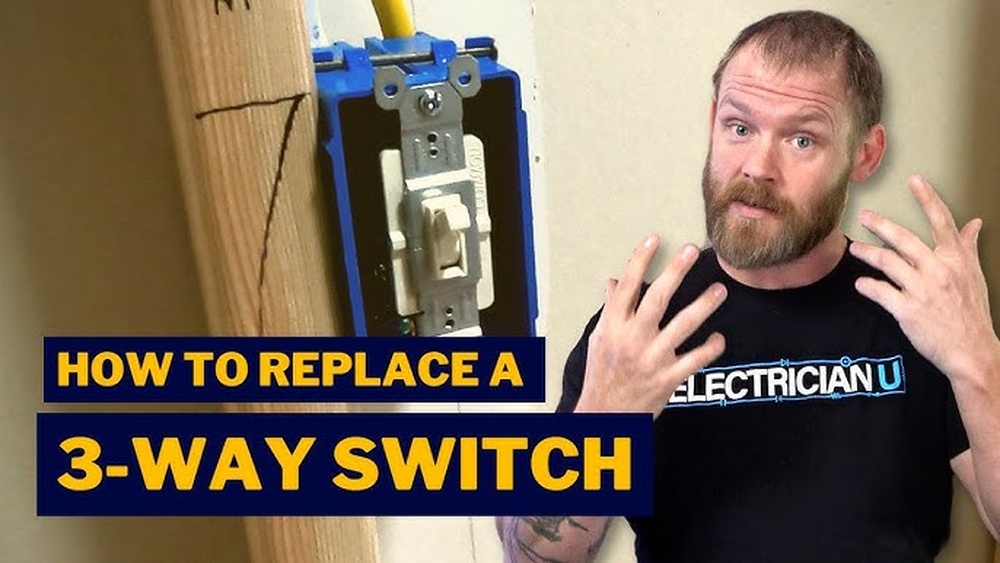
Replacing a light switch can be done by many homeowners. Basic switches are easy to swap out with simple tools.
Turn off the power before starting any work. This prevents shocks and accidents.
Some situations need a professional electrician. Complex wiring or old homes require expert handling. Professionals ensure the switch fits the system safely.
Choose professional help if unsure about the wiring or switch type. Safety should always come first.
Routine Inspection Practices
Check switches regularly for signs of wear or damage. Look for cracks, flickering lights, or strange sounds.
Test switches by turning lights on and off. Notice if they feel loose or sticky.
Inspect switch plates for dirt and moisture. Clean them gently to avoid damage.
Replace switches showing any damage immediately. Delaying repairs can cause bigger electrical issues.

Credit: www.sumzeroenergysystems.com
Frequently Asked Questions
How Often Should Light Switches Be Replaced?
Light switches should be replaced every 10-15 years or when they show signs of wear. Frequent use and electrical issues can shorten their lifespan. Regular checks ensure safety and functionality, preventing potential hazards like electrical shocks or fires.
What Are Signs A Light Switch Needs Replacement?
Signs include flickering lights, switch sticking, buzzing sounds, or a burning smell. These indicate electrical problems or worn-out components. Replacing faulty switches promptly ensures safety and prevents damage to your home’s electrical system.
Can Old Light Switches Cause Electrical Hazards?
Yes, old or damaged switches can cause electrical shocks, sparks, or fires. Worn contacts and loose wiring increase risks. Timely replacement is essential for maintaining a safe and efficient electrical system.
Is It Necessary To Upgrade Light Switches With Home Renovations?
Upgrading switches during renovations improves safety and functionality. Modern switches offer better durability and energy efficiency. It’s a good opportunity to replace outdated or faulty switches for enhanced home electrical safety.
Conclusion
Regularly check your light switches for signs of wear or damage. Replace them every 10 to 15 years to stay safe. Faulty switches can cause sparks or electrical problems. Don’t wait for a switch to break before changing it. Simple maintenance keeps your home’s wiring working well.
Remember, safety comes first with electrical parts. Keep an eye on how your switches feel and work. Acting early can prevent bigger issues later on. A small step that protects your home and family.