Changing a light switch toggle might seem tricky, but it’s easier than you think—and you can do it yourself! If your switch feels loose, looks outdated, or just doesn’t work right, fixing it can brighten up your room and give you peace of mind.
In this guide, you’ll find simple, step-by-step instructions that anyone can follow, even if you’ve never done electrical work before. Ready to save money and gain confidence by handling this small home upgrade? Keep reading, and you’ll have your light switch working perfectly in no time.
Tools And Materials Needed
Changing a light switch toggle requires a few basic tools and materials. Having the right items ready makes the task easier and safer. This section covers what you need before starting the job.
Essential Tools For The Job
A screwdriver set is necessary to remove and install screws. Use a flathead and a Phillips screwdriver for different screws. A voltage tester helps check if the power is off. Needle-nose pliers assist in bending or holding wires. Wire strippers remove insulation from wires safely.
Materials Required
You need a new light switch toggle that matches your current switch. Electrical tape is useful for securing wire connections. Wire nuts connect wires together safely. A small flashlight may help if the area has low light. Gloves protect your hands from sharp edges and electrical parts.
Safety Equipment
Turn off the power at the circuit breaker before starting. Use insulated tools to reduce the risk of electric shock. Safety goggles protect your eyes from dust and debris. Wear closed-toe shoes to protect your feet. Keep a dry cloth nearby to clean up any mess.
Safety Precautions
Changing a light switch toggle involves working with electricity. Safety is the top priority to avoid shocks or accidents. Taking simple steps can protect you during the process.
Always prepare before you start. This helps you work carefully and confidently. Follow each safety step to keep yourself safe.
Turn Off The Power
First, switch off the power at the circuit breaker. Do not rely on the wall switch alone. Confirm the power is off by testing the switch or light.
Use A Voltage Tester
Check the wires with a voltage tester before touching anything. This tool shows if electricity is still present. Never skip this step.
Wear Safety Gear
Use insulated gloves to protect your hands. Wear shoes with rubber soles to avoid shocks. Safety glasses can protect your eyes from dust or sparks.
Work In A Dry Area
Make sure the workspace is dry. Water and electricity do not mix well. Avoid working in damp or wet conditions.
Handle Wires Carefully
Do not pull or tug on wires roughly. Use proper tools to loosen or tighten connections. Keep wires away from sharp edges.
Turning Off The Power
Turning off the power is the first and most important step before changing a light switch toggle. It keeps you safe from electric shock. Always treat electricity with respect. Even a small mistake can cause injury.
Find the main electrical panel in your home. This panel controls the power supply to different parts of your house. You need to turn off the switch that controls the light switch you want to change.
Locate The Circuit Breaker Panel
The circuit breaker panel is usually in the basement, garage, or utility room. Look for a metal box with a door. Inside, you will see labeled switches. Each switch controls power to a specific area or device.
Identify The Correct Breaker
Check the labels to find the breaker for the room where the light switch is. If labels are missing, turn off the main breaker to cut power to the entire house. This stops all electricity and makes it safe to work.
Switch Off The Breaker
Flip the breaker switch to the off position. You will feel a click. This action stops the flow of electricity to the light switch. Double-check to be sure the power is off before touching wires.
Test For Power
Use a voltage tester or a non-contact tester near the light switch wires. If the tester shows no power, it is safe to proceed. Never skip this step. Electricity can be hidden and dangerous.
Removing The Old Switch
Removing the old light switch is the first step in changing a toggle switch. Safety is key. Always turn off the power at the circuit breaker before starting.
Careful removal prevents damage to the wall and wiring. Take your time and follow the steps below.
Unscrewing The Cover Plate
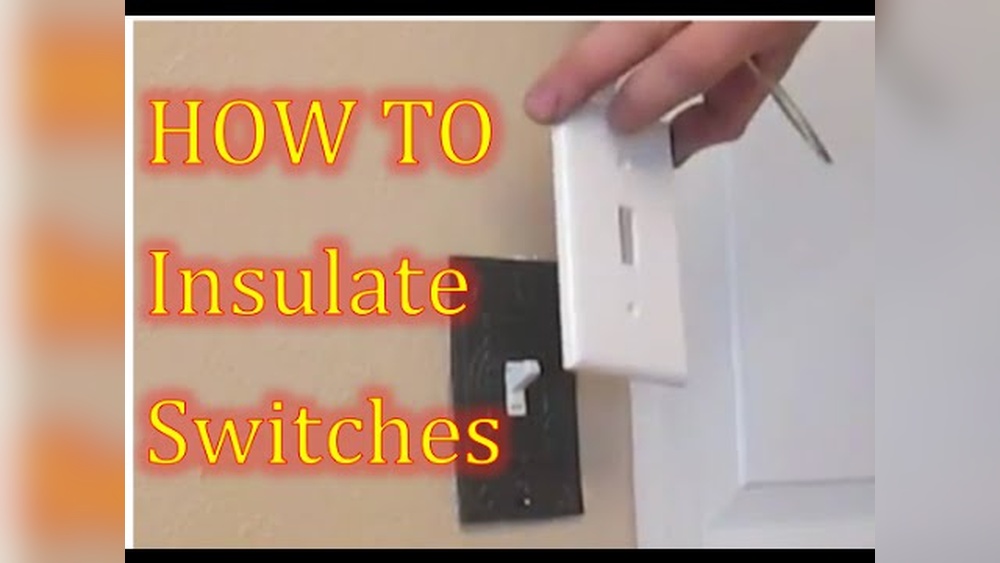
Use a flat-head or Phillips screwdriver to remove the screws on the cover plate. Keep the screws in a safe spot for later use. Gently pull the cover plate away from the wall. Avoid forcing it to prevent cracks or damage.
Detaching The Switch From The Wall
Next, unscrew the screws holding the switch to the electrical box. Pull the switch out slowly to expose the wires. Take note of how wires are connected for easy reinstallation. Do not touch any wires until you confirm the power is off.
Identifying And Labeling Wires
Identifying and labeling wires is a key step before changing a light switch toggle. It helps keep track of each wire’s function. This prevents mistakes and ensures safe installation. Take your time to understand each wire’s role.
Every electrical box may have different wire colors and setups. Knowing which wire does what makes the process easier and safer. Labeling wires clearly avoids confusion later.
Turn Off Power And Remove Switch Cover
First, switch off the power at the breaker box. Confirm no electricity flows by testing with a voltage tester. Remove the switch cover gently. This gives access to the wires behind the switch.
Examine Wire Colors And Positions
Look at the wires connected to the switch. Common colors include black, white, and green or bare copper. Black wires usually carry power. White wires often act as neutral. Green or bare wires are ground wires.
Use Labels Or Tape To Mark Wires
Attach small labels or colored tape to each wire. Write simple notes like “line,” “load,” or “ground.” This helps you remember each wire’s purpose during reassembly. Keep labels clear and easy to read.
Take Photos For Reference
Snap a photo of the wiring setup before disconnecting wires. This visual guide helps later when attaching wires to the new toggle switch. Photos reduce the risk of errors.

Credit: www.youtube.com
Connecting The New Switch
Connecting the new light switch is a key step in the replacement process. It ensures the switch works safely and correctly. Take your time to connect each wire properly. Double-check every connection for a secure fit. This prevents problems later.
Matching Wire Colors
Identify the colors of the wires in the box. Most homes use black, white, and green or copper wires. Match the black wire to the switch’s black terminal. Connect the white wire to the white or silver terminal. Ground wires, usually green or bare, go to the green screw. Correct matching keeps the electrical flow safe and smooth.
Securing The Wires
Wrap wires tightly around the switch terminals. Use needle-nose pliers to bend the wire ends into a hook. Place the hook around the screw in a clockwise direction. Tighten the screw firmly to hold the wire. Loose wires can cause shorts or flickering lights. After securing, gently tug each wire to check it is tight.
Reinstalling The Switch And Cover Plate
Reinstalling the switch and cover plate is the final step in changing a light switch toggle. This step ensures the switch is secure and looks neat. Proper reinstallation also keeps the wiring safe from dust and damage. It helps the switch work smoothly and last longer.
Aligning The Switch In The Electrical Box
Place the switch carefully inside the electrical box. Match the screw holes on the switch with the holes in the box. Make sure the wires are not pinched or bent. Keep the switch flat against the wall for a clean finish.
Securing The Switch With Screws
Use a screwdriver to tighten the screws. Do not overtighten, or the switch may crack. Tighten screws evenly to keep the switch steady. Check that the switch does not move when pressed.
Attaching The Cover Plate
Put the cover plate over the switch and align the holes. Insert the screws and tighten them gently. The cover plate should sit flush against the wall. Avoid gaps between the plate and wall surface.
Testing The Switch Operation
Turn the power back on at the breaker. Flip the switch to check if the light works. If the light turns on and off smoothly, installation is complete. If not, double-check the wiring and screw tightness.

Credit: www.homelectrical.com
Testing The New Switch
Testing the new switch is a key step after installation. It ensures the switch works safely and correctly. Testing helps find any wiring mistakes or faults early.
Take your time during this step to avoid future problems. A properly tested switch guarantees smooth operation and safety.
Turn The Power Back On
First, restore power at the circuit breaker. This activates the new switch. Be careful when switching the breaker back on. Avoid touching wires or terminals.
Check The Switch Operation
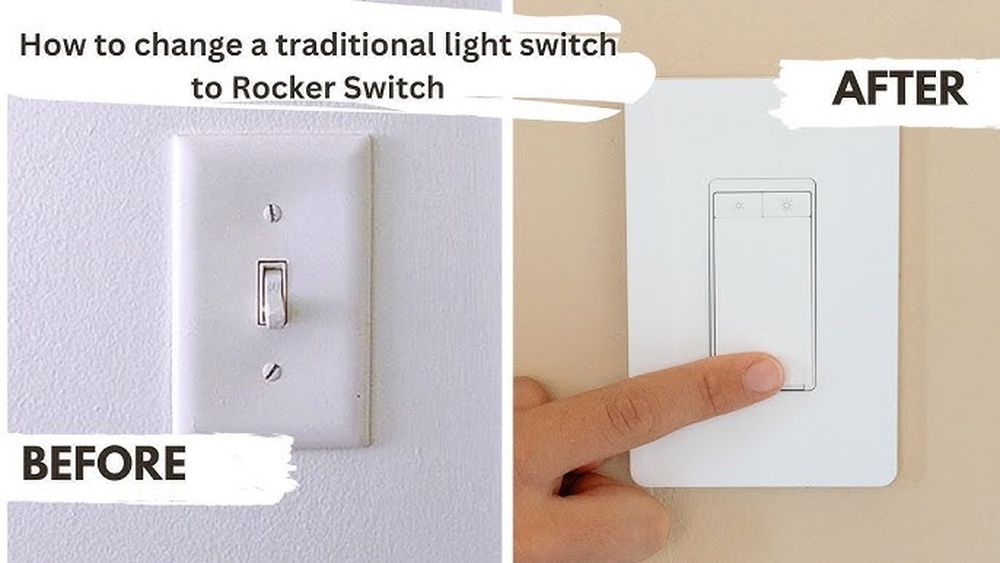
Flip the toggle switch up and down slowly. The light should turn on and off immediately. Test the switch several times to confirm it works well.
Observe For Any Issues
Look for flickering lights or sparks. Listen for buzzing or unusual sounds. These signs indicate wiring problems or a faulty switch.
Use A Voltage Tester
Use a voltage tester to check the switch terminals. It confirms power flows correctly to the switch. This step adds extra safety and confidence.
Secure The Switch Plate
Once the switch works properly, attach the switch plate. Tighten screws without overdoing it. A secure plate protects the wiring and switch.
Troubleshooting Common Issues
Troubleshooting common issues helps fix problems quickly when changing a light switch toggle. Small mistakes can cause the switch not to work right. Knowing what to check saves time and keeps you safe.
Check power first. Always turn off the power at the breaker before touching wires. Use a voltage tester to make sure the wires are not live. Safety first.
Identifying Loose Or Damaged Wires
Loose wires cause flickering or no power. Look for wires that wiggle or are not tight. Damaged wires may have cuts or frayed ends. Replace damaged wires and tighten loose ones carefully.
Testing The Switch For Faults
Use a multimeter to test the switch. Set it to continuity mode. Press the toggle and check if the multimeter beeps. No beep means the switch is faulty and needs replacement.
Ensuring Correct Wire Connections
Match wires to the right terminals. Usually, black or red wires connect to the brass screws. White wires go to silver screws. A green or bare wire connects to the ground screw. Wrong connections stop the switch from working.
Dealing With A Tripped Circuit Breaker
A tripped breaker cuts power to the switch. Find the breaker in your panel and reset it. If it trips again, check for short circuits or overloaded circuits before trying again.

Credit: home.howstuffworks.com
Frequently Asked Questions
How Do I Safely Turn Off Power Before Changing A Toggle Switch?
Always switch off the circuit breaker linked to the light switch. Use a voltage tester to confirm no electricity flows to the wires before starting work.
What Tools Are Needed To Replace A Light Switch Toggle?
You need a screwdriver, voltage tester, wire stripper, and new toggle switch. These tools ensure safe and efficient replacement.
How Do I Identify The Correct Wires On The Switch?
Look for black (hot) wires connected to the switch terminals. White (neutral) wires usually bypass the switch and stay connected.
Can I Change A Toggle Switch Without Professional Help?
Yes, if you follow safety steps and instructions carefully. However, consult an electrician if unsure or uncomfortable handling electrical components.
Conclusion
Changing a light switch toggle is simple and safe with the right steps. Always turn off the power before starting work. Use the correct tools and follow instructions carefully. Take your time to avoid mistakes or accidents. Now, you can replace switches on your own.
Brighten your home with confidence and ease. Try it yourself and enjoy the small fix.