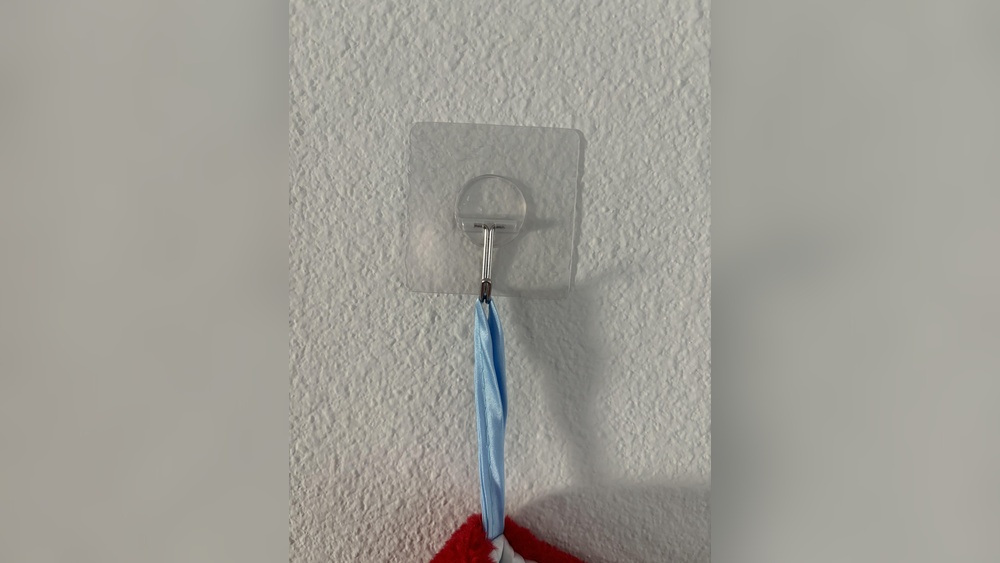
Have you ever struggled to take down adhesive wall hooks without damaging your walls? You’re not alone.
These handy hooks can hold up your favorite pictures or keys, but when it’s time to remove them, they can leave behind sticky residue or even peel off paint. Don’t worry—this guide will show you simple, effective ways to get rid of those stubborn hooks safely and cleanly.
Keep reading, and you’ll learn easy tricks that save your walls and your sanity.

Credit: www.reddit.com
Types Of Adhesive Wall Hooks
Adhesive wall hooks are popular for hanging items without nails or screws. They stick to surfaces using special glue or tape. These hooks come in various types. Each type has different materials and strength. Understanding these types helps in choosing the right hook. It also makes removing them easier without damage.
Common Materials Used
Most adhesive wall hooks use plastic or metal bases. Plastic hooks are lightweight and cheap. Metal hooks are stronger and last longer. The adhesive part often uses foam or gel tape. Foam tape sticks well on rough walls. Gel tape works best on smooth surfaces. Some hooks have a rubber grip to hold items better.
Strength And Weight Limits
Adhesive hooks have different weight limits. Light-duty hooks hold up to 1-2 pounds. Medium-duty hooks can hold about 5 pounds. Heavy-duty hooks support 7 pounds or more. Weight limits depend on adhesive strength and hook design. Overloading hooks causes them to fall off. Always check the label before use. This prevents damage to walls and items.
Preparing For Removal
Preparing to remove adhesive wall hooks is important for a smooth process. Proper preparation helps avoid wall damage and keeps you safe. Take time to gather the right tools and follow safety steps. This makes removal easier and cleaner.
Gathering Necessary Tools
Start by collecting simple tools. You will need a hairdryer or heat gun to soften the adhesive. A plastic card or old credit card helps to lift the hook gently. Keep a clean cloth or sponge handy for cleaning the wall after removal. Have some rubbing alcohol or adhesive remover ready for sticky residue. These tools make the process quick and less stressful.
Safety Precautions
Wear gloves to protect your hands from heat and chemicals. Work in a well-ventilated room to avoid breathing in fumes. Use the hairdryer or heat gun carefully to prevent burns. Avoid pulling too hard on the hook to stop wall damage. Take your time and proceed with care for the best results.
Step-by-step Removal Techniques
Removing adhesive wall hooks can be tricky. Without the right method, you may damage your wall or leave sticky residue behind. The following step-by-step techniques help you remove hooks safely and cleanly. Each method suits different types of walls and adhesives.
Peeling Off Slowly
Start by gently lifting the edge of the hook or adhesive strip. Pull it slowly and evenly towards the wall, keeping it low and close to the surface. Avoid yanking or pulling fast. Slow peeling reduces the risk of paint or drywall damage. If the hook resists, stop and try another method.
Using Heat To Loosen Adhesive
Use a hairdryer on low heat to warm the adhesive. Heat softens the glue, making it easier to peel off. Hold the dryer about six inches from the hook and move it around for one to two minutes. After heating, try peeling the hook slowly. Repeat heating if needed until the hook releases easily.
Applying Dental Floss Or Fishing Line
Take a piece of dental floss or fishing line and slide it behind the hook. Use a gentle sawing motion to cut through the adhesive layer. This method works well for flat hooks or strips. It reduces wall damage and avoids pulling directly on the paint or wallpaper. Be patient and keep the floss tight.
Utilizing Adhesive Remover Solutions
Use an adhesive remover designed for wall surfaces. Apply a small amount around the hook base with a cotton swab or cloth. Let it sit for a few minutes to break down the glue. Then, peel the hook off gently. Clean the area with warm water and mild soap afterward to remove any leftover residue.
Preventing Wall Damage
Removing adhesive wall hooks can be tricky without harming your walls. Peeling paint or damaged drywall often happens when hooks come off too fast or with too much force. Taking care while removing hooks helps keep your walls smooth and clean.
This section explains easy ways to protect paint and drywall. It also covers handling sticky residue left behind. Follow these tips to keep your walls looking fresh and intact.
Protecting Paint And Drywall
Start by peeling the hook slowly. Pull the adhesive strip straight down, not outward. Stretch the strip gently to loosen its grip.
Use your fingers or a plastic card to lift edges softly. Avoid metal tools that can scratch or chip paint. If the hook resists, warm the area with a hairdryer for 30 seconds. Warmth softens the glue and makes removal easier.
Handling Stubborn Residue
Sticky residue can stay after hook removal. Dab a cloth with rubbing alcohol or vinegar and rub the residue gently. This breaks down glue without harming paint.
For tougher spots, use a little cooking oil. Apply it, wait five minutes, then wipe clean. Avoid scrubbing hard to protect wall surfaces.
Cleaning Up After Removal
Removing adhesive wall hooks can leave sticky residue and marks behind. Cleaning up after removal helps your walls look neat again. It also prepares the surface for painting or new decorations. Taking time to clean properly protects your wall’s finish.
Removing Leftover Adhesive
Sticky glue can be tough to remove. Start by gently rubbing the area with your fingers. Use warm soapy water to soften the adhesive. A cloth soaked in rubbing alcohol works well too. Apply it carefully and rub in small circles. Avoid harsh scrubbing to prevent wall damage. For stubborn spots, try a commercial adhesive remover. Always test on a small hidden area first.
Restoring Wall Surface
After removing glue, check for wall damage. Small scratches can be fixed with a bit of spackling paste. Apply the paste smoothly and let it dry completely. Sand the patch lightly to blend with the wall. For paint walls, touch up with matching paint. Clean walls make your room look fresh and cared for. Proper restoration keeps your walls ready for new hooks or artwork.

Credit: www.youtube.com
Tips For Future Hook Use
Adhesive wall hooks are handy for organizing and decorating. Removing them without damage takes care and the right tools. Planning for future use helps avoid marks and peeling paint. The right hooks and proper steps make removal easier.
Choosing Removable Hooks
Pick hooks labeled as removable or damage-free. These hooks use gentle adhesives that peel off cleanly. Avoid permanent hooks that stick too hard. Look for products with good reviews on easy removal. Test a small area first to check for damage risk.
Proper Application For Easy Removal
Clean the wall before placing hooks. Dirt and dust reduce adhesive strength. Press hooks firmly but avoid pushing too hard. Follow the package instructions for best results. Do not overload hooks beyond their weight limit. This prevents falling and damage during removal.

Credit: www.youtube.com
Frequently Asked Questions
How Do I Safely Remove Adhesive Wall Hooks?
To safely remove adhesive wall hooks, slowly peel the hook from the bottom. Use a hairdryer to warm the adhesive, softening it. Pull the adhesive strip downwards, not outward, to avoid wall damage. Clean residue with mild soap and water afterward.
Can Adhesive Hooks Damage Painted Walls?
Adhesive hooks can damage painted walls if removed improperly. Peeling quickly may strip paint or leave residue. Using heat and gentle peeling reduces damage risk. Always check the hook’s instructions before removal to protect your wall’s finish.
What Tools Help Remove Adhesive Wall Hooks?
A hairdryer, dental floss, and rubbing alcohol help remove adhesive hooks. Heat softens the glue, floss slides behind to separate adhesive, and alcohol cleans residue. These tools ensure smooth removal without wall damage.
How To Remove Sticky Residue From Walls?
Use warm soapy water or rubbing alcohol to remove sticky residue. Apply gently with a soft cloth to avoid paint damage. Avoid harsh chemicals that may strip paint or finish. Test cleaning method on a small area first.
Conclusion
Removing adhesive wall hooks is easy with the right steps. Start slow and use heat or oil to loosen the glue. Avoid pulling hard to protect your walls from damage. Clean any leftover sticky residue gently. These simple tips help keep your walls smooth and ready for new decor.
Small care goes a long way. Try these methods for a neat and damage-free removal every time.