Have you ever wondered how you can control the same light from two different switches? Whether it’s at the top and bottom of your stairs or in a large room with multiple entrances, a two way light switch makes this possible—and it’s simpler than you might think.
Understanding how this switch works can save you time and money, especially if you want to fix or upgrade your home lighting. You’ll discover exactly how a two way light switch functions, step by step, so you can feel confident handling it yourself or know what to ask a professional.
Keep reading to unlock the secret behind this clever wiring setup!

Credit: www.realpars.com
Basics Of Two Way Switches
Two way switches allow you to control one light from two different places. They are simple devices but very useful. These switches work together to turn a light on or off from either switch.
This setup is common in homes. It adds convenience and safety. Understanding how two way switches work helps in better home wiring and repair.
What Is A Two Way Switch
A two way switch has three terminals. It lets electricity flow through one of two paths. Flipping the switch changes the path, turning the light on or off.
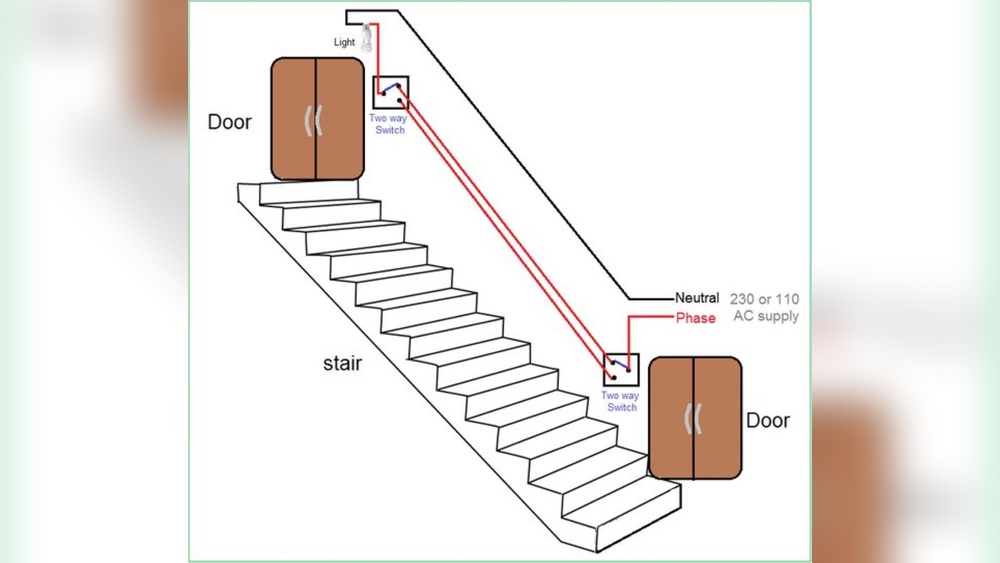
Each switch connects to the other by two wires called travelers. These travelers carry current between switches. The light turns on when the circuit is complete.
Common Uses In Homes
Two way switches are often used in hallways and staircases. They let you control lights from both ends. Bedrooms and large rooms also use them for ease.
This system avoids walking in the dark. You can switch the light on near the door and off near the bed. It improves home comfort and safety.
Components Involved
A two way light switch uses a few key parts to control a light from two spots. Knowing these parts helps you understand how the switch works. Each component plays a simple but important role in the system.
The parts work together to turn a light on or off from two different switches. The setup makes it easy to control lighting in hallways or large rooms.
Switch Mechanism
The switch has a small lever or toggle you flip to open or close the circuit. Inside, metal contacts connect or separate to allow or stop electricity flow. The mechanism changes the path of electricity between two wires. This switching action lets you control the light from two locations.
Wiring Essentials
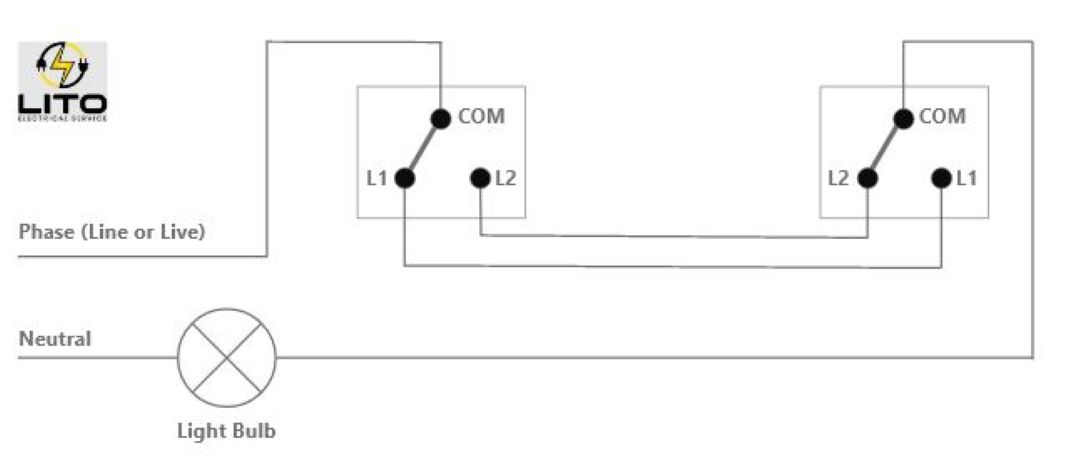
Three wires connect the two switches and the light fixture. Two traveler wires carry current between switches. A common wire links the power source or the light fixture. Proper wiring ensures electricity flows safely and correctly. Each wire has a specific role to make the system work smoothly.
How It Controls Lights
A two way light switch lets you control a light from two places. This is useful in hallways, stairs, or big rooms. You can turn the light on or off from either switch. The switches work together to open or close the electrical circuit.
The magic happens inside the wiring and switches. Each switch changes the path of the electric current. This lets the light turn on or off depending on the switch positions. Understanding this helps you see why two way switches are so handy.
Circuit Path Explained
The circuit has three wires: one common and two travelers. The common wire carries the electric current. The travelers connect the two switches. They carry current between the switches.
When switches change position, they open or close the circuit. This stops or allows current to flow to the light. The light turns on when the circuit is closed. It turns off when the circuit is open.
Role Of Each Switch
Each switch has three terminals: one common and two travelers. The common terminal connects to the power or the light. The travelers connect to the other switch.
Flipping a switch moves the connection from one traveler to the other. This changes the circuit path. Both switches control the path, so either switch can turn the light on or off.
Step-by-step Wiring Guide
Understanding how a two-way light switch works helps control a light from two places. This guide shows the wiring steps clearly and simply. Follow each step to connect the switches safely and correctly.
Tools Required
Start by gathering the right tools. You will need a screwdriver, wire strippers, a voltage tester, and electrical tape. Having a wire cutter and pliers helps as well. These tools make the job safer and easier.
Connecting The Wires
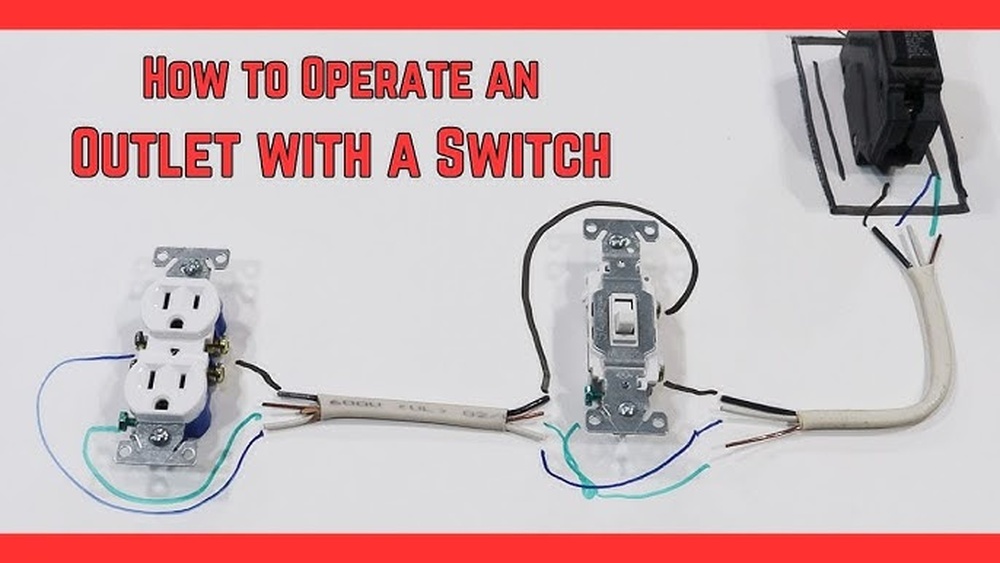
Turn off the power at the breaker box before starting. Identify the common, L1, and L2 terminals on the switch. Connect the live wire to the common terminal. Attach the traveler wires to L1 and L2 terminals on the first switch. Run the traveler wires to the second switch’s L1 and L2 terminals. Connect the common terminal on the second switch to the wire going to the light fixture. Secure all wire connections with wire nuts and wrap them with electrical tape.
Safety Tips
Always ensure power is off before touching wires. Use a voltage tester to confirm no current flows. Work in a well-lit area and keep your hands dry. Wear insulated gloves for added protection. Double-check all connections before turning the power back on. Follow local electrical codes and regulations for safe installation.
Troubleshooting Common Issues
Troubleshooting common issues with a two-way light switch helps keep your lights working properly. Small problems can stop the switch from working or cause flickering. Knowing what to check saves time and effort. This guide covers three frequent issues and their causes.
Switch Not Working
When the switch does not turn the light on or off, start by checking the power supply. The circuit breaker might be off or a fuse could be blown. Test the switch by flipping it a few times. Sometimes dirt or wear inside the switch causes failure. Replacing the switch often fixes the problem quickly.
Flickering Lights
Flickering lights can mean a loose connection or a bad bulb. Check if the bulb is screwed in tightly. If the flicker continues, inspect the wiring at both switches. Loose wires can cause the light to flicker and create safety hazards. Tightening connections usually stops the flicker.
Loose Connections
Loose connections are common in two-way switches. Over time, wires may loosen from the terminals. Turn off the power before inspecting any wiring. Use a screwdriver to tighten the screws holding the wires. Secure connections ensure the switch works smoothly and safely. Regular checks prevent future problems.

Credit: www.youtube.com
Upgrading To Modern Switches
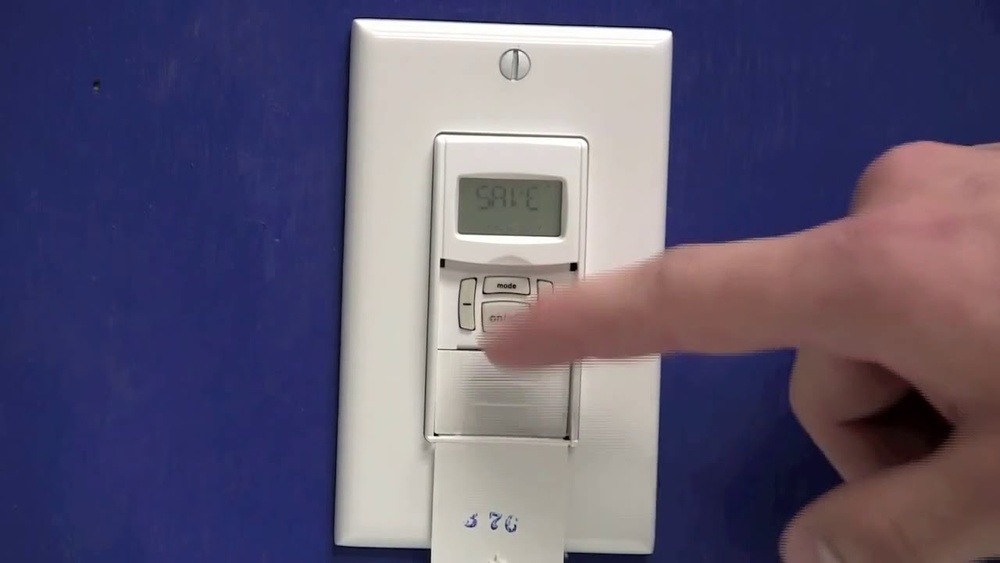
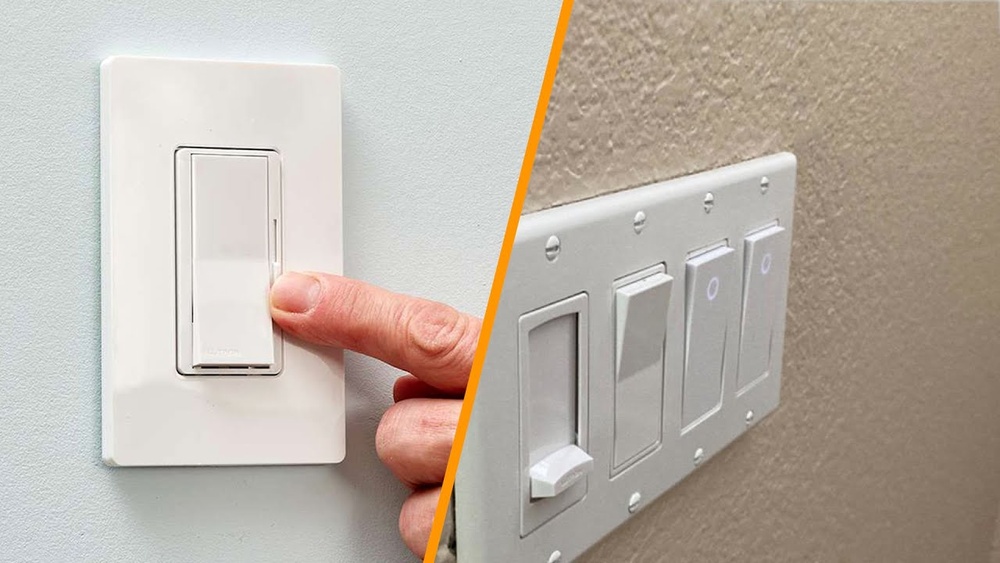
Upgrading to modern switches brings new features and convenience to your home. Traditional two way switches have been reliable for years. Modern switches add smart functions and save energy. These upgrades make your lighting system easier to use and more efficient.
Smart Two Way Switches
Smart two way switches connect to your home Wi-Fi. You can control lights using a smartphone app or voice commands. They allow scheduling lights to turn on or off automatically. This adds comfort and safety to your living space. Installation is simple and fits existing wiring.
Energy Efficiency Benefits
Modern switches reduce electricity use by offering precise control. You can dim lights or turn them off remotely. This prevents lights from staying on unnecessarily. Many switches include timers and motion sensors. These features help lower your energy bills and reduce waste.
Credit: www.litoelectrical.com
Frequently Asked Questions
What Is A Two Way Light Switch?
A two way light switch controls one light from two different locations. It uses two switches connected by traveler wires, allowing you to turn the light on or off from either switch.
How Does A Two Way Light Switch Work?
It works by changing the electrical path between two switches. Flipping either switch redirects current, turning the light on or off from both locations seamlessly.
Where Are Two Way Light Switches Commonly Used?
They are commonly installed in hallways, staircases, and large rooms. This setup provides convenience by allowing light control from multiple entry points.
Can I Install A Two Way Switch Myself?
Yes, if you have basic electrical knowledge and follow safety precautions. Always turn off power and use correct wiring techniques for safe installation.
Conclusion
A two-way light switch lets you control one light from two places. It works by changing the path of electricity. This setup is common in hallways and large rooms. Understanding its basics helps with home repairs or upgrades. Simple wiring makes it easy to use and install.
Now, you know how this switch improves convenience at home. Try checking your switches to see if they match this design. Small changes can make your lighting more flexible and useful.