Have you ever wondered exactly how high to put a light switch in your home? Getting the height just right isn’t as simple as it sounds.
If your switch is too low or too high, it can be uncomfortable to use every day. You want it to feel natural, easy to reach, and safe for everyone in your household. You’ll discover the ideal height for installing light switches, practical tips to make the job easier, and common mistakes you should avoid.
Keep reading to make sure your light switches are perfectly placed—because small details like this can make a big difference in your daily comfort.

Credit: www.angi.com
Standard Height For Light Switches
Choosing the right height for light switches is important for comfort and safety. A standard height helps everyone use switches easily. It also keeps your home looking neat and consistent. Knowing the right measurements helps during installation and remodeling.
Common Measurements
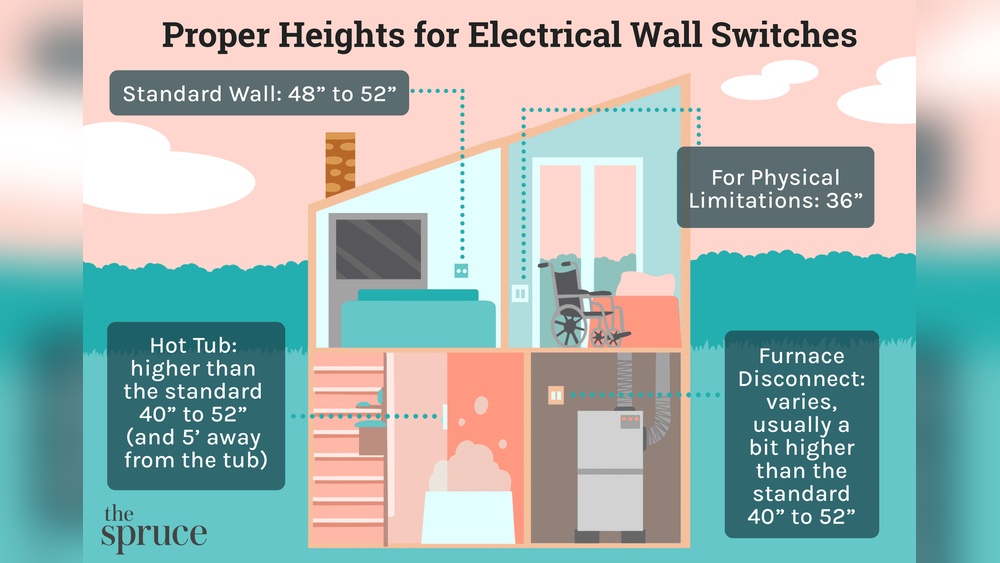
Most light switches are placed between 42 and 48 inches from the floor. This height works well for adults and children. It allows easy access without bending or stretching. Some builders prefer 48 inches because it fits most people comfortably. The exact height can vary slightly depending on the room.
Building Code Requirements
Building codes set rules for switch heights to ensure safety and accessibility. The Americans with Disabilities Act (ADA) recommends switches be 48 inches or lower. This helps people with disabilities reach switches easily. Local codes may have specific rules, so check before installation. Meeting code rules avoids fines and keeps your home safe.
Factors Influencing Switch Height
Choosing the right height for a light switch is more than a simple measurement. Several factors affect where switches should be placed. These factors ensure the switch is easy to reach and works well in the room.
Understanding these points helps create a practical and comfortable space.
User Accessibility
Switch height must suit all users. Everyone should reach it easily, including children and people with disabilities. Standards often suggest placing switches at about 48 inches from the floor. This height works well for most adults and older children. Adjustments may be needed for specific needs or settings.
Room Functionality
Think about how the room is used. In a kitchen, switches might be higher to avoid contact with water or food. In a bedroom, switches near the door should be easy to find in the dark. The switch height can also depend on the room size and layout. Different rooms may need different switch heights to fit their use.
Furniture Placement
Furniture affects switch height choices. A switch behind a sofa or large cabinet is hard to reach. Place switches where furniture won’t block access. Consider the height of nearby tables or counters too. Proper switch placement keeps the room functional and safe.
Height Recommendations For Different Spaces
Choosing the right height for light switches improves comfort and safety. Different rooms need different switch heights. Consider the room’s purpose and users when deciding the height. Here are some common recommendations for various spaces.
Living Rooms And Bedrooms
In living rooms and bedrooms, switches usually sit at 48 inches from the floor. This height suits most adults and children. It offers easy reach from the bed or sofa. Switches should be near the door for quick access. Avoid placing switches too high or low.
Kitchens And Bathrooms
Kitchens and bathrooms need special care due to moisture. Switches in these areas often stand at 44 to 48 inches high. Keep switches away from sinks and water sources. Use switches with moisture protection for safety. Position switches where you can reach them without touching wet surfaces.
Commercial Settings
In commercial buildings, switch height depends on building codes. Common height is about 42 to 48 inches. This height meets accessibility rules for all users. Ensure switches are easy to find and use in busy areas. Consider wheelchair users and children in public spaces.
Ada Compliance And Accessibility
Ensuring light switches meet ADA compliance and accessibility standards is vital. It helps people with disabilities use switches safely and independently. Proper placement supports comfort and ease of use for everyone. This section covers the main ADA rules and how to adjust switch height for mobility challenges.
Key Ada Guidelines
The ADA requires light switches to be installed between 15 and 48 inches from the floor. This height range allows most people to reach the switch without strain. Switches must be easy to operate with one hand. They should not require tight grasping, pinching, or twisting.
Switches placed too high or too low can create barriers. The 48-inch maximum ensures wheelchair users can reach controls. The 15-inch minimum prevents switches from being too low for standing users. Clear space around the switch is also necessary for accessibility.
Adjustments For Mobility Challenges
Some people have limited arm strength or range of motion. For these users, placing switches closer to 36 inches works better. This height reduces the need to stretch or bend.
Consider rocker or paddle-style switches. They need less force than traditional toggle switches. Also, position switches near room entrances for easy access.
Accessible switch placement improves independence. It helps people with mobility challenges control lighting without help.
Tips For Custom Switch Placement
Placing light switches at the right height and position improves comfort and convenience. Custom switch placement helps match your home’s unique layout. Thoughtful planning makes daily use easier and safer. Consider these tips to choose the best spots for your switches.
Considering Wall Space
Check the available space on your walls before installing switches. Avoid placing switches too close to door frames or corners. Leave enough room for easy access and clear visibility. Make sure switches are not blocked by furniture or decorations. A clear wall space around switches helps everyone find them quickly.
Switch Grouping Strategies
Group switches by function or room area to keep things simple. For example, place all living room light switches together. Group switches controlling the same light or device close to each other. This reduces confusion and helps users operate them faster. Keep switch groups consistent across your home for easy use.
Smart Switch Positioning
Position switches at a comfortable height for most users. The common height is about 48 inches from the floor. Make switches easy to reach for children and people with disabilities. Consider the flow of traffic and place switches near room entrances. Place switches on the side of the door you open towards for easy access.

Credit: www.diynot.com
Common Mistakes To Avoid
Placing a light switch at the right height is important for comfort and safety. Many people make simple mistakes when installing switches. These errors can cause frustration and extra work later. Avoiding these common mistakes helps create a functional space that works well for everyone.
Too High Or Too Low
Switches set too high or too low can be hard to reach. Children, elderly, and people with disabilities may struggle. The standard height is usually around 48 inches from the floor. Sticking close to this height keeps switches easy to use for most people.
Ignoring User Needs
Every home or room has different users with unique needs. Ignoring these can make switches inconvenient. Think about who will use the switch most often. Consider height, mobility, and habits to place switches where they make sense.
Overlooking Future Changes
Home layouts and uses can change over time. Overlooking this may lead to switches in awkward spots later. Plan for flexibility. Allow space for new furniture or room changes. This saves time and money on future adjustments.
Tools And Techniques For Installation
Installing a light switch at the right height needs the proper tools and techniques. This ensures safety, comfort, and a neat look. Using the right tools makes the process easier and more precise. Techniques help keep the switch straight and at the correct level.
Measuring Tools
Use a tape measure to find the correct height. A ruler or yardstick can also help with small adjustments. Measure from the floor to where the switch will sit. Write down your measurements to avoid mistakes. Keep the tools handy for quick checks.
Marking And Leveling
Mark the wall with a pencil where the switch will go. Use a level to make sure the marks are straight. A small carpenter’s level works best for this job. Draw a light line to guide the switch box placement. This step prevents crooked or uneven switches.
Testing Switch Position
Before fixing the switch, test its position. Hold the switch box against the wall marks. Check if it feels comfortable to reach. Adjust the height if needed for easy use. Testing saves time and avoids redoing the work.
:max_bytes(150000):strip_icc()/measuring-electrical-outlet-height-1821556-06-b960a41f86664f03b648797767b113af.jpg)
Credit: www.thespruce.com
Frequently Asked Questions
What Is The Standard Height For A Light Switch?
The standard height for a light switch is typically 48 inches from the floor. This height ensures easy access for most adults and meets common building codes.
Why Is Switch Height Important In Home Design?
Proper switch height improves accessibility and convenience. It ensures switches are reachable and safe, enhancing user comfort and complying with safety standards.
Can Light Switch Height Vary By Room Type?
Yes, switch height can vary. For example, in bedrooms or kids’ rooms, lower placements around 42 inches may be preferred for easier reach.
Are There Accessibility Guidelines For Light Switch Height?
Yes, the ADA recommends light switches be installed between 15 to 48 inches from the floor. This range accommodates people with disabilities.
Conclusion
Choosing the right height for your light switch matters. It makes your home safer and easier to use. Most switches work best around 48 inches from the floor. This height fits most people and meets building rules. Remember, think about who uses the room most.
Kids or wheelchair users may need lower switches. Proper placement saves you time and effort later. Small changes can improve daily comfort greatly. Keep these tips in mind for your next project. Your home will feel more welcoming and smart.