Have you ever stood in a dark room, fumbling for the light switch, and wondered if there’s an easier way to turn it on? Knowing how to quickly and confidently operate a light switch might seem simple, but it’s a skill that can save you time and frustration every day.
Whether you’re in a new home, visiting someone else’s place, or just want to understand the basics better, this guide is made just for you. Keep reading, and you’ll discover clear, step-by-step tips that make turning on your lights effortless and even a bit satisfying.
Your home will feel brighter—and you’ll feel more in control—before you know it.
Credit: mrelectric.com
Types Of Light Switches
Light switches come in different styles and functions. Knowing the types helps you choose the right switch for any room. Each type offers a unique way to control lighting.
Toggle Switches
Toggle switches are the most common light switches. They have a small lever that flips up or down. Up usually means on, down means off. They are simple, reliable, and easy to use.
Rocker Switches
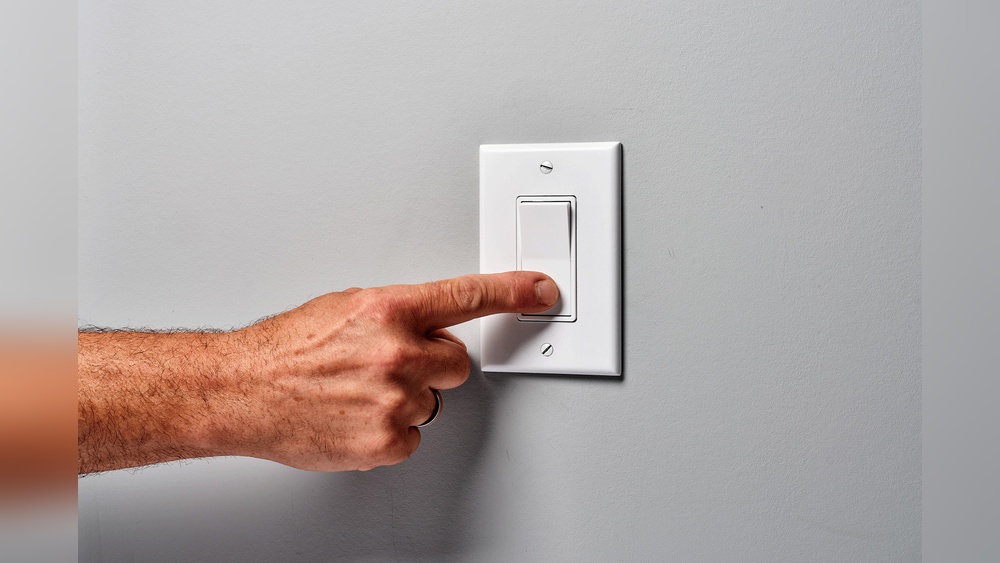
Rocker switches have a flat panel that rocks back and forth. Press one side to turn on the light, the other to turn it off. They look modern and are easy to press, even with wet hands.
Dimmer Switches
Dimmer switches control the brightness of lights. Turn the knob or slide the control to adjust light levels. Great for creating a cozy or bright atmosphere. They help save energy too.
Smart Switches
Smart switches connect to Wi-Fi or Bluetooth. Control your lights using a smartphone or voice commands. Set schedules or timers for convenience. They add comfort and can reduce electricity use.
Credit: glenco.com.au
Safety Tips Before You Start
Before turning on a light switch, safety is very important. Taking simple steps can prevent accidents and keep you safe. Always check your surroundings and tools first. This helps avoid shocks or other dangers. Follow these safety tips before you start.
Check The Power Source
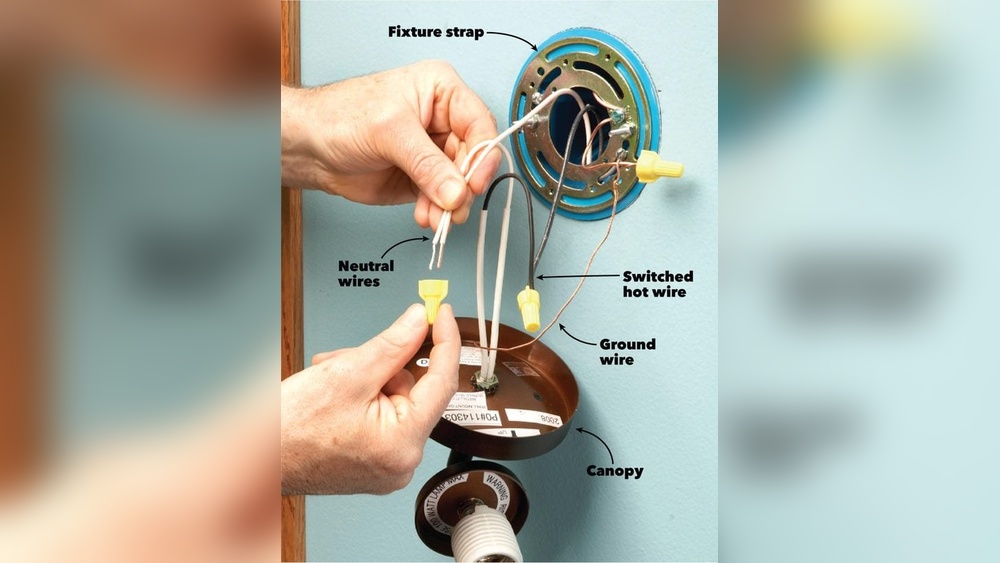
Make sure the power source is safe to use. Find the main switch or circuit breaker. Turn it off if you need to work on the switch. This stops electricity from flowing. Never touch wires without turning off power.
Use Proper Tools
Use tools made for electrical work. Insulated screwdrivers and pliers protect you from electric shocks. Avoid using metal tools without insulation. Proper tools make the job safer and easier.
Avoid Wet Hands
Never handle a light switch with wet hands. Water conducts electricity and can cause shocks. Always dry your hands before working with electrical parts. Safety starts with simple habits.
Step-by-step Guide To Turning On A Light Switch
Turning on a light switch is a simple task. Yet, for beginners, it might seem tricky. This step-by-step guide shows how to turn on a light switch easily. Follow each step to brighten your room quickly.
Locate The Switch
Find the light switch on the wall. Usually, switches are near doors or entrances. Look at a comfortable height for easy reach.
Identify The On Position
Check the switch position. Most switches have two positions: up or down. Usually, the “on” position is up, but some may differ.
Flip The Switch
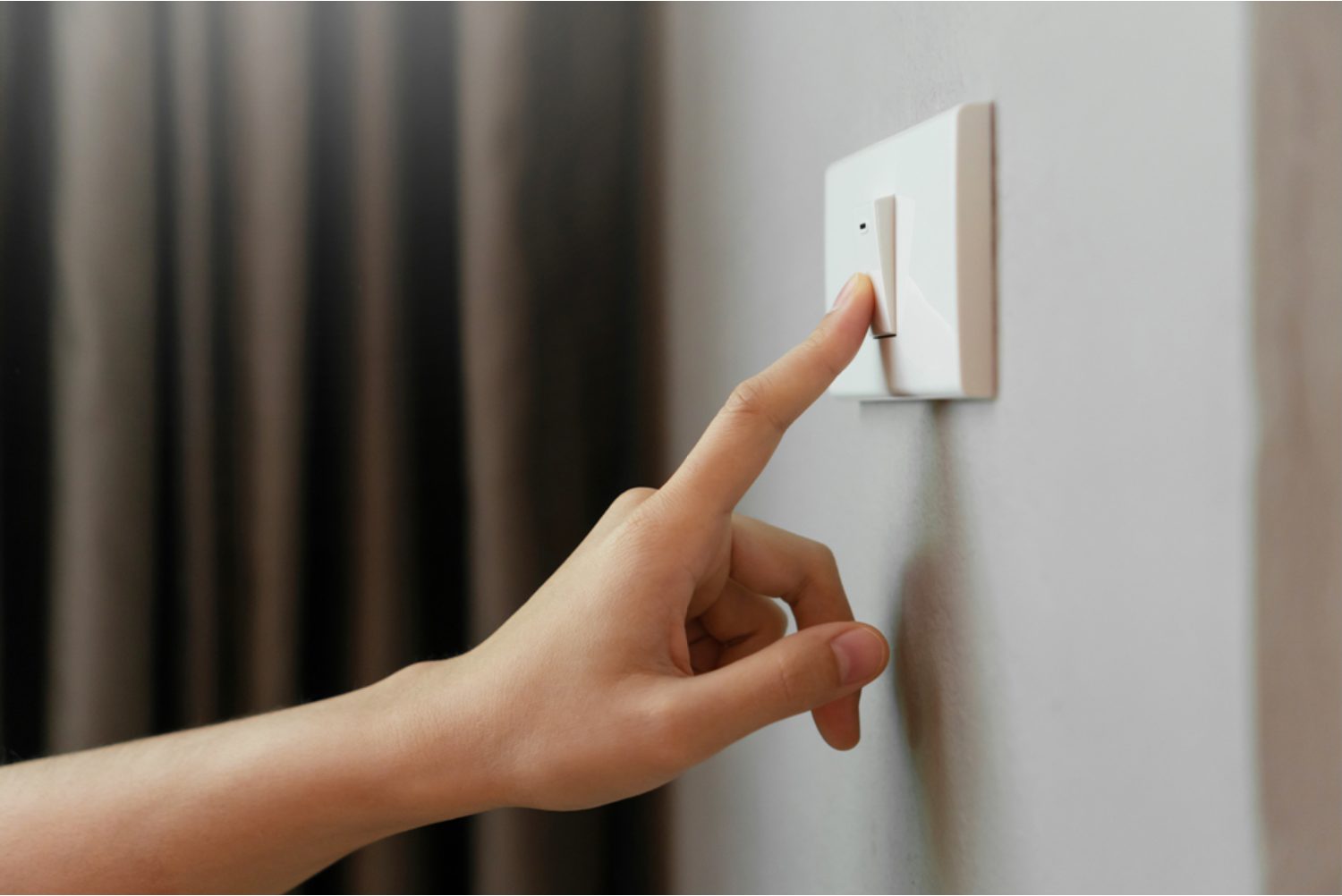
Use your finger to flip the switch. Move it to the “on” position gently. No need to force it.
Verify The Light Is On
Look around to see if the light turned on. If the room is bright, you did it right. If not, try flipping the switch again or check the bulb.
Troubleshooting Common Issues
Troubleshooting common issues with light switches helps restore power quickly. Many problems are simple and can be fixed without special tools. Understanding basic signs can save time and effort.
Light Not Turning On
Check if the light bulb is burned out. Replace it with a new one to test. Make sure the power is on at the breaker box. Sometimes the switch wiring is loose or disconnected. Turn off power before inspecting the switch’s wiring.
Switch Feels Loose
A loose switch may not work properly. It could cause flickering or no light at all. Tighten the screws on the switch plate gently. If the switch moves inside the wall, it needs mounting support. Replace the switch if it feels broken or worn out.
Flickering Lights
Flickering lights often mean a bad connection. Check the light bulb and replace if needed. Inspect the switch for loose wires or damage. Flickering can also come from the fixture or wiring. Call a professional if unsure about electrical safety.
Upgrading To Smart Lighting
Upgrading to smart lighting changes how you use your lights every day. It offers more control and convenience than traditional switches. Smart lights can save energy and improve your home’s atmosphere. This upgrade makes your home feel modern and easier to manage.
Benefits Of Smart Switches
Smart switches let you control lights with your voice or phone. They help reduce electricity bills by turning off lights automatically. You can set schedules to match your daily routine. Smart switches also work with other smart home devices. This adds safety by allowing you to turn on lights before you enter a room.
Installation Basics
Installing a smart switch is simple. First, turn off the power at the circuit breaker. Remove the old switch carefully. Connect wires to the new smart switch following the instructions. Use a screwdriver to secure the switch in place. Turn the power back on and test the switch.
Controlling Lights Remotely
Smart switches connect to your home Wi-Fi. This lets you control lights from anywhere using an app. You can turn lights on or off even if you are away from home. Remote control helps check if you forgot to turn off lights. It also creates a welcoming home by turning lights on before you arrive.
:max_bytes(150000):strip_icc()/200526811-001-56a5a63e5f9b58b7d0ddd35e.jpg)
Credit: www.thespruce.com
Frequently Asked Questions
How Do I Turn On A Light Switch Safely?
First, ensure your hands are dry. Stand on a dry surface. Flip the switch upward or press it to the “on” position. Avoid forcing it if it feels stuck. If unsure, consult an electrician to prevent electric shock.
What Type Of Light Switch Is Easiest To Use?
Rocker switches and toggle switches are user-friendly. They require simple up or down motions. These switches clearly indicate on/off positions. Choose one based on your room’s design and personal preference for ease of use.
Can A Faulty Light Switch Cause Electrical Problems?
Yes, a faulty switch can cause flickering or power loss. It may also spark or overheat, posing fire risks. Replace damaged switches promptly to ensure safety and proper lighting function. Always hire a professional for repairs.
Why Won’t My Light Switch Turn On The Light?
Possible causes include a tripped breaker, burnt-out bulb, or faulty wiring. Check the bulb and circuit breaker first. If these are fine, the switch itself may be defective and need replacement.
Conclusion
Turning on a light switch is simple and quick. Just flip the switch up to let the light flow. Always make sure your hands are dry before touching it. This small action brightens your room and helps you see clearly.
Knowing how to use a light switch can save time and avoid confusion. Practice a few times if you feel unsure. Soon, it will feel natural and easy every day. Light up your space safely and enjoy the comfort it brings.