When you’re setting up your home or doing a renovation, one small detail can make a big difference: the height of your light switches. You might wonder, “How high should a light switch be off the ground?” It’s not just about convenience—getting this right affects safety, comfort, and even your home’s value.
You’ll discover the ideal height for light switches that works for everyone in your home. Keep reading to make sure your switches are placed perfectly, so you never have to stretch or bend awkwardly again.

Credit: www.amazon.com
Standard Switch Height
Setting the right height for a light switch matters. It affects comfort and ease of use. The standard height ensures most people can reach switches without trouble. It also helps keep homes safe and accessible.
Typical Measurements
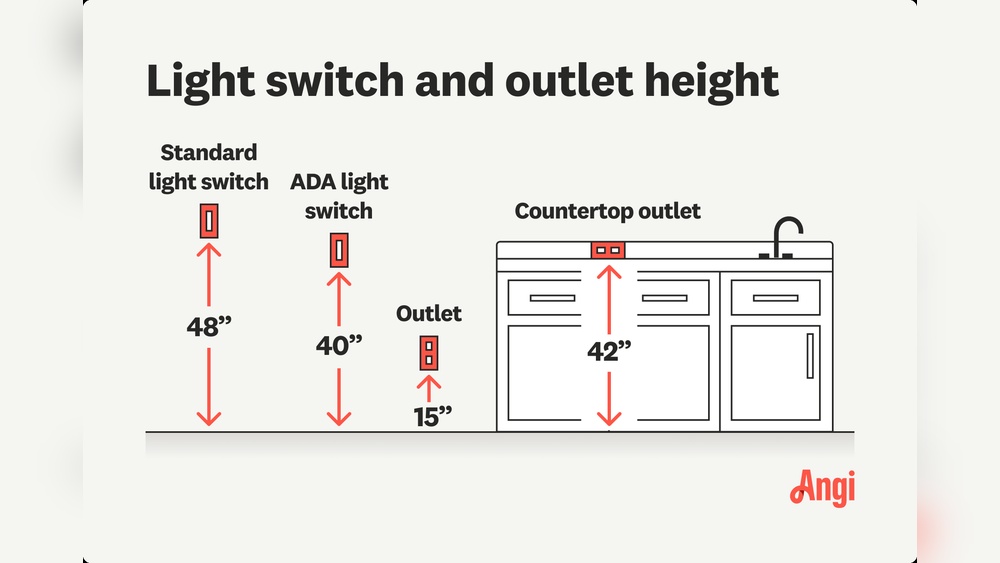
Most light switches sit around 48 inches from the floor. This height suits adults and older children. It avoids bending down or stretching up. In some homes, switches might be a little higher or lower. But 48 inches is the common choice for convenience.
Building Code Requirements
Building codes set rules for switch height. These rules ensure safety and accessibility. The Americans with Disabilities Act (ADA) suggests switches be 48 inches or less. This helps people in wheelchairs or with limited reach. Following codes keeps your home legal and user-friendly.

Credit: sellersessions.com
Factors Influencing Switch Height
Choosing the right height for a light switch depends on several important factors. These factors help make the switch easy to reach and use for everyone. They also fit well with the room’s design and function. Understanding these points makes installing switches simpler and more practical.
Room Function
Different rooms need switches at different heights. In a kitchen, switches might be lower to avoid reaching over counters. Bedrooms usually have switches near the door at a comfortable height for standing. Bathrooms often require switches placed away from water sources and at a safe height. The room’s use guides the best switch placement for safety and ease.
User Accessibility
Everyone should reach the switch easily, including children and people with disabilities. Switch height should suit the average user. For wheelchair users, switches must be lower. For older adults, switches should not require bending or stretching. Good accessibility means all users can operate the switch without trouble.
Furniture Placement
Switches must be placed where furniture does not block access. A switch behind a sofa or cabinet is hard to reach. Check the room layout before fixing the switch height. Consider doors, tables, and shelves near the switch. Clear access ensures the switch stays visible and usable at all times.
Switch Height For Accessibility
Choosing the right height for a light switch is important for everyone to use it easily. Accessibility means everyone, including people with disabilities, can reach and operate the switch without trouble. Setting the switch at the correct height helps make a space safe and comfortable for all users.
Many rules and guidelines help decide the best height for switches to be accessible. These rules focus on comfort and safety for all ages and abilities. Below are key points about switch height for accessibility.
Ada Compliance
The Americans with Disabilities Act (ADA) sets clear rules for switch height. Switches should be between 15 and 48 inches from the floor. This range works well for people using wheelchairs or who have limited reach. Following ADA rules helps make homes and public places easier to use for many people.
Considerations For Children And Elderly
Children and elderly people need special care in switch placement. Switches set too high can be hard for children to reach. For elderly people, switches should be easy to find and operate. A height around 36 to 42 inches often works best for most ages. This balance helps both kids and seniors use light switches comfortably.
Switch Placement Tips
Placing a light switch correctly makes a big difference in daily use. It should be easy to reach and use without trouble. Good switch placement saves time and avoids frustration. Let’s explore simple tips to place switches smartly.
Avoiding Obstructions
Keep switches clear of doors and furniture. Do not put switches behind open doors or big objects. They should be easy to see and reach. Avoid walls with tight spaces or clutter. This helps everyone find and use the switch quickly.
Convenient Locations
Place switches near room entrances for quick access. A switch by the door helps turn lights on or off fast. Think about where people first enter the room. Make sure it is at a comfortable height for most users. This adds comfort and safety to your space.
Variations By Country
Light switch height varies across countries. These differences depend on local rules and building habits. Knowing these standards helps in planning home projects or renovations abroad.
Us Standards
In the United States, light switches usually sit 48 inches from the floor. This height fits most adults comfortably. It also meets the Americans with Disabilities Act (ADA) rules. The ADA requires switches to be between 15 and 48 inches high. This makes switches reachable for everyone, including people in wheelchairs.
European Norms
Europe shows more variety in switch height. Many countries place switches around 110 to 120 centimeters from the floor. This is about 43 to 47 inches. Some countries use 90 centimeters as a standard. This lower height suits both adults and children. European rules focus on ease of use and safety.
Other Regions
In other parts of the world, switch height varies widely. For example, in Australia, the standard height is about 110 centimeters. In Asia, heights can differ by country and building type. Some places may follow US or European standards. Others create their own rules based on local needs. Always check local codes before installation.
Switch Height For Different Switch Types
Switch height varies based on the type of light switch installed. Different switch types have different designs and uses. This affects the best height for ease of use and safety. Understanding these differences helps you pick the right height for each switch type.
Toggle Switches
Toggle switches are the most common type found in homes. They have a small lever that flips up or down. The standard height for toggle switches is about 48 inches from the floor. This height suits most adults and allows easy access. It also meets most building codes. Installing toggle switches too low or too high can cause discomfort.
Rocker Switches
Rocker switches have a broad, flat surface that rocks back and forth. They are easier to operate for people with limited hand strength. The recommended height for rocker switches is also around 48 inches from the floor. This matches the toggle switch height for consistency in a room. Rocker switches placed too low may be hard to reach for standing adults. Keeping them at standard height ensures comfort and convenience.
Smart Switches
Smart switches often come with touch or app controls. They may have different shapes and sizes. Despite this, the ideal height remains about 48 inches from the floor. This height allows easy manual use and keeps the switch within reach. Smart switches placed at this height look neat and blend well with other switches. Proper height helps maintain a clean and organized wall space.
Common Mistakes To Avoid
Placing a light switch at the right height is more than a simple choice. Mistakes can cause discomfort and may break building codes. Avoid common errors to ensure safety and ease of use.
Understanding these mistakes saves time and effort during installation. It also makes your home more accessible for everyone.
Incorrect Height Selection
Setting the switch too low or too high creates problems. Switches too low can be hard to reach. Too high switches make daily use difficult. The standard height is usually about 48 inches from the floor. This height suits most adults and meets safety rules.
Ignoring Accessibility Needs
Not considering all users can limit access. Children, elderly, and people with disabilities need easy access. Switches should be placed where everyone can reach comfortably. Planning for accessibility improves home usability.
Not Following Local Electrical Codes
Skipping local rules may cause legal issues. Electrical codes set safety and placement standards. Check local codes before installing switches. Compliance avoids fines and ensures safety.
Poor Placement Relative To Doors
Placing switches far from doorways causes inconvenience. The switch should be near the door frame. This allows quick access when entering or leaving a room.
Overlooking Consistency Across The Home
Switch heights should be consistent in all rooms. Different heights confuse visitors and family members. Consistency improves ease of use and appearance.

Credit: www.amazon.com
Tools For Measuring Switch Height
Measuring the height of a light switch is an important step in any electrical project. It ensures the switch is at the right level for comfort and safety. Using the correct tools makes this task simple and accurate. The right tools help you avoid mistakes and save time.
Here are some common tools used to measure the height of a light switch. Each tool has its own benefits and is easy to use.
Measuring Tape
A measuring tape is the most common tool for this job. It is flexible and easy to carry. You can quickly measure the distance from the floor to the switch location. Measuring tapes usually show inches and centimeters for accuracy.
Laser Distance Measurer
A laser distance measurer gives precise readings fast. It works by sending a laser beam to the target and calculating the distance. This tool is great for measuring hard-to-reach spots. It also reduces human error and saves effort.
Spirit Level With Ruler
A spirit level helps keep measurements straight and level. Many models come with a built-in ruler. This tool ensures the switch height is measured vertically and aligned properly. It is simple to use and improves accuracy.
Measuring Stick Or Ruler
A measuring stick or long ruler is another easy option. It provides a direct measurement from the ground up. This tool is useful for small projects or quick checks. It is low cost and requires no batteries.
Frequently Asked Questions
How High Should A Light Switch Be Installed?
Light switches are typically installed 48 inches (4 feet) above the floor. This height is ergonomic and meets most building codes for easy access.
Why Is 48 Inches The Standard Height For Switches?
48 inches is a comfortable height for adults to reach. It also complies with accessibility standards, ensuring usability for most people.
Can Light Switch Height Vary By Room Type?
Yes, light switch height may vary in specialized rooms. For example, in kitchens or bathrooms, switches might be slightly higher or lower for convenience.
Are There Accessibility Guidelines For Light Switch Height?
Yes, the ADA recommends switches be installed between 34 and 48 inches. This range ensures accessibility for individuals with disabilities.
Conclusion
A light switch should be about 48 inches off the ground. This height fits most people’s reach. It keeps switches easy to find and use. Placing switches too low or too high can cause trouble. Following this simple rule helps your home feel comfortable.
Everyone can turn lights on or off without strain. Remember, good switch height adds to home safety. Keep it standard to avoid future fixes. A small detail, but it makes a big difference.