Are your brake lights not working properly? This small problem can put your safety at risk and even lead to costly fines.
But don’t worry—you don’t need to be a mechanic to find out if your brake light switch is the issue. You’ll learn simple, step-by-step ways to check your brake light switch quickly and easily. By the end, you’ll know exactly what to do to keep your brake lights working and your car safe on the road.
Keep reading to protect yourself and others every time you hit the brakes.
Credit: www.howacarworks.com
Signs Of A Faulty Brake Light Switch
A brake light switch is a small but vital part of your vehicle. It controls the brake lights, alerting drivers behind you when you slow down or stop. Signs of a faulty brake light switch can affect your safety and car’s function. Spotting these signs early helps prevent bigger problems.
Common Symptoms
Brake lights that stay on even when not pressing the pedal can signal a switch problem. Lights that do not come on when you press the brake pedal is another clear sign. Sometimes, the brake pedal feels different or less responsive. Your cruise control might stop working properly. The car might not start if the switch fails in some models. These symptoms show the switch needs checking or replacing.
Safety Risks
Faulty brake light switches increase the chance of rear-end collisions. Drivers behind may not see your brake lights in time. This raises the risk of accidents, especially in heavy traffic. Malfunctioning brake lights also confuse other drivers on the road. Your vehicle might fail safety inspections due to this issue. Fixing the switch keeps you and others safer on the road.

Credit: www.youtube.com
Tools Needed For The Check
Checking a brake light switch requires the right tools. Having these tools ready makes the task easier and safer. You do not need many tools, but a few basics will help you check the switch properly. Also, safety gear protects you from injury during the process.
Basic Tools List
- Multimeter – to test electrical continuity
- Screwdriver set – for removing panels or covers
- Socket wrench – to loosen bolts or screws
- Flashlight – to see clearly in dark areas
- Pliers – to grip or adjust small parts
Safety Gear
- Safety glasses – protect eyes from dust and debris
- Work gloves – protect hands from sharp edges
- Closed-toe shoes – protect feet from falling tools
- Long sleeves – protect arms from scratches
Locating The Brake Light Switch
Finding the brake light switch is the first step to check if it works. This small device controls the brake lights on your car. It tells the lights to turn on when you press the brake pedal. Knowing where it sits helps you test or fix it fast.
Typical Switch Positions
The brake light switch usually sits near the brake pedal. Look just above the pedal arm or on the pedal bracket. It often has a small plunger or button that presses when you push the brake.
Many cars place the switch under the dashboard. Others attach it to the pedal assembly. The switch can be round or rectangular, with wires connected to it.
Access Tips
Accessing the brake light switch can be tight. Move the driver’s seat back for more legroom. Use a flashlight to see under the dash clearly.
Remove any covers or panels blocking the area. Be gentle to avoid breaking clips or fasteners. Take note of wire connections before unplugging the switch.
Step-by-step Brake Light Switch Check
Checking the brake light switch is important for vehicle safety. This switch tells your brake lights when to turn on. A faulty switch can cause brake lights to fail. Follow these simple steps to check your brake light switch at home. The process is straightforward and needs only basic tools.
Visual Inspection
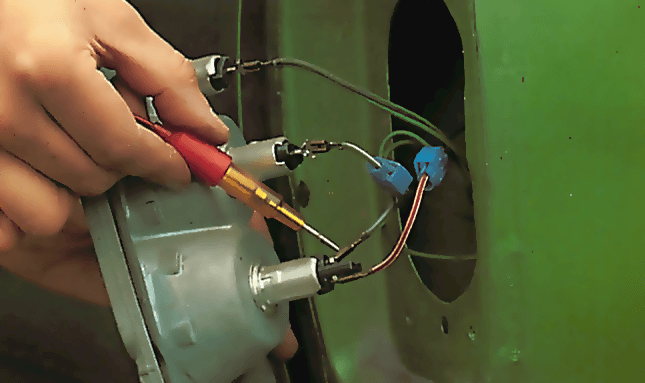
Start by locating the brake light switch. It is usually near the brake pedal. Check the switch for any visible damage or loose connections. Look for broken wires or corrosion on the terminals. Clean any dirt or debris around the switch. Make sure the switch is mounted firmly and not loose. This simple check can reveal obvious problems quickly.
Testing The Switch
Press the brake pedal and watch the brake lights. The lights should turn on immediately when you press the pedal. If the lights do not come on, the switch may be faulty. Try pressing the switch button manually to see if the lights work. Listen for a clicking sound from the switch. No click or light means the switch likely needs replacement.
Using A Multimeter
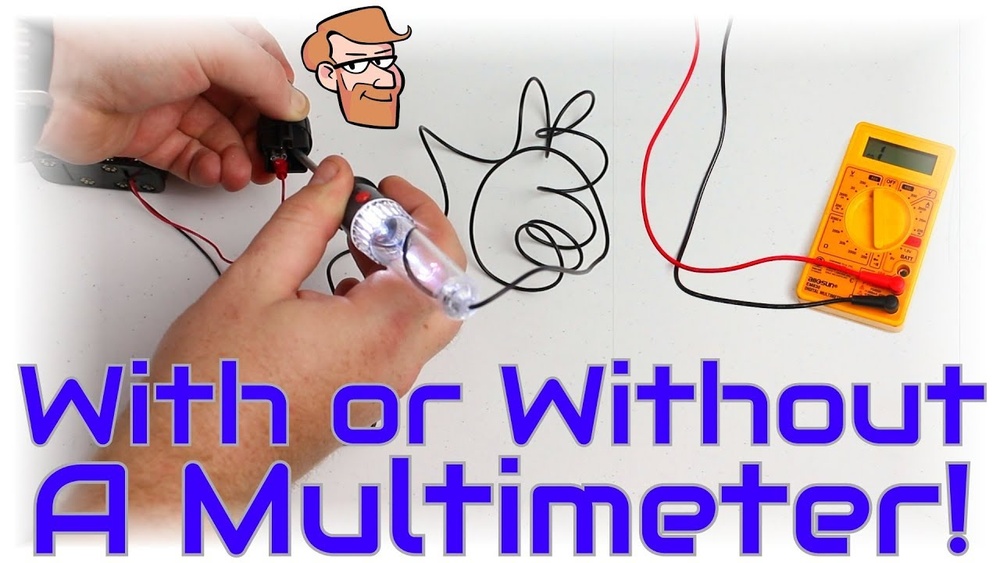
Set your multimeter to measure continuity or resistance. Disconnect the brake light switch from its wiring. Place the multimeter probes on the switch terminals. Press the brake pedal or switch button. The multimeter should show a change in reading. No change means the switch is broken inside. This test confirms if the switch works electrically.
Fixing Or Replacing The Switch
Fixing or replacing the brake light switch is important for safety. The switch tells your car to light up the brake lights. If the switch breaks, the lights may not work. This can cause accidents or problems with your car.
Sometimes, the switch can be fixed. Other times, it must be replaced. Knowing when to fix or replace helps save time and money.
When To Repair
Repair the switch if it has loose wires or dirt inside. Cleaning or tightening the switch might solve the problem. Small issues like a stuck button can be fixed. Testing the switch with a multimeter shows if it works well.
Do not repair if the switch is cracked or broken. Also, if the switch does not respond after cleaning, replacement is best. Safety is the top priority. A bad switch must not be ignored.
Replacement Guide
Find the right switch for your car model first. Check the manual or ask at an auto parts store. Turn off the car and disconnect the battery before starting.
Locate the brake light switch near the brake pedal. Remove the old switch by unscrewing or unclipping it. Connect the new switch and secure it in place. Reconnect the battery and test the brake lights. The lights should turn on when pressing the pedal.
Replace the switch carefully to avoid damage. Follow the car’s instructions for best results. A working brake light switch keeps you safe on the road.
Preventive Maintenance Tips
Preventive maintenance keeps your brake light switch working well and safe. It helps avoid sudden failures that can cause accidents. Simple care steps extend the switch’s life and keep your brake lights reliable.
Regular Checks
Check the brake light switch every few months. Look for signs of wear or damage. Press the brake pedal and see if the brake lights turn on quickly. If the lights are slow or do not work, the switch may need fixing.
Clean the area around the switch to stop dirt buildup. Dirt can block the switch from working correctly. Use a soft cloth to wipe the switch gently. Do this during regular vehicle inspections.
Extending Switch Life
Avoid pressing the brake pedal too hard or fast. Gentle use reduces stress on the switch. Keep electrical connections tight and clean. Loose wires can cause poor contact and failure.
Replace worn or cracked parts early. Old parts can damage the switch. Use quality replacement parts to ensure proper fit and function. Proper care helps the switch last longer and keeps you safe.

Credit: www.agcoauto.com
Frequently Asked Questions
How Do I Test A Brake Light Switch At Home?
To test a brake light switch, press the brake pedal and check if the brake lights turn on. Use a multimeter to check switch continuity. If lights don’t respond or the switch shows no continuity, it may need replacement.
Where Is The Brake Light Switch Located?
The brake light switch is typically located near the top of the brake pedal arm inside the vehicle. It activates when the brake pedal is pressed, sending power to the brake lights to signal stopping.
What Are Common Brake Light Switch Symptoms?
Common symptoms include brake lights not turning on, staying on constantly, or brake lights flickering. These issues may indicate a faulty or misaligned brake light switch needing inspection or replacement.
Can A Faulty Brake Light Switch Cause Car Problems?
Yes, a faulty brake light switch can cause brake lights to malfunction. It may also affect cruise control and transmission shift interlock, leading to safety and operational issues.
Conclusion
Checking your brake light switch is simple and important. It helps keep you safe on the road. Follow the steps carefully to find any issues. Fixing a faulty switch can save you money and trouble later. Regular checks prevent accidents and make your car more reliable.
Take a little time now to avoid big problems. Stay alert, drive safe, and keep your brake lights working well.