If you’ve ever wondered how weld stud fasteners securely attach metal pieces without drilling holes or using nuts and bolts, you’re about to discover a smart, efficient method that saves time and strengthens your projects. Installing a weld stud fastener might sound technical, but once you understand the simple steps, you’ll see why it’s a favorite in construction, automotive, and shipbuilding industries.
You’ll learn exactly how a weld stud fastener is installed—step by step—so you can grasp this powerful technique and consider how it might improve your own work. Ready to unlock the secrets behind this quick and strong fastening method? Let’s dive in.

Credit: www.jcfasteners.com
Stud Welding Basics
Stud welding is a fast and efficient way to attach metal fasteners. It uses heat and pressure to join a stud to a base metal. This method creates a strong, permanent bond. It is widely used in construction and manufacturing.
The process does not need holes or extra parts. This keeps the base metal strong and intact. Stud welding is reliable for many metal types and thicknesses.
What Is A Weld Stud Fastener
A weld stud fastener is a metal pin or rod. It is designed to be welded directly onto a metal surface. The fastener provides a mounting point for other components. It acts like a bolt or screw but is attached by welding.
These fasteners come in various shapes and sizes. They suit different applications, such as electrical panels, automotive parts, and steel structures. Weld studs are ideal for quick and strong attachments.
Key Components Involved
The stud welding process needs several parts to work smoothly. First is the stud itself, usually made of steel or stainless steel. It has a special tip to start the weld.
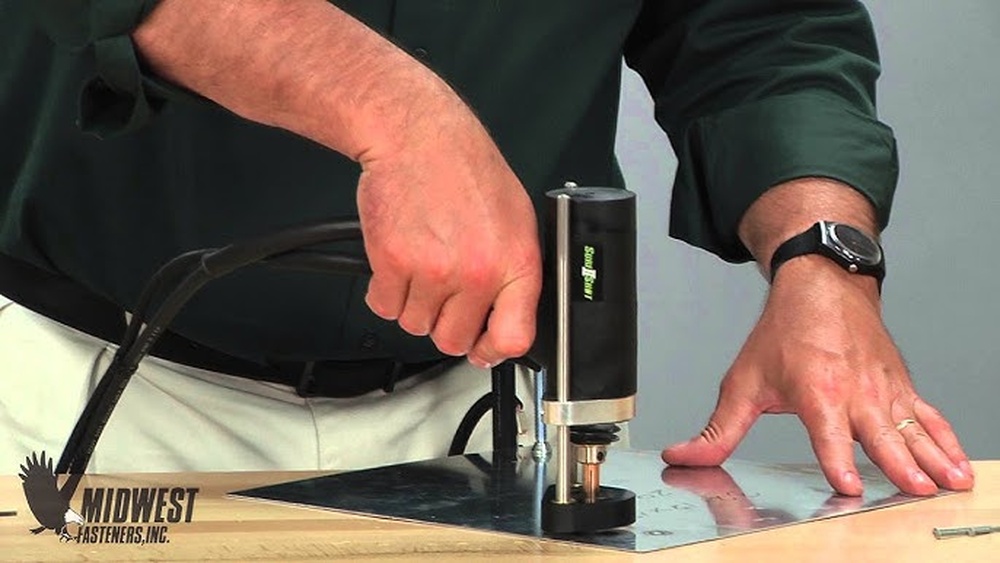
Next is the welding gun, which holds the stud and controls the arc. It delivers the electric current to melt the metals. A power source provides the electric arc needed to heat the materials.
The base metal, or workpiece, is the surface where the stud attaches. The welding gun pushes the stud into the molten metal. This forms a tight bond as it cools and solidifies.

Credit: www.midwestfasteners.com
Types Of Stud Welding
Stud welding joins metal studs to a base metal using heat and pressure. There are different types of stud welding. Each type suits specific stud sizes and materials. Understanding these types helps choose the right method for your project.
Capacitor Discharge Welding
This method uses a quick burst of electrical energy stored in capacitors. The energy creates a fast arc that melts the stud tip and base metal. The stud is then pressed into place before the metal cools. It works best for small diameter studs and thin materials. The weld forms in less than 0.01 seconds. Capacitor discharge welding leaves a clean surface with minimal heat impact.
Drawn Arc Welding
Drawn arc welding uses a longer electric arc to melt the stud and base metal. The stud lifts slightly to create the arc, melting both parts. Then, the stud is pushed down into the molten metal to form a strong bond. This method suits larger studs and thicker base metals. It produces a very strong weld, often stronger than the materials joined. Drawn arc welding takes more time than capacitor discharge but handles heavier jobs well.
Preparing For Installation
Preparing for the installation of a weld stud fastener is crucial for a successful weld. Proper preparation ensures strong adhesion and prevents weld failure. This stage involves choosing the right stud, preparing the workpiece surface, and following safety guidelines. Each step must be done carefully for optimal results.
Selecting The Right Stud
Choose a stud that matches the material and thickness of the base metal. The stud’s diameter and length should fit the application needs. Using the correct type of stud ensures proper heat transfer during welding. This choice affects the strength and durability of the weld.
Workpiece Surface Preparation
Clean the workpiece surface thoroughly before welding. Remove any rust, oil, paint, or dirt that can weaken the weld. Use a wire brush or grinder to create a smooth, clean area. Proper surface preparation helps the stud bond firmly to the metal.
Safety Precautions
Wear protective gear including gloves, goggles, and a welding helmet. Ensure the work area is well-ventilated to avoid inhaling fumes. Keep flammable materials away from the welding zone. Following safety rules protects you and others during installation.
Credit: www.hellermanntyton.com
Step-by-step Installation Process
Installing a weld stud fastener is a precise process. Each step ensures a strong, durable bond between the stud and the base metal. Understanding the installation steps helps in achieving the best results. Here is a simple guide to the step-by-step installation process.
Positioning The Stud
First, place the stud on the base metal. The stud has a special tip designed for welding. Proper positioning ensures the weld will be strong and accurate. The stud must stand straight and touch the metal surface firmly.
Creating The Electric Arc
An electric arc forms between the stud and the base metal. This arc melts the bottom of the stud and a small area of the metal. The arc lasts only a short time, just enough to create a molten pool. This melting is essential for the fusion of both parts.
Applying Force To The Stud
Once the metal is molten, a spring or gun pushes the stud into the pool. This force ensures the stud and base metal fuse properly. The pressure is controlled to avoid damage and create a perfect bond. The stud is held firmly in place during this step.
Cooling And Solidification
After the stud is pushed into the molten metal, it cools quickly. The molten pool solidifies, forming a strong weld. Cooling time is short, but it is critical for strength. The result is a high-quality, durable weld stud fastener.
Tools And Equipment Needed
Installing a weld stud fastener requires specific tools and equipment. Each tool plays a vital role in creating a secure and strong weld. Understanding these tools helps ensure a smooth installation process and reliable results.
Welding Gun
The welding gun is the main tool for stud welding. It holds the stud and creates the electric arc needed to melt metal. The gun guides the stud into place with precision. It also controls the force pushing the stud into the molten metal. Using the right welding gun improves weld quality and speed.
Power Source
A stable power source supplies the electric current needed for welding. It controls the arc’s intensity and duration. The power source must match the welding gun and stud size. Proper power settings prevent weak or uneven welds. Reliable power ensures consistent heat for strong bonds.
Protective Gear
Safety is crucial during stud welding. Protective gear shields the welder from sparks and heat. A welding helmet with a darkened visor protects the eyes and face. Heat-resistant gloves and clothing guard the hands and body. Using protective gear reduces the risk of burns and injuries.
Common Challenges
Installing a weld stud fastener involves precise steps and careful attention. Several common challenges can affect the quality and strength of the weld. Understanding these issues helps ensure a durable and reliable fastening.
Avoiding Weak Welds
Weak welds occur when the arc does not properly melt the stud and base metal. Incomplete fusion leads to poor bonding and fastener failure. Proper timing and correct arc length are essential. Using the right welding parameters ensures a strong connection. Always check the weld visually and with tests when possible.
Dealing With Surface Contaminants
Surface contaminants such as rust, oil, or paint weaken the weld. These substances prevent proper melting and bonding. Clean the base metal thoroughly before welding. Use wire brushes or solvents to remove dirt and grease. A clean surface improves arc stability and weld quality.
Maintaining Equipment
Welding equipment must be in good condition to work correctly. Dirty or worn parts can cause inconsistent arcs and weak welds. Regularly inspect and replace worn tips, cables, and connectors. Proper maintenance prevents downtime and improves weld consistency. Keep the equipment clean and calibrated for best results.
Advantages Of Weld Stud Fasteners
Weld stud fasteners offer several important benefits that make them ideal for many projects. These fasteners join metal parts quickly and securely. Their installation method provides unique advantages in speed, strength, and appearance. Understanding these benefits helps explain why weld studs are popular in construction and manufacturing.
Speed And Efficiency
Weld stud fasteners install very quickly. The process takes less than a second per stud. It uses electric arc welding to attach studs without drilling holes. This saves time and reduces labor costs. Fewer steps mean faster project completion and less downtime.
Strength And Durability
Weld studs create a strong bond with the base metal. The weld fuses the stud and metal into one solid piece. This connection often exceeds the parent material’s strength. It resists vibration, impact, and corrosion well. Long-lasting fasteners reduce the need for repairs or replacements.
Aesthetic Benefits
Weld stud fasteners leave a clean, smooth surface. No visible bolts or nuts appear on the finished product. This improves the visual appeal of metal structures. The smooth surface also prevents dirt buildup and corrosion. It makes maintenance easier and keeps the metal looking neat.
Applications In Industry
Weld stud fasteners have a wide range of uses across various industries. Their strong and reliable connection makes them ideal for many heavy-duty applications. This section explores where weld stud fasteners are commonly installed in industry settings.
Construction
In construction, weld studs attach metal panels and steel reinforcements quickly. They help secure concrete forms and structural steel. These fasteners reduce installation time and improve structural integrity. Builders rely on them for durable, clean joints in buildings.
Automotive
Automotive manufacturing uses weld studs to fasten components without drilling holes. They attach parts like brackets, sensors, and trim pieces. This process strengthens the vehicle frame and reduces weight. Weld studs also help streamline assembly lines for faster production.
Shipbuilding
Shipyards use weld studs to join steel plates and install fittings on ships. They provide strong, corrosion-resistant bonds that withstand harsh marine environments. This method speeds up the assembly of hulls and decks. Weld stud fasteners are essential for durable, long-lasting vessels.
Frequently Asked Questions
How Are Weld Studs Installed?
Weld studs are installed by placing the stud against the base metal, then creating an electric arc. The arc melts both the stud end and base metal. A spring-loaded force pushes the stud into the molten pool. The metal solidifies, forming a strong, fused weld.
What Is The Stud Welding Process?
Stud welding joins a metal stud to a base metal by creating an electric arc. The arc melts both metals. Then, a spring-loaded force presses the stud into the molten metal, forming a strong, single-sided fusion weld quickly without drilling holes.
What Does A Stud Weld Look Like?
A stud weld appears as a small, smooth metal stud firmly fused to the base metal. The surface shows no holes or gaps. The weld area is clean with a slight, rounded bead around the stud’s base, indicating a strong, single-sided fusion weld.
What Is The Position Of A Stud Weld?
The stud weld position places the stud tip firmly against the base metal before initiating the electric arc.
Conclusion
Weld stud fastener installation is a quick and reliable process. It creates a strong bond without drilling holes. The electric arc melts metals to form a solid joint. This method saves time and maintains material strength. Proper positioning and timing ensure a durable weld.
Stud welding works well on many metal types. It suits industries like construction and automotive. Understanding this process helps you appreciate its efficiency. Try it for secure and clean fastening every time.