Have you ever wondered if your fastener is tightened just right? Knowing when a fastener is torqued correctly is key to keeping your projects safe and reliable.
Too loose, and parts can shift or fail. Too tight, and you risk breaking bolts or damaging materials. You’ll discover exactly how to tell when your fastener has the perfect torque. You’ll learn simple tips to avoid costly mistakes and ensure your work stands strong under pressure.
Keep reading to master the art of proper torquing and protect your equipment from the risks of improper fastening.
Credit: bdnfasteners.com
Signs Of Correct Torque
Knowing the signs of correct torque helps ensure fasteners perform well. Proper torque means the fastener holds parts tightly without damage. It also prevents loosening and improves safety. Recognizing the signs of correct torque protects your work and tools.
Torque Wrench Click
The most common sign is the torque wrench click. This sound happens when the preset torque level is reached. It tells you to stop tightening. Listening carefully helps avoid over-tightening or under-tightening fasteners.
Visual Inspection
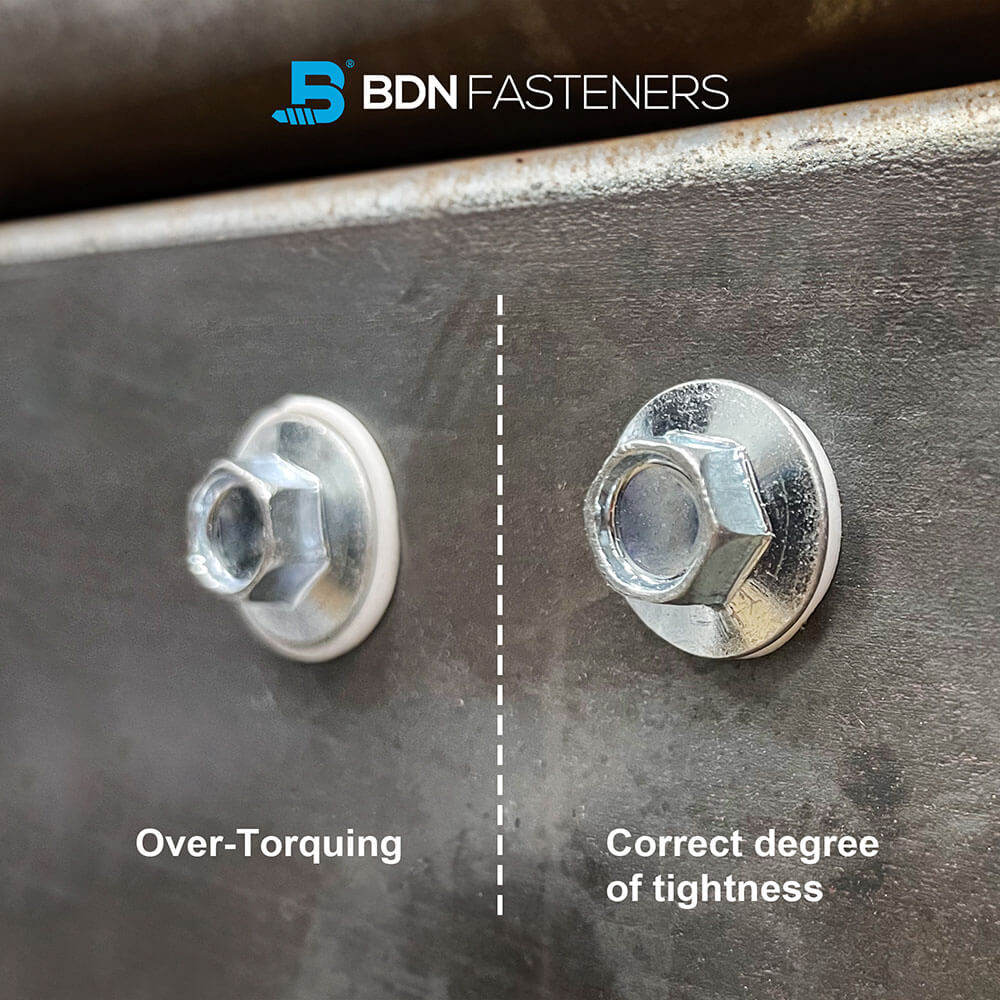
Look at the fastener after tightening. It should sit flush against the surface with no gaps. The fastener head should not be bent or damaged. Proper alignment often means the torque is correct. Any visible damage may signal too much force.
Material Stretch
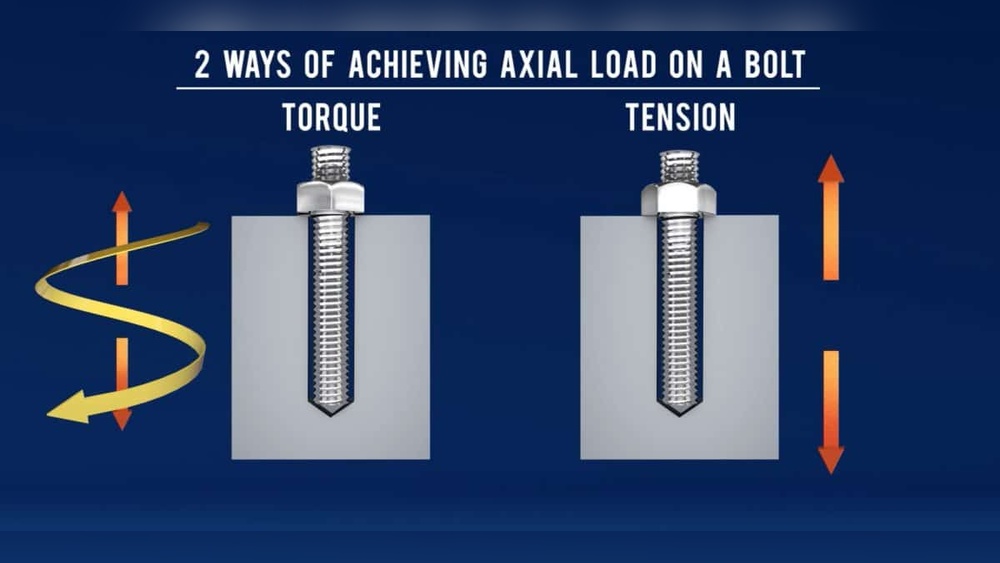
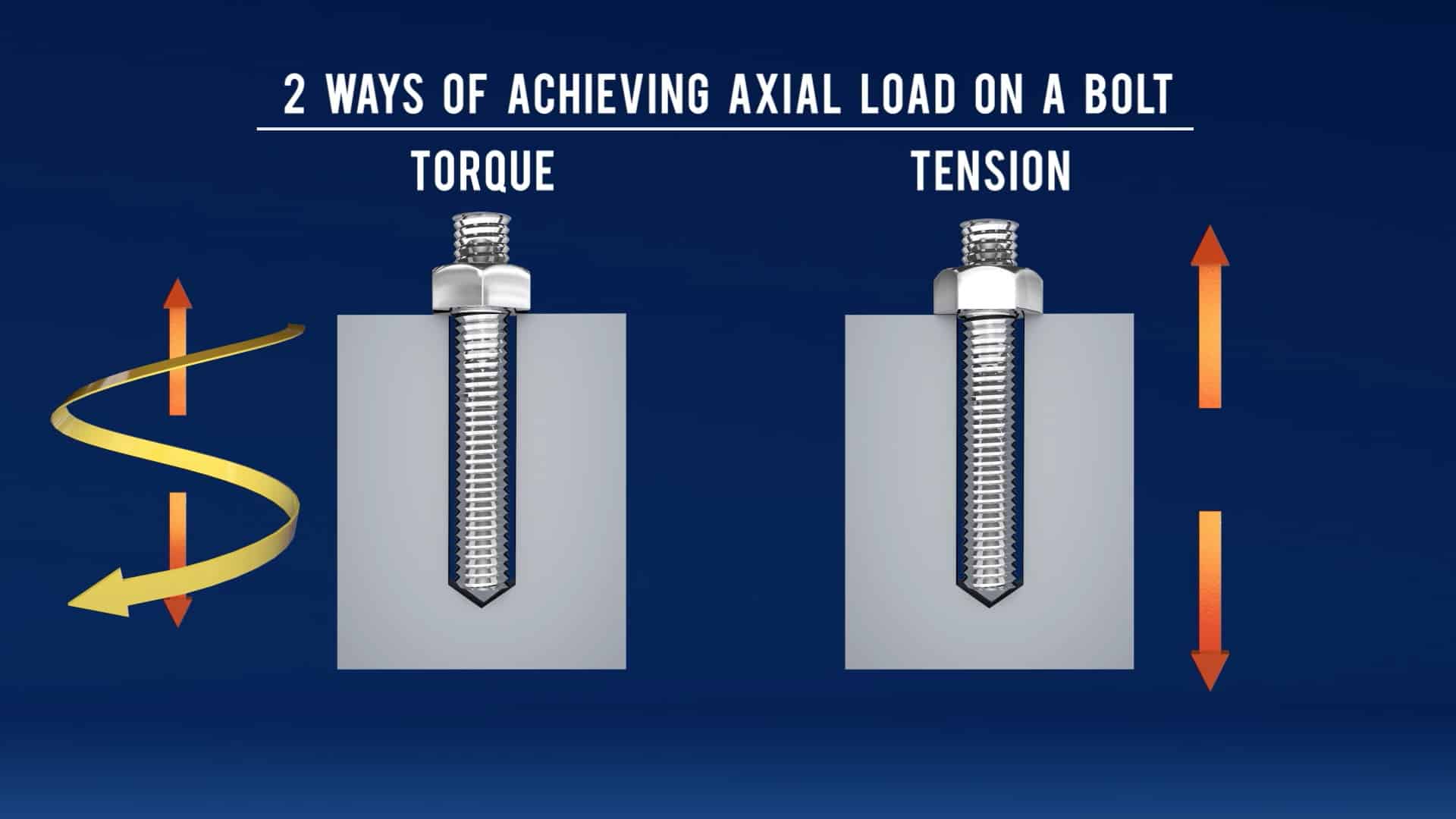
Fasteners stretch slightly when torqued correctly. This stretch creates a strong clamp force. Measuring the bolt length before and after tightening can show this change. If there is no stretch, the fastener may be loose. Too much stretch can cause permanent damage.
Credit: www.hextechnology.com
Benefits Of Proper Torque
Applying the correct torque to a fastener is critical for safety and performance. Incorrect torque can cause serious problems that affect the entire assembly. Both too little and too much torque carry risks that can lead to damage or failure. Understanding these risks helps ensure fasteners hold parts securely and last longer.
Under-torquing Effects
Under-torquing means the fastener is not tight enough. This can cause the joint to loosen over time. Vibrations or movement make the fastener back off. Loose joints allow parts to shift and wear unevenly. It increases the chance of leaks in sealed systems. The fastener may fail to hold parts together safely. This creates a risk of accidents or breakdowns. Under-torquing often leads to costly repairs and downtime.
Over-torquing Damage
Over-torquing happens when a fastener is tightened too much. This puts too much stress on the fastener and the materials. The bolt or screw can stretch beyond its limit and break. Threads may strip, making it impossible to tighten again. The clamped parts can become damaged or warped. Over-tightened fasteners lose their ability to hold parts properly. This weakens the joint and can cause sudden failures. Over-torquing also wastes time and resources for repairs.
Risks Of Incorrect Torque
Torque measurement tools are essential for applying the correct force to fasteners. Using the right tool helps ensure the fastener is tight enough to hold parts securely. It also prevents damage caused by over-tightening. These tools come in various types, each suited for specific tasks. Understanding how to use and maintain these tools improves accuracy and safety.
Types Of Torque Wrenches
Torque wrenches come in several types. Click-type wrenches make a clicking sound at the set torque. Dial wrenches show the torque value on a gauge. Beam wrenches have a scale that moves with applied force. Electronic wrenches display digital readings for precision. Each type fits different needs and budgets.
Calibration Importance
Calibration keeps torque tools accurate. Over time, tools can lose their precision. Regular calibration ensures the torque applied matches the set value. This prevents fasteners from being too loose or too tight. Calibration should follow the manufacturer’s schedule or industry standards. A well-calibrated tool guarantees reliable results.
Using Torque Tools Correctly
Proper use of torque tools is crucial. Always set the wrench to the correct torque value. Apply force smoothly and steadily. Stop turning when the tool signals the set torque. Avoid using torque wrenches as regular wrenches. Store tools properly to maintain their accuracy. Following these steps ensures fasteners are tightened correctly every time.
Torque Measurement Tools
Torque accuracy depends on many factors. These factors affect how tight a fastener becomes when torque is applied. Understanding these elements helps ensure the fastener holds properly. Incorrect torque can cause failure or damage. Here are key factors that influence torque results.
Fastener Material
Different materials react differently to torque. Steel, aluminum, and titanium have unique strength and stretch properties. Steel fasteners usually handle higher torque without damage. Aluminum fasteners are softer and can deform if over-torqued. Material type affects how much force is needed for proper clamping. Always match torque values to the fastener material to avoid problems.
Lubrication Impact
Lubrication reduces friction between threads. This changes the torque needed to achieve the right clamping force. A lubricated fastener requires less torque than a dry one. Using lubrication without adjusting torque settings can lead to over-tightening. Always consider lubrication type and condition during torque application for accurate results.
Thread Condition
Clean, undamaged threads allow for smooth torque application. Dirty or damaged threads increase friction and reduce accuracy. Thread wear or galling can cause false torque readings. Inspect threads before tightening fasteners. Proper thread condition helps achieve correct torque and prevents joint failure.

Credit: www.mudgefasteners.com
Frequently Asked Questions
When A Fastener Is Properly Torqued, It Can?
A properly torqued fastener provides correct clamping force, resists loosening from vibration, and maximizes fatigue resistance.
How Do You Know If A Bolt Is Torqued Properly?
A bolt is torqued properly when the torque wrench reaches the set value and clicks. This ensures correct clamping force, prevents loosening, and avoids damage from over- or under-tightening.
What Is The Rule Of Proper Torque?
The rule of proper torque ensures fasteners apply correct clamping force, resist loosening, and maximize fatigue resistance without damage.
What Is The 20% Rule For Torque Wrenches?
The 20% rule for torque wrenches means never exceed 20% above or below the set torque value. This prevents wrench damage and ensures accurate tightening. Staying within this range maintains tool calibration and secures fasteners properly without risking over- or under-tightening.
Conclusion
Proper torque keeps fasteners tight and secure without damage. It stops loosening caused by vibration or movement. Right torque also helps fasteners last longer under stress. Too little torque means parts may come loose. Too much torque risks breaking or stripping threads.
Always follow the manufacturer’s torque specs for safety. Use a reliable torque wrench to get it right. This simple step protects machines and ensures they work well. Correct torquing is key for strong, lasting connections.