If you’ve ever struggled with securing panels or parts quickly and firmly, Christmas tree fasteners might just be the simple solution you need. These clever little clips hold materials together without screws or complicated tools, saving you time and hassle.
But how do you install them the right way to ensure a strong hold every time? In this guide, you’ll discover easy, step-by-step instructions that anyone can follow. Whether you’re working on a DIY project or fixing something around the house, learning how to install Christmas tree fasteners will make your job faster and your results more reliable.
Keep reading to unlock the secrets of quick, secure fastening that you’ll want to use again and again.

Credit: www.wclco.com
What Are Christmas Tree Fasteners
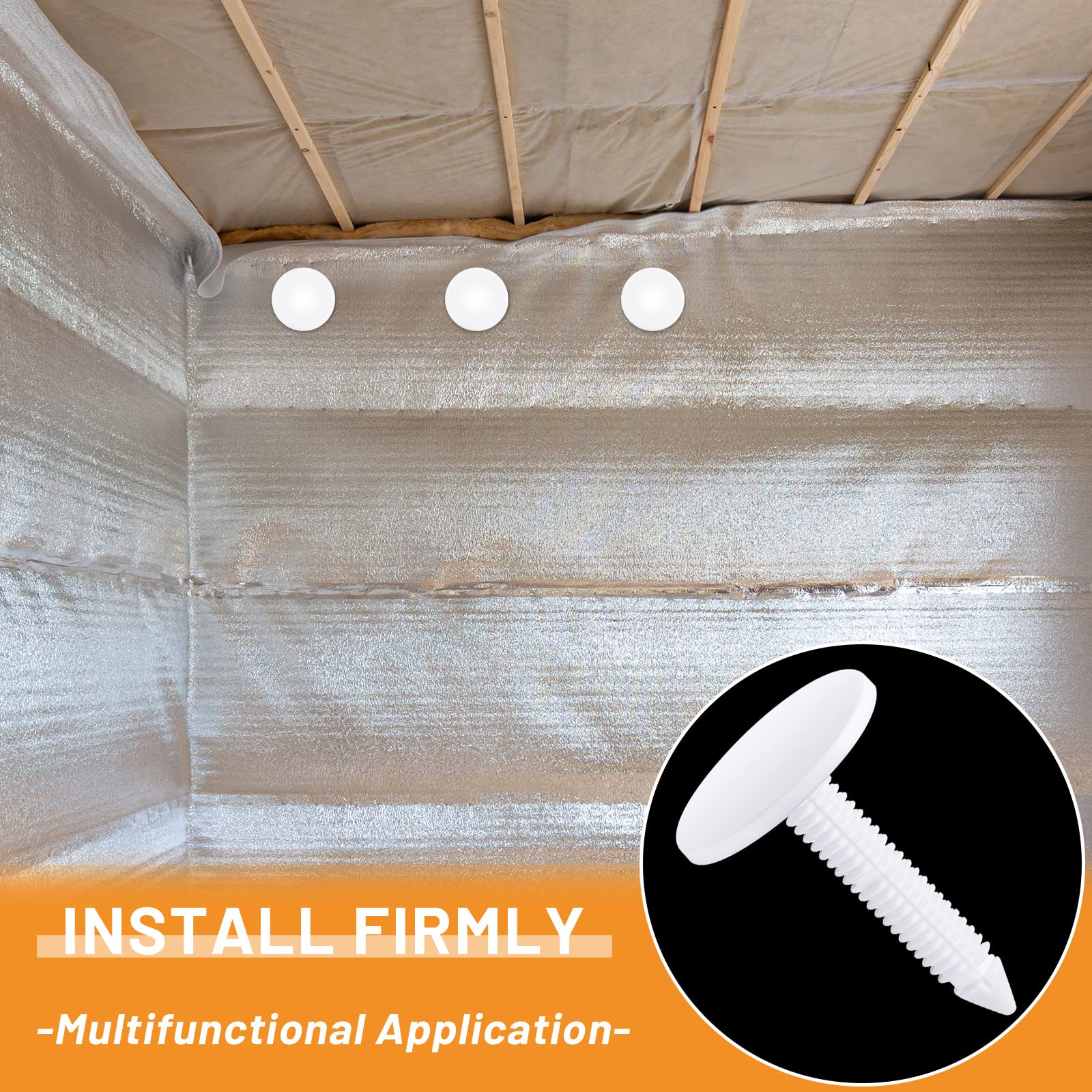
Christmas tree fasteners are small, plastic clips used to join two materials. They are designed to hold panels firmly without extra tools or parts. These fasteners push into holes and lock in place using their unique shape. Their name comes from the shape resembling a Christmas tree.
These fasteners work well with plastic, metal, and wood surfaces. They save time and effort during assembly and repair. Many industries rely on them for quick and secure fastening solutions.
Design And Features
Christmas tree fasteners have a tapered shaft with barbed edges. These edges grip the hole’s sides tightly. The design allows easy insertion but resists pull-out.
The fasteners come in different sizes and styles. Some have multiple fins for extra holding power. Others are flexible to fit various hole shapes.
Made from durable plastic, they resist rust and corrosion. This makes them ideal for indoor and outdoor use.
Common Uses
These fasteners are popular in automotive assembly. They hold interior panels, trims, and insulation securely.
Electronics manufacturers use them to fasten circuit boards and covers. Their push-in feature speeds up production.
Home improvement projects benefit from these fasteners too. They attach lightweight panels, screens, and decorative elements easily.
Overall, Christmas tree fasteners offer a quick, reliable way to join materials. Their simple design suits many everyday tasks.
Credit: www.amazon.com
Tools Needed For Installation
Installing Christmas tree fasteners requires the right tools to ensure a secure and neat fit. Using proper tools saves time and prevents damage to materials. Preparing all necessary tools before starting makes the process smoother.
Drill And Drill Bits
A drill is essential to create holes for the fasteners. Choose a drill bit that matches the fastener size exactly. A bit too large or small will cause loose or tight fits. Cordless drills offer easy handling and mobility. Make sure the drill is fully charged or connected to power before use.
Rubber Mallet Or Hand Tools
A rubber mallet helps push the fastener into place without damage. Soft taps keep the material intact and avoid scratches. If a mallet is not available, use hand tools like pliers carefully. Avoid excessive force to keep the fastener and material safe.
Selecting The Right Fastener
Selecting the right fastener is key to a strong and lasting hold for your Christmas tree decorations. The fastener must fit well and work with the materials used. Choosing the correct size and matching the material are the two main factors. These choices help avoid damage and keep everything secure during the festive season.
Choosing Size
Pick a fastener size that fits the holes perfectly. Too small means a loose fit, and too big can damage the material. Measure the hole diameter before buying. The fastener should slide in firmly without forcing it. Correct size ensures a tight grip and long-lasting hold.
Material Compatibility
Select fasteners made from materials that suit your Christmas tree stand or decorations. Plastic fasteners work well with wood and soft plastics. Metal fasteners are best for harder surfaces. Using the right material prevents rust or cracks. It also keeps the tree and decorations safe and stable.
Preparing The Surface
Preparing the surface is the first step in installing Christmas tree fasteners. A clean, smooth surface ensures the fasteners hold tightly and last long. Take time to check the area where you will place the fasteners. Remove dust, dirt, or any loose material that can stop the fastener from gripping well.
Use a cloth or brush to clean the surface well. Let it dry completely before moving to the next step. A dry, clean surface makes drilling easier and safer.
Marking Drill Points
Mark the exact points where you need to drill holes. Use a pencil or marker for clear visibility. Measure twice to avoid mistakes. Proper spacing keeps the fasteners strong and balanced. Marking helps guide you during drilling and prevents damage to the material.
Drilling Holes
Choose the right drill bit size for your Christmas tree fasteners. The hole should fit the fastener snugly without being too tight or loose. Hold the drill steady and drill straight into the marked points. Drill slowly to avoid cracking or splintering the material. Clean out any dust or debris from the holes before inserting the fasteners.
Installing The Fasteners
Installing Christmas tree fasteners is a simple process that ensures a strong hold between two materials. These fasteners are designed to fit tightly into drilled holes, keeping panels secure without extra tools.
Follow clear steps to insert and lock the fasteners properly. This will help maintain stability and prevent materials from slipping apart.
Inserting The Clip
Begin by aligning the fastener with the drilled hole in the first material layer. Hold the clip firmly and push it straight into the hole. Apply steady pressure until the barbed fins pass through the material.
The clip should slide in smoothly but feel snug. Avoid forcing it too hard to prevent damage. Make sure the clip is flush with the surface before proceeding.
Securing Both Layers
Next, position the second material layer over the exposed end of the fastener. Push this layer onto the clip’s barbed fins. The fins will grip the edges inside the hole, locking both layers together.
Check that the materials are tightly joined and the fastener does not move. This locking action keeps your project secure and stable for long-term use.
Tips For Secure Attachment
Securing Christmas tree fasteners correctly ensures your decorations stay firmly in place. Proper attachment avoids damage and keeps the fasteners reliable. Follow these simple tips for a strong, lasting hold.
Avoiding Over-drilling
Drill holes just the right size for the fasteners. Too large holes make the fasteners loose. Too small holes may split the material or break the fastener. Use a drill bit that matches the fastener’s diameter exactly. Drill slowly to keep control and avoid mistakes.
Ensuring Proper Fit
Choose fasteners that match the thickness of the material. Test the fit before final installation. The fastener should slide in firmly without extra force. Check that the barbs grip well on both sides. A snug fit prevents the fastener from slipping out over time.
Common Mistakes To Avoid
Installing Christmas tree fasteners might seem simple, but many people make common mistakes. These errors can cause weak holds or damage to your materials. Avoiding these mistakes ensures a strong and lasting installation. Below are two key mistakes to watch out for.
Incorrect Hole Size
Choosing the wrong hole size is a frequent problem. Holes that are too large cause the fastener to be loose. This reduces the grip and may lead to failure.
On the other hand, holes that are too small make it hard to insert the fastener. Forcing the fastener can break it or damage the material. Always measure carefully and use the recommended drill bit size for your fasteners.
Using Wrong Fastener Type
Using the wrong type of fastener can cause installation problems. Not all Christmas tree fasteners fit every material or thickness. Some are designed for plastic panels, while others suit metal or wood.
Picking the incorrect fastener may lead to weak joints or fasteners that don’t stay in place. Check the fastener type and its compatibility before buying. This step saves time and prevents frustration during installation.
Removing And Replacing Fasteners
Removing and replacing Christmas tree fasteners is key to maintaining a secure hold. Over time, fasteners may wear out or become damaged. Proper removal prevents damage to your materials. Replacing old fasteners keeps your project strong and stable.
Safe Removal Techniques
Use a flathead screwdriver or a plastic pry tool. Gently lift the edges of the fastener. Avoid using excessive force to prevent material damage. Work slowly around the fastener’s base. Wiggle the fastener lightly to loosen it. Pull straight out once it feels loose. Keep your hands steady to avoid slips.
When To Replace
Replace fasteners that are cracked or broken. Fasteners that no longer grip tightly need replacement. If the barbs are bent or missing, change them. Also, replace fasteners that show signs of rust or corrosion. Using new fasteners ensures a firm and lasting hold. Regular checks help catch weak fasteners early.
Applications Beyond Christmas Trees
Christmas tree fasteners are known for securing holiday decorations. Their design makes them useful in many other areas too. These fasteners offer a simple way to hold materials together without screws or nails. Their firm grip and easy installation make them popular beyond festive uses.
Automotive Uses
Automotive industries use Christmas tree fasteners to attach panels and trims. They help hold door panels, dashboards, and other interior parts firmly. These fasteners reduce installation time and avoid damage to car surfaces. Their flexible barbs lock securely in holes, preventing parts from loosening during driving. Mechanics appreciate their reusability and strength in tight spaces.
Home Improvement Projects
Homeowners find Christmas tree fasteners handy in many repair tasks. They can attach drywall, insulation, or lightweight panels quickly. These fasteners work well in areas where traditional nails might crack surfaces. Their push-in design saves effort and tools during installation. Many use them for securing plastic trims, cable management clips, or decorative moldings. They provide a clean look without visible screws.

Credit: rogofastener.com
Frequently Asked Questions
How To Use Christmas Tree Fasteners?
Drill a hole matching the fastener size. Push the Christmas tree fastener firmly through materials. Ensure barbs lock securely for a strong hold.
What Size Drill Bit For Christmas Tree Fasteners?
Use a drill bit matching the fastener’s stem diameter, typically 1/8 to 3/16 inch, for a secure fit.
How Do I Anchor My Christmas Tree To The Wall?
Use a sturdy hook or wall anchor near the tree base. Secure a strong wire or fishing line from the tree top to the hook. Tighten gently to keep the tree stable without damaging branches. This prevents tipping and keeps your Christmas tree safely anchored to the wall.
What Is A Christmas Tree Fastener?
A Christmas tree fastener is a push-in plastic clip that securely joins two panels without screws. It has barbed fins that lock into drilled holes for quick, reliable fastening.
Conclusion
Installing Christmas tree fasteners is simple and saves time. Start by drilling the right size hole carefully. Choose the correct fastener to fit your materials well. Push the fastener firmly through both layers for a strong hold. These fasteners keep parts secure without extra tools or screws.
Practicing these steps ensures a neat and lasting installation. Enjoy a stable and tidy project with minimal effort. Trust this easy method for your next fastening task.