Building a strong retaining wall can protect your property from erosion and add beauty to your outdoor space. But how do you make sure it stays sturdy and safe over time?
The secret lies in properly anchoring your retaining wall. If you’re wondering how to do this right, you’re in the right place. You’ll discover simple, step-by-step tips to anchor your retaining wall like a pro. Keep reading to learn how to secure your wall and avoid costly repairs down the road.
Your project’s success starts here.
Credit: atlasrestoration.com
Choosing The Right Retaining Wall
Choosing the right retaining wall is the first step in building a strong and lasting structure. The right wall holds back soil safely and fits your landscape style. Understanding different types, materials, and your site helps you make the best choice. This guide simplifies the process so you can pick the right wall for your needs.
Types Of Retaining Walls
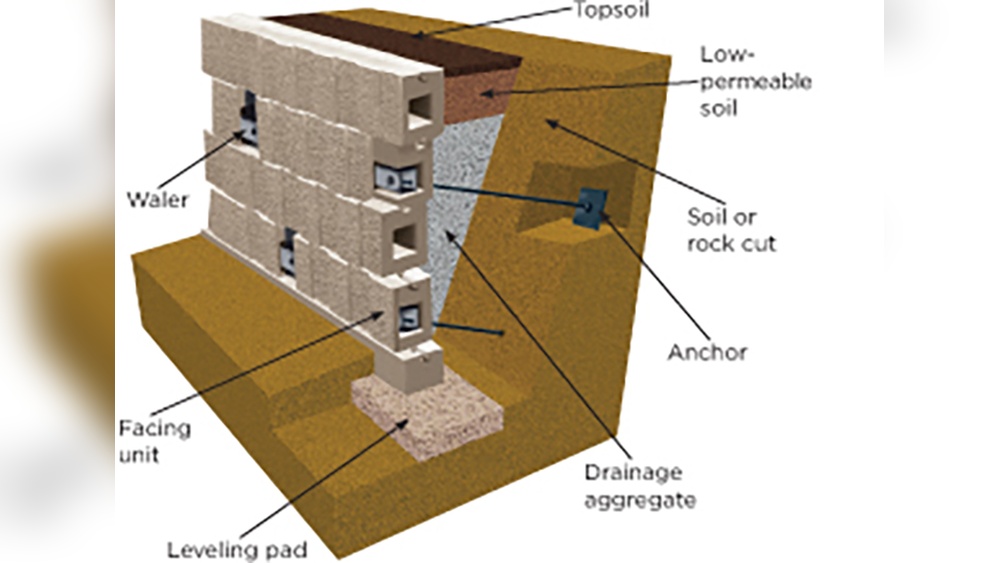
Retaining walls come in several types. Gravity walls rely on their weight to hold soil back. Cantilever walls use a strong base and a thin wall to support soil. Sheet piling walls are thin and used in tight spaces. Anchored walls include cables or rods for extra strength. Choose a type based on soil pressure and space.
Material Selection
Materials affect the wall’s strength and look. Concrete blocks are common and easy to stack. Natural stone offers a classic, natural look. Timber is affordable but less durable. Brick walls add charm but need careful building. Match materials to your budget, style, and wall purpose.
Site Assessment
Study your site before building. Check soil type and drainage. Clay soil holds water and needs strong support. Sandy soil drains well but may shift. Look for slopes and nearby structures. Measure the wall height and length. These details guide the wall design and anchoring method.

Credit: americanearthanchors.com
Preparing The Foundation
Preparing the foundation is a crucial step in anchoring a retaining wall. A strong base supports the entire structure. It prevents shifting and damage over time. Proper preparation ensures the wall stays safe and durable.
Excavation Techniques
Start by marking the wall area clearly. Use tools like shovels or small excavators. Dig to the required depth for the foundation. Keep the bottom flat and level. Remove loose soil and debris carefully. Clean excavation helps the wall settle evenly.
Soil Testing And Compaction
Test soil to check its strength and type. Clay, sand, or gravel affect wall stability. Compact the soil using a tamper or plate compactor. Proper compaction reduces air pockets in the soil. This step prevents future sinking or cracking of the wall.
Drainage Considerations
Water buildup can weaken the retaining wall. Install drainage pipes or gravel behind the wall. These allow water to flow away safely. Proper drainage stops pressure from water buildup. It helps maintain the wall’s strength and lifespan.
Anchoring Methods
Anchoring a retaining wall is key to keeping it strong and stable. The right anchoring method stops soil from pushing the wall outward. It also prevents damage and collapse. Different methods suit different soil types and wall sizes. Understanding these options helps you choose the best anchor for your project.
Deadman Anchors
Deadman anchors use buried blocks or beams tied to the wall. They work by resisting the force of the soil behind the wall. These anchors spread the load deep underground. Installation involves digging a trench behind the wall and placing the anchor. Deadman anchors are simple and effective for many retaining walls.
Tiebacks And Soil Nails
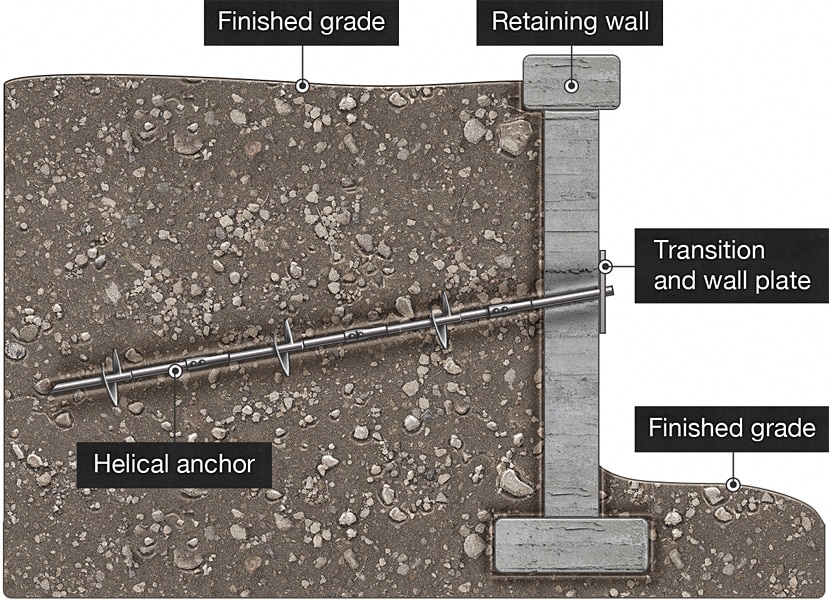
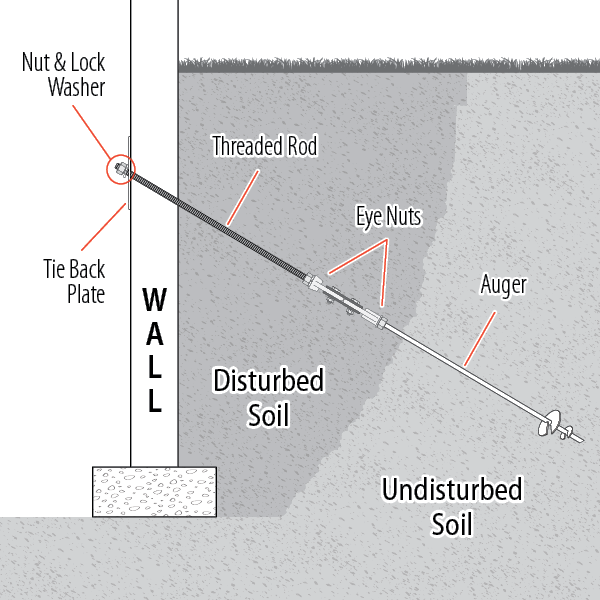
Tiebacks are long rods or cables drilled into the soil. They connect the wall to stronger soil layers. Soil nails are shorter bars hammered into the soil for extra grip. Both provide extra support and prevent wall movement. Tiebacks and soil nails work well in loose or soft soil.
Geogrid Reinforcement
Geogrid is a mesh material placed between soil layers. It strengthens the soil and holds it together. This method improves wall stability without heavy anchors. Geogrids are flexible and easy to install. They are perfect for large walls or slopes needing extra support.
Installation Process
Installing anchors for a retaining wall is a key step to keep it strong and steady. The process involves careful planning and precise work. Each step helps the wall resist soil pressure and stay in place.
Proper installation extends the life of your wall. It also prevents damage and costly repairs later. Follow these guidelines to anchor your retaining wall correctly.
Step-by-step Anchoring
Begin by marking the spots for the anchors on the wall. Drill holes at the marked points to the right depth. Insert the anchors firmly into these holes. Use grout or epoxy to secure the anchors. Attach the wall to the anchors with bolts or rods. Tighten all connections to ensure no movement. Check each anchor for stability before moving to the next.
Tools And Equipment
Use a drill with a masonry bit for making holes. Have a measuring tape and level to mark anchor points. Use anchors, bolts, or rods suited for your wall type. Carry a wrench or socket set to tighten bolts. Have safety gear like gloves and goggles ready. A hammer and chisel may help with adjustments. A mixing tool can prepare grout or epoxy.
Common Mistakes To Avoid
Do not drill holes too shallow or too deep. Avoid using anchors that do not fit the hole size. Do not skip cleaning the holes before inserting anchors. Avoid loose or uneven tightening of bolts. Do not ignore safety measures during installation. Avoid rushing the curing time for grout or epoxy. Do not anchor walls on unstable or wet soil.
Maintenance For Stability
Maintaining a retaining wall is key to its long-term stability. A well-anchored wall needs regular care to keep it strong and safe. Small problems can grow fast if ignored. Simple maintenance tasks help avoid costly repairs. They also protect your landscape and property.
Regular Inspections
Check your retaining wall often. Look for cracks, leaning, or loose stones. Notice any bulging or gaps between blocks. Early signs of trouble show here first. Take notes or photos to track changes over time. Regular checks catch issues before they worsen.
Addressing Erosion
Erosion weakens the soil supporting your wall. Watch for soil washing away near the base. Add mulch or plants to hold soil in place. Use gravel or drainage pipes to control water flow. Proper drainage prevents water build-up behind the wall.
Repairing Damage
Fix small cracks or loose stones right away. Replace missing anchors or supports quickly. Use the same materials for repairs to keep strength. Repairing damage stops further wall movement or collapse. Always fix problems as soon as they appear.
Safety Tips And Regulations
Building a retaining wall needs careful attention to safety and rules. These ensure the wall stays strong and safe over time. Following safety tips helps avoid accidents and costly repairs. Knowing the regulations keeps your project legal and smooth.
Local Building Codes
Check your area’s building codes before starting work. These codes set rules for wall height, materials, and anchors. Permits might be required for certain wall sizes. Inspectors may visit to ensure compliance. Ignoring codes can lead to fines or wall removal.
Protective Measures
Wear gloves, safety glasses, and sturdy shoes while working. Use tools carefully to avoid injuries. Keep the work area clean and clear of hazards. Support the wall with temporary braces during construction. Do not overload the wall with soil or objects.
Professional Assistance
Hire a professional for complex or large retaining walls. Experts understand soil types and proper anchoring methods. They can spot risks you might miss. Professionals help ensure the wall lasts longer and stays safe. Their experience saves time and prevents costly mistakes.
Credit: store.decksgo.com
Frequently Asked Questions
What Is The Best Material To Anchor A Retaining Wall?
The best materials are steel rods, anchor bolts, and geogrids. They provide strong, durable support. Choose based on wall type and soil conditions.
How Deep Should Anchors Be For Retaining Walls?
Anchors should extend below the frost line or stable soil layer. Typically, 2 to 4 feet deep is effective. Depth depends on wall height and soil type.
Can I Anchor A Retaining Wall Myself?
Yes, with proper tools and knowledge, DIY anchoring is possible. Follow safety guidelines and local codes. For large walls, consult a professional engineer.
Why Is Anchoring Important For Retaining Walls?
Anchoring prevents wall movement and soil erosion. It stabilizes the structure against pressure from soil and water. Proper anchoring extends wall lifespan and safety.
Conclusion
Anchoring a retaining wall adds strength and keeps it in place. Use the right tools and materials for best results. Check soil type and wall size before starting work. Proper anchors stop soil from pushing the wall outward. Take your time to measure and install each anchor carefully.
This helps the wall last longer and stay safe. Now, you can build a strong, steady retaining wall with confidence.