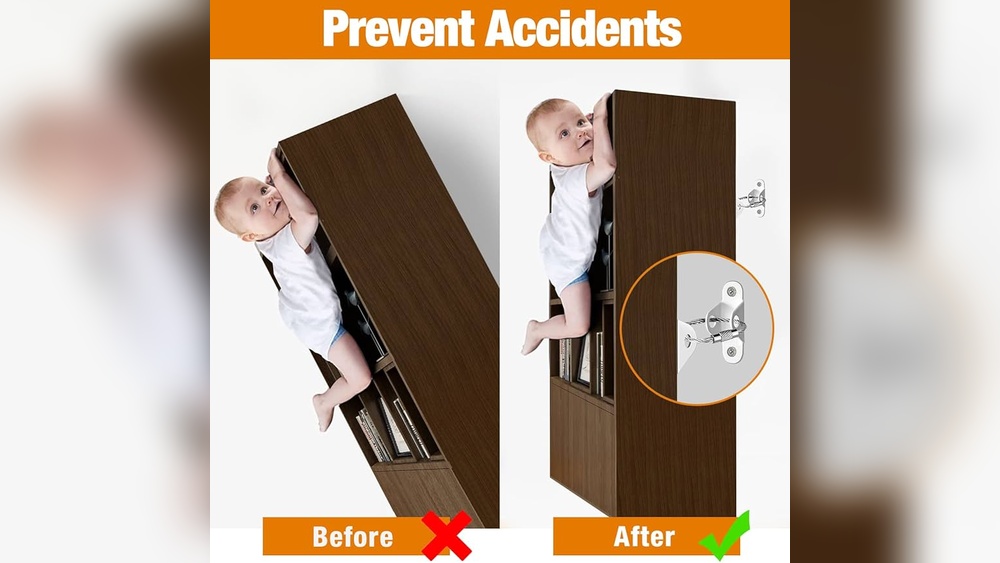
Have you ever worried about your furniture tipping over and causing accidents at home? Anchoring your furniture to the wall is a simple step that can protect your family, pets, and belongings from unexpected falls.
But how do you do it right? You’ll discover easy and effective ways to secure your furniture safely. Keep reading, and you’ll learn the best tips to keep your home safer and more stable—without any hassle.

Credit: www.amazon.com
Why Anchor Furniture
Anchoring furniture to the wall helps prevent accidents and keeps your space safe. Using the right tools and materials makes the job easier and more secure. Prepare everything before starting to save time and avoid mistakes.
Common Anchoring Hardware
Wall anchors, screws, and brackets are the main hardware for securing furniture. Choose anchors based on your wall type, such as drywall or masonry. Heavy-duty brackets add extra support for large or heavy pieces. Always pick the right size screws to match your furniture and anchors.
Safety Gear
Protect yourself with safety gear while working. Safety glasses shield your eyes from dust and debris. Gloves protect your hands from sharp edges and splinters. Wear a dust mask if drilling creates a lot of dust in the room.
Measuring Tools
Use a tape measure to find the right spot on the wall and furniture. A level ensures your furniture stays straight and even. A pencil marks drilling points for accuracy. A stud finder helps locate wall studs for stronger anchor points.
Tools And Materials Needed
Choosing the right anchor is key to securing furniture safely to the wall. The anchor must fit the wall type and hold the weight of the furniture. Using the wrong anchor can cause damage or accidents. Understanding different anchors helps you pick the best one for your project.
Types Of Wall Anchors
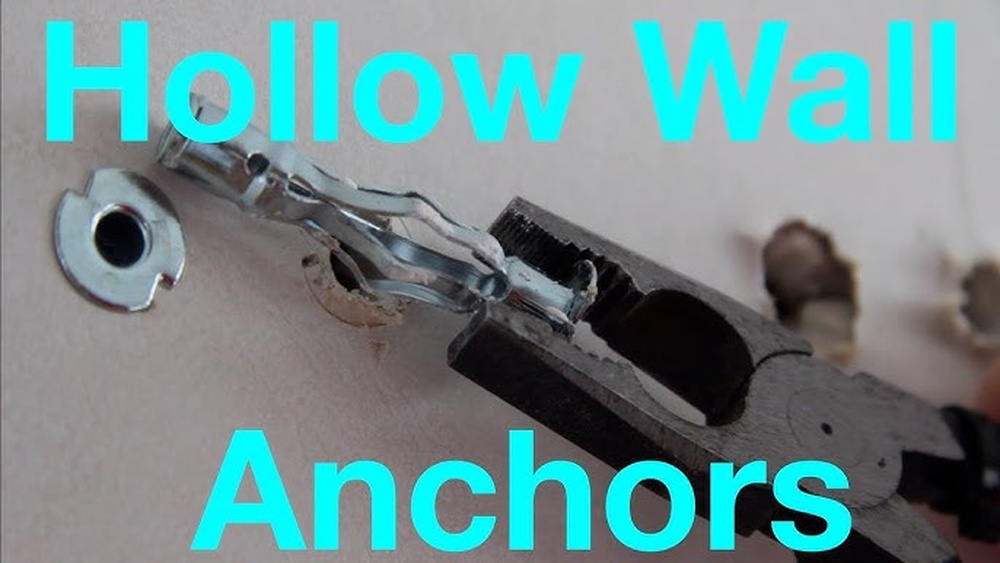
There are several types of wall anchors. Plastic expansion anchors are common for light loads. Metal anchors work well for medium weights. Toggle bolts offer strong support in hollow walls. Molly bolts expand inside the wall for a secure hold. Each type has a specific use and strength level.
Matching Anchor To Wall Type
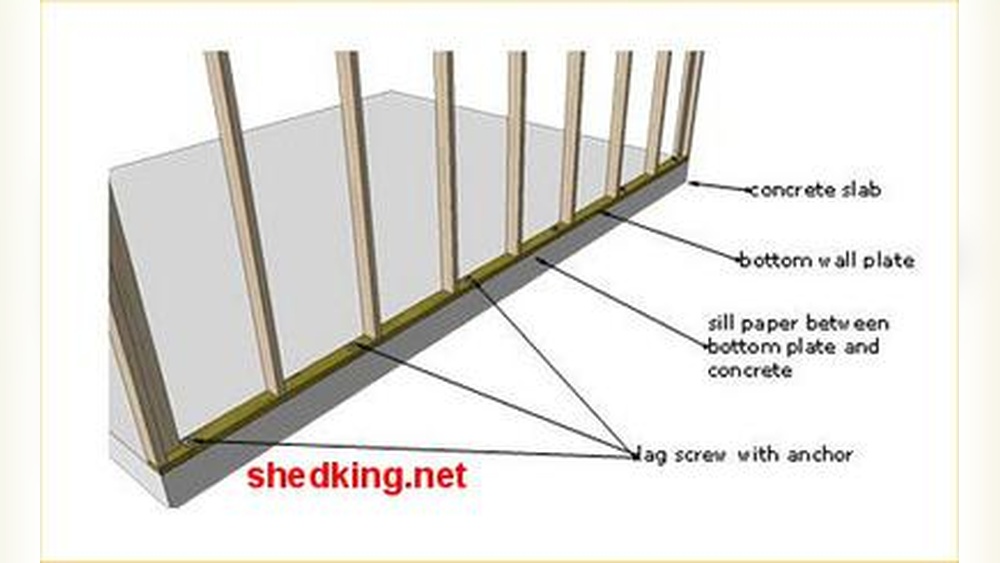
Walls vary in material and thickness. Drywall needs anchors designed for hollow spaces. Concrete and brick require heavy-duty anchors. Wood walls can often use screws directly. Choosing an anchor for the wall type ensures a firm hold and prevents damage.
Weight Considerations
Consider the furniture’s weight before picking an anchor. Light furniture needs simple anchors. Heavy furniture demands stronger anchors with higher weight limits. Check the anchor’s weight rating on the package. Always choose anchors rated above the furniture weight for safety.
Choosing The Right Anchor
Preparing the furniture is the first step to anchor it safely to the wall. This step ensures the furniture stays in place and prevents accidents. Taking time to prepare the furniture correctly makes the process easier and more secure.
Locating Anchor Points
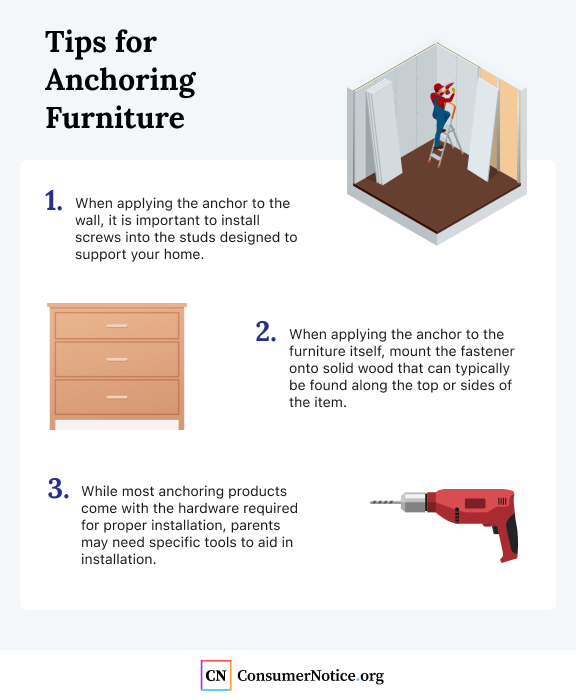
Find strong spots on the furniture to attach the anchors. Look for solid wood or thick parts that can hold screws well. Avoid thin or weak areas that may break. Mark these spots with a pencil for easy drilling.
Drilling Pilot Holes
Drill small holes where you marked the anchor points. Use a drill bit slightly smaller than the screws. Pilot holes help screws go in smoothly. They also stop the wood from splitting.
Attaching Brackets
Place the brackets on the pilot holes. Use screws to fix the brackets tightly to the furniture. Make sure brackets are secure and do not move. These brackets will connect the furniture to the wall safely.
Preparing The Furniture
Securing furniture to the wall is important for safety and stability. It stops heavy items from tipping over. This is especially useful in homes with children or pets. Proper wall anchoring protects both your furniture and your family.
Finding Wall Studs
Wall studs are the wooden beams behind your drywall. Anchoring furniture to studs is the safest option. Use a stud finder to locate these beams. Move the device slowly across the wall. The finder will beep or light up when it senses a stud. Mark the spot with a pencil. Studs usually sit 16 or 24 inches apart.
Installing Anchors
Anchors provide extra support when studs are not available. Choose anchors based on your wall type and furniture weight. For drywall, use toggle bolts or molly bolts. Drill a hole slightly smaller than the anchor. Push or screw the anchor into the hole. The anchor will expand and grip the wall firmly.
Attaching Furniture To Wall
Secure the furniture with brackets or straps designed for wall mounting. Align the bracket holes with your stud marks or anchors. Use screws that fit the bracket and wall anchors. Drill pilot holes if needed to avoid splitting wood. Tighten screws until the bracket is firm but avoid over-tightening. Attach the other side of the bracket to the furniture. Double-check that everything feels stable and tight.
Securing To The Wall
Safety checks are important after anchoring furniture to the wall. They help keep your home secure and prevent accidents. Regular checks make sure the furniture stays firmly in place. It is smart to follow simple steps to test and maintain the stability of your anchored pieces.
Testing Stability
Gently push the furniture to check if it moves. Try pulling it slightly to see if the anchor holds. If the furniture shifts, the anchor might be loose. Tighten screws or replace anchors if needed. Testing stability often keeps your home safe from tipping hazards.
Regular Maintenance
Check anchors every few months. Dust and dirt can weaken the hold over time. Use a screwdriver to tighten screws regularly. Replace any worn parts to keep anchors strong. Regular maintenance saves you from bigger problems later.
Signs Of Wear Or Damage
Look for cracks in the wall near the anchor. Check if screws are rusted or bent. Notice any furniture wobbling or tilting. These signs mean the anchor is not safe anymore. Act fast to fix or replace damaged parts.
Credit: www.consumernotice.org
Safety Checks
Anchoring furniture to the wall prevents tipping accidents and protects your family. Different furniture types need different anchoring methods. Choose the right anchors and tools for each piece. Follow these tips for safe, sturdy furniture installation.
Bookshelves And Cabinets
Use wall studs to secure bookshelves and cabinets firmly. Find the studs with a stud finder. Attach metal brackets or L-brackets to the top back edge. Screw the brackets into studs for strong support. Avoid drywall anchors alone; they may not hold heavy loads. Make sure shelves are level before tightening screws. This keeps your books and items safe and stable.
Dressers And Chests
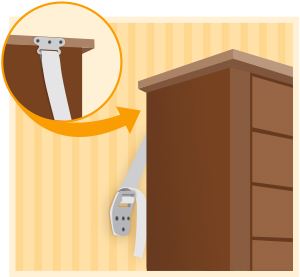
Dressers and chests can tip easily when pulled. Use anti-tip straps or brackets designed for furniture. Attach one end to the wall stud and the other to the dresser’s back. Check that straps are tight but not too tight. Place heavy items in lower drawers to lower the center of gravity. This reduces the risk of tipping during use or earthquakes.
Desks And Entertainment Centers
Desks and entertainment centers often hold electronics and heavy items. Fix them to wall studs using brackets or straps. For desks, secure the back panel or frame to the wall. Entertainment centers may need multiple anchors for stability. Use anchors that can handle the weight of TVs and devices. Keep cords organized to avoid pulling or tripping hazards.
Credit: www.childproofingexperts.com
Frequently Asked Questions
How Do You Anchor Furniture To The Wall Safely?
To anchor furniture safely, use wall anchors or brackets designed for your wall type. Securely attach brackets to both the wall studs and furniture. Always follow manufacturer instructions and use proper tools to avoid damage or accidents.
What Tools Are Needed To Anchor Furniture To Walls?
You need a drill, screwdriver, stud finder, level, measuring tape, and wall anchors or brackets. These tools ensure secure installation by locating studs and fixing furniture firmly to the wall.
Can You Anchor Furniture To Drywall Without Studs?
Yes, but use heavy-duty wall anchors like toggle bolts or molly bolts. They provide extra support by expanding behind the drywall, ensuring furniture stays securely anchored without studs.
Why Is Anchoring Furniture To Walls Important?
Anchoring prevents furniture from tipping, especially in homes with children or during earthquakes. It enhances safety by stabilizing heavy items like bookshelves, dressers, and cabinets.
Conclusion
Anchoring furniture to the wall keeps your home safe and organized. It stops heavy items from tipping over. Use the right anchors and tools for each wall type. Take your time to measure and mark carefully. Secure furniture firmly but gently to avoid damage.
Regularly check the anchors to ensure they stay strong. Small steps make a big difference in safety. Your home feels more stable and peaceful this way. Simple actions protect your family and belongings every day.