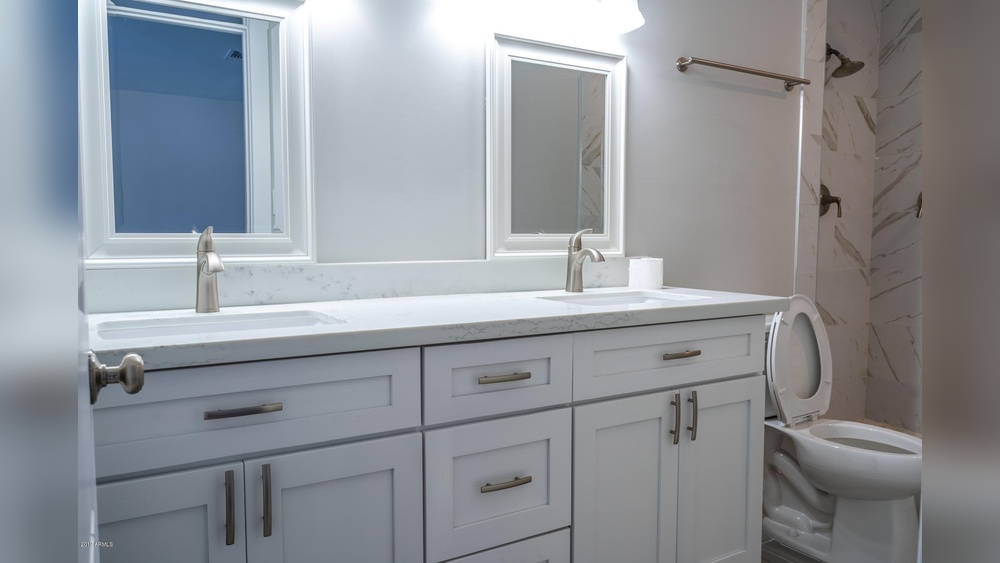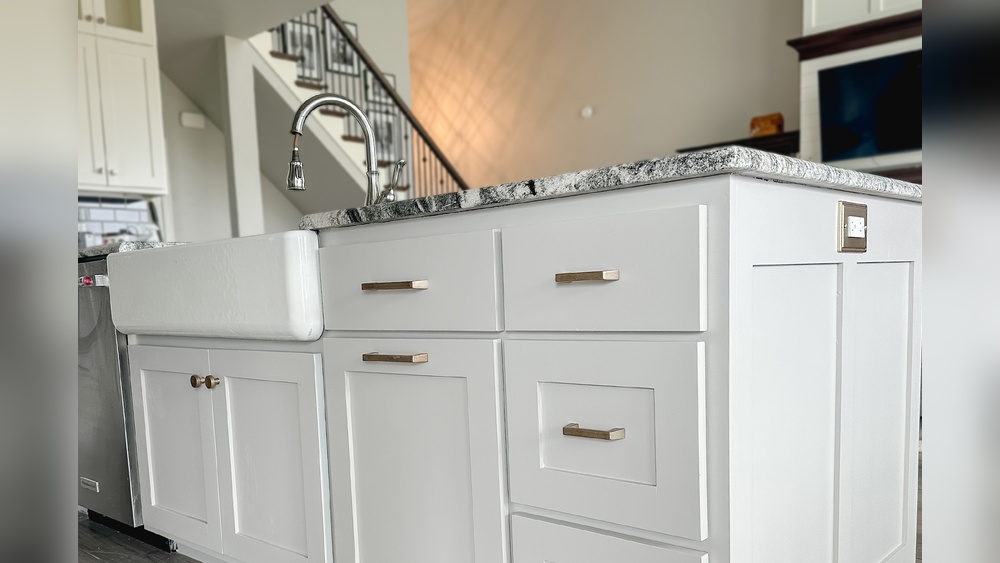
Are your kitchen cabinet hardware looking dull because of old, cracked varnish? Removing that stubborn layer might seem tricky, but you don’t have to struggle alone.
Imagine restoring your hardware to its original shine without spending a fortune or hiring a pro. You’ll discover simple, effective ways to get old varnish off your kitchen cabinet hardware quickly and safely. Keep reading, and you’ll have the confidence to tackle this project yourself and bring new life to your kitchen.
Tools And Materials Needed
Removing old varnish from kitchen cabinet hardware requires the right tools and materials. Having these ready makes the job easier and safer. This section explains what you need to prepare before starting.
Basic Cleaning Supplies
Start with simple items like a soft cloth and warm water. Use mild soap to clean dirt and grease. A small brush helps reach tight spots. Sandpaper or steel wool can remove stubborn varnish layers. Keep these handy for prepping and cleaning hardware.
Chemical Strippers
Chemical strippers dissolve old varnish quickly. Choose a gentle formula made for metal or wood hardware. Apply with a brush or cloth. Follow the product instructions carefully. These strippers save time and effort in removing tough varnish.
Protective Gear
Wear gloves to protect your skin from chemicals. Use safety goggles to shield your eyes. Work in a well-ventilated area to avoid fumes. A mask can prevent inhaling harmful particles. Safety gear keeps you safe during the varnish removal process.
Preparing The Workspace
Preparing the workspace is a key step before removing old varnish from kitchen cabinet hardware. A clean and organized area makes the process easier and safer. It helps protect your kitchen surfaces and tools. Proper setup prevents damage and keeps everything within reach.
Removing Hardware Safely
Start by turning off any nearby appliances or lights. Use the right screwdriver to avoid stripping screws. Remove cabinet handles and knobs gently. Place screws and small parts in a container to keep them safe. Label hardware if needed to remember their position.
Setting Up A Work Area
Choose a well-lit and ventilated space. A garage, workshop, or covered outdoor area works well. Lay down an old cloth or cardboard to catch drips and debris. Arrange tools like sandpaper, varnish remover, and brushes close by. Keep a trash bin nearby for waste materials.
Protecting Surrounding Surfaces
Cover countertops and floors with plastic sheets or newspaper. Secure the covers with painter’s tape to prevent slipping. Avoid using harsh chemicals near wood or painted surfaces. Use gloves and safety glasses to protect your skin and eyes. This prevents accidents and keeps your kitchen clean.
Methods To Remove Old Varnish
Removing old varnish from kitchen cabinet hardware can refresh your kitchen’s look. Several methods work well depending on your tools and patience. Choose the best way for your project. Each method has steps to follow for a smooth finish.
Using Chemical Strippers
Chemical strippers break down varnish quickly. Apply the stripper with a brush or cloth. Let it sit for the time recommended on the label. Watch the varnish soften and bubble up. Use a plastic scraper to remove the varnish gently. Clean the hardware with warm water to remove residue. Wear gloves and work in a ventilated space. Chemicals can be strong but effective.
Sanding Techniques
Sanding is a simple way to remove varnish by hand. Use fine or medium-grit sandpaper. Rub the hardware evenly until the varnish fades. Be careful not to sand too hard. Avoid scratching the metal or wood underneath. Sanding is quiet and chemical-free but takes time. It works well for small or delicate pieces.
Heat Gun Approach
A heat gun softens varnish with hot air. Move the gun slowly over the hardware surface. Watch the varnish bubble and become soft. Use a scraper to lift off the softened varnish. Keep the heat gun moving to avoid damage. Wear gloves and eye protection for safety. This method is fast and leaves less mess.

Credit: danslelakehouse.com
Safe Handling Of Chemicals
Handling chemicals safely is very important when removing old varnish from kitchen cabinet hardware. Chemicals can be strong and cause harm if not used carefully. Follow safety steps to protect your health and home. Use the right tools and take precautions to avoid accidents. Stay alert to any signs of trouble while working.
Ventilation Tips
Work in a well-ventilated area to avoid breathing harmful fumes. Open windows and doors wide. Use fans to move fresh air inside and push bad air outside. Avoid working in small, closed rooms. Proper airflow helps reduce chemical vapors quickly. Wear a mask if ventilation is poor.
Disposal Guidelines
Dispose of chemicals and rags safely to protect the environment. Do not pour leftover chemicals down drains or toilets. Check local rules for hazardous waste disposal. Use sealed containers for old varnish and chemicals. Take these containers to a special waste disposal site. Never burn or bury chemical waste.
First Aid Measures
Know what to do if chemicals touch your skin or eyes. Rinse skin or eyes immediately with plenty of water. Remove any contaminated clothing. If you feel dizzy or sick, move to fresh air right away. Call poison control or get medical help if symptoms continue. Keep emergency numbers nearby before starting work.
Cleaning And Preparing Hardware After Stripping
After stripping old varnish from kitchen cabinet hardware, cleaning and preparing the pieces is key. This step ensures the hardware looks great and lasts longer. Proper cleaning removes leftover chemicals and dirt. Preparing the hardware prevents rust and damage. Follow these simple steps for the best results.
Removing Residue
Residue from varnish strippers can stick to the hardware. Use warm soapy water and a soft brush to scrub gently. Avoid harsh tools that may scratch the surface. Rinse the hardware well to wash away all chemicals. Repeat the process if any residue remains. Clean hardware improves paint or new finish adhesion.
Drying And Inspecting
Dry the hardware completely with a soft cloth. Leaving moisture can cause rust or corrosion. Let the hardware air dry in a warm, dry place for a few hours. Check each piece carefully for leftover varnish or damage. Inspect the screws, hinges, and handles for cracks or bends. This step helps catch issues early before refinishing.
Repairing Minor Damage
Fix small problems before refinishing. Use fine sandpaper to smooth scratches or rough spots. For bent parts, gently straighten them with pliers. Fill tiny holes or dents with wood filler or metal putty. Allow repairs to dry fully. Clean the hardware again to remove dust from sanding. Proper repairs make the hardware look new again.

Credit: www.youtube.com
Finishing Touches
Finishing touches are key to making your kitchen cabinet hardware look new again. After removing old varnish, these steps bring back shine and protect the metal. A smooth finish improves durability and appearance. Follow these simple tips for a great final result.
Reapplying New Finish
Choose a finish that matches your style and protects the hardware. Use a small brush to apply thin layers. Let each layer dry fully before adding the next. This prevents clumps and uneven coverage. A clear lacquer or metal sealant works well for most metals.
Polishing For Shine
Use a soft cloth to polish the hardware gently. Polishing removes dust and tiny scratches. It also brings out a bright shine. For a deeper glow, try a metal polish made for your hardware type. Buff in small circles for the best effect.
Reinstalling Hardware
Check screws and fittings before putting hardware back. Tighten or replace any worn parts. Align the hardware carefully with cabinet holes. Secure screws firmly but avoid over-tightening. Proper installation keeps hardware stable and looking sharp.
Common Mistakes To Avoid
Removing old varnish from kitchen cabinet hardware can be tricky. Many make common mistakes that slow down the work or cause damage. Avoiding these errors saves time and keeps your hardware safe. Here are some common mistakes to watch out for during the process.
Over-sanding
Sanding too much can damage the hardware surface. Thin or soft metals may lose their shape. Sand just enough to remove varnish, not the metal itself. Use fine-grit sandpaper for a smooth finish. Take breaks and check your progress often.
Ignoring Safety Precautions
Old varnish can contain harmful chemicals. Always wear gloves and a mask to protect your skin and lungs. Work in a well-ventilated area to avoid breathing fumes. Keep children and pets away during the process. Safety should be your top priority.
Using Harsh Chemicals Inappropriately
Strong chemicals can eat away metal or leave stains. Choose varnish removers made for metal hardware. Follow instructions carefully and do not mix chemicals. Test the remover on a small area first. Use gentle scrubbing tools to avoid scratches.
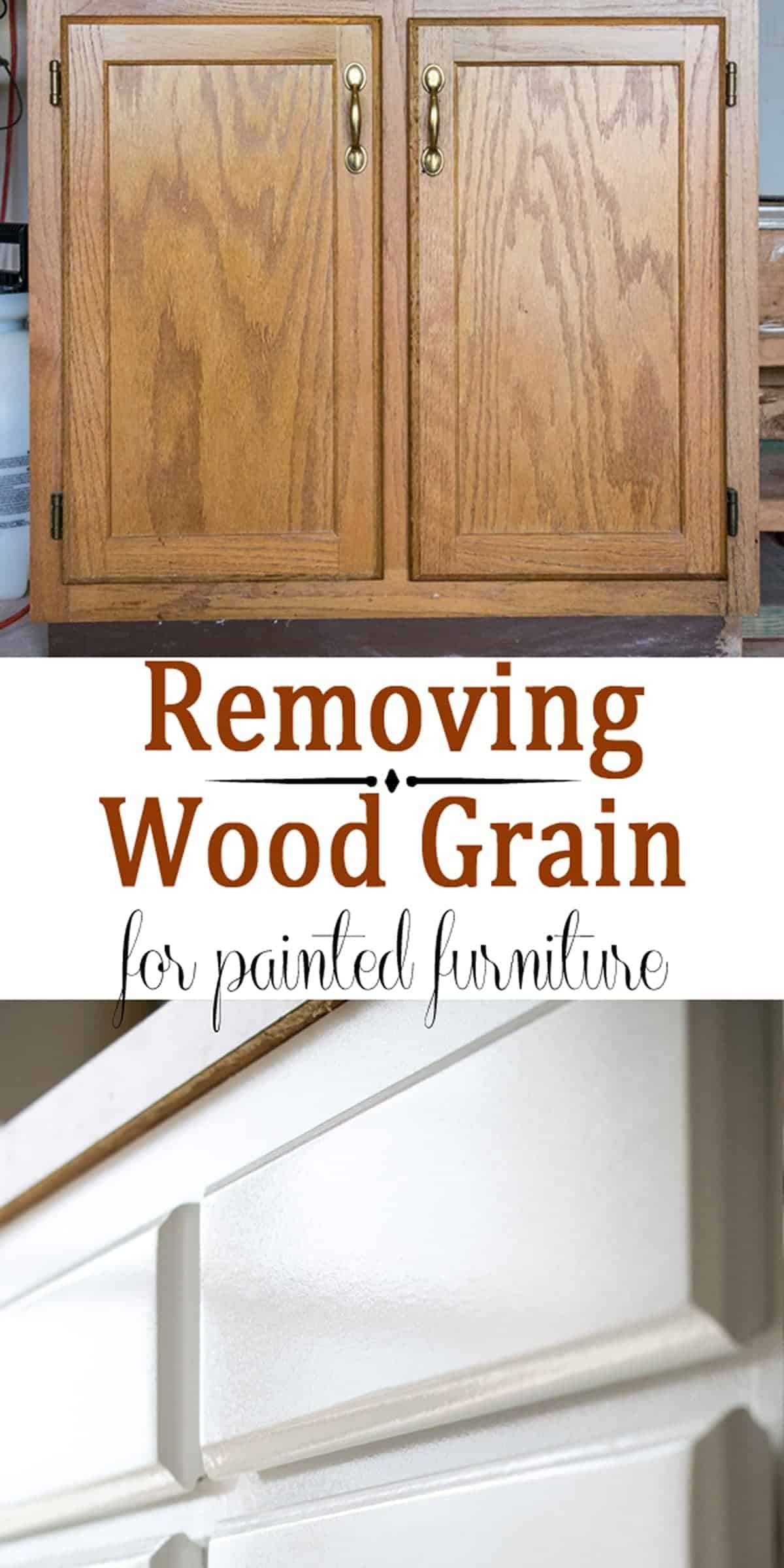
Credit: www.cravingsomecreativity.com
Frequently Asked Questions
How Do I Remove Old Varnish From Cabinet Hardware?
Use a chemical varnish stripper or sandpaper to remove old varnish. Apply stripper evenly, wait as instructed, then wipe off residue carefully.
What Tools Are Best For Stripping Kitchen Cabinet Hardware?
Use chemical strippers, steel wool, fine-grit sandpaper, and gloves. These tools effectively remove varnish without damaging the hardware surface.
Can I Use Household Items To Remove Varnish?
Yes, vinegar or baking soda paste can soften varnish. However, these methods may take longer and require more effort.
How To Protect Hardware While Removing Varnish?
Wear gloves and work in a well-ventilated area. Cover nearby surfaces to avoid damage from chemicals or sanding dust.
Conclusion
Removing old varnish from kitchen cabinet hardware takes patience and care. Use gentle tools and safe products to protect your hardware. Clean each piece thoroughly to get the best results. Small steps lead to shiny, refreshed cabinets. Take your time and avoid rushing the process.
Clean hardware makes your kitchen look neat and inviting. Try these methods for a simple, effective finish. Your cabinets will thank you for the effort.