Have you ever hung a heavy picture or shelf, only to watch it come crashing down? That frustrating moment often happens because the fastener wasn’t strong enough.
A wall anchor is a one-time fastener designed to hold things securely in place, giving you peace of mind. But what makes it so reliable, and why can’t you reuse it? If you want to understand how to keep your walls safe and your items firmly attached, keep reading.
This simple piece of hardware might be the key to making your DIY projects last.
What Is A Wall Anchor
A wall anchor is a small device used to hold screws in place inside walls. It helps secure objects when the wall alone cannot hold screws firmly. These anchors provide extra grip and support for hanging items.
Wall anchors come in various types. Each type fits different wall materials like drywall, plaster, or masonry. Using the correct anchor makes the fastening stronger and safer.
What Does A Wall Anchor Do?
A wall anchor spreads the screw’s load across a wider area. This prevents damage to the wall. It also stops the screw from pulling out easily.
Where Are Wall Anchors Used?
Wall anchors are useful for hanging shelves, mirrors, pictures, and hooks. They work well in walls that are hollow or weak. Without anchors, screws may slip or fall out.
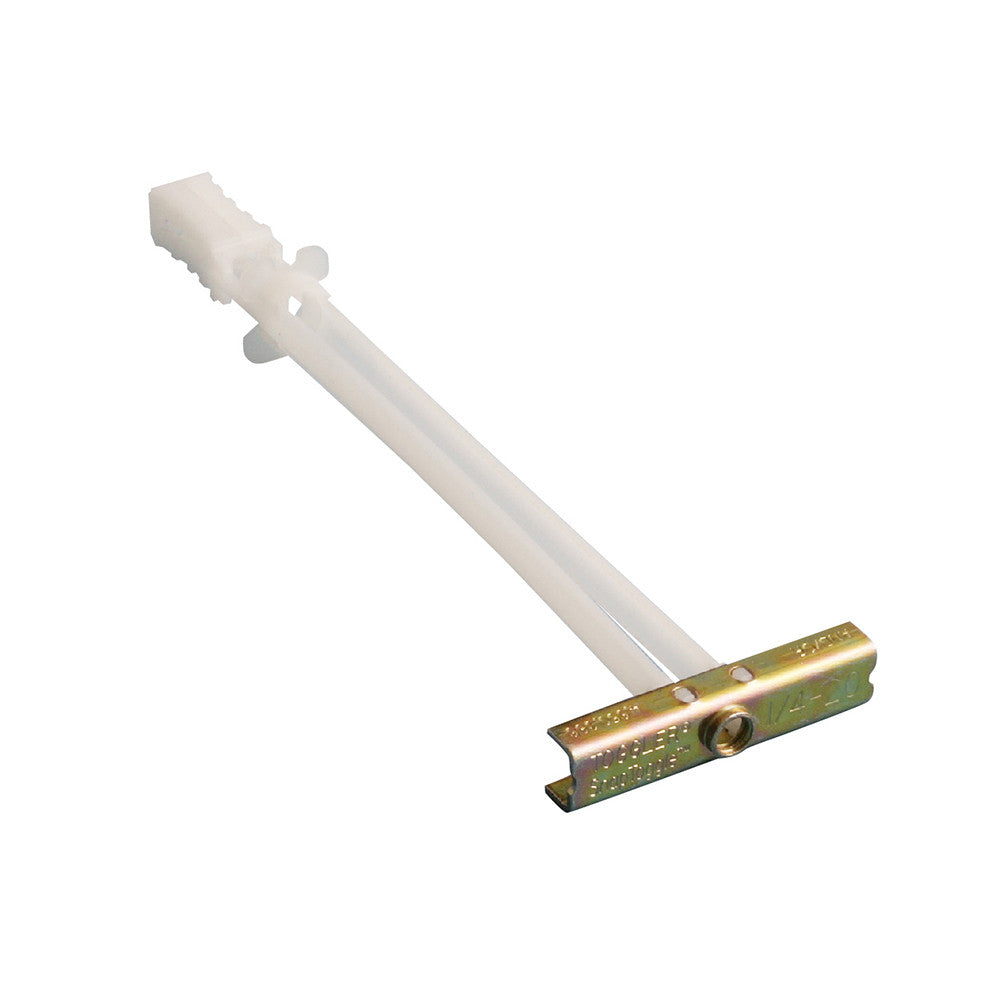
Plastic anchors expand inside the wall for grip. Metal anchors provide stronger support for heavy items. Toggle bolts use a spring mechanism to lock behind the wall.
Why Use A Wall Anchor?
Using a wall anchor ensures objects stay firmly attached. It prevents damage to walls and avoids accidents. Anchors make wall fasteners reliable and safe.
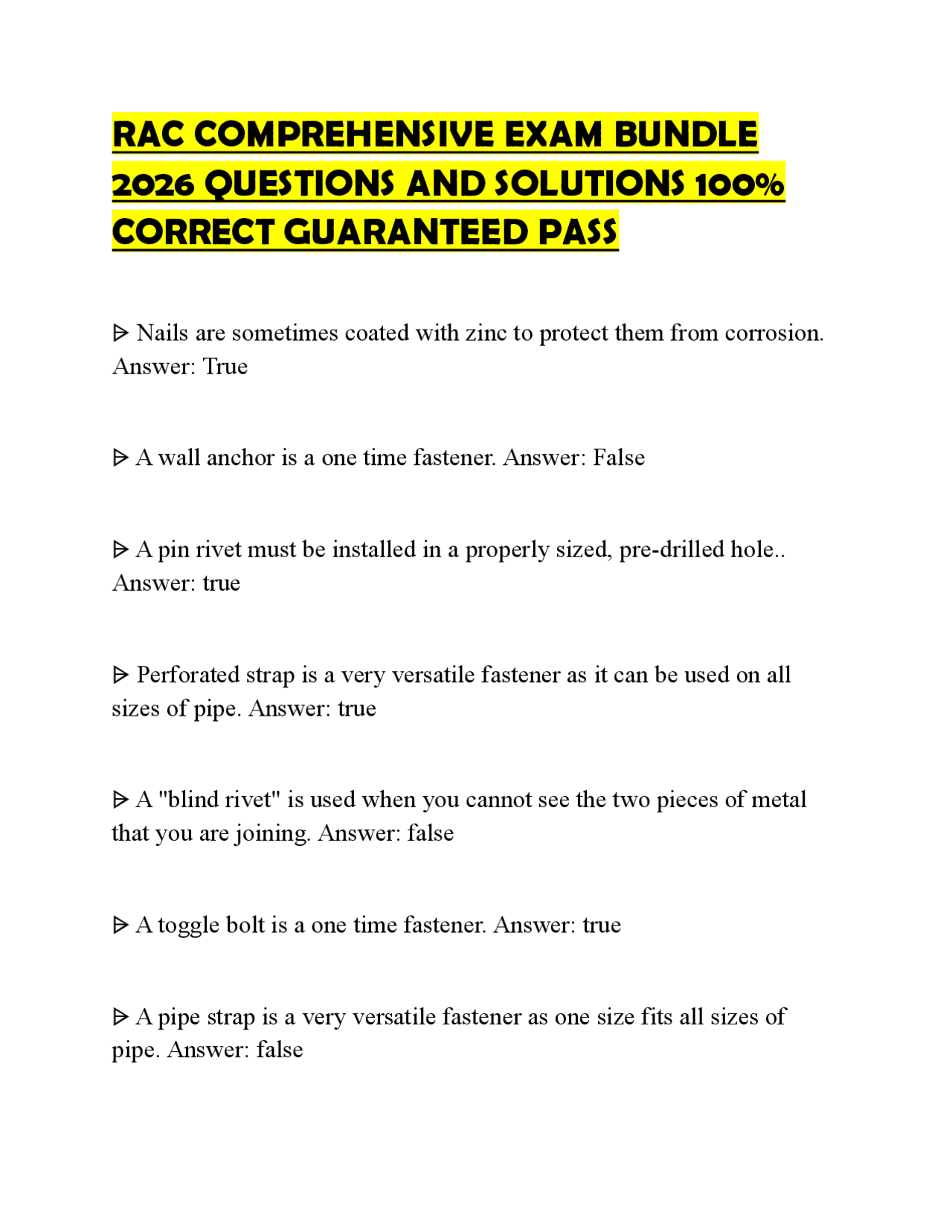
Credit: www.docsity.com
Types Of Wall Anchors
Wall anchors help hold objects securely on walls. They work by spreading the load inside the wall. Different types suit different wall materials and weights. Choosing the right type ensures your items stay safe and stable.
Plastic Anchors
Plastic anchors are common and easy to use. They fit into drilled holes in drywall or plaster. When you screw in, the anchor expands. This creates a firm grip in the wall. They work best for light to medium loads.
Metal Anchors
Metal anchors are stronger than plastic ones. They are often used in harder materials like brick or concrete. These anchors hold heavier items securely. They resist bending and breaking under pressure. Metal anchors last longer in tough conditions.
Toggle Bolts
Toggle bolts have wings that open inside the wall. They spread the load across a large area. This makes them good for hollow walls. They can hold heavy objects like shelves or mirrors. Installation requires a larger hole than other anchors.
Molly Bolts
Molly bolts expand behind the wall when tightened. This creates a strong hold in drywall or plaster. They are reusable if you remove and replace them carefully. Molly bolts work well for medium to heavy loads. They provide a secure grip without damaging the wall.
Why Wall Anchors Are One-time Use
Wall anchors hold screws tightly in drywall or masonry. They create a secure grip that supports weight. Once installed, they expand or grip the wall material firmly. This action makes them very strong but also limits reuse.
Removing a wall anchor usually damages it or the wall. The anchor loses its tight hold after removal. This loss means it cannot hold screws securely again. Using a wall anchor more than once risks weak support and wall damage.
How Wall Anchors Expand To Hold Tight
Most wall anchors expand inside the wall when a screw enters. This expansion presses the anchor against the wall’s inside. The pressure creates a strong grip that holds heavy objects. After expansion, the anchor’s shape changes and cannot return to its original form.
Damage Happens During Anchor Removal
Pulling or twisting an anchor out breaks its structure. The plastic or metal can crack or bend. This damage prevents the anchor from gripping properly again. The wall around the anchor may also crack or crumble, making reuse unsafe.
Why Reusing Anchors Risks Wall Safety
Using a damaged anchor weakens the hold on the wall. Loose anchors cause screws to slip or fall out. This problem can lead to nails or hooks failing. Reusing anchors can cause accidents or damage to walls and items hung on them.
Proper Installation Tips
Proper installation of a wall anchor ensures strong and lasting support. A wall anchor is a one-time fastener, so careful steps matter. Follow these tips to install it correctly and avoid damage or failure.
Choosing The Right Anchor
Select an anchor that matches your wall type and weight needs. Different walls, like drywall, concrete, or brick, need specific anchors. Check the package for weight limits and material compatibility. Using the wrong anchor can cause poor holding or wall damage.
Drilling The Hole
Use a drill bit that fits the anchor size exactly. Drill a hole straight and clean to avoid cracks. Drill slowly to keep the hole neat and prevent breaking the wall. Dust out the hole with a brush or air before inserting the anchor.
Inserting The Anchor
Push or tap the anchor gently into the hole. It should fit snugly without forcing it too hard. The anchor must sit flush with the wall surface. If it moves or spins, the hole may be too big or the wrong anchor used.
Securing The Fastener
Insert the screw or fastener into the anchor carefully. Tighten it just enough to hold your item firmly. Over-tightening can break the anchor or damage the wall. Check the stability by gently pulling on the attached object.
Common Mistakes To Avoid
Using a wall anchor is simple, but many make mistakes that weaken its hold. These errors cause anchors to fail and waste time. Learning the common mistakes helps get the best results.
Choosing The Wrong Type Of Wall Anchor
Not all anchors work for every wall. Some suit drywall, others fit concrete or brick. Using the wrong type can cause anchors to slip or break. Match the anchor to the wall material for a strong hold.
Drilling Incorrect Hole Size
Drilling a hole too big or small harms anchor performance. A big hole makes the anchor loose. A small hole can crack the wall or stop the anchor from fitting. Measure and drill carefully to fit the anchor snugly.
Over-tightening The Screw
Turning the screw too hard damages the anchor. It can break inside the wall or lose grip. Tighten screws just enough to hold the object firmly. Stop once you feel resistance.
Ignoring Weight Limits
Every anchor holds a certain weight. Overloading an anchor risks wall damage and falling items. Check the anchor’s weight capacity. Use multiple anchors for heavy objects.
Reusing A Wall Anchor
Wall anchors are one-time fasteners. Removing and reusing them reduces their grip. Always use a new anchor for each installation. This keeps the hold safe and strong.

Credit: simpleweld.com
Benefits Of Using Wall Anchors
Wall anchors provide strong support for hanging objects safely on walls. They improve the strength of the hold and protect walls from damage. Using wall anchors makes it easier to mount items on different wall types.
Enhanced Load Support
Wall anchors help hold heavy items without slipping or falling. They spread the weight over a larger area inside the wall. This reduces stress on the wall material. Items stay securely in place for a long time. No need to worry about damage from falling objects.
Wall Protection
Wall anchors prevent cracks and holes in the wall surface. They stop screws from pulling out and causing damage. This keeps walls looking neat and intact. Walls stay strong, even after removing the anchors. Great for renters or anyone who wants to keep walls safe.
Versatility In Applications
Wall anchors work on many wall types, like drywall, plaster, and masonry. They allow you to hang pictures, shelves, mirrors, and more. Different anchors fit different weights and wall materials. This makes them useful for many home and office projects.
When To Replace Wall Anchors
Wall anchors are designed for one-time use. They hold objects firmly to walls. Over time, anchors may lose strength or get damaged. Knowing when to replace them keeps your walls secure.
Replacing wall anchors prevents accidents and damage. It also ensures the object stays safely mounted. Watch for signs that an anchor needs replacement.
Signs Of A Loose Wall Anchor
One clear sign is if the anchor wiggles or shifts. This means the grip inside the wall is weak. Loose anchors cannot hold weight well. Check anchors regularly to catch this early.
Damage To The Wall Around The Anchor
Cracks or holes near the anchor show wall damage. This weakens the anchor’s hold. Damage can happen from overloading or poor installation. Replace anchors if the wall looks broken or soft.
When Removing An Object
Remove wall anchors after taking down an object. Most anchors cannot be reused. They stretch or break during removal. Always plan to use new anchors for reinstallation.
After Heavy Loads Or Shocks
Heavy weight or sudden impacts stress anchors. This can reduce their strength. Check anchors after moving heavy items or accidental bumps. Replace any that seem weak or damaged.
Credit: www.fmwfasteners.com
Alternatives To Wall Anchors
Wall anchors are useful but they are not the only option for securing items to walls. Different situations call for different fasteners. Knowing alternatives helps you choose the right one for your project.
Some alternatives offer better strength or are reusable. Others work better on certain wall types. Here are some common options to consider.
Toggle ScrewsToggle screws have wings that open behind the wall. They hold heavy items firmly. Ideal for hollow walls and drywall. They spread the weight evenly. Great for shelves and cabinets.
Molly BoltsMolly bolts expand behind the wall. They create a strong anchor point. Used in drywall and plaster walls. Can hold medium to heavy loads. Can be removed and reused in some cases.
Adhesive HooksAdhesive hooks stick to the wall surface. No drilling needed. Best for light items like keys or decorations. Easy to install and remove. They do not damage walls if removed carefully.
Direct ScrewsDirect screws go straight into a wooden stud. They offer the strongest hold. Best for heavy objects like TVs or mirrors. Requires finding the stud behind the wall. No need for anchors if screwed into wood.
Frequently Asked Questions
What Is A Wall Anchor And How Does It Work?
A wall anchor is a fastener used to secure items to drywall or masonry. It expands inside the wall, providing strong support. Once installed, it cannot be reused, ensuring a firm hold for heavy objects.
Why Is A Wall Anchor Considered One-time Use?
Wall anchors expand or deform when installed, preventing removal without damage. Removing them weakens their grip, so reusing is unsafe. This ensures your mounted item stays securely in place.
Can I Reuse A Wall Anchor After Removal?
No, wall anchors are designed for single use only. Removing them damages their structure, reducing holding power. Always replace anchors to maintain safety and stability when remounting items.
What Types Of Wall Anchors Are One-time Fasteners?
Most plastic expansion, toggle, and molly anchors are one-time use. They expand or lock inside walls permanently. Reuse risks poor grip and potential damage to walls or items.
Conclusion
A wall anchor holds items firmly in place. It works best when used once. Trying to reuse it can weaken its grip. Choose the right anchor for your wall type. Proper installation ensures strong support and safety. Remember, a wall anchor is a simple but reliable tool.
Use it carefully for lasting results. Small steps prevent big problems later. Keep your walls secure and your items safe.