Have you ever wondered how you can control one light from two different switches? That’s the magic of 3 way light switches.
They make your home more convenient and flexible, letting you turn lights on or off from different spots. But how exactly do they work? Understanding this simple yet clever system can save you time and money, especially if you want to fix or install one yourself.
Keep reading, and you’ll discover everything you need to know about 3 way light switches—explained clearly and without any confusing jargon.
Basics Of 3 Way Switches
Understanding the basics of 3 way switches helps in grasping how they control lights from two locations. This switch type is useful in many home settings. It offers convenience and flexibility in lighting control. Let’s explore what a 3 way switch is and where it is commonly used.
What Is A 3 Way Switch?
A 3 way switch is a special electrical switch. It allows one light or group of lights to be turned on or off from two different places. Unlike a regular switch with just two terminals, a 3 way switch has three terminals. These terminals connect to wires that carry electricity in different paths.
The switch works by changing the path of the electrical current. This change turns the light on or off. It uses a traveler wire system to link the two switches. This setup lets you control the same light from both switches.
Common Uses In Homes
3 way switches are popular in many home areas. Hallways often have them at both ends for easy light control. Staircases use 3 way switches to allow switching lights from top and bottom. Large rooms sometimes use them to control multiple entry points.
They also appear near entrances of basements and garages. This setup helps turn lights on or off without walking through a dark space. Overall, these switches add comfort and safety in daily life.

Credit: diy.stackexchange.com
Key Components
Understanding the key components of 3 way light switches helps explain how they work. These components form the basic setup that allows you to control a single light from two different locations. Each part has a specific role in the wiring and operation of the switch system.
Knowing the parts also makes troubleshooting easier. It gives you a clear picture of how electricity flows through the switch setup. This knowledge is useful for both DIY projects and professional work.
Switch Terminals Explained
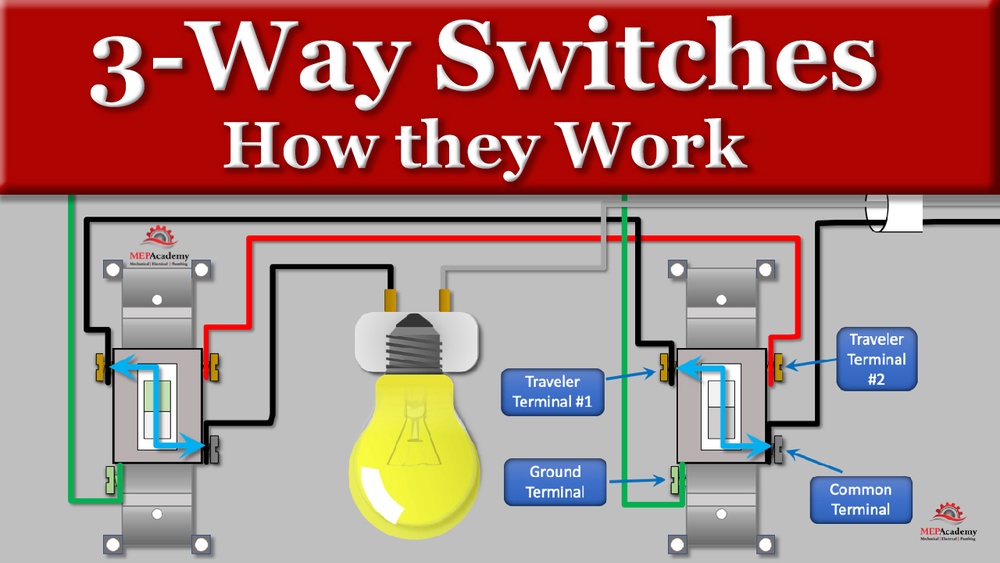
Three-way switches have three terminals. One is called the common terminal. It connects to the power source or the light fixture.
The other two are traveler terminals. They connect to each other through traveler wires. These terminals allow the current to switch paths.
When you flip either switch, it changes which traveler terminal gets power. This action turns the light on or off from either switch location.
Types Of Wires Involved
Three types of wires work in a 3 way switch system. The common wire carries power to the switch or light. It is usually black.
Traveler wires connect the two switches. They carry power between the traveler terminals. These wires are often red and black.
The ground wire is a safety feature. It connects to the metal parts to prevent shocks. This wire is green or bare copper.
Wiring Configurations
Understanding the wiring configurations of 3 way light switches helps explain how they control a single light from two places. The setup involves specific wires that connect the switches and the light fixture. Each wire has a clear role in carrying electricity through the circuit.
Standard 3 Way Wiring Setup
The standard setup uses two 3 way switches connected by three wires. These wires run between the switches in a cable called the traveler cable. One switch connects to the power source, while the other connects to the light fixture. The switches work together to open or close the circuit.
Traveler Wire Role
Traveler wires carry current between the two switches. There are usually two traveler wires, each connecting to a terminal on the switches. They allow the switches to communicate and change the circuit path. This switching controls whether the light is on or off.
Common Wire Function
The common wire connects to the power source or the light fixture. On one switch, the common wire brings power in. On the other switch, it sends power out to the light. This wire completes the circuit when the switches are in the right position.

Credit: mepacademy.com
Step-by-step Wiring Process
Wiring a 3-way light switch may seem tricky, but breaking it down helps. Follow each step carefully for a safe and working setup. This guide explains the process clearly and simply.
Tools Needed
- Screwdriver (flathead and Phillips)
- Wire stripper
- Voltage tester
- Electrical tape
- Wire nuts
- Needle-nose pliers
Safety Precautions
Turn off power at the circuit breaker before starting. Test wires with a voltage tester to confirm no electricity flows. Wear safety gloves and glasses to protect yourself. Work in a dry area and keep tools organized.
Connecting The First Switch
Identify the power source wire and the traveler wires. Connect the black (hot) wire to the common terminal. Attach traveler wires to the two remaining terminals. Secure all connections with wire nuts and wrap with electrical tape.
Wiring The Second Switch
Run traveler wires from the first switch to the second switch. Connect traveler wires to the same terminals as the first switch. Attach the black wire from the light fixture to the common terminal. Connect the white neutral wires together using wire nuts.
Testing The Setup
Turn the power back on at the breaker. Flip each switch to test the light’s response. The light should turn on and off from both switches. If it does not work, turn off power and check connections again.
Troubleshooting Tips
Troubleshooting 3-way light switches can be tricky. Problems like flickering or non-working switches happen often. Understanding common issues helps fix them fast. This section shares easy tips to solve common problems with 3-way switches.
Common Wiring Mistakes
Incorrect wiring causes most switch problems. Mixing traveler wires or swapping common terminals is common. Check that wires connect to the right screws. Using a voltage tester helps find wiring errors safely. Label wires before disconnecting to avoid confusion.
Fixing Flickering Lights
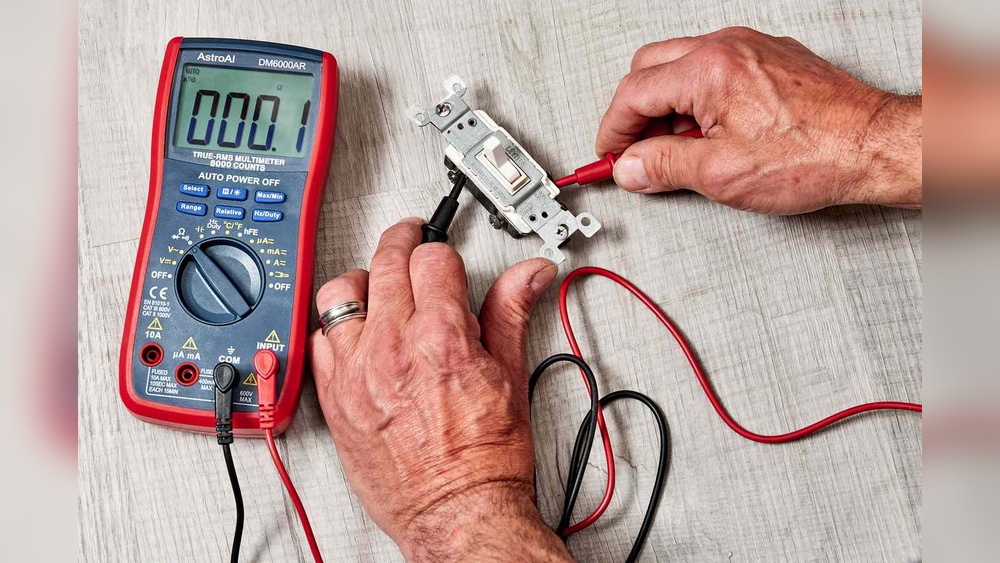
Flickering usually means loose connections or bad bulbs. Tighten all wire nuts and terminal screws. Replace old or dim bulbs with new ones. Sometimes, the switch itself wears out and needs changing. Test the switch with a multimeter to confirm.
When To Call A Professional
Electricity is dangerous without experience. Call a licensed electrician if unsure or if problems persist. Complex wiring or repeated issues need expert care. Safety should always come first. Professionals ensure the job is done right and safe.

Credit: www.youtube.com
Advanced Wiring Options
Advanced wiring options for 3 way light switches offer more control and flexibility. These setups go beyond basic on/off functions. They allow you to adjust lighting levels or control lights remotely. Understanding these options helps you improve your home lighting system efficiently.
Adding Dimmer Switches
Dimmer switches let you change light brightness smoothly. You can install dimmers in a 3 way switch setup. This lets you brighten or dim lights from two locations. The wiring is slightly different but still manageable. Dimmer switches save energy and create the right mood in any room.
Using Smart 3 Way Switches
Smart 3 way switches connect to Wi-Fi or Bluetooth. You control lights using an app or voice commands. They replace traditional switches without extra wiring. Smart switches can schedule lights or link to other smart devices. This adds convenience and modernizes your lighting system.
Frequently Asked Questions
What Is A 3 Way Light Switch?
A 3 way light switch controls a single light from two locations. It uses special wiring with two traveler wires. This setup allows you to turn lights on or off from either switch. It is commonly used in hallways and staircases.
How Do Traveler Wires Work In 3 Way Switches?
Traveler wires connect two 3 way switches and carry current between them. They allow the switches to communicate and control the light. When one switch toggles, the traveler wires change the circuit path. This enables the light to turn on or off from either switch.
Can I Replace A Single Switch With A 3 Way Switch?
No, a 3 way switch requires two switches and specific wiring. Simply replacing a single switch won’t work without the proper traveler wires. You must install the additional switch and wiring to create a 3 way switch circuit.
Why Do 3 Way Switches Sometimes Flicker Or Fail?
Flickering can occur due to loose connections or faulty wiring. It may also be caused by worn switches or incompatible bulbs. Proper installation and quality switches reduce flicker. Regular maintenance helps ensure smooth operation of 3 way switches.
Conclusion
Understanding how 3 way light switches work makes home lighting easier. Two switches control one light from different places. This setup adds convenience and saves energy. Wiring might seem tricky, but learning the basics helps. Always stay safe and turn off power before working.
Now, you can feel confident handling 3 way switches. Brighten your space with simple switch control. Easy, practical, and useful for many rooms.