Have you ever wondered how double light switches control two lights from the same spot? Understanding how these switches work can save you time and frustration when fixing or upgrading your home’s lighting.
Whether you’re planning a DIY project or just curious about what’s behind the switch, this article will break down everything you need to know in simple terms. By the end, you’ll feel confident handling double light switches like a pro.
Keep reading to uncover the secrets behind your home’s lighting control!
Basic Components
Understanding the basic components of double light switches helps explain how they work. These switches control two different lights or sets of lights from one location. They look like a single switch but have two toggles or buttons. Each toggle connects to a different light circuit. The parts inside make this possible.
Switch Types
Double light switches come in two main types: toggle and rocker. Toggle switches have small levers you flip up or down. Rocker switches use a flat panel that you press on either side. Both types work the same way inside. They open or close circuits to turn lights on or off. Some switches offer a dimmer function for light control.
Wiring Essentials
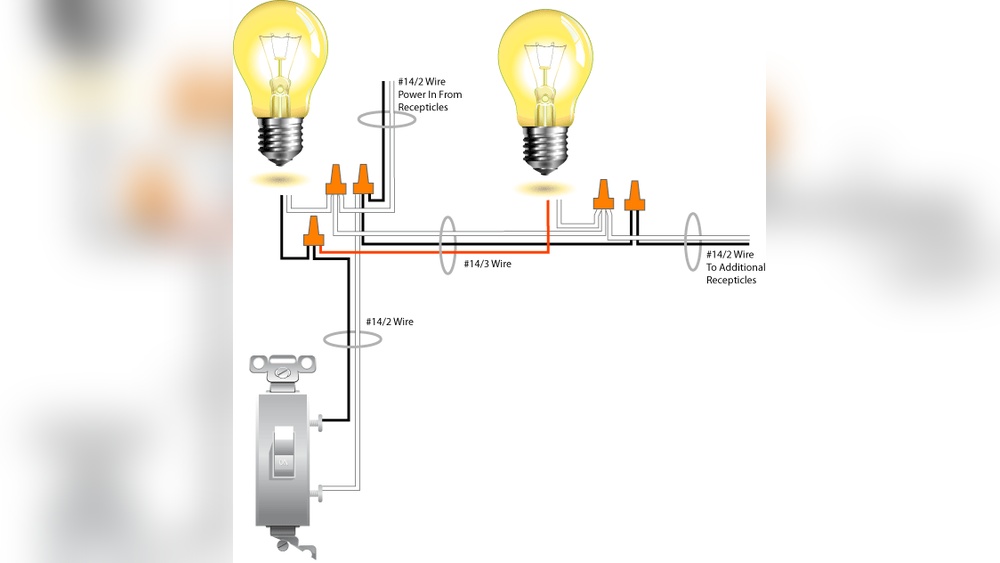
Wiring links the switch to the power source and lights. A double switch has separate wires for each light circuit. The live wire brings electricity to the switch. Two separate wires carry power from the switch to each light. A neutral wire completes the circuit. Proper wiring ensures safe and reliable operation. Correct connections prevent short circuits and electrical hazards.

Credit: www.realpars.com
How Double Switches Operate
Double light switches control two different lights or sets of lights from one place. They have two separate switches in one unit. Each switch works independently but shares the same electrical box. Understanding how they operate helps with repairs and installations. The key lies in their wiring and how electricity flows through them.
Circuit Connections
Double switches have three main wires: one common power wire and two wires for each light. The power wire brings electricity from the main supply. Each switch connects to its own light wire. Inside the switch, a metal contact opens or closes the circuit. When the switch is on, the circuit completes. Electricity flows to the light. When off, the circuit breaks and the light stays off.
Power Flow
Power flows from the source to the switch box. It reaches the common terminal on the double switch. Each switch controls the flow to its respective light. Flipping a switch closes the circuit, letting electricity pass through. This powers the connected light. Flipping it off breaks the flow. The other switch works the same way but controls a different light. This setup allows control of two lights from one location.
Common Wiring Configurations
Double light switches control two different lights or sets of lights from one location. Their wiring depends on the switch type and the lighting setup. Understanding common wiring setups helps in installation and troubleshooting. Below are two popular wiring configurations for double light switches.
Single Pole Double Switch
This switch controls two separate lights from one spot. It has two on/off switches built into one unit. Each switch connects to its own light or circuit. The wiring includes a line wire, two load wires, and a neutral wire. The line wire brings power in. Load wires carry power to each light. Neutral wires complete the circuit. This setup is simple and common in homes.
Three-way Double Switch
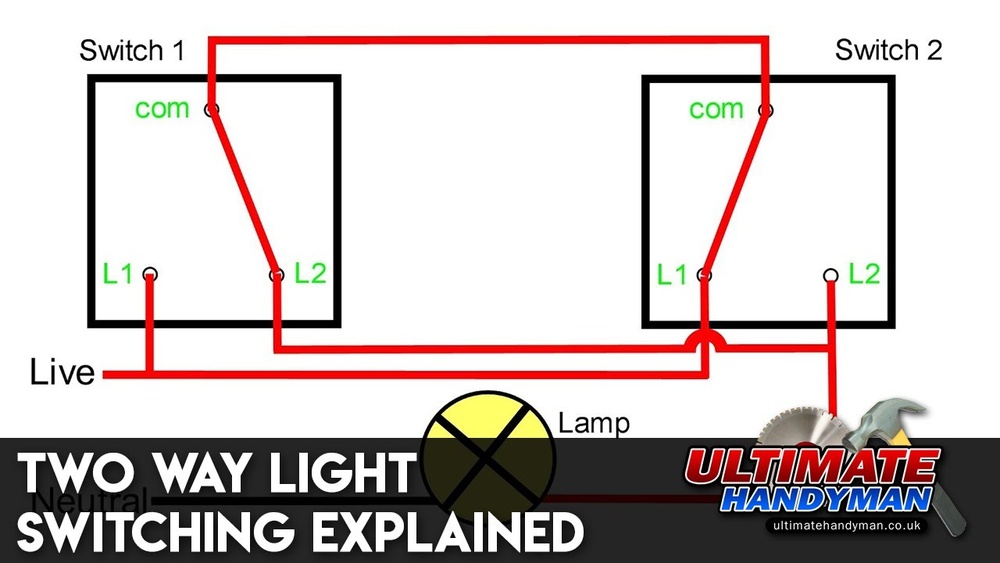
This setup controls two lights from two different locations. Each light can be turned on or off from either switch. It uses a special type of switch called a three-way switch. The wiring includes travelers, a common wire, and a ground wire. Travelers connect the two switches. The common wire carries the current to the light. Ground wires ensure safety. This setup works well in large rooms and hallways.
Installation Steps
Installing a double light switch can control two lights from one spot. It saves space and adds convenience. The process needs care and some basic tools. Follow clear steps for a safe and correct installation.
Safety Precautions
Turn off the power at the circuit breaker before starting. Use a voltage tester to confirm no electricity flows. Wear insulated gloves to protect yourself. Avoid working in wet conditions. Keep your workspace clean and organized.
Tools Needed
You will need a flathead screwdriver and a Phillips screwdriver. A voltage tester is essential for safety. Wire strippers will help prepare the wires. Needle-nose pliers assist in bending and placing wires. Electrical tape secures wire connections.
Step-by-step Guide
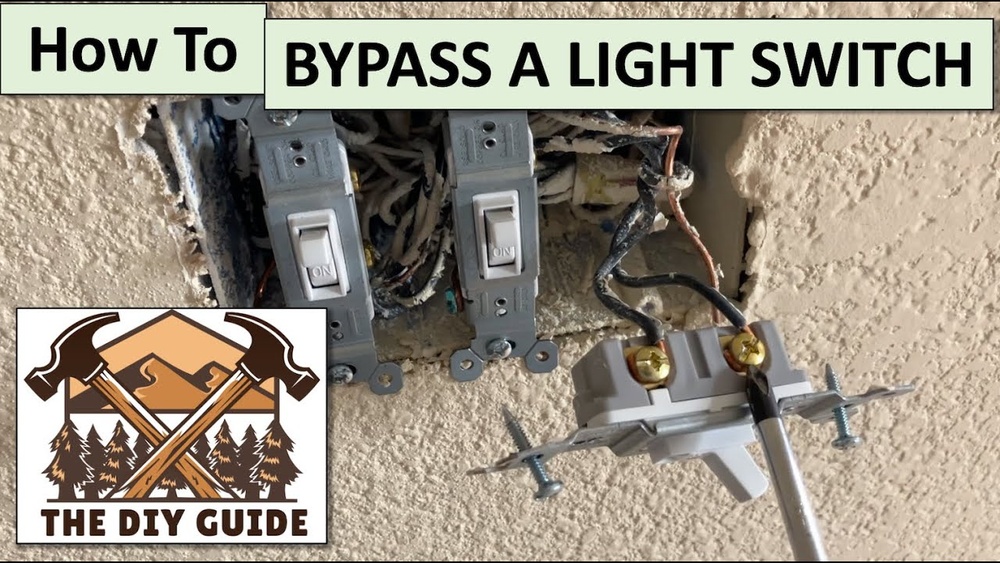
Remove the old switch plate carefully. Unscrew the old switch from the box. Note where each wire connects. Disconnect the wires from the old switch. Prepare the wires by stripping about half an inch of insulation.
Connect the wires to the new double switch. Attach the ground wire to the green screw. Connect the common wire to the black or dark screw. Attach the two other wires to the remaining screws. Make sure all connections are tight and secure.
Push the switch back into the box. Screw it in place firmly. Replace the switch plate cover. Turn the power back on at the breaker. Test the switch to ensure both lights work properly.
Troubleshooting Tips
Troubleshooting double light switches can seem tricky. Knowing common problems and quick fixes helps you save time and effort.
Double light switches control two lights or groups of lights from one spot. Problems happen due to wiring, switches, or bulbs. Check the basics first before calling an electrician.
Common Issues
One common issue is a switch that feels loose or does not click. This may mean worn parts inside the switch. Another issue is flickering lights, often caused by a loose wire or a bad bulb. Sometimes, one switch controls both lights, which means wiring might be wrong.
Broken switches, tripped circuit breakers, or burnt-out bulbs also cause problems. Identifying these issues fast helps fix the problem without extra costs.
Quick Fixes
Start by turning off the power at the breaker box for safety. Tighten any loose screws on the switch plate. Replace any burnt-out bulbs with new ones. Test the switch by flipping it on and off after restoring power.
Use a voltage tester to check if power reaches the switch. If wires look loose or damaged, tighten or replace them carefully. Swap the switch with a new one if it still does not work. These steps fix most double switch problems quickly.
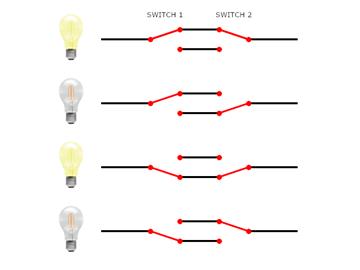
Credit: socketstore.co.uk
Energy Efficiency Benefits
Double light switches offer clear energy efficiency benefits. They allow users to control two lights or sets of lights from one spot. This helps reduce energy waste by turning off only the lights you don’t need. Using double switches can lower electricity bills and reduce your carbon footprint.
Control Options
Double light switches give flexible control over lighting. You can switch on one light or both at the same time. This helps avoid lighting empty rooms. With better control, you use only the light needed. This simple step saves energy and cuts costs.
Smart Integration
Many double switches now work with smart home systems. You can set timers or use voice commands to control lights. Smart integration helps ensure lights are off when not needed. It also lets you adjust brightness to save power. This technology makes energy use smarter and easier.

Credit: www.youtube.com
Frequently Asked Questions
What Is A Double Light Switch Used For?
A double light switch controls two separate lights or fixtures from one location. It offers convenience and saves wall space. You can operate two different lights independently using a single switch plate. This setup is common in rooms with multiple light sources.
How Does Wiring Work In Double Light Switches?
Double light switches have two separate circuits inside one unit. Each switch connects to its own light fixture. The wiring includes a common power source and two load wires. Proper wiring ensures both lights operate independently without interference.
Can Double Switches Control Ceiling And Wall Lights?
Yes, double switches can control ceiling and wall lights simultaneously. Each switch independently manages a different light fixture. This setup allows flexible lighting options in one room. It is ideal for spaces requiring varied lighting moods.
Are Double Light Switches Easy To Install?
Double light switches are generally easy to install with basic electrical knowledge. Ensure power is off before wiring. Follow the wiring diagram carefully for each switch. If unsure, consult a professional electrician to ensure safety and compliance.
Conclusion
Double light switches control two lights from one place. They work by connecting or breaking the electric flow. Each switch operates separately but shares the same box. This setup saves space and adds convenience. Understanding their function helps with safe use and repairs.
Always follow safety rules when handling electrical parts. Now, you can better recognize how these switches work in your home. Simple, useful, and practical for daily life.