Have you ever wondered how big a light switch plate really is? Whether you’re updating your home, fixing a switch, or just curious, knowing the exact size can save you time and frustration.
You don’t want to buy the wrong plate and deal with tricky returns or awkward fits. You’ll discover the standard dimensions of light switch plates, plus tips to choose the right one for your space. Keep reading—you’ll find all the answers you need to get your switches looking perfect.
Credit: www.homedepot.com
Standard Light Switch Plate Sizes
Light switch plates come in different sizes to fit various electrical boxes. Knowing the standard sizes helps when replacing or installing plates. It also makes choosing the right cover easier and faster. Below are the common sizes you will find in most homes.
Single-gang Plates
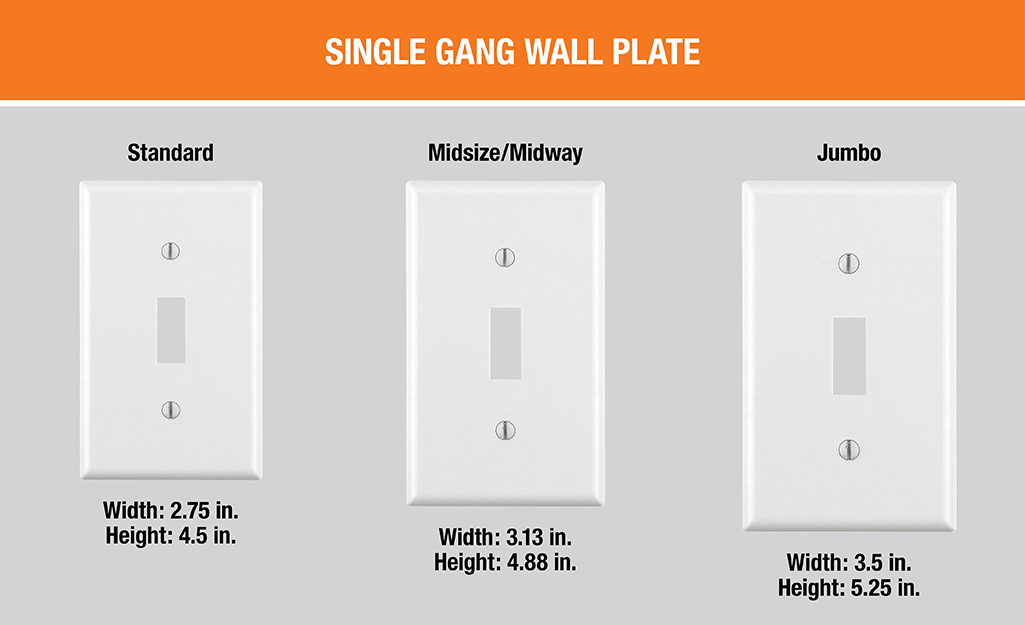
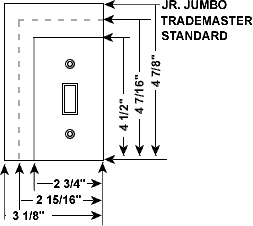
Single-gang plates cover one switch or outlet. They usually measure about 2.75 inches wide and 4.5 inches tall. This size fits most standard light switches. They are the most common plates used in homes.
Double-gang Plates
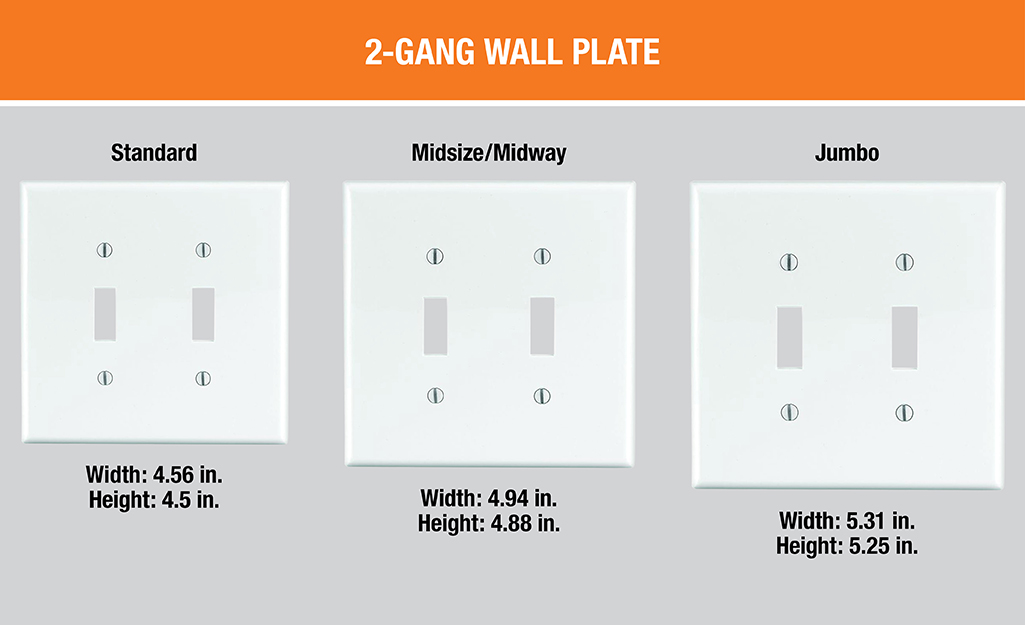
Double-gang plates cover two switches or outlets side by side. These plates are around 4.5 inches wide and 4.5 inches tall. They are perfect for rooms with two switches in one box. They offer a clean and neat look.
Triple-gang Plates
Triple-gang plates cover three switches or outlets. Their width is about 6.75 inches, while the height stays at 4.5 inches. Use these plates for rooms with three switches in one box. They keep all switches organized and easy to use.
Common Materials And Thickness
Light switch plates come in different materials and thicknesses. These factors affect durability, appearance, and ease of installation. Understanding common materials helps choose the right plate for your needs. Thickness varies but stays within standard sizes to fit most switches safely.
Plastic Plates
Plastic plates are the most common choice. They are lightweight and affordable. Thickness usually ranges from 1 to 2 millimeters. Plastic is easy to clean and resists moisture. Colors and textures vary widely, fitting many decor styles. These plates work well in most indoor settings.
Metal Plates
Metal plates offer strength and a modern look. Common metals include stainless steel, brass, and aluminum. They are thicker, about 2 to 3 millimeters, which adds durability. Metal plates resist cracking and chipping. Their finish can be shiny, matte, or brushed. These plates suit kitchens, offices, and industrial spaces.
Wooden Plates
Wooden plates provide a natural and warm feel. Thickness ranges from 3 to 5 millimeters due to the material’s density. Wood plates often need a protective coating to prevent damage. They come in various wood types and stains. Wooden plates are ideal for rustic or classic home designs.
Measuring Your Light Switch Plate
Measuring your light switch plate is a simple task. It helps ensure you buy the right size for replacement or decoration. Accurate measurements prevent mistakes and save time. You need only a few tools and clear steps to get it right.
Tools Needed
Gather a tape measure or a ruler. A pencil and paper help to write down numbers. A flashlight can help if the space is dim. Make sure tools are easy to use and read.
Step-by-step Measurement
Start by removing the switch plate from the wall. Place it flat on a table or floor. Measure the height first, from top to bottom. Next, measure the width from side to side. Note these numbers carefully. Check the thickness by measuring the edge. Write all measurements clearly. Double-check each number to avoid errors.
Credit: www.homedepot.com
Specialty And Decorative Plates
Specialty and decorative light switch plates add style to any room. They go beyond the plain, standard sizes and shapes. These plates can make your light switches stand out or blend with your decor.
Different designs and sizes fit unique needs. They often serve both a practical and an aesthetic purpose. Let’s explore some popular types of specialty switch plates.
Oversized Plates
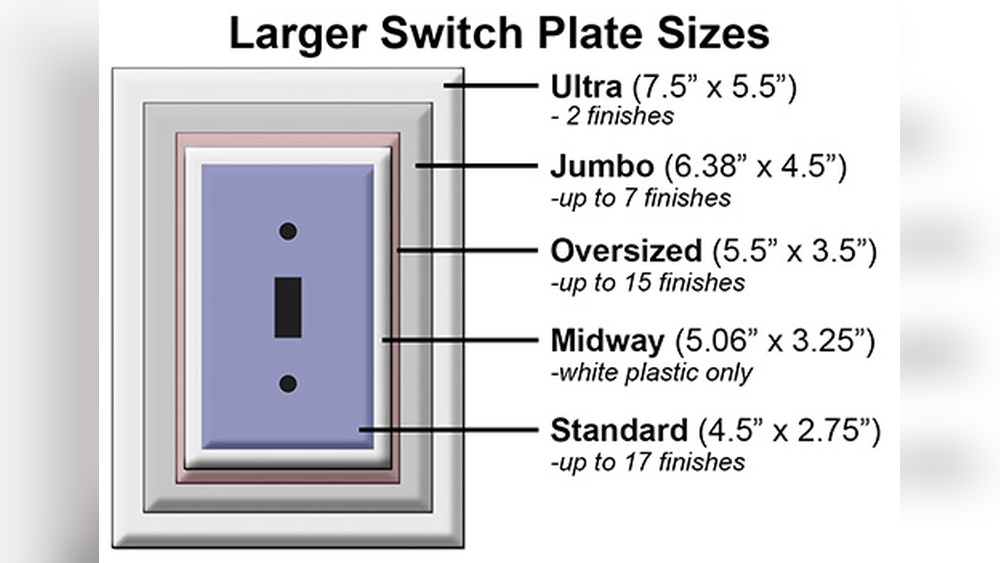
Oversized plates are larger than regular switch plates. They cover more wall area, hiding old paint or damaged drywall. These plates often measure around 6 by 6 inches or bigger. They work well in rooms with thick walls or wide trim.
These plates create a bold look. They can also protect the wall from frequent contact or dirt. Oversized plates come in various materials like metal, plastic, or wood.
Custom Designs
Custom switch plates allow personal style to shine. You can choose colors, patterns, or images that match your room. Some even offer engraved or painted designs for a unique touch. Custom plates fit standard or non-standard switch sizes.
These plates can reflect hobbies, themes, or art preferences. They turn simple switches into eye-catching features. Custom designs often use durable materials that last long.
Plates With Extra Features
Some switch plates include additional functions. For example, built-in night lights help find switches in the dark. Others combine outlets and USB ports with the switch plate for convenience. Some have dimmer sliders or smart home controls.
These plates add usefulness without extra wall clutter. They come in various sizes but keep a neat appearance. Plates with extra features fit modern homes and tech setups well.
Compatibility With Electrical Boxes
Choosing the right light switch plate depends on its fit with the electrical box behind it. Compatibility matters to ensure safety and a clean look. Light switch plates must align well with the box size and shape. This section explains common box sizes and how to adjust for those that do not fit standard plates.
Standard Box Sizes
Most light switch plates fit standard electrical boxes. The common size is about 2 inches by 3 inches. This size works with single-gang boxes, the most typical type in homes. Switch plates designed for these boxes cover the opening completely. They also hide any wiring or rough edges around the box.
Double-gang boxes are larger, about 4 inches by 4 inches. They hold two switches or outlets side by side. Plates for these boxes are wider to cover both openings. Using standard plates for standard boxes makes installation easier and safer.
Adjusting For Non-standard Boxes
Older homes may have non-standard box sizes or shapes. These boxes can be deeper, wider, or oddly shaped. Standard plates might not fit well or cover the box fully. Gaps or uneven edges may appear around the plate.
To fix this, choose adjustable or oversized plates. Some plates have flexible edges to cover larger areas. Others come with spacers or adapters to fit different depths. Always measure the box carefully before buying a plate. Proper fit ensures safety and a neat appearance.
Replacing Your Light Switch Plate
Replacing your light switch plate is a simple way to freshen up a room. It also helps keep your home safe and clean. Over time, switch plates can get cracked or stained. Changing them is quick and does not require special tools. Understanding the size and fit is important before starting.
Choosing The Right Size
Light switch plates come in different sizes. Most standard plates measure about 4.5 inches tall and 2.75 inches wide. Some switches use larger or smaller plates. It is important to match the plate to your switch type. Measure the old plate or the switch itself to find the right size. A properly sized plate covers the switch and the wall opening well.
Installation Tips
Turn off the power before removing the old plate. Use a screwdriver to remove the screws carefully. Align the new plate over the switch and screw it in place. Do not overtighten screws; this can crack the plate. Check the plate sits flush against the wall. Clean around the switch before attaching the new plate for a neat look.
Credit: www.elliottelectric.com
Frequently Asked Questions
What Are The Standard Dimensions Of A Light Switch Plate?
A typical light switch plate measures about 4. 5 inches tall and 2. 75 inches wide. These dimensions fit most single-toggle switches.
Can Light Switch Plates Come In Different Sizes?
Yes, light switch plates vary in size. They are available for single, double, and triple switches, with larger plates for specialty switches.
Why Is Knowing Light Switch Plate Size Important?
Knowing the size ensures you buy the right fit. Properly sized plates improve safety and enhance room aesthetics.
Are Light Switch Plates Universal For All Switches?
No, plates are not always universal. Different switches like toggle, rocker, or dimmer require specific plate sizes.
Conclusion
A light switch plate usually measures about 4. 5 by 2. 75 inches. This size fits most standard switches in homes. Knowing the size helps when buying or replacing plates. It also ensures a neat and safe installation. Small details like these matter in home projects.
Simple measurements save time and avoid mistakes. Now, you can pick the right plate with confidence. No guesswork needed. A little knowledge goes a long way.