Have you ever been frustrated when a light switch controls an outlet, turning off your devices unexpectedly? It can be annoying, especially when you want your outlet to stay on all the time.
If you’re looking for a simple way to stop that switch from controlling your outlet, you’re in the right place. You’ll learn easy and safe steps to fix this problem yourself. Keep reading, and soon you’ll have full control over your outlet without any hassle.

Credit: www.youtube.com
Reasons A Switch Controls An Outlet
Sometimes, a light switch controls an outlet instead of a light fixture. This setup may confuse you when the outlet only works if the switch is on. Understanding why this happens helps you fix it or change the wiring.
Many homes have specific wiring designs that use switches to control outlets. This approach can save energy or add convenience. Knowing the reasons behind this design makes it easier to decide what to do next.
Wiring Setup Basics
Electricity flows from the power source to devices through wires. Switches break or complete this flow. When a switch controls an outlet, it interrupts the power to that outlet.
This setup means the outlet gets power only if the switch is on. The switch acts like a gate for the outlet’s electricity. This wiring design is common in living rooms or bedrooms.
Common Home Wiring Practices
Many homes use switched outlets to control lamps or other lights. This design allows lamps to turn off without unplugging them. It also lets people control the outlet from one place.
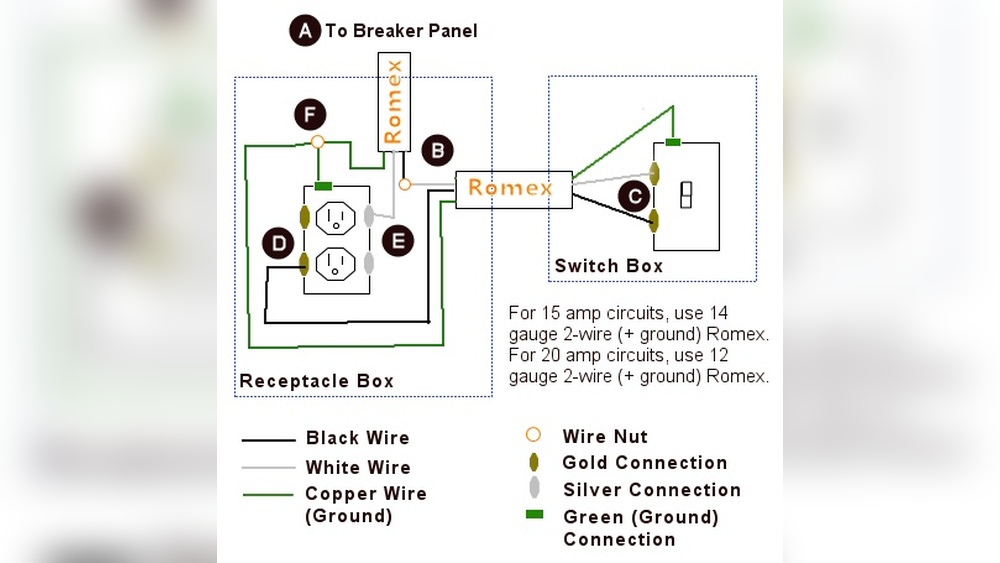
Electricians often split the outlet’s wiring. One half stays always on, and the other half is controlled by the switch. This setup is practical for lamps and other small devices.

Credit: www.reddit.com
Safety Tips Before Starting
Before you start to stop a light switch from controlling an outlet, safety must come first. Working with electrical wiring can be dangerous. Simple precautions can prevent accidents and injuries. Follow these safety tips to protect yourself and your home.
Turn Off Power
Switch off the power at the circuit breaker. Do not rely on the light switch alone. This step stops electricity from flowing while you work. Confirm the power is off before touching any wires. Safety starts here.
Use Proper Tools
Use insulated tools designed for electrical work. Avoid using regular household tools. Insulated tools reduce the risk of electric shock. Have a voltage tester ready for safety checks. Use tools carefully and correctly.
Check For Live Wires
Always test wires for electricity before handling them. Use a non-contact voltage tester for this task. Even with the power off, some wires may still carry current. Double-check every wire to avoid shocks. Safety is in the details.
Identifying The Switch And Outlet Wiring
Understanding the wiring between a light switch and an outlet is key to stopping the switch from controlling that outlet. This process starts with identifying the exact wiring setup. Knowing how the switch and outlet connect helps you work safely and effectively.
Locate The Switch And Outlet
First, find the switch that controls the outlet. This switch often sits near the room entrance. Next, locate the outlet the switch affects. It may be on a nearby wall or in a corner. Check all outlets in the room to be sure.
Test The Outlet
Turn the switch off and on while watching the outlet. Plug in a lamp or device to see if it powers on or off. This test confirms the switch controls the outlet. Make a note of the switch and outlet that connect.
Trace Wiring Connections
Turn off the power from the breaker before touching wires. Remove the switch cover and outlet cover. Look inside the boxes to see the wires. Black wires usually carry power. White wires are neutral. Ground wires are green or bare copper. Follow the wires from the switch to the outlet to find their path. This step shows how the switch controls the outlet.
Fixing The Wiring To Separate Control
Fixing the wiring to separate control means making the outlet work independently. This allows the outlet to stay on all the time. The switch will only control the light, not the outlet. The process involves changing the wiring inside the switch box and outlet box. It is a simple electrical task that anyone can do with care and basic tools.
Removing Switch Control
Turn off the power at the breaker before starting work. Remove the switch cover plate using a screwdriver. Unscrew the switch from the box and pull it out gently. Look for a black wire connected to the switch. This wire usually controls the outlet. Disconnect the black wire from the switch carefully. Cap the wire with a wire nut to keep it safe. This step stops the switch from controlling the outlet.
Rewiring The Outlet
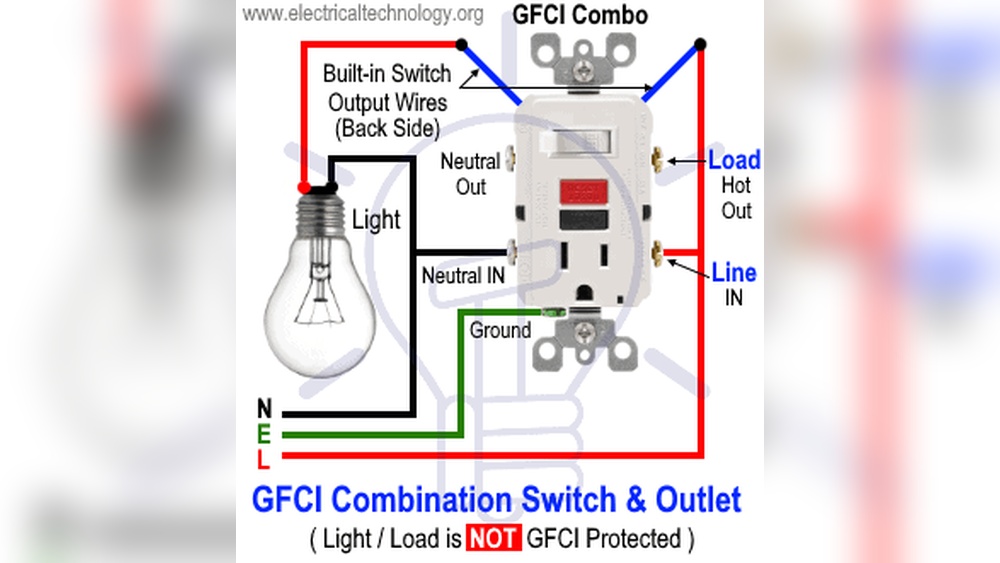
Open the outlet cover and remove the outlet from the box. Find the black wire that was connected to the switch. Connect this black wire to the outlet’s black or brass terminal. This change lets the outlet receive power directly from the circuit. Make sure the white (neutral) wire stays connected to the silver terminal. The ground wire should be attached to the green screw. This rewiring makes the outlet work independently of the switch.
Securing Connections
Check all wire connections to ensure they are tight. Use wire nuts to cover any exposed wire ends. Push the wires back carefully into the boxes. Screw the outlet and switch back into place. Attach the cover plates securely. Turn on the power at the breaker. Test the outlet and switch to confirm they work separately. Proper connections keep your setup safe and reliable.
Using A Bypass Or Dummy Switch
Using a bypass or dummy switch is a simple way to stop a light switch from controlling an outlet. This method keeps the switch in place but changes how it works. It lets the outlet work all the time, without turning off with the switch. This can be helpful in many homes and rooms.
When To Use A Bypass
Use a bypass if you want the outlet always on. This is common in rooms where lamps or devices need constant power. It helps avoid rewiring or removing the switch. A bypass is quick and keeps the wall looking normal. It works well if you do not want to lose the switch’s look or position.
Installing A Dummy Switch
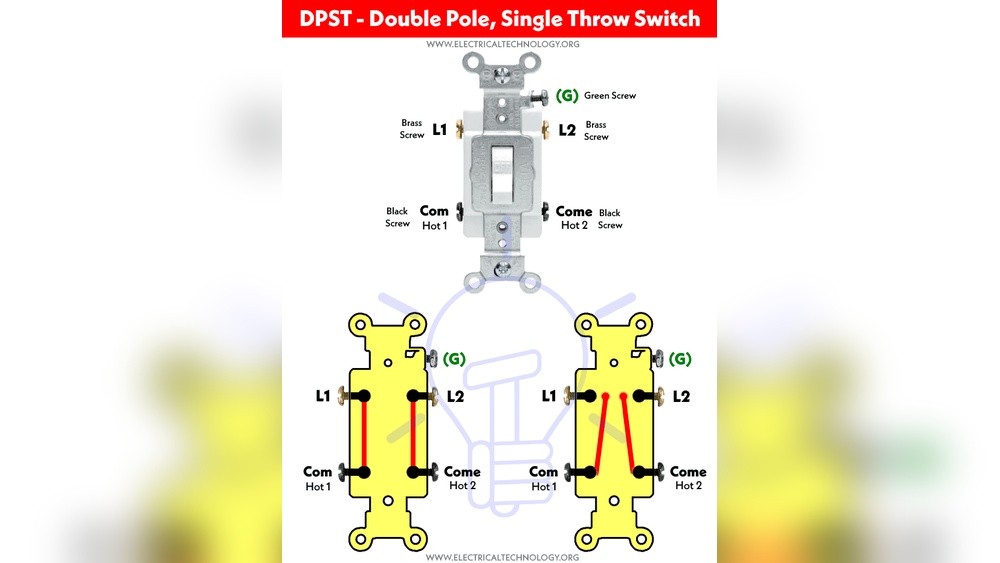
A dummy switch looks like a real switch but does not control power. You install it in place of the original switch. First, turn off the power at the breaker. Remove the old switch carefully. Connect the wires together inside the box. Place the dummy switch over the wires. Screw it in place like a normal switch. Turn the power back on. The outlet will now stay on all the time.
Testing After Repair
After fixing a light switch that controls an outlet, testing is very important. Testing ensures the repair works correctly and safely. It helps avoid electrical problems and keeps your home secure.
Follow these steps to test your repair properly.
Restore Power Safely
Turn the circuit breaker back on carefully. Stand clear from the outlet and switch. Avoid touching wires or metal parts. Use a voltage tester to check power flow. Confirm the area is safe before moving on.
Verify Outlet And Switch Function
Plug a lamp or device into the outlet. Flip the switch on and off several times. The outlet should stay powered regardless of the switch. The switch should only control the light fixture now. Check for any flickering or power loss.
Troubleshooting Common Issues
Outlet still turns off with the switch? Double-check your wiring connections. Make sure the switch is wired only to the light. Use a tester to find any loose wires. Reset the breaker if power cuts unexpectedly. Repeat tests until everything works properly.
When To Call A Professional
Stopping a light switch from controlling an outlet may seem simple. Yet, some situations require expert help. Knowing when to call a professional can save time and keep you safe. A professional electrician has the right tools and knowledge to handle tricky electrical issues. Here are key signs that you should not do it yourself.
Complex Wiring Situations
Some homes have old or unusual wiring setups. This can make it hard to find which wires control the outlet. A professional can trace wires quickly and correctly. They understand different wiring systems and how to fix them. Mistakes in complex wiring may cause more damage or power loss.
Safety Concerns
Electricity is dangerous if handled wrong. A small error can cause shocks or fires. Professionals follow strict safety rules to avoid accidents. They use proper tools and protective gear. If you feel unsure or unsafe, it is best to call a pro.
Local Electrical Codes
Every area has rules for electrical work. These codes keep homes safe and up to standard. A licensed electrician knows these rules well. They ensure any changes meet local laws. Doing work without following codes may cause fines or problems when selling your home.

Credit: www.youtube.com
Frequently Asked Questions
How Can I Stop A Light Switch From Controlling An Outlet?
To stop a switch from controlling an outlet, turn off power first. Then, disconnect the switch wire from the outlet. Finally, cap the wire safely and restore power. This separates the outlet from the switch control.
Why Does A Light Switch Control An Outlet?
A light switch controls an outlet due to shared wiring. This setup allows the switch to turn on or off the outlet’s power. It’s common in older homes or specific room designs for convenience.
Can I Convert A Switched Outlet To Always-on?
Yes, you can convert a switched outlet to always-on by rewiring. Disconnect the switch wire from the outlet and connect the outlet directly to the power source. Ensure power is off before working on wiring to stay safe.
Is It Safe To Change Outlet Wiring Myself?
Changing outlet wiring can be safe if you have electrical knowledge. Always turn off power at the breaker first. Use proper tools and follow local electrical codes. When unsure, consult a licensed electrician for safety.
Conclusion
Stopping a light switch from controlling an outlet is simple. Just follow the safety steps carefully. Turn off power before working with wires. Identify and separate the switch wires from the outlet wires. Use wire nuts to secure connections. Test the outlet after rewiring to ensure it works properly.
With patience, anyone can fix this problem. No need to call a professional every time. Now your outlet works independently from the switch. A small change, but it makes a big difference in your home. Easy and safe fixes keep your space working right.