Have you ever wondered how you can control one light from two different switches? It’s a handy feature that makes your home more convenient and safer.
Understanding how 2 way light switches work can help you fix, install, or upgrade your lighting like a pro. You’ll discover simple explanations and tips that make this concept easy to grasp. Keep reading, and you’ll soon feel confident about managing your home’s lighting switches with ease.

Credit: www.youtube.com
Basics Of 2 Way Switches
Understanding the basics of 2 way switches helps you control lights from two places. This setup offers convenience and flexibility in lighting control. It is common in many homes and easy to use. Let’s explore what a 2 way switch is and where it is usually found.
What Is A 2 Way Switch
A 2 way switch allows you to turn a light on or off from two different locations. It has three terminals that connect to the wiring system. The switch changes the path of the electrical current to control the light. This means you can operate the light from two separate switches.
This setup uses two switches connected by traveler wires. The current flows through one switch or the other to reach the light. You can switch the light on or off at either switch without affecting the other.
Common Uses In Homes
2 way switches are common in rooms with two entrances. Hallways often have these switches at both ends. Staircases also use 2 way switches for easy lighting control from top and bottom.
They are useful in large rooms where one switch is not enough. This setup adds safety and convenience, especially in dark areas. It prevents the need to walk in the dark to turn off a light.
Components Inside A 2 Way Switch
The components inside a 2 way light switch are simple but very important. Each part works together to control the light from two different places. Understanding these parts helps explain how the switch works.
Two main parts inside a 2 way switch are the switch terminals and the internal mechanism. Both play a role in connecting and breaking the electric circuit.
Switch Terminals
The switch terminals are metal points where wires connect. Usually, there are three terminals. One is called the common terminal. The other two are called traveler terminals.
The common terminal receives power from the light source. The traveler terminals connect to the other switch. They carry the current back and forth.
These terminals allow electricity to flow through one path or the other. This flow changes when the switch flips. It controls the light turning on or off.
Internal Mechanism
The internal mechanism is inside the switch case. It moves when you flip the switch lever. This movement changes which terminal the common connects to.
Inside, a metal contact shifts between the two traveler terminals. This contact either completes or breaks the circuit. It controls the electric current flow.
The mechanism is simple but strong. It ensures the switch works smoothly and safely for years.
How 2 Way Switching Works
Understanding how 2 way switches work helps control lights from two places. This is useful for rooms with two doors or long hallways. You can turn the light on or off from either switch. The system uses simple wiring and a clever circuit to make this possible.
Wiring Setup
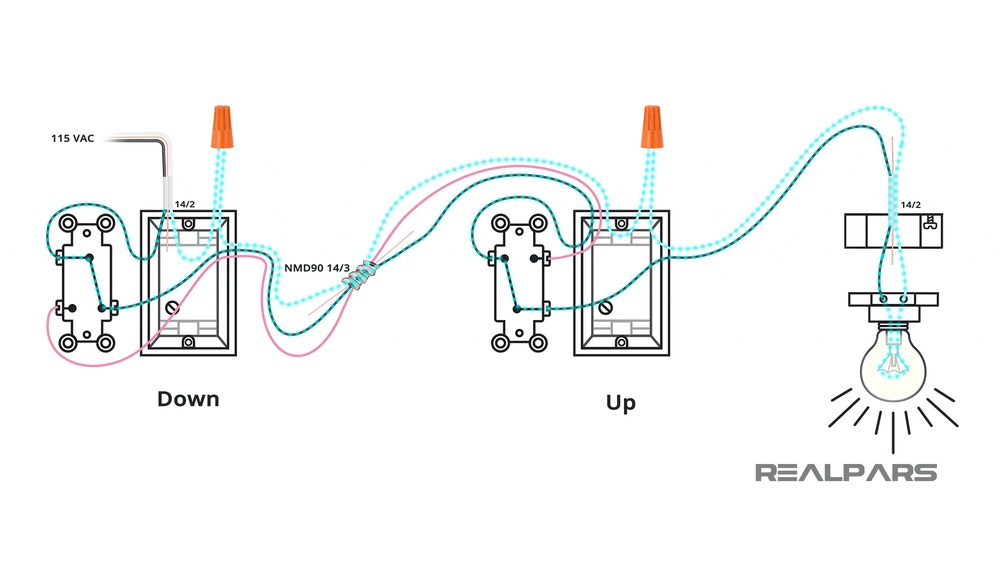
The wiring for 2 way switches includes two switches and one light. Each switch has three terminals. Two of these terminals connect the switches together with traveler wires. The third terminal connects to the power source or the light. The traveler wires carry current between the switches. This setup allows the switches to change the light’s state.
Switching Circuit Explained
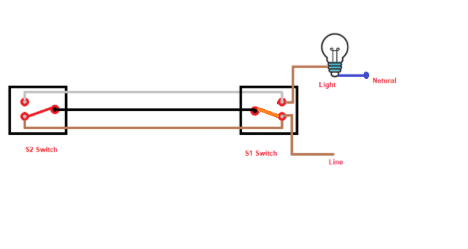
The switches work by opening or closing the circuit. When both switches connect the travelers the circuit is complete. This turns the light on. Changing either switch breaks the circuit. The light turns off. The current flows through one traveler wire or the other. This simple change lets you control the light from two locations.
Credit: www.electronicsforu.com
Wiring Diagrams And Connections
Understanding wiring diagrams and connections is key to grasping how 2 way light switches work. These diagrams show the paths electricity follows between switches and the light. They help visualize the wiring setup, making installation or troubleshooting easier.
Correct connections ensure both switches control the light properly. Mistakes in wiring can cause the light to not turn on or off as expected. Clear diagrams guide you through the process step-by-step.
Basic 2 Way Wiring Diagram
A basic 2 way wiring diagram includes two switches and one light. Each switch has three terminals: common, L1, and L2. The common terminal connects to the power source or the light.
Wires run between the switches, linking L1 on one switch to L1 on the other. The same goes for L2 terminals. This setup lets either switch turn the light on or off independently.
Using Traveler Wires
Traveler wires connect the two switches and carry current between them. Usually, two traveler wires run between L1 and L2 terminals on each switch. These wires allow the switches to communicate.
When you flip one switch, it changes the current path using traveler wires. This action turns the light on or off. Understanding traveler wires is important for proper wiring and operation.
Installing A 2 Way Switch
Installing a 2 way switch lets you control one light from two places. This is useful in hallways, stairs, and large rooms. The process is simple if you follow the steps carefully. Safety is important. Turn off the power before starting any work.
Tools Needed
- Screwdriver (flathead and Phillips)
- Wire stripper
- Voltage tester
- Electrical tape
- Wire cutters
- Two 2 way switches
- Electrical box (if needed)
- Insulated gloves (optional)
Step-by-step Installation
Start by turning off the power at the circuit breaker. Use the voltage tester to confirm no electricity flows.
Remove the old switch from the wall. Disconnect the wires carefully.
Check the wires: you should see one common wire and two traveler wires.
Connect the common wire to the common terminal on the new switch. It is usually marked.
Attach the two traveler wires to the traveler terminals on the switch.
Repeat the wiring on the second switch in the same way.
Secure the switches into the electrical boxes. Screw them tightly but do not overtighten.
Restore power at the breaker. Test the switches by turning the light on and off from both locations.
If the light works from both switches, the installation is complete.
Common Issues And Fixes
Two-way light switches often face issues that affect their function. Understanding common problems helps fix them quickly. Many faults are simple and need basic tools and safety care. Here are some frequent issues and how to solve them.
Troubleshooting Flickering Lights
Flickering lights can irritate and waste energy. This problem often happens because of a poor connection or a bad bulb. Start by checking the bulb. Replace it with a new one to see if flickering stops.
Loose wiring inside the switch can also cause flickering. Turn off the power before opening the switch cover. Check for any wires that look loose or worn. Tighten or replace these wires carefully.
Loose Connections
Loose connections are a top cause of switch failure. They can cause lights to stop working or work intermittently. Power off the circuit before touching the switch.
Remove the switch cover and inspect the wire terminals. Tighten any screws holding the wires. If wires are damaged or frayed, cut and strip fresh ends before reconnecting.
Always ensure wires fit securely under the terminal screws. Loose wires create sparks and risk fire. Proper connections improve switch reliability and safety.
Upgrading And Alternatives
Upgrading 2 way light switches can improve your home’s lighting control. New options offer better convenience and energy savings. Exploring alternatives helps you find the best fit for your needs.
Smart Switch Options
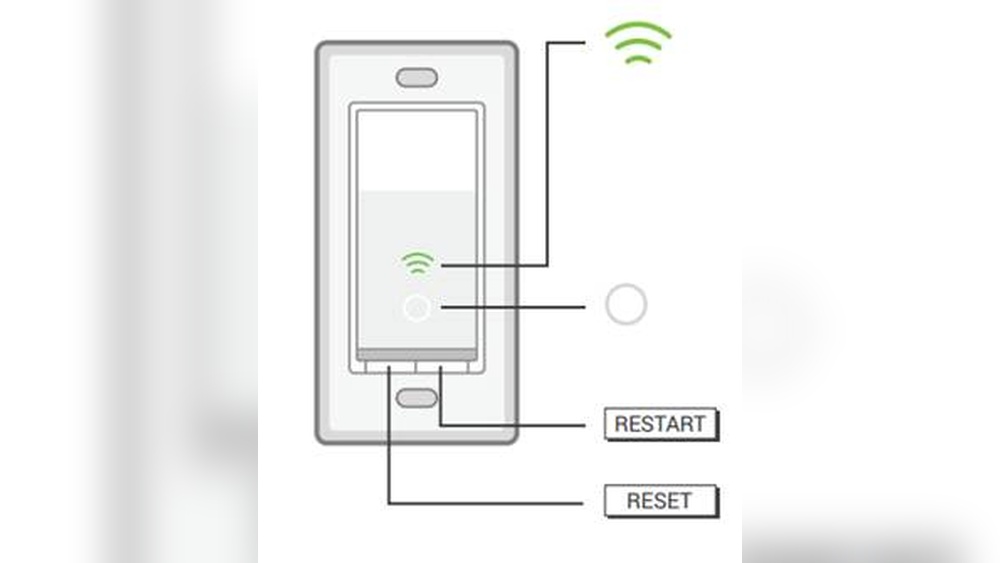
Smart switches connect to your Wi-Fi network. They let you control lights with a phone app or voice commands. Some models work with popular smart home systems. You can set schedules or timers easily. These switches often include dimming features. Installation is similar to traditional switches but may need a neutral wire. Smart switches add comfort and energy efficiency.
3 Way And Multi-way Switches
3 way switches control a light from two locations. Multi-way switches allow control from three or more spots. These are useful in large rooms or hallways. Wiring is more complex than 2 way switches. They use traveler wires to connect switches. Multi-way setups offer flexible lighting control. Upgrading to these can improve your home’s lighting system.

Credit: www.youtube.com
Frequently Asked Questions
What Is A 2 Way Light Switch?
A 2 way light switch controls a single light from two locations. It uses two switches connected by traveler wires. This setup allows turning the light on or off from either switch, offering convenience and flexibility in lighting control.
How Do Traveler Wires Function In 2 Way Switches?
Traveler wires connect the two switches in a 2 way system. They carry current between switches, enabling the light to be toggled from either location. These wires are essential for the switch mechanism to work correctly.
Can 2 Way Switches Work With Led Lights?
Yes, 2 way switches are compatible with LED lights. Ensure the LED bulbs are dimmable if using dimmer switches. Proper wiring and compatible bulbs ensure safe and efficient operation with 2 way switches.
What Wiring Is Needed For A 2 Way Light Switch?
A 2 way switch requires a live wire, neutral wire, and two traveler wires. These connect the switches and the light fixture. Correct wiring ensures the switches function properly and safely control the light.
Conclusion
Two way light switches let you control lights from two places. They work by changing the path of electricity. This simple system adds convenience to your home. Understanding how they work helps with repairs or upgrades. Always be careful when working with electricity.
Now, you can feel more confident about your light switches. Easy to use, helpful for many rooms. A smart choice for better home lighting control.