Have you ever wondered how many volts a light switch carries? Understanding this simple fact can help you feel safer and more confident when handling electrical tasks at home.
Whether you’re planning a DIY project or just curious about how your lighting system works, knowing the voltage behind a light switch is essential. Keep reading, and you’ll discover the answer in a clear, straightforward way—no confusing jargon, just the facts you need to know.

Credit: www.amazon.com
Voltage Basics For Light Switches
Understanding voltage is key to knowing how light switches work. Voltage is the electric force that moves power through wires. Light switches control this flow to turn lights on or off. This section explains basic voltage facts about light switches. It helps you understand what voltage numbers mean in your home.
Standard Voltage Levels
Most homes use two main voltage levels for light switches. The common voltage in the U.S. is 120 volts. This level powers most household lights and small appliances. Other countries may use 220 to 240 volts for their light switches. This higher voltage suits different electrical systems worldwide. Knowing your home’s voltage helps in choosing the right switch.
Why Voltage Matters
Voltage affects safety and device performance. Using a switch with the wrong voltage can cause damage or fire risk. Proper voltage ensures the light switch works well and lasts long. It also prevents electrical shocks. Always match the switch’s voltage rating to your home’s supply. This keeps your electrical system safe and reliable.
Common Household Light Switch Voltages
Light switches in homes control the flow of electricity to lights and other devices. The voltage rating of a light switch depends on the electrical system in the house. Understanding these voltages helps ensure safety and proper use.
Most homes use one of two common voltage systems. Each system requires switches designed to handle specific voltages. Let’s explore the common household light switch voltages.
120-volt Systems
The 120-volt system is the most common in many countries. It powers most lights and small appliances. Light switches in these systems are designed to handle 120 volts safely. This voltage is enough for everyday household lighting needs. Switches are usually simple single-pole or three-way types in this system.
240-volt Systems
Some homes also have 240-volt systems. These systems power larger appliances like ovens and dryers. Light switches for 240-volt circuits are less common but must handle higher voltage safely. These switches are built stronger and often have different designs. Using the correct switch voltage rating is crucial for safety in these systems.
Light Switch Types And Voltage Ratings
Light switches come in different types, each with specific voltage ratings. Knowing these helps in choosing the right switch for your home or office. Voltage ratings tell you the maximum electrical load a switch can handle safely.
Most residential light switches operate at standard voltages, but some switches suit special needs. Understanding switch types and their voltage limits ensures safety and proper function.
Toggle Switches
Toggle switches are the most common light switches. They usually handle 120 volts in homes. These switches work by flipping a lever up or down to turn lights on or off. Simple design and easy use make them popular worldwide.
Dimmer Switches
Dimmer switches adjust light brightness instead of just turning it on or off. They often support voltages from 120 to 277 volts. Dimmers must match the type of bulbs used to avoid damage. They help save energy by lowering light levels.
Smart Switches
Smart switches connect to Wi-Fi and allow remote control of lights. They generally work with standard home voltages of 120 volts. These switches often include features like scheduling and voice control. Smart switches add convenience and modern control to lighting systems.
Safety Considerations With Light Switch Voltage
Safety is the top priority when dealing with light switch voltage. Electrical currents can cause serious harm if not handled correctly. Understanding the right safety steps helps prevent accidents and ensures safe use of light switches in any home or building.
Proper Wiring Practices
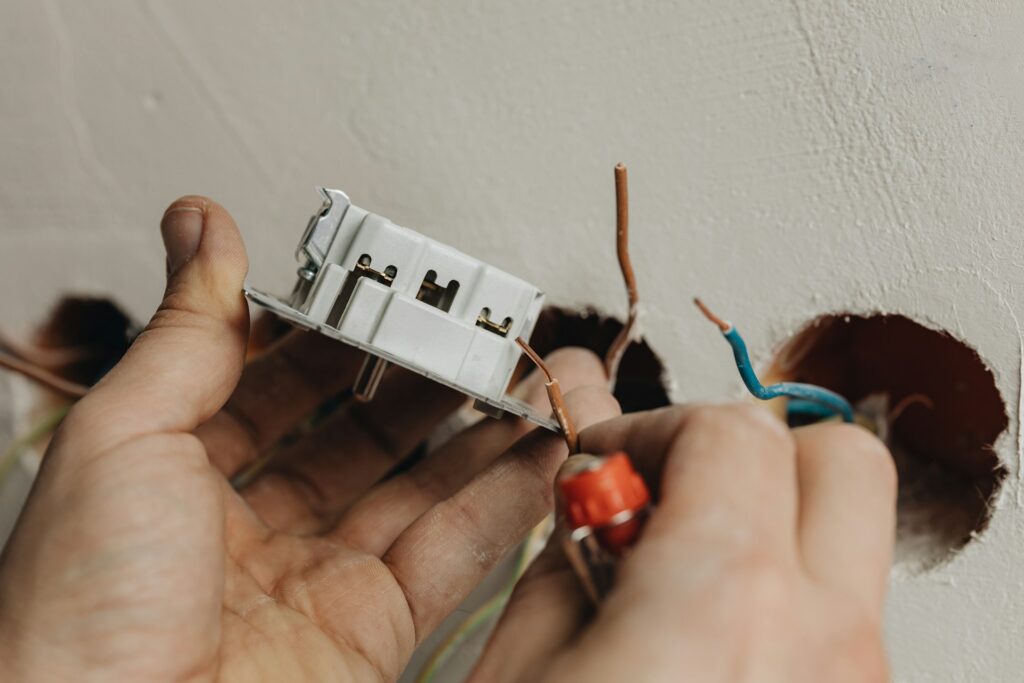
Correct wiring is crucial for safe light switch operation. Use wires designed for the voltage and current load. Always connect wires to the right terminals on the switch. Avoid loose connections as they can cause sparks or fires. Turn off power at the breaker before starting any wiring work. Use a voltage tester to confirm no electricity flows before touching wires. Follow local electrical codes to meet safety standards.
Avoiding Electrical Hazards
Electric shocks can happen without warning. Never touch a light switch with wet hands. Avoid using damaged or cracked switch covers. Keep switches away from water sources like sinks or bathrooms. Use insulated tools while working with electrical parts. Replace faulty switches immediately to reduce risk. Regularly inspect switches for signs of wear or overheating. Small precautions help stop dangerous electrical hazards.
Testing Voltage On A Light Switch
Testing voltage on a light switch helps check if electricity flows properly. It ensures the switch works safely and correctly. This process is simple and only takes a few minutes.
Tools Needed
You need a few tools to test voltage safely. A digital multimeter or a voltage tester is best for this job. Insulated gloves protect your hands. A screwdriver helps remove the switch cover. Always use tools rated for electrical work.
Step-by-step Testing
First, turn off power at the circuit breaker. Remove the switch cover with a screwdriver. Set your multimeter to measure AC voltage. Touch the meter’s probes to the switch terminals. Read the voltage shown on the meter.
The voltage should match your home’s electrical system, usually 120 volts in the US. If the reading is zero, the switch may be off or faulty. Turn the power back on to confirm the reading. Replace the switch cover and restore power when done.
Voltage Differences In International Light Switches
Light switches around the world work with different voltages. This depends on the country’s electrical system. Knowing these voltage differences helps when traveling or moving abroad. It also matters for buying the right switch or electrical parts. Let’s explore how voltage varies in light switches across regions.
North America Standards
In North America, most homes use 120 volts for light switches. This voltage is common in the United States and Canada. The system runs on a frequency of 60 hertz. Switches are designed to handle this voltage safely. Using a switch made for another voltage can cause damage or hazards.
European Standards
Europe uses a different standard for light switches. The typical voltage is 230 volts, almost double North America’s. The frequency here is 50 hertz. This higher voltage means switches must be stronger and safer. European switches often look different to match their voltage and design rules.
Other Regions
Other parts of the world have various voltage levels for light switches. For example, many Asian and African countries use 220 to 240 volts. Some places may have unique standards depending on their power grid. Always check local requirements before installing or buying switches.
Upgrading Or Replacing Light Switches
Upgrading or replacing light switches is a common task in home improvement. It helps improve safety and functionality. Knowing the correct voltage of the switch is important. Using the right switch ensures your electrical system works properly and safely.
Matching Voltage Ratings
Every light switch has a voltage rating. This rating shows the maximum voltage the switch can handle. Most home light switches are rated for 120 volts. Some switches for special uses can handle 240 volts or more. Always check the voltage rating on the switch before buying. Using a switch with the wrong voltage can cause damage or fire risk.
Choosing Compatible Switches
Switches must fit the electrical setup in your home. Choose switches designed for your wiring and voltage. Different switches fit different types of bulbs and fixtures. Some switches work with dimmers or smart home systems. Make sure the new switch matches the old one’s size and function. Proper compatibility helps avoid problems and keeps your home safe.
Credit: magnifyelectric.com

Credit: hitlights.com
Frequently Asked Questions
What Voltage Do Standard Light Switches Use?
Standard light switches typically handle 120 volts in residential settings. In commercial buildings, they often manage 277 volts. The voltage depends on your local electrical system and the switch type installed.
Can Light Switches Work With Different Voltages?
Yes, some light switches are rated for multiple voltages. Always check the switch’s specifications to ensure compatibility. Using the wrong voltage can cause malfunction or hazards.
How To Identify Voltage Rating On A Light Switch?
Look for voltage markings on the switch body or packaging. It usually states the maximum volts it can handle. Always verify before installation for safety and performance.
Why Is Voltage Important For Light Switch Safety?
Using the correct voltage prevents electrical fires and damage. Switches designed for specific voltages ensure reliable operation. Incorrect voltage can lead to switch failure or electrical hazards.
Conclusion
Most light switches use standard voltage, usually around 120 volts. This is enough to control your home’s lighting safely. Knowing this helps you understand how switches work. Always handle electrical parts with care and follow safety rules. If unsure, ask a professional for help.
Simple knowledge keeps your home safe and your lights working well. Now, you know the basic volts in a light switch.