Have you ever wondered how many lights you can control with a single switch? Whether you’re planning new lighting for your home or just curious about what’s possible, knowing the right number can save you from flickering bulbs and overloaded circuits.
Getting this right means better convenience, safety, and even energy savings. Stick with me, and by the end, you’ll have clear answers that make your lighting setup smarter and simpler. Ready to brighten your space the right way? Let’s dive in.

Credit: www.aldikhome.com
Factors Affecting Lights Per Switch
Several factors influence how many lights can be controlled by one switch. Understanding these factors helps in planning electrical work effectively. It also ensures safety and convenience in your home or office lighting setup.
Room Size And Layout
The size of the room affects the number of lights needed. Larger rooms may need multiple lights for even brightness. The layout matters too. Lights spread out require more switches or a switch that handles many lights.
Switch Type And Rating
Switches come in different types and ratings. Some switches can control many lights, while others handle only a few. The switch rating shows the maximum load it can safely handle. Using the correct switch type avoids electrical problems.
Electrical Load Capacity
Each switch has a limit on electrical load it can manage. Load means the total power the connected lights use. Exceeding this limit can cause the switch to overheat or fail. Calculating the total wattage of lights is important before choosing a switch.

Credit: www.amazon.com
Common Lighting Configurations
Choosing the right lighting setup affects comfort and energy use. Understanding common lighting configurations helps in planning switches and fixtures. This knowledge makes homes safer and more functional.
Single Light Per Switch
One switch controls one light or fixture. This setup is simple and common in many rooms. It offers clear control and easy use. People know exactly what light they turn on or off.
Multiple Lights Per Switch
One switch controls several lights at once. This setup works well in large rooms or open spaces. It helps to light the entire area with one action. It saves on switches and wiring costs.
Grouped Lighting Controls
Lights are divided into groups, each with its own switch. This setup gives more control over lighting zones. For example, one switch for ceiling lights and another for wall lights. It allows adjusting light levels for comfort and mood.
Switch Types And Their Impact
Switch types affect how many lights a single switch can control. Different switches handle loads and wiring in unique ways. Choosing the right switch type can simplify your lighting setup.
Toggle And Rocker Switches
Toggle and rocker switches are the most common. They work with simple on/off functions. Each switch usually controls one or more lights. The total number depends on the wiring and bulb wattage. These switches are easy to use and install. They fit well in most homes and rooms.
Dimmer Switches
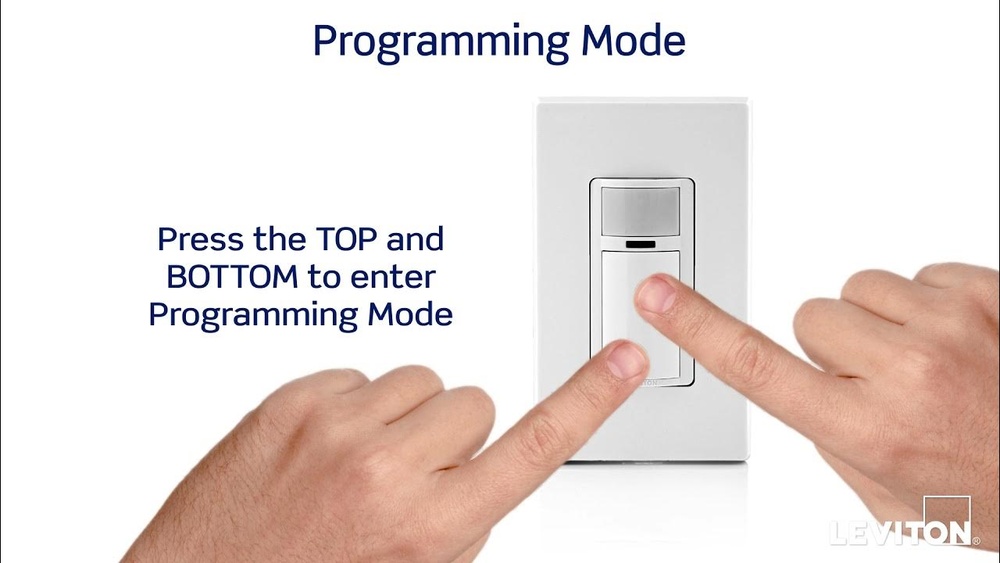
Dimmer switches adjust light brightness. They can control multiple lights if the total wattage is safe. Dimmers help save energy and set moods. Not all bulbs work with dimmers. Check bulb type before installing to avoid flicker or damage.
Smart Switches
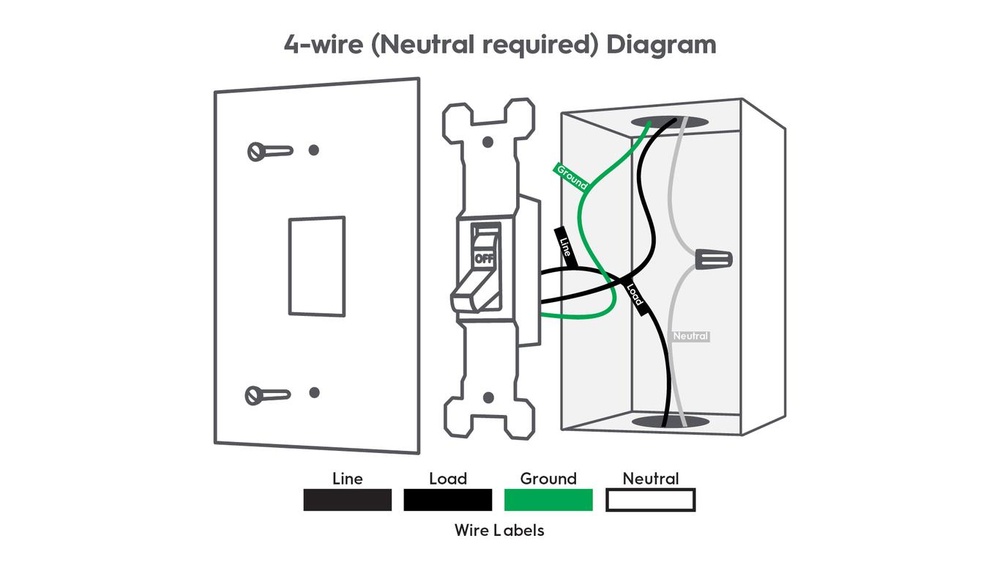
Smart switches offer remote control and automation. They often control several lights at once. Some models connect to voice assistants or apps. Smart switches improve convenience and energy use. Installation may require extra wiring or a neutral wire.
Calculating Load For Multiple Lights
Calculating the load for multiple lights on a single switch is important for safety and efficiency. Knowing the load helps prevent overloading the circuit and tripping breakers. It also ensures the wiring and switch can handle the electrical demand. This section breaks down the basics to help you understand how to calculate the load for several lights.
Wattage And Amperage Basics
Every light bulb has a wattage rating. Wattage shows how much power the bulb uses. For example, a 60-watt bulb uses 60 watts of power. To find the total wattage, add the wattage of all bulbs on the switch.
Amperage measures the flow of electricity. To calculate amperage, divide the total wattage by the voltage of your home. Most homes use 120 volts. For example, 600 watts divided by 120 volts equals 5 amps.
Circuit Breaker Limits
Circuit breakers protect your home from electrical fires. Each breaker has a maximum amperage rating, usually 15 or 20 amps. The total amperage of the lights on a switch must be less than the breaker’s rating. This keeps the circuit safe and prevents tripping.
Check the breaker rating before adding more lights. Overloading the breaker can cause power loss or damage.
Safety Margins
Leave a safety margin to avoid risks. Use only 80% of the circuit breaker’s capacity. For example, on a 15-amp breaker, use a maximum of 12 amps.
This margin helps prevent overheating and electrical faults. It also allows room for other devices on the same circuit.
Tips For Perfect Lighting Setup
Setting up the right lighting in your home or office is important. It helps create a comfortable space and makes tasks easier. Use these tips to find the perfect balance of light for each room. Focus on function, mood, and saving energy.
Balancing Function And Ambience
Think about what you need the light for. Bright lights help with work or reading. Soft lights create a calm mood for relaxing. Use switches that control multiple lights. This way, you can adjust brightness easily. Combine overhead lights with lamps for flexibility.
Using Zones And Scenes
Divide your room into zones. Each zone can have its own light switch. For example, a dining area and a lounge area can have separate controls. Use scene settings to change lights with one touch. Scenes can set bright light for cleaning or dim lights for watching TV. This setup adds convenience and style.
Energy Efficiency Considerations
Choose LED bulbs to save electricity. LEDs use less power and last longer than traditional bulbs. Use dimmer switches to lower light levels and save energy. Turn off lights in empty rooms. Smart switches can automate this process. Efficient lighting cuts bills and helps the environment.

Credit: www.amazon.com
Troubleshooting Common Issues
Troubleshooting common issues with lights and switches helps keep your home safe and bright. Knowing what causes problems saves time and money. This section covers three frequent problems: flickering lights, overloaded circuits, and switch malfunctions. Each issue has simple fixes you can try.
Flickering Lights
Flickering lights annoy and may signal a problem. Loose bulbs or poor connections often cause flickers. Check if the bulb is screwed in tightly. Replace old bulbs with new ones to see if flickering stops. Sometimes, a faulty light fixture or switch creates flicker. If flickering continues, call an electrician to inspect wiring.
Overloaded Circuits
Overloaded circuits happen when too many lights or devices use one switch or breaker. This causes breakers to trip or lights to dim. Spread lights across different switches to reduce load. Avoid using high-power devices on the same circuit as many lights. Upgrade your circuit breaker if frequent overloads occur. This keeps your electrical system safe and stable.
Switch Malfunctions
Switch malfunctions stop lights from turning on or off properly. Dirt, wear, or loose wiring inside the switch often causes problems. Turn off power before inspecting switches. Tighten screws and clean contacts gently. Replace old or broken switches with new ones for better function. Faulty switches can cause safety risks, so fix them quickly.
Frequently Asked Questions
How Many Lights Can One Switch Control?
A single switch can control multiple lights, but usually 3 to 5 is ideal. Exceeding this can cause overload or dimming issues.
Does Switch Type Affect The Number Of Lights Controlled?
Yes, different switches like dimmers or smart switches have varying load capacities. Always check the switch rating before connecting multiple lights.
Can One Switch Control Lights In Different Rooms?
Technically possible but not recommended due to wiring complexity and safety. Usually, switches control lights within the same room or area.
What Is The Maximum Wattage Per Switch?
Most standard switches support up to 600 watts. Exceeding this can cause overheating and damage to the switch or circuit.
Conclusion
Choosing the right number of lights per switch keeps your space bright and functional. Too many lights can overload the switch and cause problems. Too few lights may leave areas dim and less useful. Think about the room size and what you use it for.
Plan your switches to control lights easily and safely. This makes your home comfortable and energy efficient. Simple steps help you make smart lighting choices. Light your home well, without stress or confusion.