Have you ever struggled to pull up stubborn shrubs from your garden? It can be tough work that leaves you feeling frustrated and tired.
But what if you could make this task much easier with a simple tool you might already have—a floor jack? You’ll discover how to use a floor jack to lift and remove shrubs quickly and safely, saving you time and effort.
Keep reading, and you’ll learn a smart, effective way to tackle your yard work like a pro.
Tools Needed
Pulling up shrubs with a floor jack is easier with the right tools. Choosing proper equipment makes the job safer and faster. Prepare all items before starting to avoid interruptions.
Choosing The Right Floor Jack
Select a floor jack that lifts enough weight. Most shrubs need a jack with at least a 2-ton capacity. Check the jack’s height range to reach under the shrub base. A hydraulic floor jack works best for steady lifting. Avoid small or worn-out jacks that may fail during use.
Additional Equipment
Gather extra tools to protect the shrub and yourself. Use wooden blocks to place between the jack and shrub stem. This prevents damage and spreads pressure evenly. Gloves protect your hands from dirt and sharp branches. A shovel helps loosen soil around roots before lifting. Safety goggles keep debris out of your eyes during the process.
Preparing The Shrub
Preparing the shrub properly makes pulling it up easier and safer. It helps protect the plant and your tools. This stage sets the foundation for a smooth removal process.
Clearing The Area
Remove all debris, rocks, and branches around the shrub. Clear space for the floor jack to fit and work well. Keep pets and children away for safety. Clean surroundings prevent accidents and make the job faster.
Loosening The Soil
Loosen the soil around the shrub’s base with a garden fork or shovel. Break up compacted earth to reduce resistance during pulling. Water the soil a few hours before to soften it. Soft soil helps the floor jack lift the shrub easily.
Setting Up The Floor Jack
Setting up the floor jack correctly is key to pulling up shrubs safely and easily. Take your time with this step. A good setup helps avoid damage to the shrub and keeps you safe. Follow the instructions below to position the jack and secure the shrub properly.
Positioning The Jack
Place the floor jack on firm, level ground near the shrub. Avoid soft or uneven surfaces. The jack must be stable to lift the shrub smoothly. Position the jack’s saddle under the main root ball or base of the shrub trunk. Check that the jack is centered to distribute pressure evenly. This prevents the shrub from tipping or breaking.
Securing The Shrub
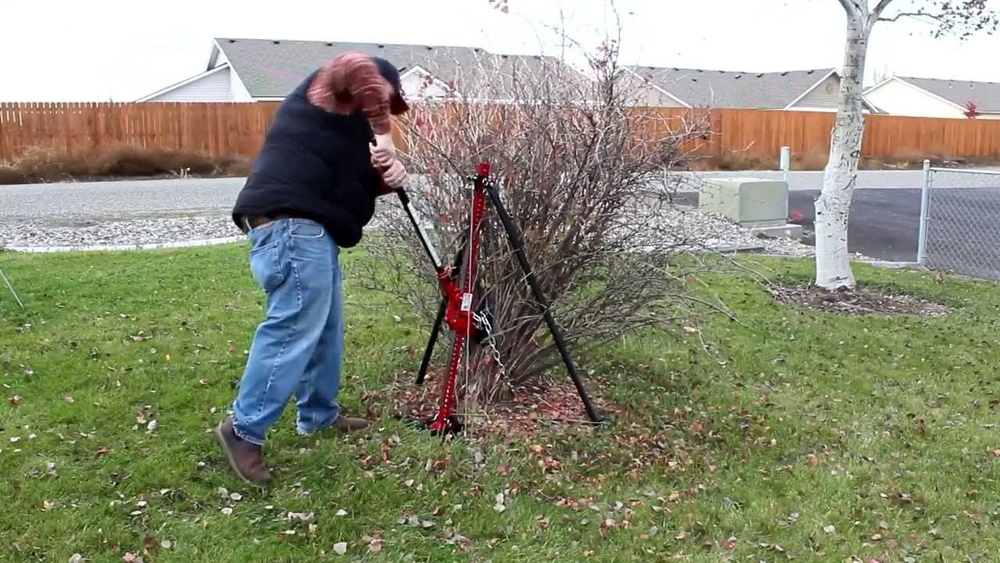
Tie the shrub trunk or sturdy branches to the jack using strong rope or straps. Make sure the ties are tight but do not damage the bark. Secure the ties to the jack’s lifting arm or saddle firmly. This keeps the shrub steady while lifting. Double-check all knots and connections before you start pumping the jack.

Credit: www.youtube.com
Lifting The Shrub
Lifting a shrub with a floor jack makes the task easier and safer. This method helps to loosen the roots gently without damaging the plant. It also reduces the effort needed to pull up the shrub. Proper lifting is key to a successful transplant or removal.
Understanding how to use the floor jack correctly is important. You need to lift the shrub steadily and carefully. This prevents injury and protects the shrub’s root system.
Operating The Jack Safely
Place the jack base firmly on solid ground. Position the jack’s lifting pad under the shrub’s root ball. Turn the handle slowly to begin lifting. Keep your hands clear of moving parts. Do not rush the lifting process. Stop if the shrub feels unstable. Use gloves to protect your hands. Make sure the jack is straight and steady.
Monitoring The Lift
Watch the shrub as it rises from the ground. Check for any signs of tilting or slipping. Stop lifting if the shrub moves unevenly. Look for root damage or soil breaking apart. Adjust the jack’s position if needed. Keep the lift slow and steady. This helps keep the shrub healthy and intact. Always stay alert during the entire process.
Removing The Shrub
Removing a shrub using a floor jack makes the task easier and safer. The key is to lift the shrub carefully without damaging nearby plants or structures. This method helps pull the shrub out with its roots intact, making replanting possible or waste disposal simpler. Follow the right steps to ensure success and protect your garden.
Extracting The Roots
Start by loosening the soil around the shrub. Use a shovel or garden fork to dig a circle around the base. This breaks the soil and exposes the roots. Place the floor jack under the root ball carefully. Pump the jack slowly to lift the shrub. Check for any stuck roots and loosen them gently. Keep lifting until the shrub is free from the ground.
Handling The Uprooted Shrub
After pulling out the shrub, place it on a tarp or wooden board. This prevents root damage and soil loss. Wrap the roots with burlap or a damp cloth to keep them moist. Avoid leaving roots exposed to air for long. Move the shrub to its new location or prepare it for disposal. Handle the shrub gently to avoid breaking branches or roots.
Credit: www.reddit.com
Aftercare Tips
After using a floor jack to pull up shrubs, proper care helps the plants recover well. This care supports new growth and keeps the plants healthy. Follow these tips to give your shrubs the best start after transplanting.
Replanting Advice
Choose a spot with similar sunlight and soil conditions as before. Dig a hole twice as wide as the shrub’s root ball. Place the shrub gently into the hole, keeping roots spread out. Fill the hole with soil, pressing it down lightly. Water the shrub deeply right after planting. Keep watering regularly, especially during dry days. Mulch around the base to keep moisture and reduce weeds.
Soil Restoration
Loosen the soil where the shrub was removed. Mix in compost or organic matter to restore nutrients. Avoid compacting the soil to help roots grow easily. Test the soil pH to ensure it fits the shrub’s needs. Add fertilizer if the soil lacks important nutrients. Keep the area free of weeds to reduce competition. Healthy soil supports strong, thriving plants.
Common Mistakes To Avoid
Using a floor jack to pull up shrubs can save time and effort. Yet, mistakes can cause damage or make the job harder. Avoiding common errors helps protect your plants and tools. Below are key mistakes to watch out for during this process.
Overloading The Jack
Do not use a jack beyond its weight limit. Every floor jack has a maximum load capacity. Overloading can break the jack or cause sudden failure. This leads to injury or damage to the shrub. Always check the jack’s rating before starting. Use a jack strong enough for the shrub size.
Damaging The Roots
Pulling without care can harm the shrub’s roots. Roots are vital for the plant’s survival and growth. Avoid pulling too fast or at the wrong angle. Use gentle, steady pressure to loosen the shrub. Dig around the base to free roots before lifting. This reduces the risk of tearing or breaking roots.

Credit: www.instructables.com
Frequently Asked Questions
How Do You Use A Floor Jack To Pull Up Shrubs?
Place the floor jack under the shrub’s root ball carefully. Slowly pump the jack to lift and loosen the shrub. This method reduces soil disturbance and helps remove the shrub with minimal damage.
What Safety Precautions Are Needed When Using A Floor Jack?
Always wear gloves and safety glasses. Ensure the jack is on stable, level ground. Do not rush the lifting process to avoid sudden slips or damage.
Can A Floor Jack Damage Shrub Roots?
If used carefully, a floor jack minimizes root damage. Lift slowly and evenly to avoid breaking roots. Proper technique helps preserve the shrub for replanting.
What Size Floor Jack Works Best For Shrubs?
A small to medium hydraulic floor jack works best. It provides enough lifting power without being too bulky. Choose a jack with a lifting capacity suitable for the shrub’s weight.
Conclusion
Pulling up shrubs with a floor jack is simple and effective. It saves time and reduces hard work. Always take safety steps before starting. Use steady, slow pressure to avoid damage. This method works well for many shrub types. Try it next time you need to remove a shrub.
You will find the process easier than expected. Keep practicing to improve your technique. Gardening tasks become smoother with the right tools.