If you use a floor jack regularly, you know how important it is to keep it working smoothly. But what happens when your jack starts to lose its power or won’t lift like it used to?
Knowing how to recharge a floor jack can save you time, money, and frustration. In this guide, you’ll learn simple steps to restore your jack’s strength and keep your projects moving without a hitch. Ready to bring your floor jack back to life?
Let’s dive in and make sure you’re never stuck when you need it most.
Types Of Floor Jacks
Floor jacks help lift heavy vehicles safely for repairs and maintenance. They come in different types, each with unique features and uses. Understanding these types helps you choose the right jack for your tasks. Here are the main types of floor jacks you may encounter.
Hydraulic Floor Jacks
Hydraulic floor jacks use fluid pressure to lift vehicles easily. They have a pump handle that moves oil inside a cylinder. This action raises the lifting arm smoothly and with less effort. These jacks work well for most cars and trucks. They offer strong lifting power and stability. Regular checks of the hydraulic fluid keep them working well.
Electric Floor Jacks
Electric floor jacks use a motor to lift the vehicle. They plug into a power source or use a battery. These jacks save time and reduce physical effort. Many models have remote controls for easy operation. They suit people who want convenience and quick lifting. Keep the battery charged or the power connected to avoid interruptions.
Manual Floor Jacks
Manual floor jacks rely on physical force to lift vehicles. Users pump a handle or twist a screw to raise the load. These jacks are simple and do not need power. They are lighter and easier to carry. Manual jacks work best for light vehicles or occasional use. Regular lubrication helps keep the moving parts smooth.

Credit: www.youtube.com
Signs Your Floor Jack Needs Recharging
Knowing when your floor jack needs recharging helps keep it working well. Ignoring signs can lead to damage or unsafe lifting. Watch for these common symptoms to know when to recharge your floor jack.
Slow Lifting Speed
Your floor jack lifts slower than usual. It takes more pumps to raise the load. This happens when hydraulic fluid is low or air is trapped inside. Slow lifting means the jack needs attention soon.
Reduced Lifting Height
The jack no longer lifts as high as before. The arm stops before reaching the full height. This signals a lack of hydraulic pressure. Low fluid levels often cause reduced lifting height.
Visible Fluid Leaks
Check for oil spots under the jack or on its body. Leaking hydraulic fluid reduces pressure inside the jack. Fluid leaks also damage the internal parts. Spotting leaks early prevents bigger problems.
Tools And Materials Required
Before starting to recharge a floor jack, gather all necessary tools and materials. Having everything ready saves time and makes the process smooth. Below are the key items you will need.
Hydraulic Fluid
Hydraulic fluid is essential to refill the jack’s system. Use the type recommended in the jack’s manual. Avoid mixing different fluids. Clean, pure fluid ensures proper functioning and prevents damage.
Wrenches And Screwdrivers
Wrenches and screwdrivers help open the jack’s reservoir and remove caps. Choose sizes that fit your floor jack parts. Keep tools handy to avoid interruptions during the refill process.
Safety Gear
Wear safety gloves to protect your hands from fluid spills. Use safety glasses to shield your eyes. Proper gear prevents injuries and keeps you safe while working.

Credit: www.wikihow.com
Step-by-step Recharge Process
Recharging a floor jack is important to keep it working well. Old hydraulic fluid can get dirty or lose power. Changing the fluid helps the jack lift smoothly and safely. This step-by-step process guides you through each part of recharging your floor jack.
Prepare The Floor Jack
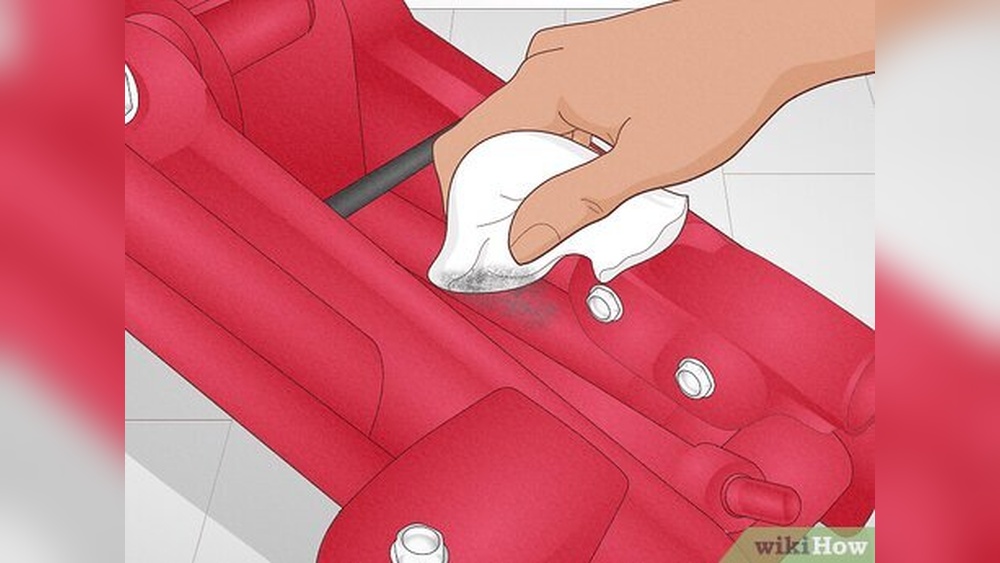
Place the floor jack on a flat surface. Make sure it is clean and dry. Wear gloves to protect your hands. Find the hydraulic fluid fill plug or cap. Have a container ready to catch old fluid.
Drain Old Hydraulic Fluid
Open the release valve to lower the jack fully. Remove the fill plug carefully. Tilt the jack to drain the old fluid into the container. Let all the fluid empty out. Dispose of old fluid properly.
Refill With New Fluid
Use the recommended hydraulic fluid for your jack. Pour the new fluid slowly into the fill hole. Fill until the fluid reaches the correct level. Avoid overfilling to prevent leaks. Replace the fill plug tightly.
Bleed Air From The System
Open the release valve slightly. Pump the jack handle several times. This pushes air bubbles out of the system. Close the release valve. Check the fluid level again and add if needed.
Test The Floor Jack
Lift the jack slowly and watch its movement. It should rise smoothly without jerks. Lower the jack and repeat a few times. Make sure it holds weight firmly. Your floor jack is now recharged and ready.
Maintenance Tips For Longevity
Proper maintenance helps your floor jack last longer and work better. Small actions done regularly keep it safe and efficient. This section covers key tips to maintain your floor jack properly.
Regular Fluid Checks
Check the hydraulic fluid often. Low fluid causes poor lifting and damage. Use the correct type of fluid for your jack. Fill it to the recommended level only. Avoid overfilling as it may cause leaks. Replace old fluid to keep the system clean.
Proper Storage
Store your floor jack in a dry place. Avoid damp or dusty areas. Clean the jack before storing to remove dirt and grease. Keep it in a low position to release pressure. Cover it to protect from dust and moisture. Proper storage prevents rust and wear.
Routine Inspections
Look over the jack before each use. Check for cracks, leaks, or worn parts. Test the lifting and lowering function carefully. Tighten loose bolts and nuts. Replace damaged parts quickly to avoid accidents. Routine checks keep your jack safe and reliable.
Common Issues And Troubleshooting
Floor jacks can face some common problems during use. Knowing these issues helps you fix them quickly. This saves time and keeps your jack working well.
Below are typical problems and easy ways to troubleshoot them. Understanding these tips helps you maintain your floor jack safely and effectively.
Jack Not Lifting
If the jack does not lift, check the hydraulic fluid level first. Low fluid stops the jack from working properly. Fill the reservoir with the correct hydraulic oil.
Also, inspect the release valve. If it is open or damaged, the jack will not lift. Close or replace the valve to restore function.
Look for air trapped in the system. Air can stop the jack from lifting. Bleed the jack to remove air bubbles and improve lifting power.
Fluid Leaks
Fluid leaks are common with older or damaged jacks. Check seals and hoses for cracks or wear. Replace any worn parts to stop leaks.
Keep the fluid reservoir cap tight. A loose cap can cause leaks or contamination. Clean the area before sealing the cap.
Leaking fluid lowers hydraulic pressure. This weakens the jack’s lifting ability. Fix leaks promptly to maintain strong lifting force.
Airlocks In Hydraulic System
Airlocks happen when air enters the hydraulic system. This causes the jack to feel spongy or fail to lift.
Bleed the system to clear airlocks. Open the release valve slightly while pumping the handle. Repeat until the jack lifts smoothly.
Check for worn seals or loose fittings. These allow air inside. Replace parts to prevent airlocks and keep the jack working well.

Credit: www.youtube.com
Frequently Asked Questions
How Often Should I Recharge A Floor Jack?
Recharge your floor jack when it shows slow lifting or sinking. Regular checks every 6 months keep it efficient and safe.
What Type Of Fluid Is Best For Recharging?
Use high-quality hydraulic jack oil specified by the manufacturer. Avoid using brake fluid or motor oil, as they can damage the jack.
Can I Recharge A Floor Jack Without Removing It?
No, you should remove the jack from heavy loads before recharging. Always place it on a flat surface and follow safety steps.
How Do I Remove Old Fluid From The Jack?
Open the release valve and drain the old fluid into a container. Dispose of used hydraulic oil according to local regulations.
Conclusion
Recharging a floor jack keeps it working well and safe. Follow each step carefully for best results. Use the right tools and oil to avoid damage. Check for leaks or worn parts regularly. Taking care of your jack saves money and time.
Keep your floor jack ready for any lifting task. Simple maintenance helps it last longer and work smoothly. A well-maintained floor jack makes your work easier. Stay safe and confident with a fully charged jack.