Are you dealing with a sagging basement floor or uneven support beams? Installing basement floor jacks might be the solution you need to stabilize your space and prevent further damage.
This guide will walk you through simple, step-by-step instructions to help you install these jacks safely and effectively. By the end, you’ll have the confidence to take control of your basement’s stability and protect your home’s foundation. Keep reading to discover how easy it can be to strengthen your basement floor with the right tools and know-how.
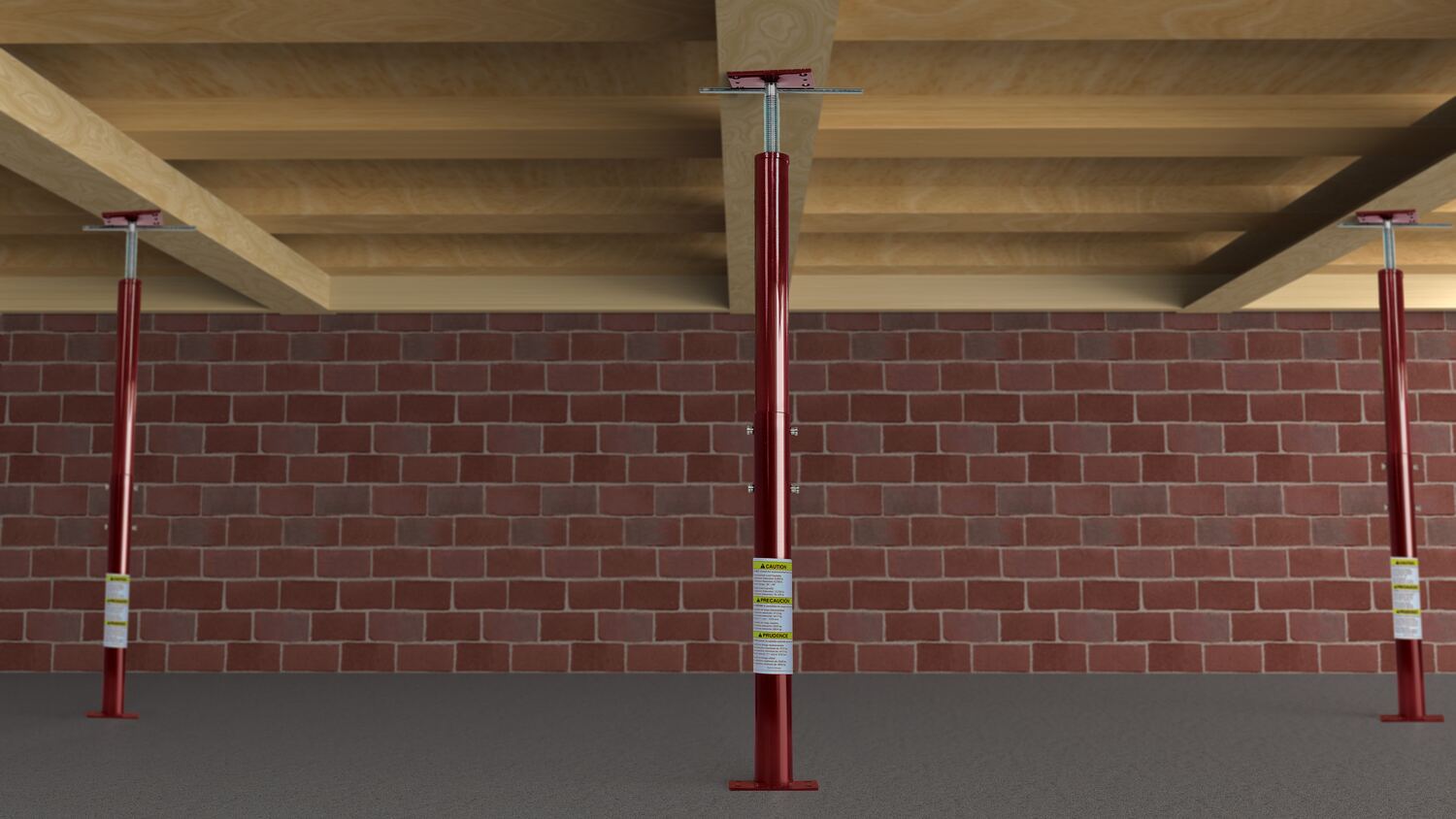
Credit: www.vestil.com
Preparing The Basement
Preparing the basement is the first step before installing floor jacks. This stage ensures a safe and smooth installation process. Proper preparation helps avoid problems and keeps the work area organized. Follow these key steps to prepare your basement effectively.
Clearing The Work Area
Remove all furniture, boxes, and debris from the basement floor. Clear space allows easy access to the floor and joists. It also reduces the risk of accidents during installation. Sweep the floor to remove dust and dirt. A clean area makes the job quicker and safer.
Inspecting The Floor And Joists
Check the basement floor for cracks or uneven spots. Note any areas that seem weak or damaged. Inspect the joists above for signs of rot or cracks. Mark any problem spots to address before installing the jacks. This step prevents future structural issues.
Gathering Necessary Tools And Materials
Collect all tools needed for the job, such as a drill, wrench, and level. Get the floor jacks, screws, and any support beams ready. Having everything on hand saves time and effort. Prepare safety gear like gloves and goggles too. Being ready helps the installation go smoothly.
Choosing The Right Floor Jacks
Choosing the right basement floor jacks is key to a safe and strong foundation. The right jack supports your basement floor and stops further damage. You must think about type, strength, and material. These factors affect how well the jacks work and how long they last.
Types Of Basement Floor Jacks
There are several types of floor jacks for basements. Screw jacks are common and easy to adjust. Hydraulic jacks use fluid pressure for heavy loads. Mechanical jacks work with gears and levers. Choose a type that fits your basement’s needs and space.
Load Capacity Considerations
Load capacity means how much weight a jack can hold. Check the weight of your basement floor and any extra loads. Pick jacks that can support more than this weight. This ensures safety and prevents the jacks from failing over time.
Materials And Durability
Floor jacks come in steel, aluminum, and other metals. Steel jacks are strong and last long. Aluminum jacks are lighter but may wear faster. Choose materials that resist rust and corrosion. Durable jacks save money and reduce maintenance needs.
Measuring And Marking Installation Points
Measuring and marking the installation points is the first step in installing basement floor jacks. Accurate measurements ensure the jacks support the floor properly. This process helps avoid mistakes and saves time. Take your time to measure carefully and mark the spots clearly.
Identifying Weak Spots
Look for areas where the floor feels soft or uneven. These weak spots need extra support. Walk around the basement and press the floor to find sagging parts. Check for cracks or signs of water damage. Mark these areas with a pencil or chalk.
Marking Joist Locations
Joists are the wooden beams that hold up the floor. Locate them by tapping the floor and listening for solid sounds. Use a stud finder for more accuracy. Mark each joist line on the floor with a straight edge and pencil. This helps place the jacks directly under the joists.
Spacing Guidelines
Space the floor jacks evenly for balanced support. Usually, place them 4 to 6 feet apart along each joist. Avoid placing jacks too close or too far from each other. Follow manufacturer instructions for specific spacing needs. Proper spacing keeps the floor stable and safe.

Credit: oldhousecrazy.com
Installing The Floor Jacks
Installing basement floor jacks is a key step to support and stabilize your floor joists. The process requires careful placement and adjustment to ensure safety and durability. Proper installation helps prevent sagging and structural damage.
Follow clear steps to position, adjust, and secure the jacks correctly. Each part plays a vital role in creating a strong support system.
Positioning The Base Plates
Start by placing the base plates on a solid, level surface. Ensure the plates sit flat to distribute weight evenly. Position them directly under the joists needing support. Space the base plates according to the size of the joists and the area that needs lifting.
Adjusting Jack Height
Turn the jack screw to raise or lower the support post. Adjust height until the jack fits snugly between the base plate and the joist. Avoid forcing the joist upward too quickly. Make small adjustments to prevent damage and ensure stability.
Securing Jacks To Joists
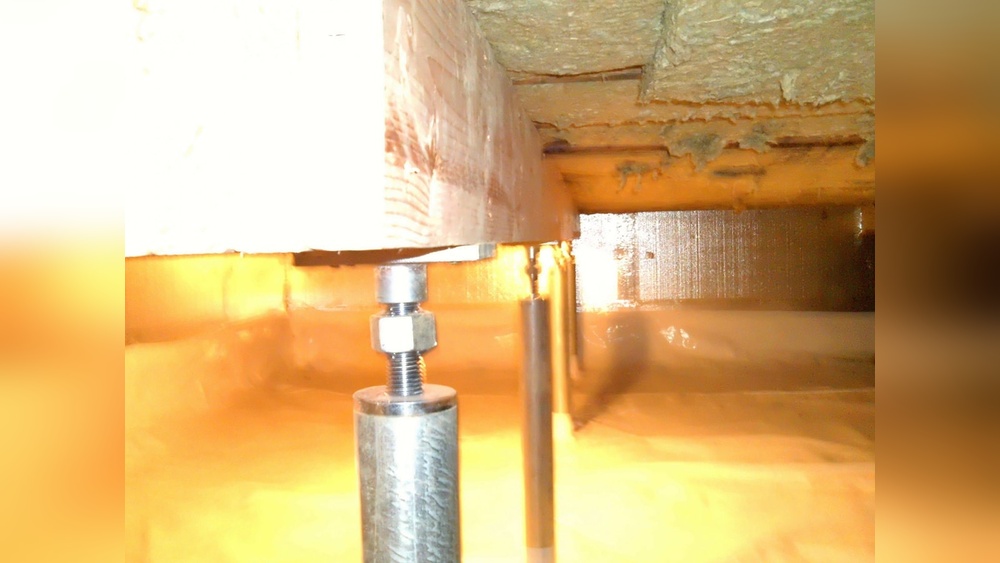
Use sturdy screws or bolts to attach the jack head firmly to the joist. Secure connections prevent movement or slipping over time. Check that the jack remains vertical and tight after securing. This step ensures the floor jack provides consistent support.
Leveling And Testing Stability
Leveling and testing stability are key steps in installing basement floor jacks. These steps ensure the jacks support your floor safely and evenly. Taking time here prevents future problems like uneven floors or structural damage. Follow clear steps to check and adjust the jacks.
Fine-tuning Jack Height
Start by adjusting each jack’s height carefully. Turn the screw or handle slowly for small changes. Aim for a snug fit between the jack and the floor above. Avoid forcing the jack too high, which can cause stress. Small, gradual adjustments work best for proper support.
Checking Floor Level
Use a level tool across the jacks to check the floor. Place the level on the floor beams or joists near the jacks. Look for any tilt or slant in the level bubble. Adjust the jacks until the bubble centers perfectly. This step ensures the floor stays flat and stable.
Ensuring Structural Support
Confirm the jacks rest on solid surfaces like concrete or strong wood. Avoid placing jacks on loose dirt or weak materials. Check the floor above for any signs of sagging or gaps. Proper support prevents shifting and keeps your basement safe. Double-check all jacks for firmness before finishing.
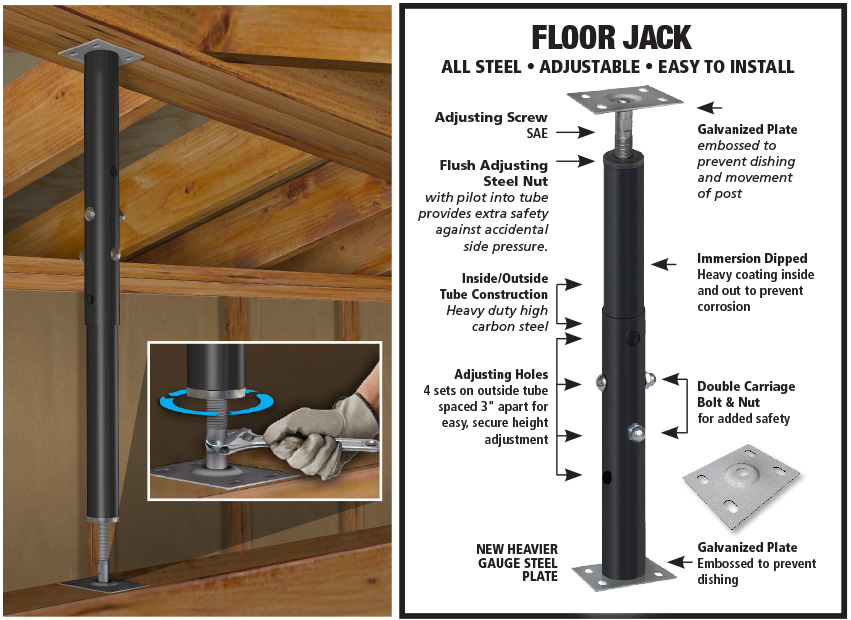
Credit: akronproducts.com
Maintenance And Safety Tips
Proper maintenance and safety are key to keeping your basement floor jacks working well. Regular care helps avoid damage and keeps the jacks safe to use. Follow these simple tips to protect your investment and ensure safety during operation.
Regular Inspection
Check your floor jacks often. Look for cracks, bends, or loose parts. Make sure all bolts and screws are tight. Inspect the jack’s base for any signs of damage. Early detection can prevent bigger problems.
Preventing Rust And Wear
Keep your jacks dry and clean. Wipe off dirt and moisture after each use. Use a light oil on metal parts to stop rust. Store the jacks in a dry place to avoid wear and tear. Rust can weaken the jack and cause failure.
Safety Precautions During Use
Always use floor jacks on a flat, stable surface. Never exceed the weight limit of the jack. Use jack stands to support the load after lifting. Never place any part of your body under a lifted load. Follow the manufacturer’s instructions carefully.
Frequently Asked Questions
What Tools Are Needed To Install Basement Floor Jacks?
You need a hammer drill, masonry bit, wrench, level, and safety gear. These tools help you drill holes and securely fasten the jacks to the floor.
How Do Basement Floor Jacks Prevent Foundation Damage?
They provide adjustable support to stabilize and lift sinking floors. This reduces cracks and structural damage by redistributing the load evenly.
Can I Install Basement Floor Jacks Myself Safely?
Yes, with proper tools and instructions, DIY installation is possible. Follow safety guidelines, work carefully, and ensure jacks are securely anchored for best results.
How Often Should Basement Floor Jacks Be Checked?
Inspect them every 6 to 12 months to ensure stability. Regular checks prevent unexpected failures and keep your foundation supported effectively.
Conclusion
Installing basement floor jacks can be simple with clear steps. Take your time to measure and place each jack carefully. Use the right tools and follow safety tips closely. Check each jack to make sure it holds steady. This helps prevent future problems and keeps your basement stable.
With patience and care, your floor will stay strong for years. Keep these tips in mind for a safe, solid basement floor.