Are you planning to add shelves to your space but unsure what to use for shelf brackets? Choosing the right brackets is more important than you might think.
They don’t just hold up your shelves—they can make your whole room look better and keep everything safe and sturdy. You’ll discover simple tips and smart choices that fit your style and needs perfectly. Keep reading, and you’ll find the perfect shelf brackets that make your shelves strong, stylish, and exactly what you want.
Popular Shelf Bracket Materials
Shelf brackets come in many materials. Each type has unique features and benefits. Choosing the right material helps support your shelves and fits your style. Here are some popular materials used for shelf brackets.
Wood Types And Benefits
Wood brackets offer a classic and warm look. Common woods include pine, oak, and maple. Pine is affordable and easy to paint. Oak and maple are stronger and last longer. Wooden brackets work well in traditional and rustic rooms. They can be carved or shaped for decoration. Wood is also easy to install with basic tools.
Metal Varieties For Strength
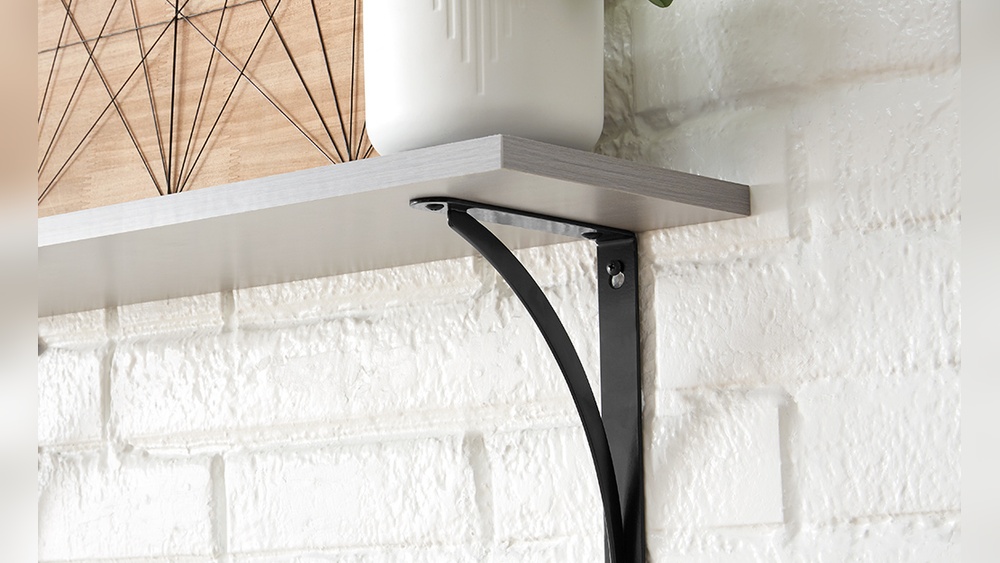
Metal brackets provide strong and durable support. Steel and iron are popular metals for heavy loads. Aluminum is lighter but still sturdy. Metal brackets suit modern and industrial styles. They often come in black, silver, or bronze finishes. Metal can hold more weight than wood or plastic. They are also resistant to damage and wear.
Plastic Options And Uses
Plastic brackets are lightweight and affordable. They work best for small shelves or light items. Plastic brackets come in many colors and shapes. They resist moisture, making them good for bathrooms. Plastic is easy to clean and does not rust. These brackets are simple to install and replace.
Glass Brackets For Modern Looks
Glass brackets create a sleek and modern feel. They blend well in minimalist and elegant spaces. Glass brackets are usually clear or frosted. They show off the shelf and items without distraction. Glass is fragile, so these brackets suit light shelves. They add a stylish touch without heavy appearance.

Credit: chalkingupsuccess.com
Durability Factors
Choosing the right shelf brackets depends a lot on durability factors. These factors ensure your shelves hold strong over time. Understanding them helps pick the best material and design. Let’s explore the key durability aspects to consider for shelf brackets.
Resistance To Weight And Pressure
Shelf brackets must support the weight placed on them. Different materials handle pressure in different ways. Metal brackets usually hold heavy items better than plastic. Wood brackets can also be strong but depend on thickness. Always check the weight limit before buying brackets. This prevents bending or breaking under heavy loads.
Moisture And Corrosion Resistance
Moisture can damage shelf brackets, especially in kitchens and bathrooms. Metal brackets may rust if not coated properly. Stainless steel or powder-coated brackets resist corrosion well. Plastic brackets do not rust but may weaken over time. Wood brackets need sealing to avoid water damage and warping.
Impact Of Environmental Conditions
Environmental factors like temperature and humidity affect bracket durability. High humidity can cause metal to rust and wood to swell. Direct sunlight may fade or weaken some materials. Indoor use usually means fewer problems with weather. Outdoor shelves require brackets designed for harsh conditions.
Style Considerations
Choosing the right shelf brackets is more than just strength and size. Style plays a big role in how the shelves look. The brackets should fit well with the room’s design. This helps the shelves blend in or stand out as a feature.
Think about the overall feel of the space. The style of brackets can match or contrast with the furniture and walls. This adds harmony or interest to the room. Picking the right style makes the shelves part of the decor.
Matching Brackets With Interior Themes
Modern rooms often suit simple, clean brackets. Look for straight lines and smooth shapes. For rustic or farmhouse styles, wooden or wrought iron brackets work well. They add warmth and charm to the space. Vintage or classic rooms pair nicely with ornate, detailed brackets. Choose designs that echo the period’s look. Matching brackets with the room’s style creates a balanced, pleasing look.
Finishes And Colors
Bracket finishes affect the room’s mood. Matte black or bronze finishes add a bold, modern touch. Bright metals like chrome or brass give a sleek, polished look. Painted brackets can match or contrast with the wall color. White or neutral tones blend in quietly. Colored brackets add a fun pop to a plain wall. Select a finish and color that fit the room’s vibe and your personal taste.
Custom And Decorative Designs
Custom brackets offer unique shapes and styles. They can be made to fit special themes or needs. Decorative brackets feature scrolls, patterns, or cut-outs. These add character and style to plain shelves. They can turn simple shelves into eye-catching displays. Choose decorative brackets to make the shelves a focal point. Custom designs allow for personal expression and creativity in your space.

Credit: aprettyfix.com
Installation Tips By Material
Choosing the right shelf brackets is only half the job. Installing them properly ensures strength and safety. Different materials need different handling. This section shares simple tips for installing wood, metal, plastic, and glass brackets. Follow these steps for a secure and lasting shelf.
Mounting Wood Brackets Securely
Wood brackets need strong support. Use a stud finder to locate wall studs. Screw the brackets directly into the studs for best hold. Use long wood screws to avoid loosening over time. Pre-drill holes to prevent wood from splitting. Check that brackets sit flush against the wall. Tighten screws firmly but avoid over-tightening to protect the wood.
Anchoring Metal Brackets
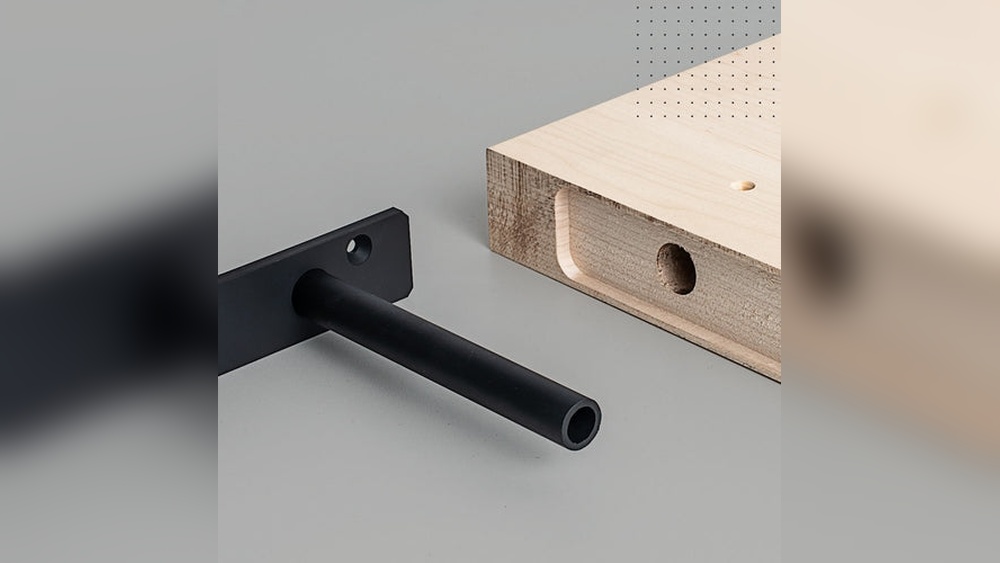
Metal brackets require solid anchors for stability. Use wall plugs or anchors rated for the wall type. For drywall, use toggle bolts or molly bolts for extra strength. Align brackets carefully and mark drill spots. Drill holes slightly smaller than the anchors. Push anchors into holes and then screw the brackets in place. Test the brackets by applying gentle pressure before loading shelves.
Handling Plastic And Glass Brackets
Plastic and glass brackets are delicate. Avoid heavy loads to prevent damage. Use anchors designed for lighter weights. Drill holes carefully to avoid cracks. Clean the surface before installation for better grip. Use screws that fit the bracket holes exactly. Do not overtighten screws to avoid breaking the bracket. Handle glass brackets with care during installation to prevent chips or cracks.
Cost And Maintenance
Choosing the right shelf brackets depends on cost and maintenance needs. These factors affect how much you spend and how long the brackets last. Knowing what to expect helps you pick the best option for your budget and use.
Price Ranges For Common Materials
Wood brackets usually cost between $5 and $20 each. Metal brackets range from $10 to $40. Plastic brackets are the cheapest, about $3 to $15. Fancy designs or stronger metals can cost more. Simple styles keep expenses low.
Upkeep And Longevity
Wood brackets need occasional cleaning and sealing to avoid damage. Metal brackets resist wear but may rust without coating. Plastic brackets require little care but can crack over time. Regular checks keep shelves safe and sturdy.
When To Replace Shelf Brackets
Replace brackets if they bend or crack. Rust or peeling paint means metal brackets need changing. Loose brackets that do not tighten can cause accidents. Better to replace early than risk shelf collapse.
:max_bytes(150000):strip_icc()/installing-wall-shelves-with-standards-139829-hero-820eb376acea4a5db9c74876dd52955c.jpg)
Credit: www.thespruce.com
Frequently Asked Questions
What Materials Are Best For Durable Shelf Brackets?
Metal brackets, like steel or aluminum, offer strong support and durability. Wooden brackets add aesthetic value but suit lighter loads. Plastic brackets are less durable but affordable for light usage. Choose materials based on weight needs and style preferences.
How To Choose The Right Size For Shelf Brackets?
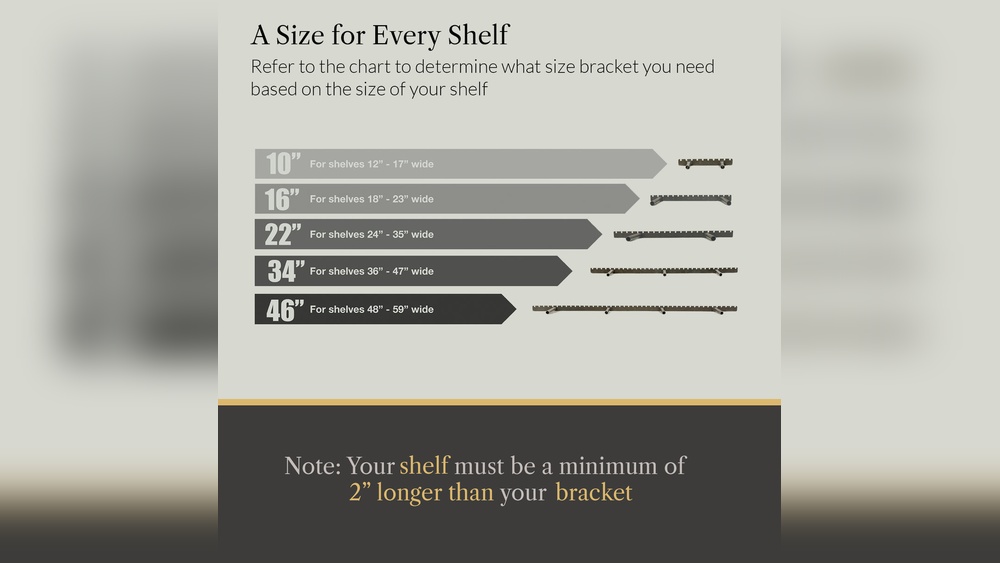
Measure the shelf depth and weight capacity before selecting brackets. Brackets should be at least two-thirds the shelf’s depth for stability. Always check the weight rating to ensure the brackets can support your intended load safely.
Can Shelf Brackets Support Heavy Items Safely?
Yes, heavy-duty metal brackets with proper wall anchors can support heavy items. Steel and iron brackets are ideal for heavy loads. Always install brackets securely into studs for maximum safety and stability.
Are Decorative Shelf Brackets Functional And Strong?
Decorative brackets can be both attractive and sturdy. Choose metal designs with reinforced structures for strength. Avoid purely ornamental brackets if you need high load capacity. Balance aesthetics with functionality for best results.
Conclusion
Choosing the right material for shelf brackets matters a lot. Metal brackets offer strong support and last long. Wooden brackets bring a warm, classic look to any room. Plastic brackets work well for light shelves and small spaces. Always think about the weight your shelves will hold.
Also, consider the style that fits your home best. Simple choices make your shelves both useful and nice to see. Good shelf brackets keep your items safe and your space neat.