Are you wondering how many brackets you should put on each shelf to keep everything steady and safe? Choosing the right amount isn’t just about guessing—it affects how much weight your shelves can hold and how long they last.
If you add too few, your shelves might sag or even fall. Add too many, and you’re wasting time and money. You’ll discover the simple rules to follow so your shelves stay strong and reliable. Keep reading, and you’ll learn exactly how to make your shelving safe and sturdy every time.
Credit: stayhomestyle.blog
Factors Affecting Bracket Quantity
Choosing the right number of brackets for a shelf depends on a few key factors. These factors help ensure the shelf stays strong and safe. Knowing them helps you avoid too few or too many brackets. Let’s explore what affects the bracket count.
Shelf Length And Width
Longer shelves need more brackets to prevent sagging. Wider shelves also need extra support. The size of the shelf directly impacts the number of brackets. Bigger shelves spread weight more, so they need more points of support.
Material And Weight Capacity
The type of shelf material matters a lot. Wood, metal, or glass each hold weight differently. Heavier materials or shelves carrying heavy items require stronger and more brackets. Lighter shelves with light items need fewer brackets.
Intended Shelf Use
What you plan to put on the shelf changes the bracket needs. Books and heavy tools need more brackets than small decorations. Shelves that hold fragile items need steady support too. Think about the weight and use before deciding bracket numbers.
Common Bracket Spacing Guidelines
Choosing the right bracket spacing is key for shelf strength and safety. Proper spacing stops shelves from bending or falling. Different materials and uses need different bracket setups. Below are common guidelines for bracket placement on various shelf types. Follow these tips to keep shelves steady and long-lasting.
Standard Spacing For Wood Shelves
Wood shelves usually need a bracket every 24 to 32 inches. This range supports the weight of most household items. For longer shelves, add more brackets to avoid sagging. Thin wood shelves may require closer brackets. The size and type of wood also affect spacing needs.
Spacing For Glass Shelves
Glass shelves need closer brackets than wood. Space brackets about 16 to 20 inches apart. Glass is more fragile and needs extra support. Use brackets with rubber padding to prevent cracks. Always check the glass thickness before deciding spacing.
Heavy-duty Shelving Requirements
Heavy-duty shelves must have brackets placed close together. Place brackets no more than 12 to 16 inches apart. Use strong brackets made for heavy loads. Add center supports for very long or heavily loaded shelves. This setup prevents bending and ensures safety.
Choosing The Right Bracket Type
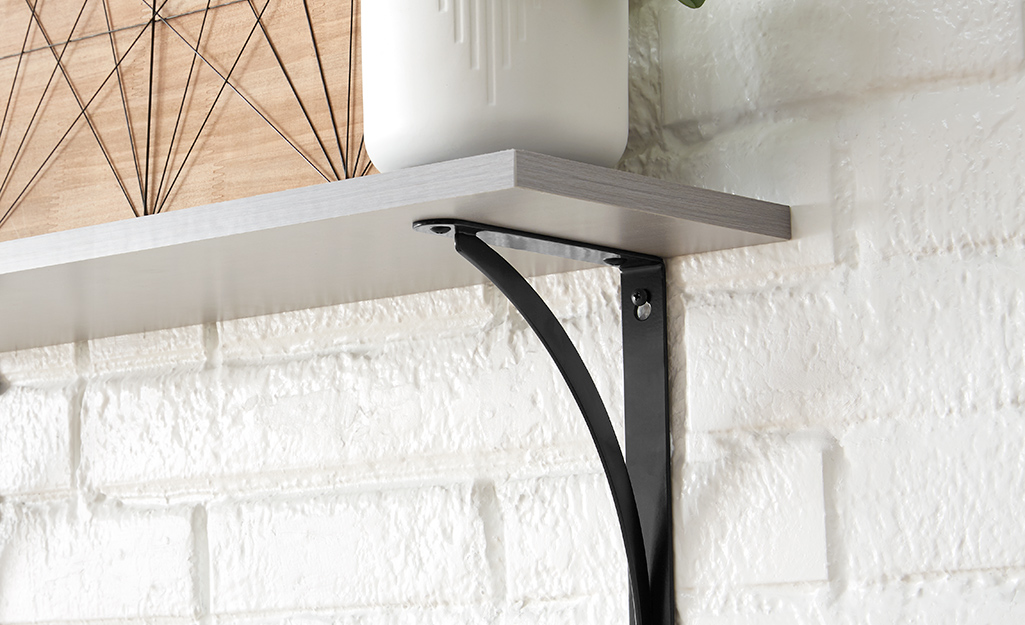
Choosing the right bracket type is key to a strong, stable shelf. The bracket supports the weight and keeps the shelf steady. Different brackets offer various benefits. Some focus on strength, others on style. Picking the right kind depends on the shelf’s use and design.
Fixed Vs Adjustable Brackets
Fixed brackets have one set position. They hold the shelf firmly in place. Adjustable brackets allow you to change the shelf height. They offer flexibility for different storage needs. Fixed brackets are stronger for heavy loads. Adjustable ones suit lighter, variable setups.
Decorative Vs Functional Brackets
Decorative brackets add style to your shelf. They come in many shapes and designs. Functional brackets focus on support and durability. Some brackets combine both style and strength. Choose decorative brackets for visible shelves. Opt for functional brackets for hidden or heavy shelves.
Material Considerations
Brackets come in metal, wood, and plastic. Metal brackets are strong and long-lasting. Wood brackets match wooden shelves well. Plastic brackets are light but less durable. Consider the shelf material and weight. Pick a bracket material that fits both needs.
Credit: www.homedepot.com
Installation Tips For Stability
Installing brackets correctly is key to making shelves stable and safe. Proper installation keeps shelves from sagging or falling. Follow these tips to ensure your shelves hold up well and look great.
Wall Anchors And Studs
Always find wall studs before placing brackets. Studs provide strong support for heavy shelves. Use a stud finder to locate them easily. If studs are not available, use wall anchors. Anchors spread the weight and prevent damage. Choose anchors based on your wall type and shelf weight.
Leveling And Alignment
Make sure brackets are level and evenly spaced. Use a spirit level to check alignment. Uneven brackets cause shelves to tilt or wobble. Mark bracket positions lightly with a pencil. Double-check measurements before drilling holes. Proper alignment improves shelf stability and appearance.
Safety Precautions
Wear safety goggles to protect your eyes. Use a mask if drilling creates dust. Keep tools out of children’s reach. Do not overload shelves beyond their weight limit. Test shelf strength gently after installation. Follow these steps to avoid accidents and damage.
Troubleshooting Common Issues
Using the right number of brackets per shelf helps avoid common problems. This section covers issues you might face and how to fix them. Knowing these tips keeps your shelves strong and safe.
Sagging Shelves
Shelves can bend or sag if brackets are too far apart. This happens when the shelf carries too much weight without enough support. Add more brackets evenly spaced to stop sagging. Choose brackets made from strong materials for better support.
Bracket Failure
Brackets can break or pull away from the wall if overloaded. Use brackets that match the shelf size and weight. Secure brackets with proper screws and anchors for your wall type. Check brackets regularly to catch problems early.
Uneven Weight Distribution
Placing heavy items only on one side causes uneven pressure. This can make shelves tilt or brackets loosen. Spread weight evenly across the shelf for balance. Use more brackets if the shelf is long or holds heavy items.
:max_bytes(150000):strip_icc()/recommended-shelf-spans-and-spacing-1824823-hero-49653230e2734e2b816bbed65517676f.jpg)
Credit: www.thespruce.com
Frequently Asked Questions
How Many Brackets Are Needed Per Shelf?
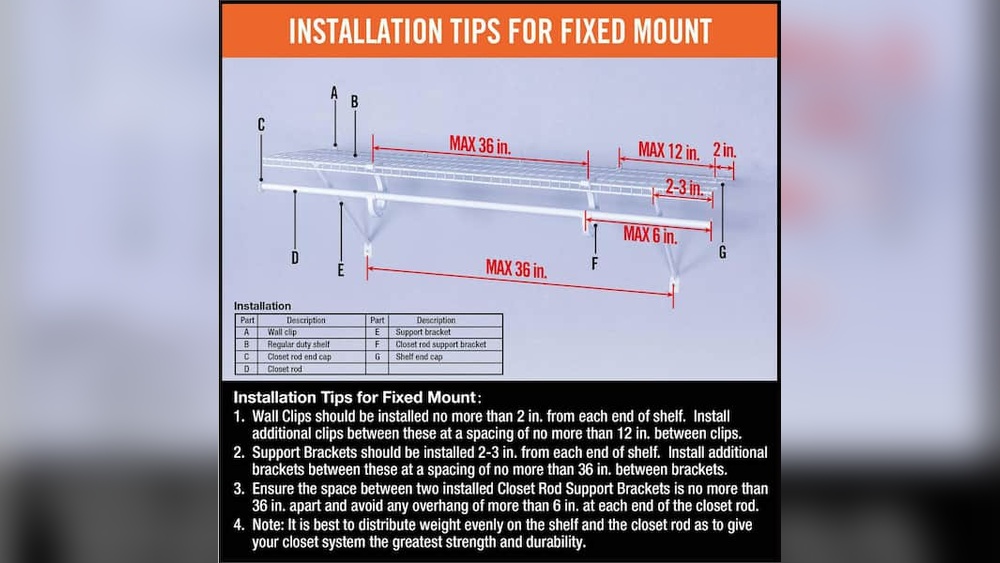
Typically, two brackets are sufficient for shelves up to 36 inches wide. Larger shelves often require three or more brackets for stability and to support weight evenly.
Does Shelf Length Affect The Number Of Brackets?
Yes, longer shelves need more brackets to prevent sagging. Generally, add a bracket every 24 to 32 inches for proper support.
What Type Of Brackets Suit Heavy Shelves?
Heavy shelves require strong, heavy-duty brackets. Choose metal or reinforced brackets to safely hold heavier loads without bending or breaking.
Can Bracket Spacing Improve Shelf Durability?
Proper bracket spacing distributes weight evenly and prevents stress points. This spacing enhances the shelf’s durability and prevents damage over time.
Conclusion
Choosing the right number of brackets keeps shelves steady and safe. Too few brackets can cause shelves to sag or fall. Too many brackets might waste space and materials. Consider shelf length, weight, and wall type before deciding. Proper bracket placement helps balance the load well.
Strong, evenly spaced brackets support your items better. A well-supported shelf lasts longer and holds more. Simple planning makes your shelves both functional and neat. Keep these tips in mind for sturdy shelves every time.