Are you struggling to remove wall anchors from screws without damaging your walls? You’re not alone.
Wall anchors can be tricky, especially if they’re stuck tight or hidden deep inside the drywall. But don’t worry—this guide will show you simple, effective ways to get those anchors out cleanly and quickly. Whether you’re fixing a mistake or preparing to hang something new, mastering this skill will save you time and frustration.
Keep reading, and you’ll learn easy steps to handle wall anchors like a pro.
Types Of Wall Anchors
Wall anchors hold screws firmly in drywall or other hollow walls. They come in different types. Each type works best for certain wall materials and weights. Knowing these types helps you remove them safely and easily.
Plastic Expansion Anchors
Plastic expansion anchors are common and easy to use. They expand inside the wall as the screw goes in. These anchors work well for light loads. They are simple to remove by pulling or pushing out.
Toggle Bolts
Toggle bolts have metal wings that open behind the wall. They hold heavy items securely. Removing toggle bolts needs care. The wings must fold to pull the anchor out.
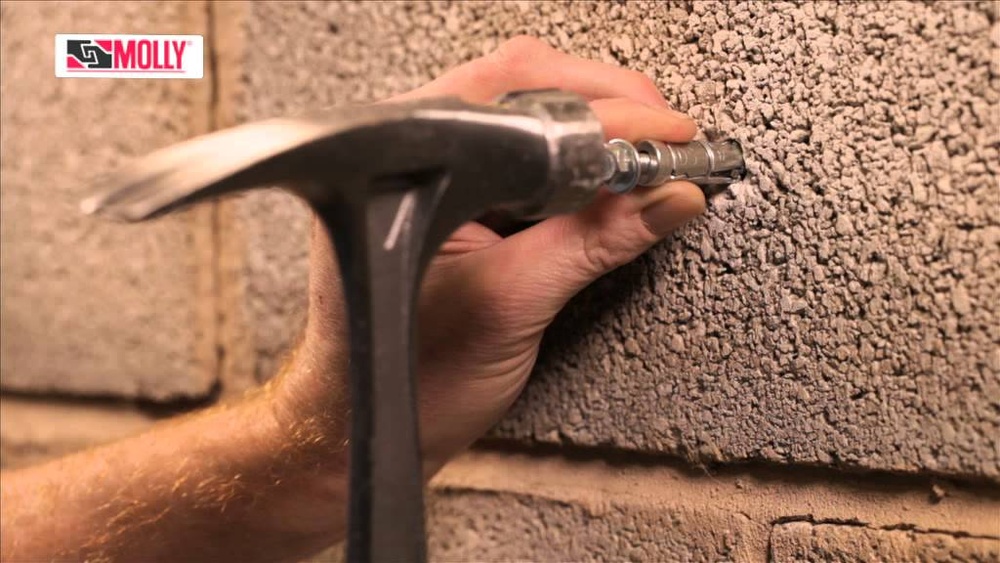
Molly Bolts
Molly bolts have a metal sleeve that expands inside the wall. They provide strong support for medium loads. To remove them, unscrew the bolt. Then, gently pull or push the anchor out.
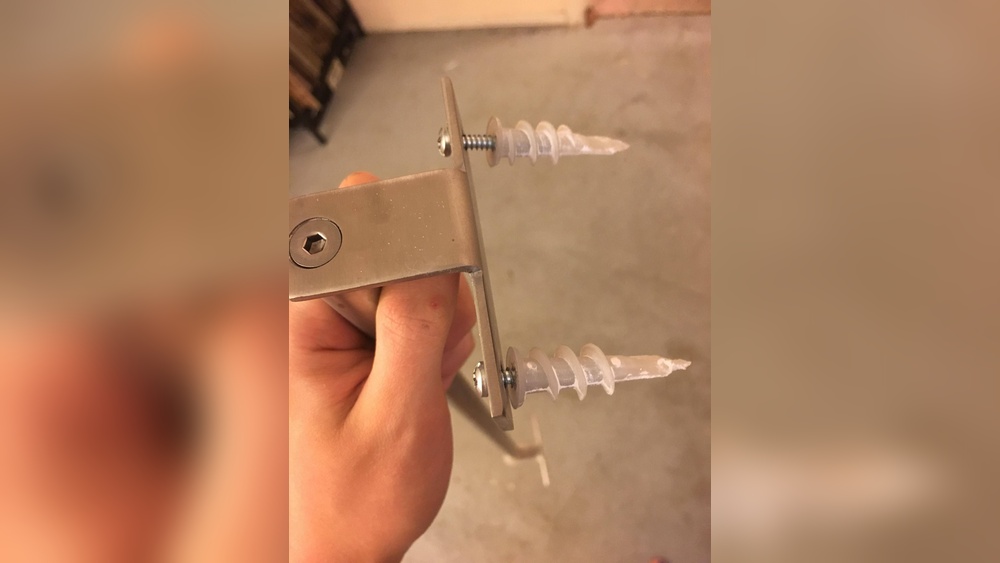
Self-drilling Anchors
Self-drilling anchors screw directly into drywall. They do not need a pre-drilled hole. These anchors hold medium weight items. Removal involves unscrewing the screw and pulling out the anchor carefully.

Credit: www.hgtv.com
Tools Needed For Removal
Removing wall anchors from screws requires the right tools. Using proper tools makes the task easier and cleaner. Each tool has a specific role in the removal process. Understanding these tools helps you work safely and efficiently.
Screwdrivers
Screwdrivers are essential for loosening and removing screws. Choose the correct size and type for the screw head. A flathead or Phillips screwdriver often works best. Using the right screwdriver prevents damage to the screw and wall.
Pliers
Pliers help grip and pull out stubborn anchors. Needle-nose pliers work well for small or tight spaces. Grip the anchor firmly and pull gently to avoid wall damage. Pliers add control when the anchor won’t come out easily.
Drill And Bits
A drill can speed up anchor removal. Use a drill bit slightly smaller than the anchor size. Carefully drill into the anchor to loosen it. This method is useful for plastic or metal anchors stuck deep in the wall.
Utility Knife
A utility knife helps remove excess material around the anchor. Score around the anchor to break the wall paint or drywall. This prevents tearing the wall when pulling the anchor out. Use the knife carefully for clean edges and less mess.
Removing Anchors With Screws Attached
Removing wall anchors with screws still attached can be tricky. The screw often holds the anchor tight inside the wall. To remove the anchor, you first need to handle the screw carefully. This process helps avoid damage to your wall and keeps the area neat.
Loosening The Screw
Start by turning the screw counterclockwise. Use a screwdriver that fits the screw head well. Turn slowly to avoid stripping the screw. Loosen it enough so it moves freely. Do not remove the screw completely yet.
Pulling Out The Anchor
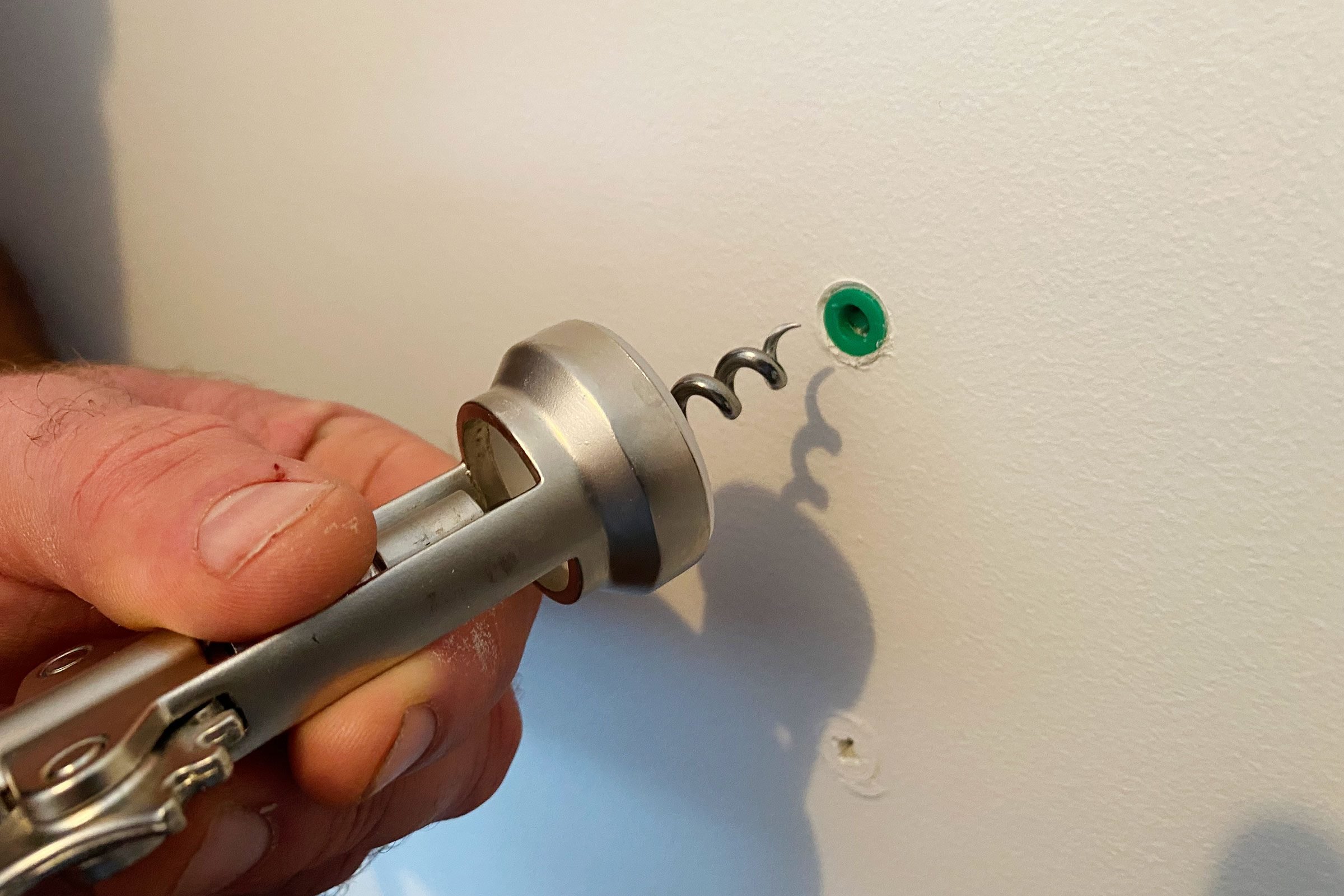
Once the screw is loose, grip the anchor gently. Use pliers or your fingers to pull it out. Pull straight out to avoid breaking the wall. If the anchor moves, keep pulling slowly. Stop if it feels stuck to avoid damage.
When To Twist Or Pull
If the anchor is plastic, pull it straight out. For metal anchors, twist gently while pulling. Twisting loosens the grip inside the wall. Stop if the anchor resists too much. Then try loosening the screw more before pulling again.
Credit: www.familyhandyman.com
Removing Anchors Without Screws
Removing wall anchors without screws can be tricky. The anchors stay fixed in the wall even after the screws are out or if the screws are missing. You need safe ways to pull or drill them out. This keeps your wall smooth and ready for new fixtures.
Using Pliers To Extract
Grab a pair of needle-nose pliers. Hold the anchor firmly near the wall. Gently pull straight out while twisting slightly. If the anchor moves, keep pulling slowly. Avoid quick jerks to stop wall damage. For plastic anchors, this method works best.
Drilling Out Stubborn Anchors
Use a drill with a bit slightly smaller than the anchor. Drill slowly into the center of the anchor. This breaks the anchor into small pieces. Remove the pieces with pliers or vacuum. Take care not to drill too deep. This method suits metal or heavy-duty anchors.
Filling The Hole Afterwards
Clean out dust and loose debris from the hole. Apply spackle or wall filler with a putty knife. Press filler firmly and smooth the surface. Let it dry completely before sanding. Sand lightly to blend with the wall. Paint over for a fresh, even finish.
Preventing Wall Damage
Removing wall anchors can be tricky. It often causes damage to the wall. Preventing wall damage is important for a clean and smooth surface. Careful steps can save you time and effort later. Small holes and marks can spoil the look of your walls. Taking the right approach helps keep walls intact and ready for new decorations.
Techniques To Minimize Damage
Pull the screw out slowly. Use pliers for a better grip. Avoid twisting too hard to stop wall crumbling. Push the anchor inside the wall if it resists. This hides the hole and prevents extra damage. Tap gently with a screwdriver to push in anchors. Use a drywall saw carefully for stuck anchors. Always use the right tools to protect the wall surface.
Repairing Small Holes
Fill small holes with lightweight spackle. Apply spackle with a putty knife. Let it dry fully before sanding. Sand gently until the surface is smooth. Paint over the repaired area to match the wall. This restores the wall’s clean look quickly. Small repairs keep walls ready for new anchors or decorations.
Choosing The Right Anchor Next Time
Pick anchors that fit the screw size exactly. Use anchors made for your wall type. Drywall anchors work best for drywall walls. Use masonry anchors for brick or concrete walls. Avoid oversized anchors that cause bigger holes. Correct anchors hold better and cause less damage. Proper choices reduce the need for repairs later.

Credit: www.tjlituo.com
Safety Tips During Removal
Removing wall anchors from screws can be tricky and requires care. Safety is the top priority during removal. Taking the right precautions helps avoid injury and damage. Follow these tips to stay safe and make the process easier.
Protective Gear
Always wear safety glasses to protect your eyes. Small pieces of plastic or drywall may fly out. Use gloves to protect your hands from sharp edges. Wear a dust mask if you create dust or debris. Proper gear keeps you safe and comfortable.
Handling Tools Safely
Use the right tools for the job. Hold tools firmly to avoid slips. Keep your fingers away from sharp parts. Pull screws out slowly and steadily. Avoid forcing the anchor, which can cause damage. Take breaks if your hands get tired.
Working On Different Wall Types
Know what type of wall you have. Drywall is soft and can break easily. Use gentle pressure and avoid large holes. Brick or concrete walls need special tools and care. Be cautious with plaster walls to prevent cracks. Adjust your method based on the wall material.
Frequently Asked Questions
How Do I Safely Remove Wall Anchors From Screws?
To safely remove wall anchors, first unscrew the screw completely. Then, gently pull the anchor out using pliers or a flathead screwdriver. Avoid damaging the wall by working slowly and carefully.
What Tools Are Needed To Remove Wall Anchors?
You need a screwdriver, pliers, and possibly a putty knife or utility knife. These tools help you unscrew, grip, and extract anchors without damaging the wall surface.
Can I Reuse Wall Anchors After Removal?
Generally, wall anchors are designed for one-time use. Removing them can damage their structure, so reusing is not recommended. Use new anchors for better holding strength and safety.
Why Do Wall Anchors Get Stuck In The Wall?
Anchors get stuck due to tight expansion inside the wall cavity. Over-tightening screws or using the wrong anchor size can also cause difficulty during removal.
Conclusion
Removing wall anchors from screws is easier than you think. Start by pulling the screw out gently. Use pliers or a screwdriver for better grip. Push or twist the anchor carefully to avoid wall damage. Small holes can be fixed with putty or filler.
Take your time and work slowly. This simple process keeps your walls neat and ready for new fixtures. Now, you can handle wall anchors with confidence and care.